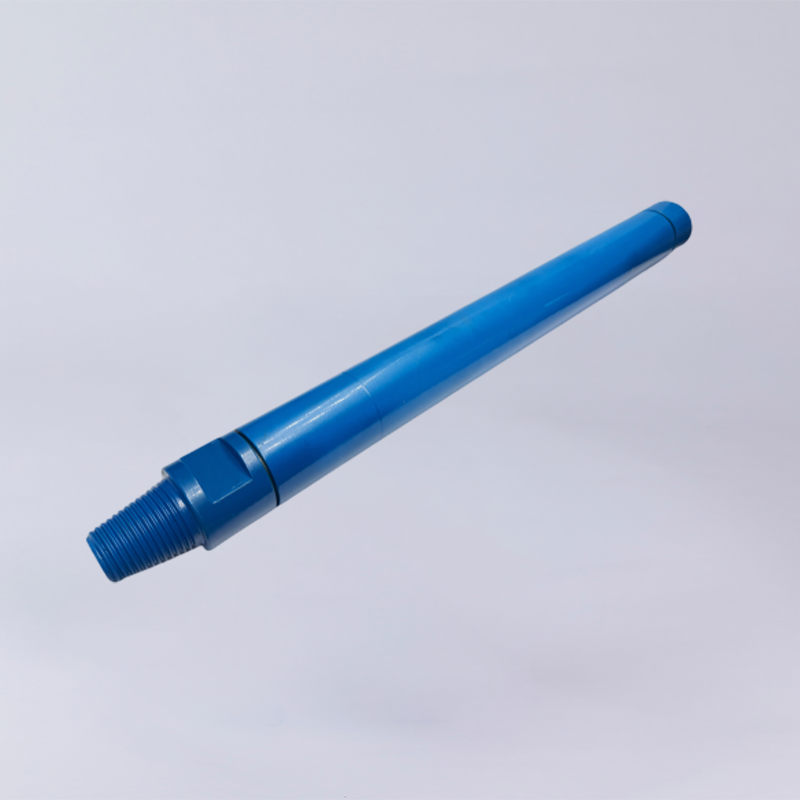
Choosing an air compressor for down-the-hole (DTH) drilling requires more than matching the compressor's rated pressure to the hammer's working pressure. The compressor must deliver enough free air to operate the hammer, remove cuttings from the borehole, and maintain the required pressure under actual drilling conditions.
An undersized compressor can lead to unstable hammer operation, slow penetration, and poor hole cleaning. An oversized unit, on the other hand, may increase fuel consumption and operating costs without improving drilling performance.
This guide explains how to calculate DTH drilling air consumption, estimate flushing airflow, convert between CFM and metric units, and check whether a compressor can meet the requirements of a particular drilling job.
Quick Answer: How Much Air Does DTH Drilling Require?
The air requirement of a DTH drilling depends on the hammer model, operating pressure, hole diameter, drill pipe size, drilling depth, and flushing conditions.
To estimate the required compressor capacity:
- Obtain the hammer's air consumption at the intended operating pressure from the manufacturer's specifications.
- Calculate the airflow required to remove cuttings from the annular space between the drill pipe and the borehole wall.
- Check which airflow requirement governs the design, accounting for how air passes through the hammer and exits the hole.
- Add the demand of any separate pneumatic equipment and an appropriate allowance for operating conditions.
- Verify that the compressor can deliver the required free air delivery (FAD) at the necessary discharge pressure.
Two specifications must always be checked together: airflow capacity and operating pressure. A compressor with sufficient pressure but inadequate airflow may not operate the hammer or clean the hole effectively.
What Is DTH Drilling Air Consumption?
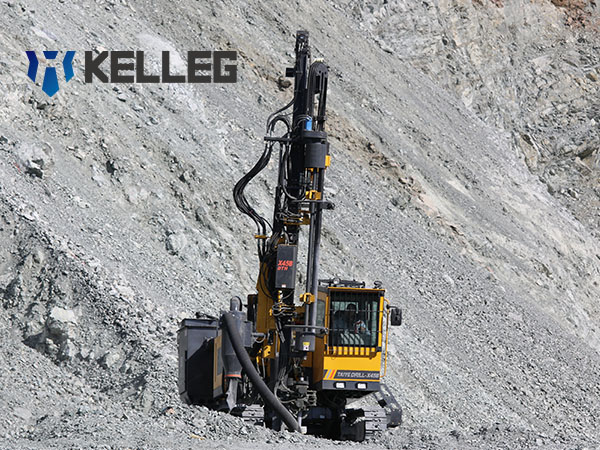
DTH drilling uses compressed air to operate a hammer positioned directly behind the drill bit. The hammer converts pneumatic energy into repeated impacts that break the rock. The discharged air also helps carry rock cuttings out of the borehole.
The amount of air required depends on the hammer's internal design and operating conditions, as well as the airflow needed to clean the hole.
Three parameters are particularly important.
DTH Hammer Air Consumption
DTH hammer air consumption is the volume of air required to operate a specific hammer at a stated pressure and configuration.
Manufacturers typically publish air-consumption tables or performance curves showing airflow at different operating pressures. These values should be used when selecting a compressor.
A nominal hammer size alone is not enough to determine its air demand. Different models within the same size class can have different consumption characteristics.
Free Air Delivery (FAD)
Free air delivery is the compressor's delivered airflow expressed on a defined free-air reference basis.
FAD is commonly specified in:
- Cubic metres per minute (m³/min)
- Cubic feet per minute (CFM)
- Litres per second (L/s)
Compressor displacement, nominal capacity, and FAD are not interchangeable. When comparing compressors, use the manufacturer's delivered FAD rating at the relevant discharge pressure and check the reference conditions used for that rating.
Operating Pressure
Operating pressure is the pressure required for the hammer to function under its intended conditions.
It is commonly expressed in bar(g) or psi(g), where the suffix "(g)" indicates gauge pressure.
The compressor must provide enough pressure to overcome system losses and maintain the required pressure at the hammer. A compressor's maximum rated pressure does not necessarily represent the pressure available at the hammer during drilling.
What Affects DTH Hammer Air Consumption?
Several operating variables affect compressor selection. Understanding them helps explain why a generic air-consumption chart should be used only for preliminary planning.
DTH Hammer Model and Operating Pressure
The hammer's model and operating pressure are the starting points for any calculation.
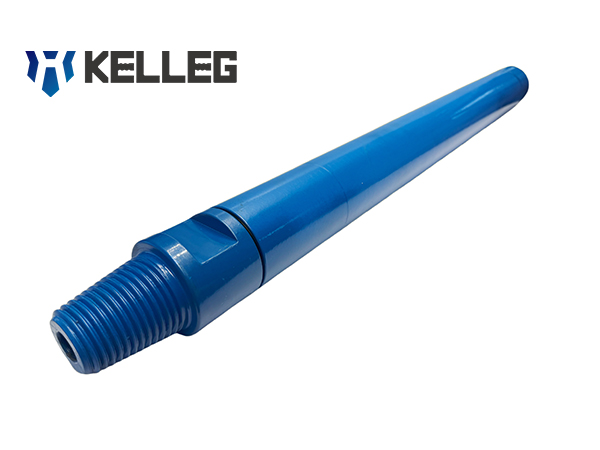
Different DTH hammer designs have different internal air passages, piston characteristics, and operating requirements. Air consumption can also change with pressure and the selected air-control configuration.
Before selecting a compressor, confirm:
- Hammer manufacturer and model
- DTH hammer size
- Compatible bit diameter
- Required operating pressure
- Air consumption at that pressure
- Any applicable air-control or choke setting
Use the manufacturer's performance data rather than assuming a fixed airflow for every hammer of the same nominal diameter.
Hole Diameter and Drill Pipe Size
Hole geometry affects the amount of air required to carry cuttings back to the surface.
The returning air flows through the annular space between the borehole wall and the outside of the drill pipe. A larger hole generally creates a larger annular area, while a larger drill pipe reduces that area.
Drilling Depth and Water Inflow
Drilling depth affects pressure losses, the operating pressure balance, and the conditions under which cuttings must be transported out of the hole.
Water inflow can make hole cleaning more difficult. The pressure exerted by a water column can also affect the pressure required to operate the hammer, depending on the hammer design and airflow arrangement.
There is no reliable universal rule that assigns a fixed percentage increase in compressor capacity for every additional metre of drilling depth. The effect must be evaluated against the actual hole geometry, air path, water conditions, and hammer specifications.
Air Hose Length, Restrictions, and Leakage
Air losses between the compressor and the hammer reduce the pressure available for drilling.
Common sources include:
- Undersized hoses or air lines
- Excessive line length
- Restricted fittings and couplings
- Leaking connections
- Dirty filters or restricted components
- Poorly maintained seals
These factors should be considered when calculating the pressure required at the compressor outlet.
Site Altitude and Ambient Conditions
At higher elevations, lower atmospheric pressure reduces air density and can affect the compressor's mass-flow capacity.
Ambient temperature and the compressor's operating conditions can also influence delivered performance.
Use the compressor manufacturer's performance data and altitude correction factors when selecting equipment for high-elevation projects. Do not assume that a compressor will deliver its full sea-level rated capacity at every site.
How to Calculate Air Compressor Requirements for DTH Drilling
Selecting an air compressor for DTH drilling comes down to two main questions:
- How much air does the drilling system need?
- Can the compressor maintain the required pressure while delivering that air?
You do not need to perform a complicated calculation to understand the basic requirements. Start with the DTH hammer specifications, check the airflow needed for hole cleaning, and then compare these requirements with the compressor's rated performance.
Step 1: Check the DTH Hammer's Air Consumption
Start with the manufacturer's air-consumption chart for your specific hammer model.
The required airflow depends on the hammer design and operating pressure. A larger hammer does not always have the same air consumption as another hammer of the same nominal size.
Before choosing a compressor, confirm:
- Hammer model and size
- Required operating pressure
- Air consumption at that pressure
- Recommended operating conditions
If you do not have the hammer's air-consumption data, ask the supplier to confirm it before selecting a compressor.
Step 2: Consider the Air Needed to Remove Cuttings
Compressed air does more than operate the DTH hammer. It also carries broken rock out of the borehole.
The airflow needed for effective hole cleaning depends mainly on the hole diameter, drill pipe size, required air velocity, and drilling conditions.
A larger hole generally requires more flushing air. Water inflow, sticky formations, and poor air circulation can make cuttings removal more difficult.
For a preliminary estimate, engineers can calculate the open space around the drill pipe and multiply it by the target upward air velocity. In practice, the appropriate velocity depends on the formation, cuttings, hole inclination, and drilling method.
For most buyers, the important point is simple: the compressor must supply enough air to operate the hammer and maintain effective hole cleaning.
Step 3: Check the Compressor's FAD Rating
Free air delivery (FAD) describes the compressor's delivered airflow expressed on a specified free-air reference basis.
Compressor capacity is commonly listed in CFM or m³/min. Use the manufacturer's FAD rating rather than relying on compressor displacement or a headline capacity figure.
When comparing compressors with the hammer's air-consumption data, make sure both airflow values use compatible reference conditions.
If the flushing requirement is higher than the airflow the hammer can provide under its permitted operating conditions, the drilling setup needs further technical review. Simply purchasing a compressor with a higher airflow rating may not resolve the problem.
Step 4: Allow for Actual Drilling Conditions
The airflow calculated under ideal conditions may not be sufficient for every job.
Before finalizing the compressor size, consider:
- Drilling depth and pressure losses
- Hole diameter and drill pipe size
- Expected water inflow
- Air hose length and diameter
- Air leakage and restricted fittings
- Site altitude and ambient temperature
- Other equipment using the same air supply
A suitable design allowance should reflect these conditions. There is no single percentage that applies to every DTH drilling project.
Step 5: Verify the Required Operating Pressure
The compressor must maintain the hammer's required operating pressure after accounting for pressure losses through hoses, pipes, fittings, and other components.
For example, if a hammer requires 15 bar(g) at its inlet, the compressor may need to deliver a higher pressure at its outlet to compensate for system losses.
The actual pressure requirement depends on the installation and downhole conditions. Do not select a compressor based only on its maximum pressure rating.
Step 6: Confirm Both Airflow and Pressure Before Buying
Before choosing a compressor, check these two specifications together:
| What to check | Why it matters |
|---|---|
| Free air delivery (FAD) | Confirms that sufficient air is available for the drilling requirements |
| Discharge pressure | Confirms that the system can maintain the required hammer operating pressure |
The compressor must meet both requirements under the expected operating conditions. If either specification is insufficient, drilling performance may suffer.
If you are unsure whether your existing compressor is suitable, provide the hammer model, hole diameter, drilling depth, required operating pressure, and compressor specifications to your drilling tool supplier for review.
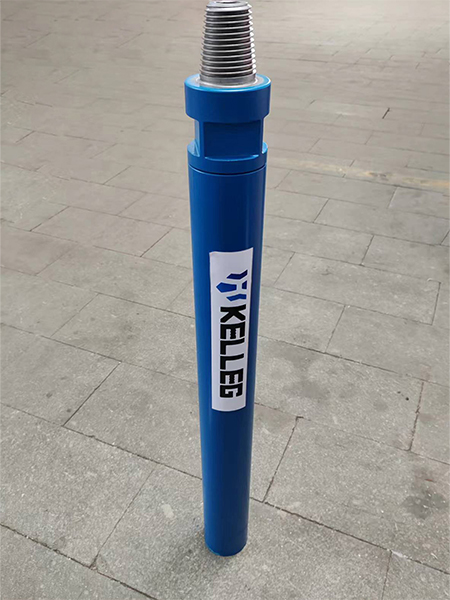
DTH Hammer Air Consumption: Reference Guide
DTH hammer air consumption varies by manufacturer, model, and operating pressure. The following figures are illustrative planning ranges only, not specifications for a particular hammer or a final compressor selection.
| DTH hammer size | Illustrative airflow range | Approximate CFM |
|---|---|---|
| 3-inch | 3.5–5.5 m³/min | 124–194 CFM |
| 4-inch | 6–7.5 m³/min | 212–265 CFM |
| 5-inch | 9–12 m³/min | 318–424 CFM |
| 6-inch | 13–18 m³/min | 459–636 CFM |
Important: Do not select a compressor using hammer size alone. Check the air-consumption chart for the exact hammer model and intended operating pressure. Also verify whether the available airflow is sufficient for hole cleaning under your drilling conditions.
For an accurate recommendation, confirm the hammer model, required pressure, and compressor FAD before purchasing equipment.
Practical Example: Checking Compressor Requirements for a DTH Drilling Job
Consider a hypothetical drilling project with the following conditions:
| Parameter | Example value |
|---|---|
| Hole diameter | 140 mm |
| Drill pipe outside diameter | 89 mm |
| Drilling depth | 100 m |
| Hammer operating pressure | 15 bar(g) |
| Hammer air consumption | 8.5 m³/min FAD |
| Estimated flushing airflow | 11.0 m³/min |
| Separate auxiliary air demand | 0.5 m³/min |
These figures are illustrative and must not be treated as specifications for a particular Kelleg hammer.
What Do These Numbers Tell Us?
The estimated flushing requirement is higher than the stated hammer consumption. This means the engineer needs to confirm that the selected hammer and drilling arrangement can provide adequate flushing under the intended operating conditions.
For this preliminary example, assume the two airflow values use compatible reference conditions and describe the same main airflow path.
The base airflow requirement is therefore determined by the higher of the hammer and flushing requirements, plus the separate auxiliary demand:
- Hammer air consumption: 8.5 m³/min
- Estimated flushing requirement: 11.0 m³/min
- Separate auxiliary demand: 0.5 m³/min
The resulting base airflow is approximately 11.5 m³/min.
If a preliminary 15% design allowance is used, the estimated compressor FAD target becomes approximately 13.2 m³/min.
This is a starting point for technical evaluation, not a final compressor recommendation. The hammer's performance data, actual flushing conditions, site conditions, and pressure losses must still be checked.
The pressure requirement must also be verified separately. If the hammer requires 15 bar(g), the compressor must supply enough pressure to maintain that condition after applicable system losses.
The key takeaway: Choose a compressor based on both the required FAD and the pressure available under actual drilling conditions—not on hammer size or rated pressure alone.
How to Choose a Compressor for Different Drilling Conditions
Once the initial airflow and pressure requirements have been calculated, compare them with the compressor's performance data.
Compressor Selection Checklist
| Selection factor | What to check |
|---|---|
| Free air delivery | FAD at the relevant discharge pressure and reference conditions |
| Discharge pressure | Enough pressure to maintain the required hammer operating condition |
| Hammer compatibility | Correct model, operating range, and air-control configuration |
| Hole diameter | Suitable airflow for the annular return area |
| Drill pipe diameter | Actual outside diameter used in the flushing calculation |
| Drilling depth | Pressure losses and downhole operating conditions |
| Water inflow | Potential back pressure and hole-cleaning requirements |
| Site altitude | Manufacturer's correction for delivered capacity |
| Air lines | Suitable diameter, length, fittings, and condition |
| Auxiliary demand | Air consumed by other independently supplied equipment |
| Duty cycle | Suitability for the expected operating duration and load |
When Is a Booster Compressor Needed?
A booster compressor may be appropriate when the required downstream pressure exceeds what the primary compressor can provide under the intended operating conditions.
However, a booster is not automatically the solution to inadequate airflow. The primary compressor, booster, piping, pressure losses, and hammer must be evaluated as a complete system.
Before adding a booster, confirm whether the limitation is pressure, airflow, or both.
What Information Is Needed for a Compressor Sizing Review?
Prepare the following information before requesting an equipment recommendation:
- DTH hammer manufacturer, model, and size
- Required bit diameter and actual hole diameter
- Intended drilling depth
- Hammer operating pressure and air-consumption data
- Drill pipe outside diameter
- Existing compressor model, FAD, and rated pressure, if available
- Site altitude and expected ambient temperature
- Rock conditions and expected water inflow
- Hose dimensions and line length
- Separate auxiliary air requirements
These details help determine whether the proposed compressor can support the hammer and the hole-cleaning requirements.
Common Compressor Sizing Mistakes
Selecting a Compressor by Pressure Alone
A compressor may reach the required pressure but still provide insufficient airflow. Always check FAD at the relevant operating pressure.
Confusing Nominal Capacity with FAD
A compressor's displacement or headline capacity may not represent its actual delivered airflow. Compare equipment using the appropriate rated FAD data.
Ignoring Hole Cleaning
A hammer may receive enough air to operate but still fail to remove cuttings efficiently. Hole diameter, drill pipe size, return velocity, and water conditions all affect flushing performance.
Double-Counting Hammer and Flushing Air
In DTH drilling, the air that operates the hammer also contributes to flushing the borehole. Do not add the same airflow twice unless the system actually uses separate air streams.
Ignoring Leakage and Pressure Losses
Leaks, restrictions, and undersized air lines reduce the pressure and airflow available at the hammer. An appropriate design allowance does not replace proper system sizing and maintenance.
Using a Generic Chart as a Final Specification
Hammer air consumption varies by manufacturer, model, operating pressure, and configuration. Generic tables are useful for preliminary planning, but the final selection should use model-specific performance data.
Frequently Asked Questions
How much air does a DTH hammer need?
A DTH hammer's air requirement depends on its model, size, operating pressure, and air-control configuration. Check the manufacturer's air-consumption chart at the intended working pressure, then verify that the available airflow is sufficient for hole cleaning. The compressor must deliver the required FAD at the necessary pressure.
How do you calculate the compressor size for DTH drilling?
Obtain the hammer's air consumption at the intended operating pressure, calculate the flushing airflow using the hole diameter and drill pipe outside diameter, and establish the governing airflow requirement. Add separate air consumers and an appropriate design allowance, then independently verify the required compressor discharge pressure after system losses.
What is the difference between CFM and FAD?
CFM is a unit of volumetric airflow, measured in cubic feet per minute. FAD describes the compressor's delivered airflow expressed on a specified free-air reference basis. FAD may be reported in CFM, m³/min, or L/s. When comparing hammer consumption with compressor capacity, ensure that both values use compatible reference conditions.
Does a deeper DTH drilling hole require a bigger compressor?
Not necessarily, but greater drilling depth can increase pressure losses and change the pressure and airflow requirements of the system. Water inflow, hole diameter, drill pipe size, and cuttings removal also affect compressor selection. The decision should be based on actual drilling conditions rather than depth alone.
Need Help Checking Your DTH Drilling Requirements?
Choosing the right DTH hammer and bit involves more than matching the tool diameter to the hole. Hammer air consumption, operating pressure, flushing conditions, and compressor performance all influence the drilling setup.
Kelleg supplies DTH drilling tools for mining, quarrying, construction, and other rock drilling applications.
If you are planning a new project or checking whether your existing equipment is suitable, share the following information with our team:
- Required hole diameter and drilling depth
- Preferred DTH hammer model or shank
- Available compressor FAD and discharge pressure
- Expected rock conditions and water inflow, if known
Our team can help review the relevant DTH tool specifications and identify the technical information needed to assess your application.
Contact Kelleg to discuss your DTH drilling requirements.