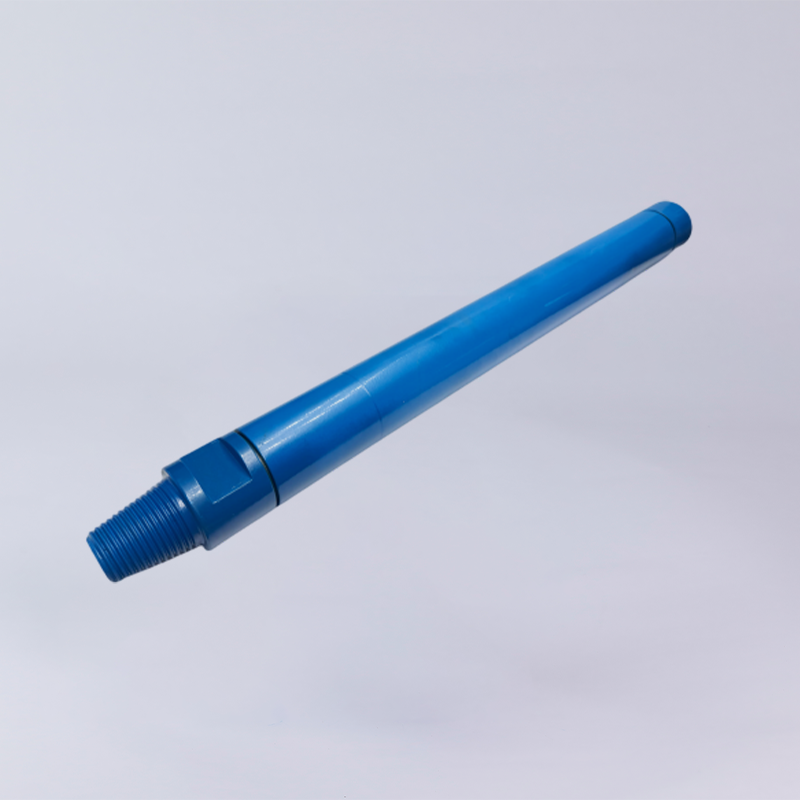
A DTH hammer should not be matched to a drill bit by nominal hammer size alone. The correct bit diameter depends on the specific DTH hammer model, DTH hammer outside diameter, compatible bit shank, required hole diameter, annular clearance, and available air pressure and volume.
For example, a 3.5-inch DTH hammer with an outside diameter of about 80 mm may be designed for 90–105 mm drill bits, while a 4-inch DTH hammer with an outside diameter of about 99 mm may use 115–130 mm bits. Larger DTH drilling tools follow the same principle: a 6-inch DTH hammer with a 148 mm outside diameter can cover 165–190 mm drilling, while an 8-inch DTH hammer with a 185 mm outside diameter can cover approximately 203–245 mm, depending on the specific model.
The practical selection sequence is:
Required hole diameter → DTH hammer model → compatible bit shank → bit diameter → annular clearance → air volume and operating pressure.
This approach avoids treating “3-inch,” “4-inch,” or “6-inch” as a fixed bit-size standard and gives a more reliable basis for DTH hammer and bit selection.
How DTH Hammer Size and Bit Diameter Are Related
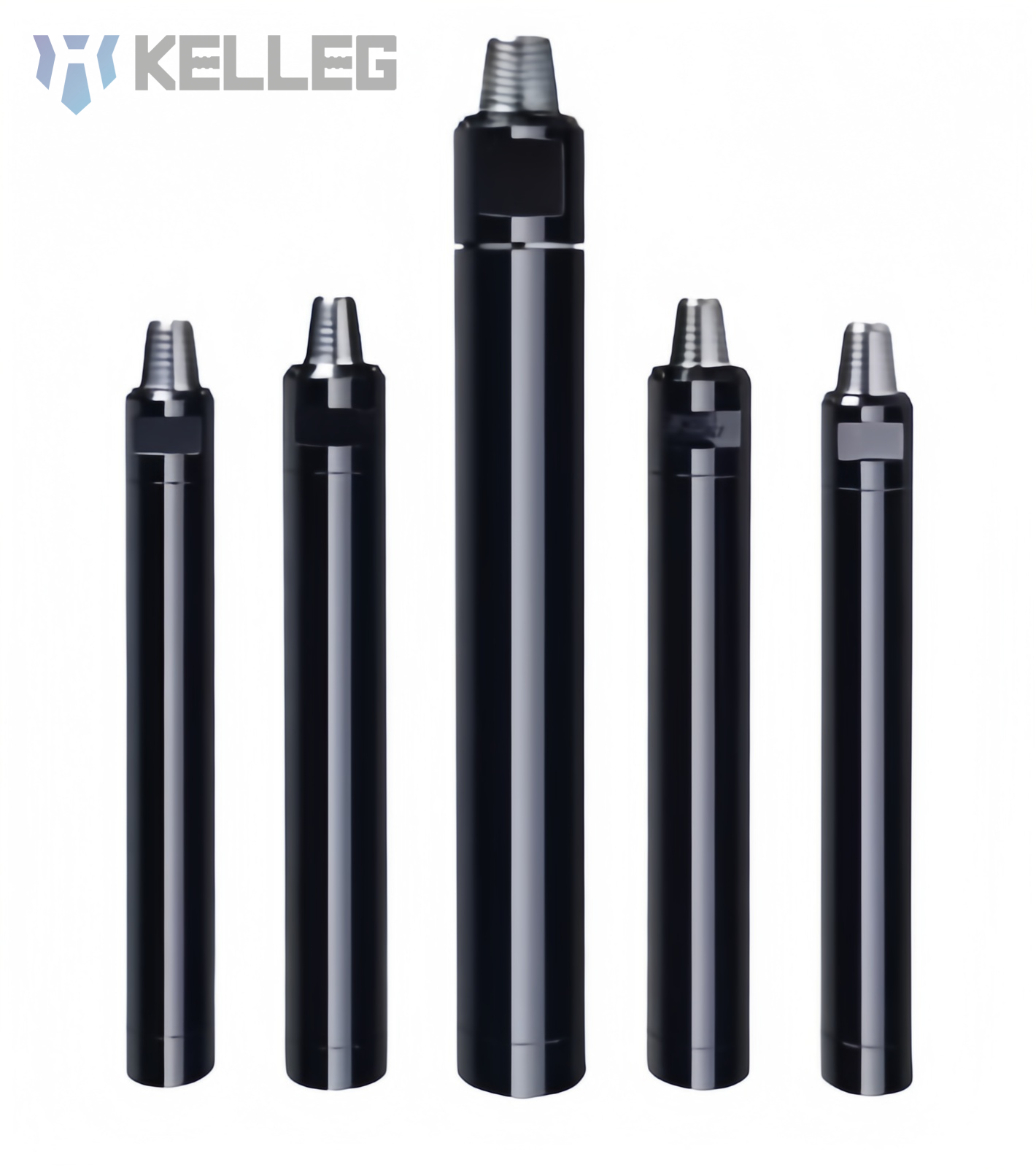
DTH hammer size and drill bit diameter are related, but they are not the same measurement. The DTH hammer size is a nominal classification, while the bit diameter determines the actual hole diameter; the two must be matched according to the specific DTH hammer model and its compatible bit design.
What Does a “3-Inch,” “4-Inch” or “6-Inch” DTH Hammer Mean?
| Term | What it means | Determines | Example |
|---|---|---|---|
| Nominal hammer size | Hammer size/class | Hammer category | 4-inch |
| Hammer OD | Actual hammer body diameter | Available clearance | 99 mm |
| Bit diameter | Hole diameter produced | Final hole size | 115–130 mm |
| Shank/Spline | Hammer-bit interface | Compatibility | Model-specific |
A “3-inch,” “4-inch,” or “6-inch” DTH hammer refers to the hammer’s nominal size or class, not the diameter of the drill bit. The actual outside diameter of the hammer body varies by model, and the compatible bit diameter is normally larger so the hammer can operate inside the drilled hole.
Four dimensions should be kept separate when selecting DTH drilling tools:
- Nominal hammer size: the common size used to identify the hammer class.
- Hammer outside diameter (OD): the actual external diameter of the hammer body, which determines how much space is available between the hammer and the hole wall.
- Bit diameter: the diameter of the hole produced by the bit.
- Bit shank: the mechanical interface that must match the hammer model.
For example, a 3.5-inch DTH hammer may have an outside diameter of about 80 mm and be designed for 90–105 mm drilling. A 4-inch model may have an outside diameter of about 99 mm and cover 115–130 mm drilling. This shows why the nominal hammer size cannot be used as the bit diameter.
The same principle applies to larger DTH drilling tools. A 6-inch hammer with an outside diameter of about 148 mm may be matched with 165–190 mm bits, while an 8-inch hammer with an outside diameter of about 185 mm may cover approximately 203–245 mm drilling, depending on the specific hammer design.
Hammer size is not the same as drill bit diameter. Always identify the hammer model and its compatible bit shank before selecting the bit.
Why the Bit Must Be Larger Than the Hammer
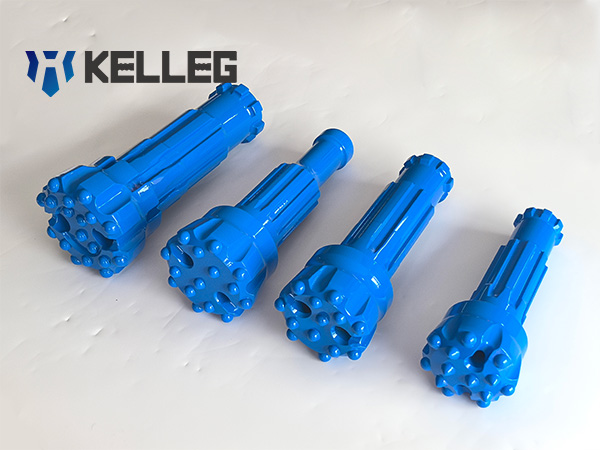
The drill bit must create a hole large enough for the DTH hammer body to move and operate inside it. The bit sets the hole diameter, while the difference between the bit diameter and the hammer's outside diameter creates the annular space through which return air and drilled cuttings move toward the surface.
If the bit is only slightly larger than the hammer, the available annular space becomes too small. Return air has less flow area, which can restrict flushing and make it harder to remove cuttings from the hole. In deeper holes or formations producing large amounts of cuttings, poor clearance can contribute to cuttings accumulation, slower drilling, and increased sticking risk.
For this reason, bit selection is not simply a matter of choosing the largest diameter that fits the hammer. The bit must provide the required hole diameter while maintaining sufficient annular clearance for effective flushing.
The basic relationship is:
Larger bit diameter → larger drilled hole → greater annular flow area
Smaller difference between bit diameter and hammer OD → smaller annular flow area → greater risk of restricted flushing
The actual effect also depends on air volume, operating pressure, hole depth, water inflow, and formation conditions. Annular clearance therefore becomes one of the key factors when matching a DTH hammer with a bit.
The Key Factor: Hole Clearance and Annular Space
Annular clearance is the open space between the DTH hammer and the borehole wall. It provides the flow path for return air and drilled cuttings, so the available clearance directly affects hole cleaning and drilling performance.
What Is Annular Clearance?
In DTH drilling, the term annular clearance usually describes the space between the outside diameter of the DTH hammer and the drilled hole wall. Because the bit creates the hole while the hammer operates inside it, the difference between bit diameter and hammer outside diameter determines how much space is available for return flow.
For practical hammer-and-bit selection, two dimensions are therefore important:
- Bit diameter: determines the drilled hole diameter.
- Hammer outside diameter (OD): determines how much of that hole is occupied by the hammer body.
A simple way to express the radial clearance is:
Radial clearance ≈ (Bit diameter − Hammer OD) ÷ 2
For example, if a bit produces a 120 mm hole and the hammer OD is 100 mm, the approximate radial clearance is 10 mm.
This should not be confused with internal mechanical clearances inside the DTH hammer, such as the working clearance between moving components. For hammer-and-bit selection, the relevant concern is the annular space available for return air and cuttings around the hammer.
How Bit Diameter Affects Hole Cleaning
Bit diameter affects hole cleaning mainly by changing the available annular flow area. However, a smaller bit and a larger bit create different problems, and neither should be evaluated by diameter alone.
Bit Too Small
A bit that is too small may produce a hole diameter below the project requirement. It also creates a larger annular space around the hammer, which can reduce return-air velocity under some operating conditions because the available flow area becomes larger.
However, a larger annular space does not automatically mean poor flushing. Hole-cleaning performance also depends on air volume, operating pressure, hole depth, water inflow, and the amount and size of cuttings being generated.
A smaller bit also means less rock is removed per unit length of drilling. If the required hole diameter is not achieved, the bit is unsuitable even if flushing remains adequate.
Bit Too Large
A bit that is too large reduces the annular space between the hammer and borehole wall. If the clearance becomes insufficient for the required return flow, air velocity and cuttings transport can be affected.
Typical consequences can include:
- Restricted return-air flow
- Cuttings accumulation around the hammer
- Poor hole cleaning
- Increased risk of sticking
- Higher compressor demand under the same operating conditions
- Lower drilling efficiency
The correct bit is therefore not simply the largest bit that can be fitted to the hammer. It must provide the required hole diameter while maintaining enough annular space for effective flushing under the actual drilling conditions.
Too Small vs. Too Large
| Bit condition | Annular space | Typical effect on hole cleaning | Other concern |
|---|---|---|---|
| Bit too small | Larger | Return-air velocity may decrease under some conditions | Hole may be smaller than required; less rock is removed |
| Correct size | Adequate for the application | Balanced air velocity and cuttings transport | Required hole diameter can be achieved |
| Bit too large | Smaller | Return flow may become restricted | Cuttings accumulation, sticking risk, higher compressor demand |
The key point is that annular clearance must be considered together with air volume and pressure. The same bit-to-hammer clearance may behave differently at different hole depths, compressor capacities, water inflow levels, and cuttings loads.
Match DTH Hammer Size with Bit Diameter
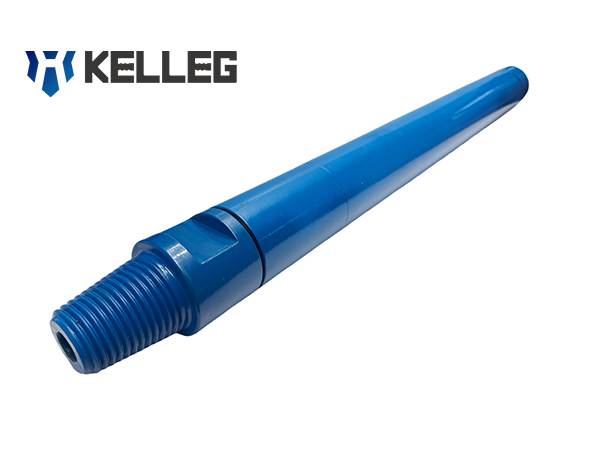
DTH hammer size and bit diameter must be matched according to the specific hammer series and model, not by nominal hammer size alone. CIR, DHD, SD, QL, and Numa series use different connection methods, so the bit must have the correct bit shank as well as a suitable diameter.
For example, a CIR 50 DTH hammer requires a CIR 50 bit shank. The bit diameter is then selected from the compatible range for that specific hammer model. The same principle applies to DHD, SD, QL, and other DTH hammer series.
A practical matching sequence is:
DTH hammer series → hammer model → Bit Shank → compatible bit diameter → required hole diameter
3-Inch DTH Hammer
A 3-inch-class DTH hammer does not have one universal bit diameter. The actual range depends on the hammer series and model.
For example, a DHD3.5 hammer has an outside diameter of about 80 mm and is listed for 90–105 mm drilling diameters. A CIR 70 hammer has an outside diameter of about 66 mm and is listed for 76 mm drilling diameter. These examples show why the hammer model and series must be checked before selecting the bit.
Typical reference: approximately 76–105 mm, depending on the series and model.
4-Inch DTH Hammer
A 4-inch-class hammer commonly covers a larger bit range, but the exact diameter still depends on the hammer model and bit shank.
For example, CIR 110 is listed for 110–150 mm drilling diameters, while DHD340, SD4, and QL40 are listed for approximately 115–130 mm. The bit must use the corresponding compatible shank, such as DHD340, SD4, or QL40.
Typical reference: approximately 110–150 mm, depending on the series and model.
5-Inch DTH Hammer
5-inch-class DTH hammers also vary by series. For example, DHD350, SD5, and QL50 are listed for approximately 140–152 mm drilling diameters, while CIR 130 covers 130–175 mm.
Typical reference: approximately 130–175 mm, depending on the hammer series and model.
6-Inch DTH Hammer
6-inch-class hammers commonly work with larger drilling diameters, but again, the exact range is model-dependent.
For example, DHD360, SD6, and QL60 are listed for 165–190 mm, while CIR 150 covers 150–200 mm drilling diameters.
Typical reference: approximately 150–200 mm, depending on the series and model.
8-Inch and Larger DTH Hammers
For 8-inch and larger DTH hammers, bit diameter ranges become even more dependent on the specific model and application.
For example, DHD380, SD8 and QL80 are listed for approximately 203–245 mm drilling diameters. Larger DTH bits such as SD10, SD12, Numa100, Numa125 and Numa180 extend into approximately 254–600 mm drilling diameters.
For these larger DTH hammers, bit selection should be based on the exact hammer model, compatible Bit Shank, required hole diameter, and available air capacity, rather than nominal hammer size alone.
| DTH Hammer Series | Hammer Model | Hammer OD | Typical Drilling Diameter | Bit Shank |
|---|---|---|---|---|
| CIR | CIR 50 | 44 mm | 50 mm | CIR 50 |
| CIR | CIR 70 | 66 mm | 76 mm | CIR 70 |
| CIR | CIR 110 | 98/102 mm | 110–150 mm | CIR 110 |
| DHD | DHD3.5 | 80 mm | 90–105 mm | DHD3.5 |
| DHD | DHD340 | 99 mm | 115–130 mm | DHD340 |
| DHD | DHD360 | 148 mm | 165–190 mm | DHD360 |
| SD | SD4 | 99 mm | 115–130 mm | SD4 |
| SD | SD6 | 148 mm | 165–190 mm | SD6 |
| QL | QL40 | 99 mm | 115–130 mm | QL40 |
| QL | QL60 | 148 mm | 165–190 mm | QL60 |
How to Choose the Right DTH Hammer and Bit Supplier
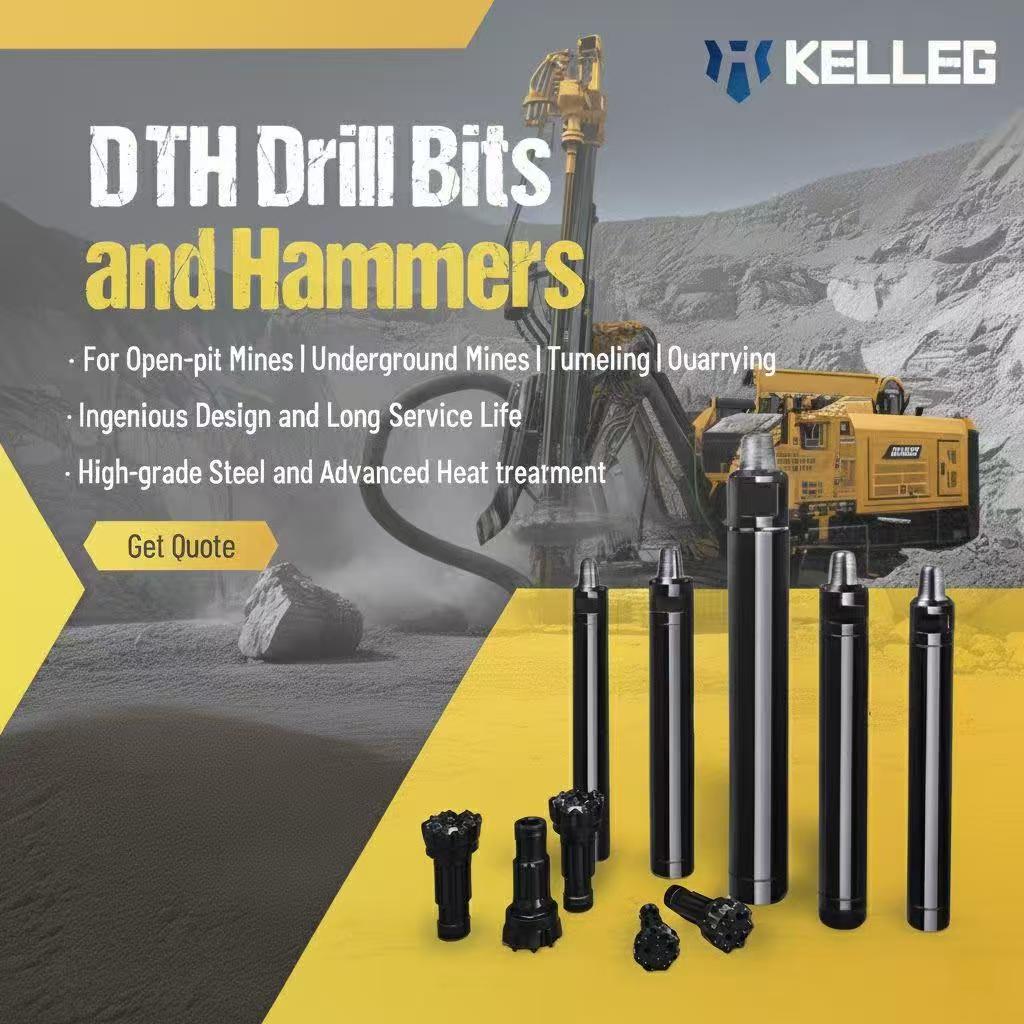
The right DTH drilling tools supplier should provide more than a hammer and bit size list. You should be able to confirm model compatibility, bit shank, drilling diameter, working conditions, and product specifications before placing an order.
Check DTH Hammer and Bit Compatibility
Before requesting a quotation, confirm that the supplier can match the DTH hammer and bit according to the actual model and configuration. Do not select a bit based on diameter alone.
Ask the supplier to confirm:
- Hammer model — such as CIR 50, DHD3.5, DHD340, SD4, or QL40.
- Bit diameter — confirm that the selected diameter is suitable for the hammer and your required hole size.
- Tail pipe or no-tail-pipe configuration — where the hammer model is available in different configurations.
- Working pressure range — confirm the recommended operating pressure for the specific hammer.
For example, a CIR 50 hammer should be matched with a CIR 50 bit shank, while a DHD3.5 hammer requires a compatible DHD3.5 bit shank. The supplier should be able to confirm these details before you place an order.
A good supplier should provide a clear product specification rather than simply asking you to choose a bit from a diameter list.
Check Whether the Supplier Covers Multiple DTH Drilling Tool Series
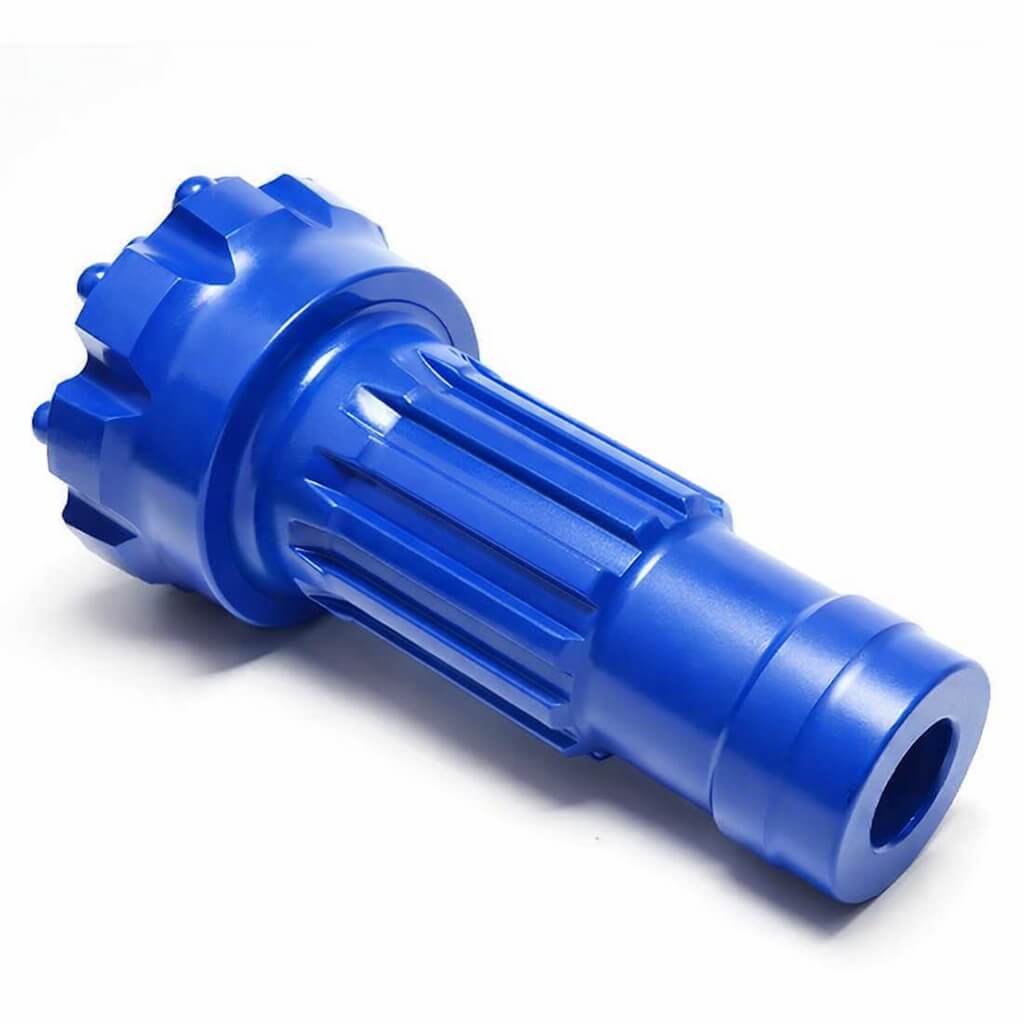
DTH drilling projects may involve different hammer series depending on the drilling equipment, hole diameter, and application. A supplier covering multiple DTH drilling tools series can make product selection and replacement easier.
Common DTH hammer series include:
- CIR Series
- DHD Series
- SD Series
- QL Series
- Numa Series
For procurement teams, broader product coverage can be useful when different projects or drilling rigs require different hammer-bit configurations. Instead of finding a separate supplier for each hammer series, you can work with one supplier that can provide compatible hammers and bits across multiple models.
More importantly, check whether the supplier can confirm compatibility by specific model, rather than simply claiming to supply multiple series. The ability to match the hammer and bit diameter accurately is more useful than the number of product series listed in a catalog.
What to Check Before Buying a DTH Hammer or Bit
Before buying a DTH hammer or bit, prepare the basic drilling and tool information for the supplier. A clear specification helps the supplier confirm compatibility and quote the correct product.
Confirm the Hammer Model
Do not simply tell the supplier:
“I need a 6-inch DTH hammer.”
Instead, provide:
- Hammer model
For example:
DHD3.5 hammer
If the hammer model is unknown, provide as much of the following information as possible:
- Required hole diameter
- Working air pressure
- Drill rod thread
- Bit spline type
- Photos of the existing hammer and bit, if available
This gives the supplier enough information to identify a suitable DTH hammer or bit.
Confirm the Bit Diameter
The bit diameter should be specified together with the hammer model, rather than ordered separately.
For example:
DHD3.5 hammer + 90 mm bit
Confirm the Drilling Conditions
The following information is usually enough for the supplier to understand the basic application:
- Rock formation
- Required hole diameter
- Hole depth
- Drilling method
- Air pressure
- Compressor capacity
Providing these details helps the supplier recommend a suitable hammer and bit instead of selecting a product based only on nominal size.
How to Avoid Buying the Wrong DTH Bit
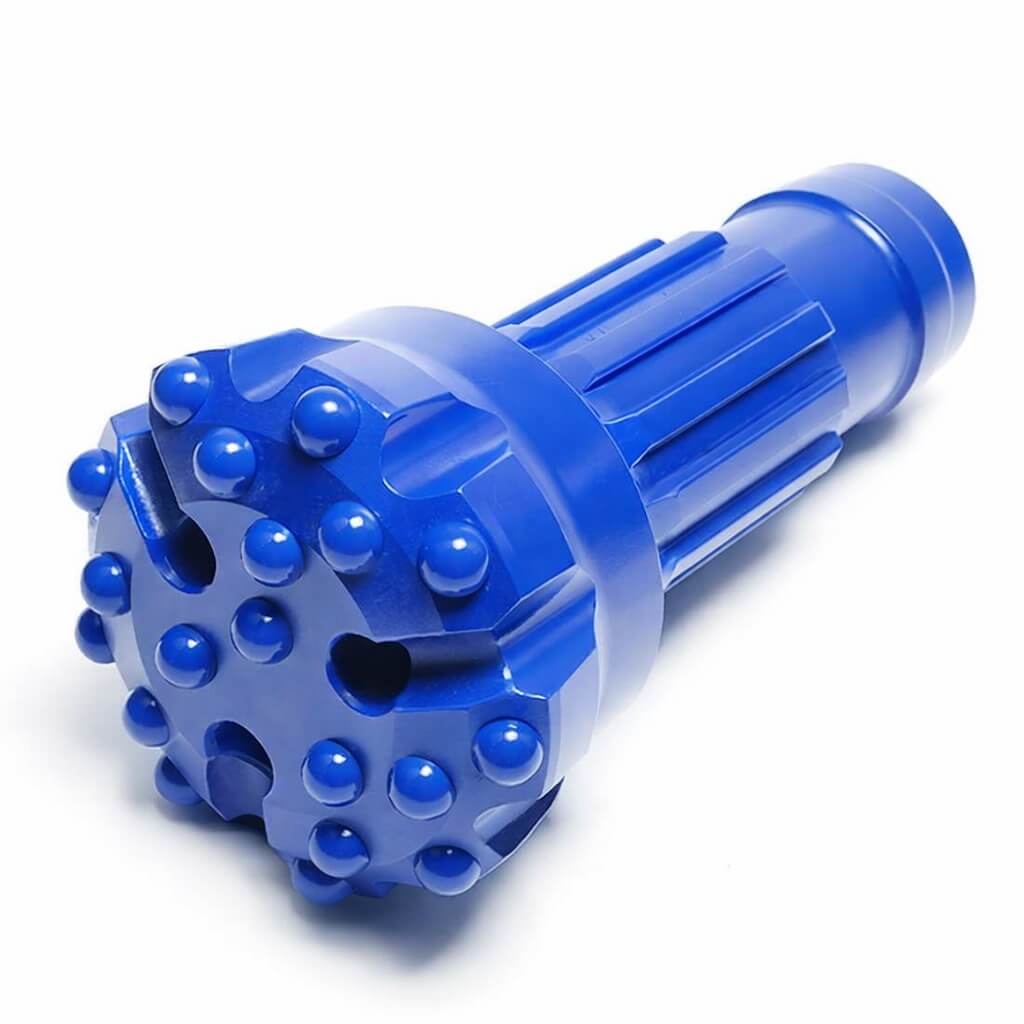
Buying the wrong DTH bit can lead to compatibility problems, drilling delays, and unnecessary replacement costs. The safest approach is to confirm the bit diameter, hammer model, and supplier specifications before ordering.
Choosing a Bit Only by Diameter
A bit diameter alone does not determine compatibility.
For example, a 115 mm bit does not automatically fit every DTH hammer designed for approximately 115 mm drilling. Different hammer series and models can use different bit shanks and connection designs.
The key point is:
Same diameter ≠ guaranteed compatibility.
Before ordering, confirm both:
- DTH hammer model
- Bit diameter
Ignoring the Bit Shank
Always confirm the bit shank before ordering.
A correct diameter with the wrong shank will not provide the required hammer-bit compatibility. This is particularly important when different DTH hammer series offer similar drilling diameters.
For example, a 90 mm bit may be available for different DTH hammers, but the correct choice depends on the specific hammer model and corresponding bit shank.
Buying Only on Price
The lowest unit price is not always the lowest drilling cost.
When comparing DTH bits from different suppliers, check more than the quotation price:
- Material quality
- Carbide button quality
- Heat treatment
- Dimensional consistency
- Hammer-bit compatibility
- Expected service life
- Supplier technical support
A slightly higher-priced bit may be a better purchase if it offers more consistent dimensions, longer service life, and reliable compatibility.
For procurement, the better comparison is not simply price per bit, but product quality + service life + compatibility + supplier support.
This is why supplier selection should be based on both product specifications and the supplier's ability to provide the right DTH hammer and bit for your application.
What Makes a Good DTH Bit Supplier?
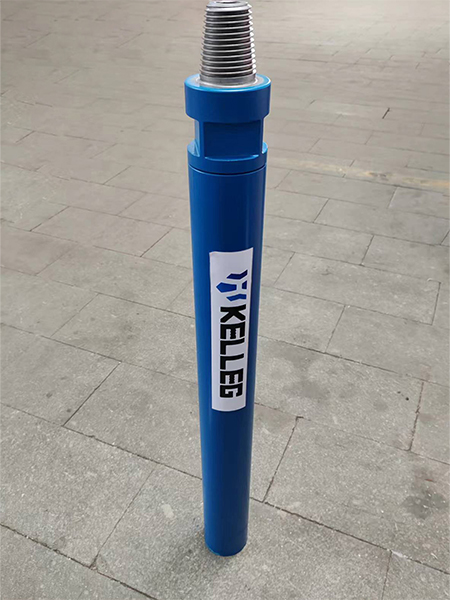
A good DTH bit supplier should make product selection clear before you place an order. The key criteria are accurate specifications, consistent product quality, sufficient model coverage, and useful technical support.
Accurate Product Specifications
A supplier should be able to provide clear specifications for each DTH bit and its compatible hammer, including:
- Hammer model
- Bit diameter
- Bit shank
- Outside dimensions
- Working pressure
Do not rely on a product name or diameter alone. The supplier should be able to confirm exactly which hammer models the bit is designed to fit.
Consistent Product Quality
For repeated purchases, consistency is as important as the quality of a single sample.
When evaluating a DTH bit supplier, check:
- Carbide button consistency
- Bit body quality
- Thread and shank dimensional accuracy
- Heat treatment
- Production consistency
Consistent dimensions and manufacturing quality help reduce compatibility problems and differences in drilling performance between batches.
Multiple Models and Sizes
A drilling contractor or distributor may not need only one DTH bit model.
A useful supplier should ideally cover:
- Different DTH hammer series
- Different bit diameters
- Multiple bit configurations
For example, a supplier may offer compatible products across CIR, DHD, SD, QL, and Numa series, with different diameters and configurations.
Broader product coverage can simplify procurement when different drilling rigs, projects, or hole sizes require different DTH tools.
Technical Support Before Ordering
A good supplier should be able to help confirm the correct product before the order is placed.
The basic information may include:
Hammer model + hole diameter + rock formation + drilling conditions
Based on this information, the supplier should be able to help confirm a suitable DTH hammer or bit and its compatibility.
This is more useful than simply sending a product catalog and asking the customer to choose a model by themselves.
DTH Hammer and Bit Supplier Questions to Ask Before Ordering
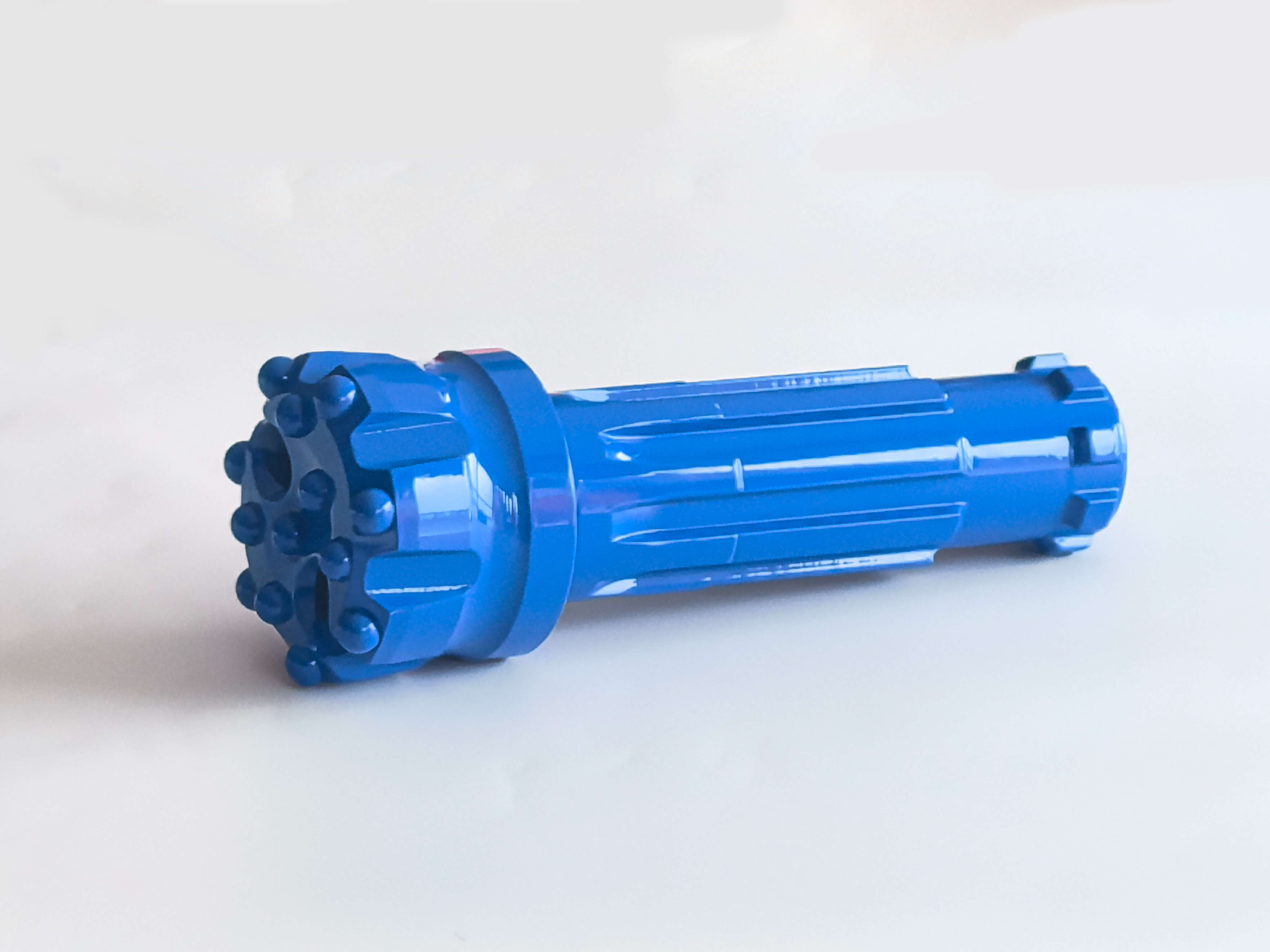
Before placing an order, use the following checklist to make sure the DTH hammer and bit are correctly matched, and the supplier can provide the information you need.
Which DTH Bit Fits My Hammer Model?
Provide your exact hammer model and ask the supplier to confirm the compatible bit diameter and bit shank.
What Bit Shank Do I Need?
Confirm the bit shank before ordering. A correct bit diameter does not guarantee compatibility if the shank is different.
What Bit Diameter Can This Hammer Use?
Ask the supplier for the compatible bit diameter range for your specific hammer model rather than choosing a diameter based only on the nominal hammer size.
Is This Hammer Compatible with My Drilling Rig?
Provide the drilling rig or rock drill model when available, and ask the supplier to confirm whether the DTH hammer can be used with your equipment.
What Operating Pressure Does the Hammer Require?
Confirm the recommended working pressure for the specific hammer model before ordering.
Can You Supply Both DTH Hammers and Bits?
If you regularly purchase both products, check whether the supplier can provide compatible hammers and bits together. This can simplify product matching and future replacement orders.
Can You Provide Drawings or Specifications Before Ordering?
Ask for product drawings, dimensions, specifications, or compatibility information when the application requires precise confirmation.
Can You Recommend a Suitable Bit for My Rock Formation?
Provide basic drilling information such as hammer model, hole diameter, rock formation, hole depth, and working conditions. The supplier should be able to use this information to recommend a suitable bit rather than leaving the selection entirely to the buyer.
How to Request a DTH Hammer or Bit Quote
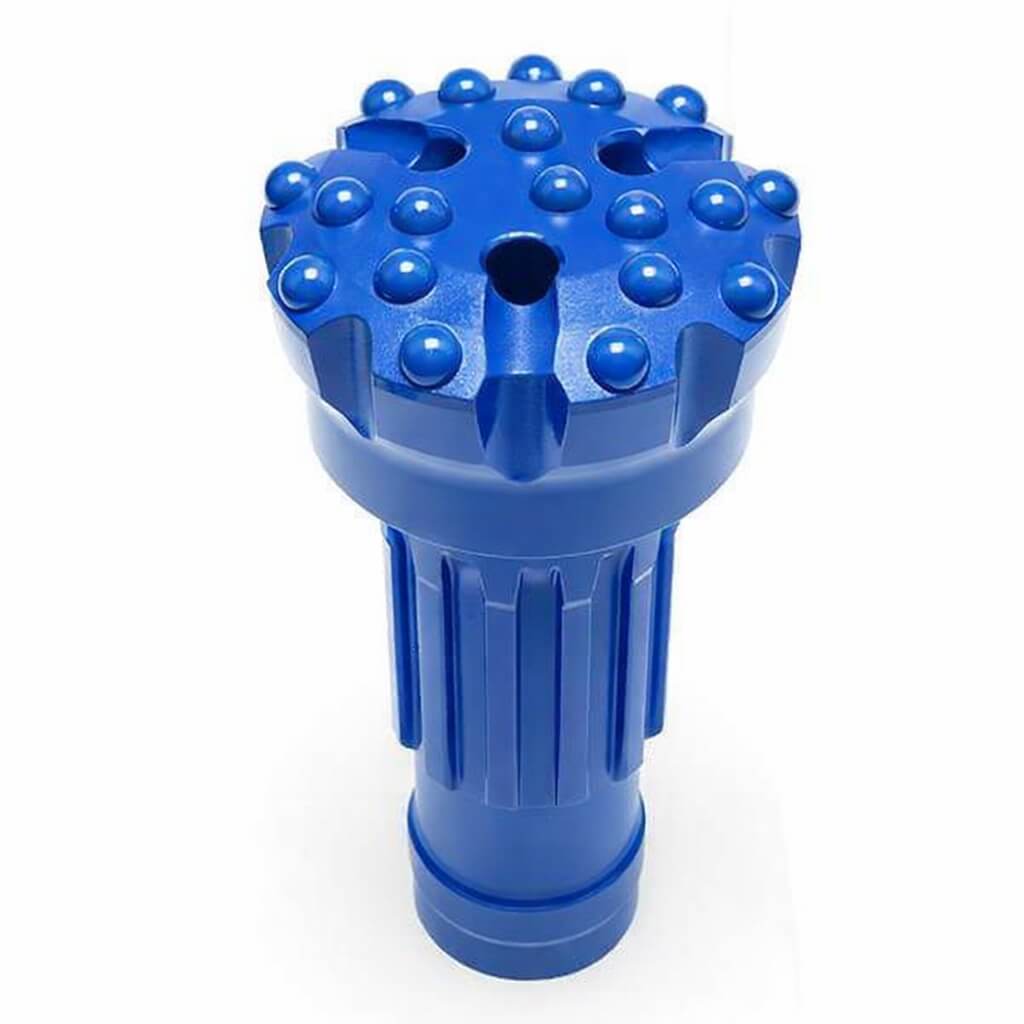
To get an accurate DTH hammer or bit quotation, provide the hammer model, required bit diameter, Bit Shank, quantity, and drilling application. Photos or existing tool markings can also help confirm compatibility.
DTH Hammer Inquiry Checklist
When requesting a quotation for a DTH hammer, provide:
- Hammer model:
- Required hole diameter:
- Drilling application:
- Rock type:
- Air pressure:
- Quantity:
DTH Bit Inquiry Checklist
When requesting a quotation for a DTH bit, provide:
- Hammer model:
- Bit diameter:
- Bit Shank:
- Quantity:
- Rock type:
- Photos of existing bit/hammer:
If the hammer model or Bit Shank is unknown, photos of the existing tool, product markings, or dimensions can help the supplier identify the correct configuration.
Need Help Matching a DTH Hammer or Bit?
Not sure which DTH hammer or bit fits your equipment? Send us your hammer model, required hole diameter, or a photo of your existing tool. We can help confirm the compatible DTH bit and specifications.
DTH Hammer Size and Bit Diameter FAQs
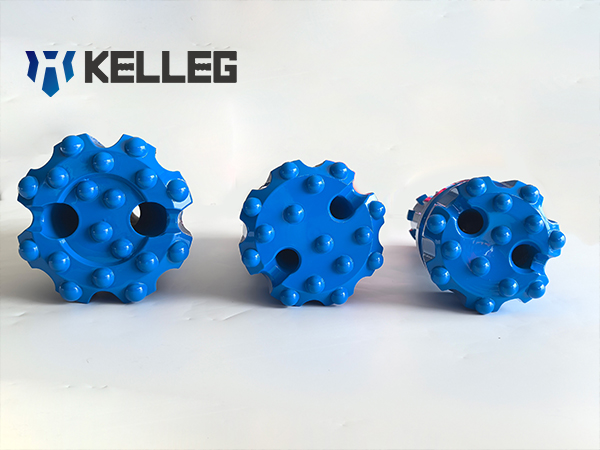
Does DTH Hammer Size Determine Bit Diameter?
No. DTH hammer size does not determine one fixed bit diameter. The compatible bit diameter depends on the specific hammer series and model.
For example, different DTH hammer models may use different bit diameter ranges. Always check the hammer model and compatible bit specifications before ordering.
How Do I Know Which DTH Bit Fits My Hammer?
Start with the DTH hammer model, then confirm the compatible bit diameter.
If the model is unknown, provide the supplier with the required hole diameter, existing bit or hammer photos, product markings, and other available specifications.
What Is a DTH Bit Shank?
A DTH Bit Shank is the connection/interface section of the bit that matches the corresponding DTH hammer. The shank must be compatible with the specific hammer model.
This is why two bits with the same diameter may not be interchangeable between different DTH hammers.
Can One DTH Hammer Use Different Bit Diameters?
Yes. Some DTH hammer models are designed to work with a range of bit diameters. However, the available range is model-specific.
Check the manufacturer's compatible bit specifications rather than assuming that any diameter close to the hammer's nominal size will work.
How Do I Choose a DTH Hammer and Bit Supplier?
Look for a supplier that can provide accurate product specifications, consistent product quality, multiple hammer series and bit sizes, and technical support before ordering.
The supplier should be able to confirm compatibility based on your hammer model, required hole diameter, rock formation, and drilling conditions rather than asking you to select a product from a diameter list alone.