Introduction
As mining, infrastructure, and energy projects continue moving toward larger-scale and deeper drilling operations, the demand for high-performance rock drilling solutions has increased significantly. Traditional small-diameter drilling tools often struggle in large hard rock projects due to limited impact energy, slower penetration rates, frequent tool wear, and poor drilling efficiency. These limitations can lead to higher operational costs, extended project timelines, and increased maintenance downtime.
At the same time, industries such as mining, foundation engineering, water well drilling, and geothermal development are requiring larger diameter boreholes to improve blasting efficiency, support heavy structural foundations, and meet higher production demands. Under these challenging conditions, conventional drilling tools may no longer deliver the productivity and stability needed for modern projects.
Large diameter DTH (Down-the-Hole) drilling tools have become a preferred solution for high-performance rock drilling because they combine powerful bottom-hole impact energy with excellent hole straightness, fast penetration rates, and reliable performance in hard and abrasive rock formations. By optimizing energy transfer directly at the bottom of the hole, large diameter DTH hammers and bits help contractors achieve higher drilling efficiency, lower cost per meter, and improved overall project productivity.
What Are Large Diameter DTH Drilling Tools?
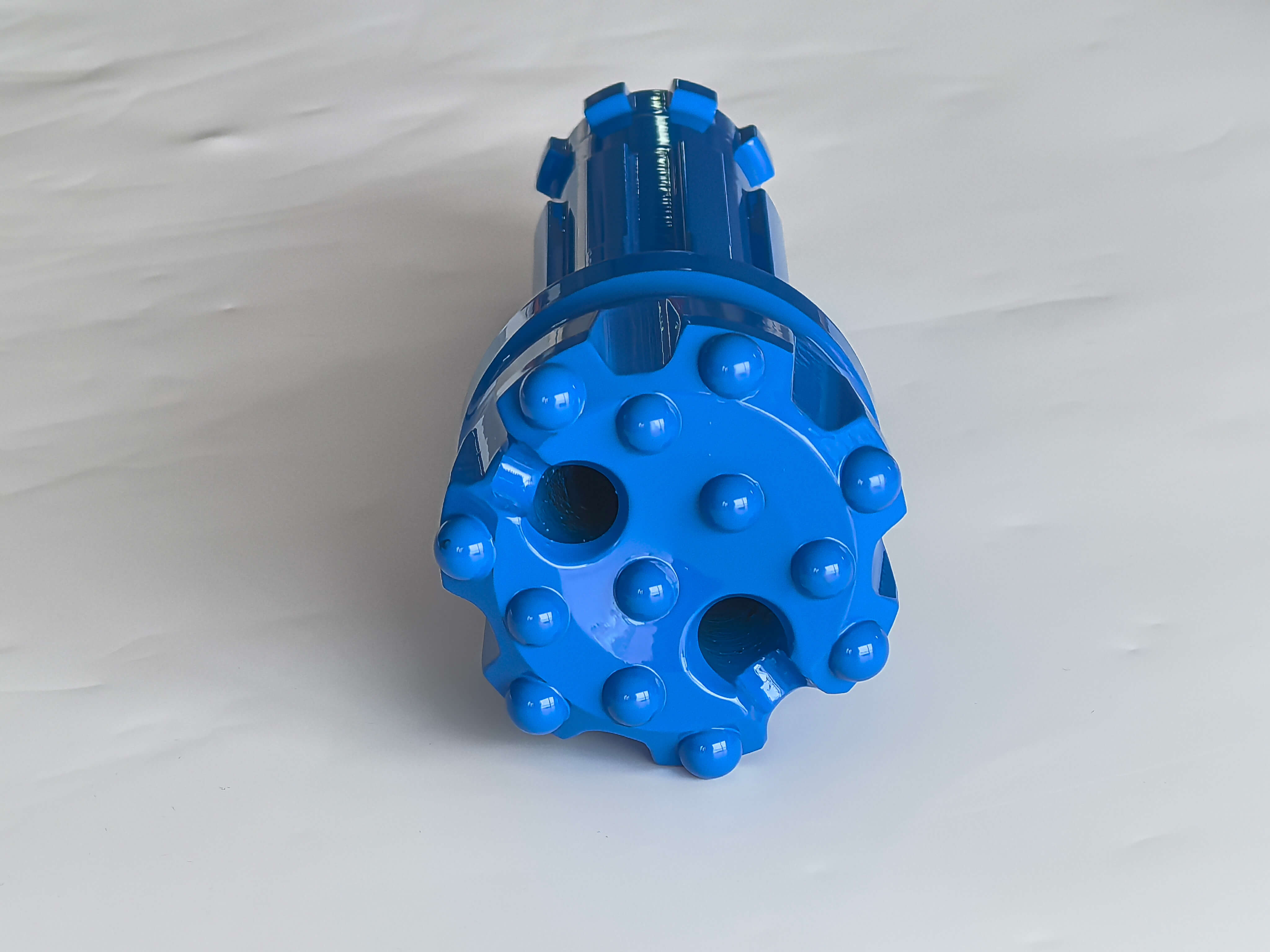
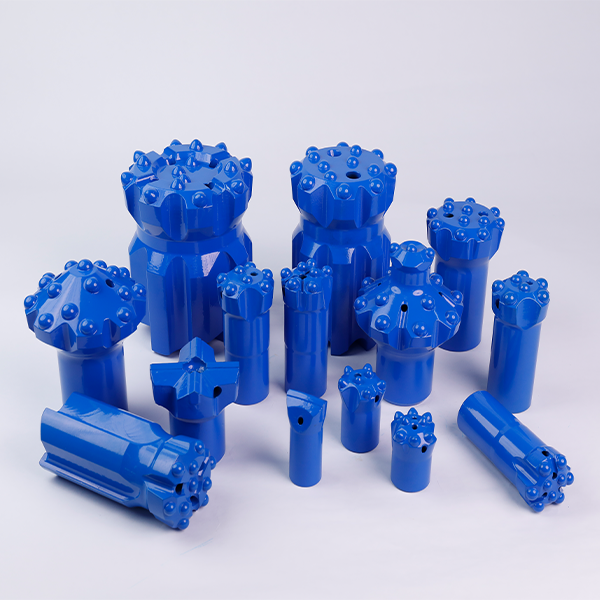
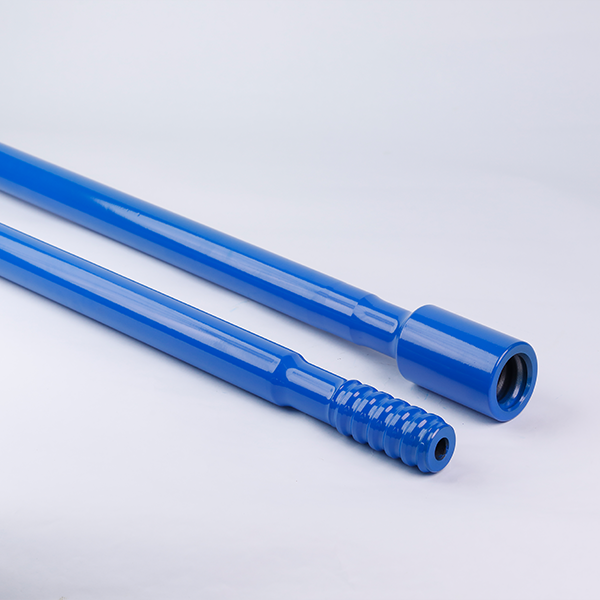
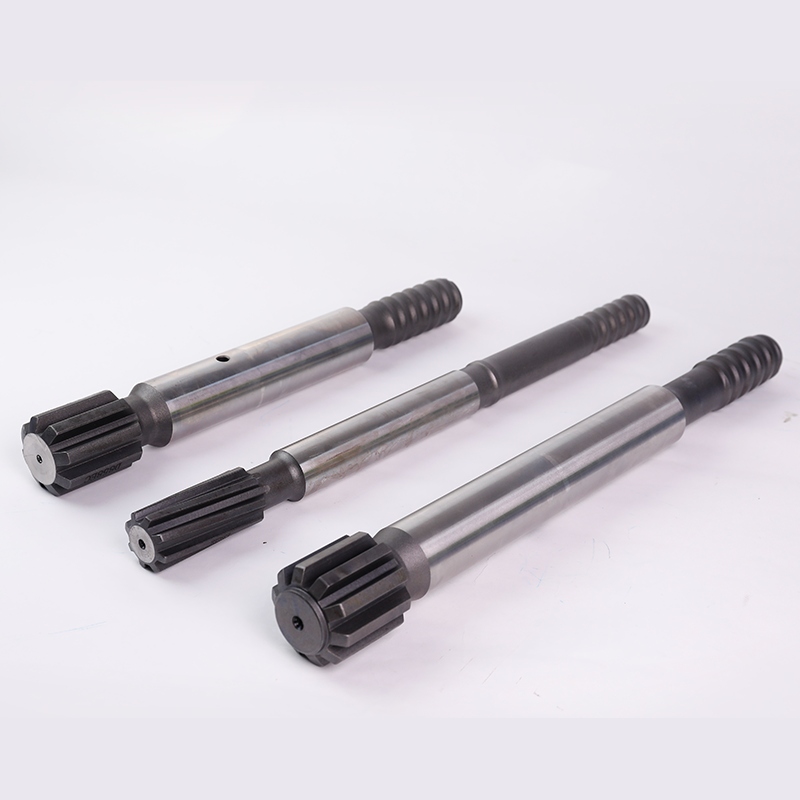
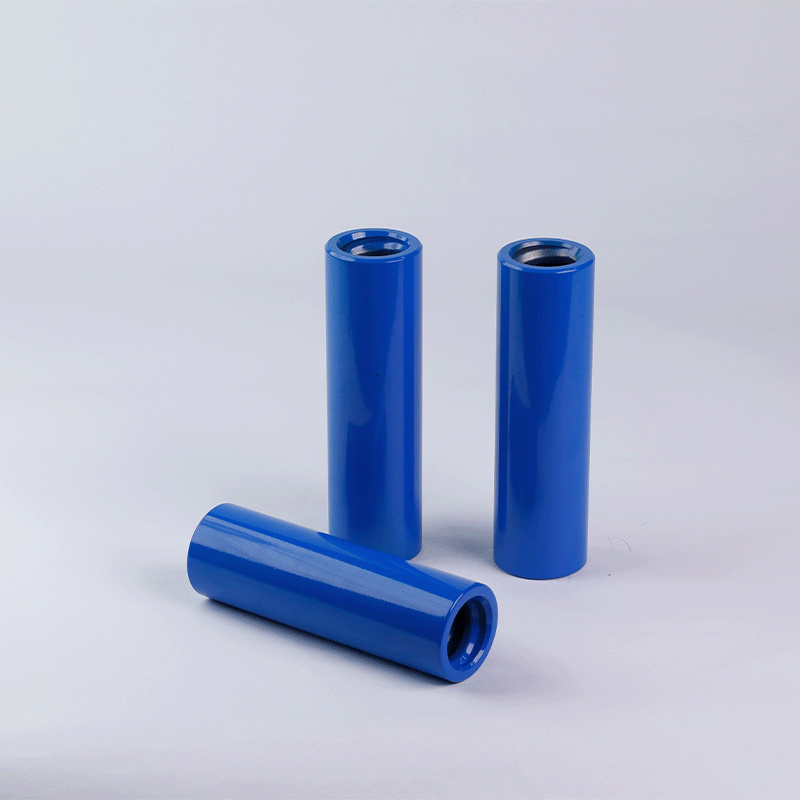
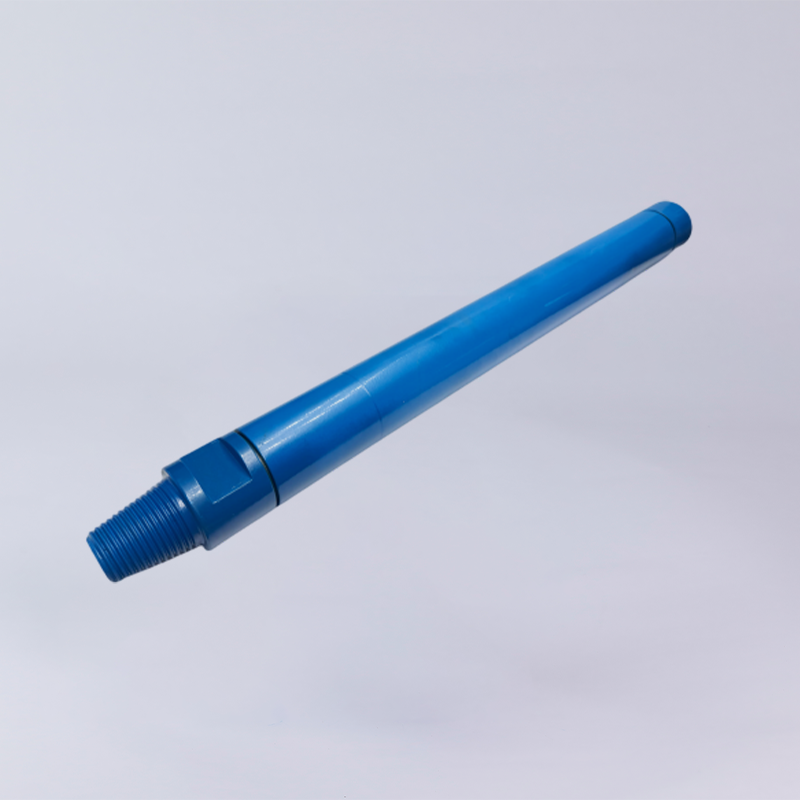
Down-the-Hole (DTH) drilling tools are percussion drilling tools designed to deliver high-impact energy directly to the bottom of the borehole. A typical DTH drilling tool consists mainly of a DTH hammer, drill bit, and drill pipes. Unlike top hammer drilling tools, where impact energy is transferred through long drill rods, DTH drilling generates percussion directly above the drill bit, minimizing energy loss and improving drilling efficiency in hard rock formations.
In drilling applications, “large diameter” DTH drilling tools generally refer to tools designed for larger borehole sizes commonly used in mining, water well drilling, foundation engineering, geothermal projects, and quarry blasting. These tools are engineered to handle higher drilling loads, greater air consumption, and increased rock fragmentation requirements compared to standard DTH drilling tools.
Large diameter DTH drilling tools are specifically developed to maintain drilling stability and penetration efficiency under demanding operating conditions such as deep holes, hard rock formations, and high-pressure drilling environments.
Working Principle and Design Features of Large-Diameter DTH Tools
Large diameter DTH drilling tools operate by using compressed air to drive an internal piston inside the hammer. The piston continuously strikes the drill bit, generating high-frequency impact energy that crushes the rock at the bottom of the hole. At the same time, the drill rod rotates, allowing the carbide buttons on the bit to fracture and remove rock efficiently. Compressed air also serves as the flushing medium, carrying rock cuttings out of the borehole.
Compared with standard diameter DTH tools, large diameter tools are designed with several enhanced structural and performance features:
- Larger impact surface area for stronger rock-breaking capability
- Reinforced hammer structure to withstand higher drilling loads
- Optimized airflow channels for improved energy transfer efficiency
- Stronger bit body and carbide protection for abrasive formations
- Enhanced flushing capacity for efficient debris evacuation in large boreholes
- Improved stability to reduce hole deviation during deep drilling
These design improvements allow large diameter DTH tools to maintain high penetration rates and stable performance under high air pressure and high torque operating conditions.
Key Differences Between Large Diameter and Standard DTH Tools
Large diameter DTH drilling tools are not simply scaled-up versions of standard DTH tools. Their internal structure, airflow design, impact system, and material strength are specifically optimized for larger and more demanding drilling applications.
Comparison Table: Large Diameter vs Standard Diameter DTH Tools
| Parameter | Standard Diameter DTH Tools | Large Diameter DTH Tools |
|---|---|---|
| Typical Hole Diameter | Smaller boreholes | Large boreholes for heavy-duty drilling |
| Impact Energy | Moderate | Much higher impact force |
| Hammer Structure | Standard-duty design | Reinforced heavy-duty structure |
| Air Consumption | Lower | Higher airflow requirement |
| Operating Air Pressure | Medium pressure | High-pressure optimized |
| Torque Capacity | Standard torque | High torque resistance |
| Energy Transfer Efficiency | Suitable for shallow/medium depth | Optimized for deep-hole drilling |
| Hole Straightness | Good | Improved stability in large deep holes |
| Bit Design | Standard carbide layout | Enhanced button protection and flushing |
| Main Applications | General drilling | Mining, foundation, geothermal, large-scale blasting |
By combining stronger structural integrity, higher impact power, and optimized airflow efficiency, large-diameter DTH drilling tools play a critical role in improving productivity and reducing drilling costs in high-performance rock drilling operations.
How Large Diameter DTH Drilling Tools Improve Drilling Performance
Large diameter DTH drilling tools are designed for demanding drilling applications that require both high productivity and reliable hole quality. Depending on the project requirements, these tools can drill boreholes ranging from approximately 10 inches to 60 inches or even larger. Such large-diameter capabilities are widely used in mining, foundation piling, water wells, geothermal drilling, and large-scale infrastructure projects where conventional drilling methods may struggle to maintain efficiency.
The combination of high-impact energy, optimized airflow, and robust structural design allows large-diameter DTH tools to deliver superior drilling performance, especially in hard and abrasive rock formations.
Higher Penetration Rate in Hard Rock
One of the biggest advantages of large-diameter DTH drilling tools is their ability to achieve fast penetration rates in hard rock conditions.
Unlike top hammer drilling tools, where impact energy gradually decreases as it travels through the drill string, DTH drilling tools generate percussion energy directly above the drill bit. This bottom-hole impact mechanism allows energy to be transferred more efficiently to the rock face with minimal loss.
Key benefits include:
- Stronger rock-breaking capability in hard formations
- More efficient crushing of dense and abrasive rock
- Stable drilling speed at greater depths
- Reduced energy loss compared with surface-impact drilling tools
As a result, large-diameter DTH drilling tools can maintain high drilling efficiency even in challenging geological conditions.
Improved Hole Straightness and Stability
Maintaining accurate hole alignment becomes increasingly important in large-diameter and deep-hole drilling applications. Hole deviation can negatively affect blasting results, foundation quality, and overall project accuracy.
Large diameter DTH drilling tools improve hole straightness because the hammer operates directly at the bottom of the hole, reducing vibration transfer and minimizing deflection along the drill rod.
Additional stability advantages include:
- Better guidance during deep-hole drilling
- Reduced hole deviation in fractured rock formations
- Improved borehole consistency
- Enhanced drilling control under high torque conditions
This stability is particularly valuable in mining blast hole drilling and foundation engineering projects, where drilling precision is critical.
Better Energy Efficiency
Large diameter DTH drilling tools are highly efficient because they rely on compressed air to drive the hammer mechanism directly at the drilling face.
Compared with rotary-only or top hammer drilling methods, DTH drilling reduces unnecessary mechanical energy losses caused by long-distance energy transmission and excessive friction.
Key energy-efficiency advantages include:
- Direct transfer of impact energy to the rock
- Reduced mechanical friction losses
- Efficient use of compressed air under high-pressure conditions
- Stable performance during continuous drilling operations
Optimized airflow design also improves cuttings evacuation, helping maintain drilling efficiency and prevent regrinding of rock debris at the bottom of the hole.
Enhanced Productivity in Large Boreholes
Drilling large boreholes requires equipment capable of maintaining consistent performance under heavy workloads. Large diameter DTH drilling tools are specifically engineered to increase overall drilling productivity in these applications.
Their high-impact power and reinforced structural design contribute to:
- Faster drilling cycles
- Higher penetration efficiency in large holes
- Reduced interruptions during drilling operations
- Fewer tool replacements and maintenance stops
- Improved operational consistency in deep drilling projects
For contractors and drilling operators, this means higher daily production output and improved project completion efficiency.
Lower Cost per Meter
Although large diameter DTH drilling tools may involve higher initial equipment investment, they often deliver lower total drilling costs over the life of the project.
Improved drilling efficiency directly reduces operational expenses by minimizing non-productive time and extending tool service life under optimized conditions.
Major cost-saving factors include:
- Reduced downtime during drilling operations
- Lower maintenance frequency
- Longer hammer and bit lifespan
- Reduced fuel and labor costs through faster drilling
- Improved productivity per drilling cycle
By increasing penetration rates while reducing wear-related interruptions, large-diameter DTH drilling tools help achieve a lower overall cost per meter in large-scale rock drilling projects.
Key Applications of Large Diameter DTH Drilling
Large diameter DTH drilling tools are widely used in industries that require deep, stable, and high-precision boreholes in challenging rock formations. Thanks to their powerful impact energy, excellent hole straightness, and high drilling efficiency, large diameter DTH tools have become essential tools in many large-scale engineering and resource development projects.
Piling and Foundation Drilling
Large diameter DTH drilling tools are extensively used in piling and foundation engineering to create deep and stable boreholes for major infrastructure projects such as skyscrapers, bridges, highways, ports, and wind turbine foundations.
In hard rock formations, maintaining accurate borehole alignment is critical for structural stability and long-term safety. Large diameter DTH drilling tools provide strong bottom-hole impact energy and excellent drilling stability, allowing contractors to achieve straighter and more precise holes compared to many conventional drilling methods.
Key advantages in foundation drilling include:
- High drilling accuracy in hard rock conditions
- Improved hole straightness for structural integrity
- Stable performance in deep foundation applications
- Reduced risk of borehole deviation
- Efficient penetration in complex geological formations
These capabilities make large diameter DTH drilling tools particularly suitable for projects where foundation quality directly affects the safety and durability of the structure.
Mining and Quarrying
In mining and quarrying operations, large diameter DTH drilling tools are primarily used for drilling blast holes in open-pit mines and aggregate extraction sites.
Large blast holes require high penetration rates and reliable drilling performance to maintain production efficiency. Large diameter DTH drilling tools can deliver powerful impact energy directly to the rock face, enabling faster drilling and more effective rock fragmentation.
Benefits in mining applications include:
- High penetration rates in hard and abrasive rock
- Reduced drilling time and operational costs
- Improved blast hole quality and consistency
- Enhanced fragmentation efficiency during blasting
- Lower downtime through durable hammer and bit design
By improving drilling productivity and blasting performance, large diameter DTH tools help mining operators increase production efficiency while reducing overall drilling costs.
Geothermal Drilling
Large diameter DTH drilling tools play an important role in geothermal energy projects, where deep wells must be drilled to access underground geothermal reservoirs.
Geothermal drilling environments often involve high temperatures, hard rock formations, and challenging geological conditions. Large diameter DTH tools are designed to withstand these demanding environments while maintaining drilling efficiency at significant depths.
Their advantages in geothermal drilling include:
- Reliable drilling performance in hard rock formations
- Capability to handle deep-hole drilling requirements
- Efficient debris evacuation at greater depths
- Stable operation under high-pressure conditions
- Improved drilling speed for large geothermal wells
As the global demand for renewable energy continues to grow, the large-diameter DTH drilling tool is becoming increasingly important for supporting sustainable geothermal development projects.
Water Well Drilling
Large diameter DTH drilling tools are also widely used in water well drilling, especially in regions with hard rock geology where conventional drilling methods may struggle to maintain efficiency.
The ability to drill deep, straight, and stable boreholes makes large diameter DTH drilling tools ideal for accessing underground aquifers used for agricultural, industrial, and municipal water supplies.
Key advantages in water well drilling include:
- Efficient drilling through hard and fractured rock
- Improved borehole straightness and stability
- Capability to drill large-diameter wells for higher water yield
- Faster penetration rates in deep wells
- Reliable long-term well construction quality
These benefits help ensure dependable groundwater access while reducing drilling time and operational challenges in difficult geological environments.
Performance Factors That Influence Drilling Efficiency
The drilling performance of large diameter DTH drilling tools depends not only on the quality of the hammer and bit, but also on multiple operational and geological factors. Proper system matching and optimized operating conditions are essential for achieving high penetration rates, stable drilling performance, and longer tool life.
Understanding these key performance factors can help drilling contractors improve productivity, reduce downtime, and lower overall drilling costs.
Air Compressor Pressure and Volume
Compressed air is the primary power source for DTH drilling tools. Both air pressure and airflow volume directly affect hammer performance, drilling speed, and cuttings evacuation efficiency.
High-pressure air increases piston impact energy, allowing the hammer to generate stronger blows at the bottom of the hole. At the same time, sufficient air volume is necessary to remove rock cuttings efficiently and prevent hole blockage.
If air supply is insufficient, drilling performance may decline significantly, resulting in:
- Reduced penetration rate
- Weak hammer impact force
- Poor debris evacuation
- Increased tool wear
- Higher risk of hammer failure
Large diameter DTH drilling typically requires higher air consumption than standard drilling systems because of the larger borehole size and increased flushing demand.
Rock Hardness and Abrasiveness
Rock formation characteristics have a major influence on drilling efficiency and tool lifespan.
Hard rock formations require higher impact energy to achieve effective rock fragmentation, while abrasive formations accelerate wear on carbide buttons, hammer components, and drill bits.
Different geological conditions may affect:
- Penetration speed
- Bit wear rate
- Hammer service life
- Hole stability
- Air flushing efficiency
Selecting the correct hammer configuration and carbide grade based on rock conditions is critical for maintaining efficient drilling performance.
Bit Design Selection
The design of the DTH bit plays a key role in drilling efficiency, hole quality, and tool durability.
Important design factors include:
- Button shape and arrangement
- Carbide grade
- Bit face design
- Flushing hole configuration
- Gauge protection structure
For example:
- Concave face bits often provide better hole straightness
- Flat face bits are suitable for hard and abrasive rock
- Drop center designs improve drilling stability in fractured formations
An optimized bit design helps maximize energy transfer, improve rock-breaking efficiency, and reduce unnecessary wear during drilling operations.
Hammer-Bit Compatibility
Efficient drilling requires proper compatibility between the hammer and the drill bit.
If the hammer and bit are not correctly matched, problems such as poor energy transfer, excessive vibration, unstable drilling, and accelerated wear may occur.
Proper hammer-bit matching ensures:
- Stable impact transmission
- Balanced rotational performance
- Improved penetration efficiency
- Reduced stress on tool components
- Longer service life
Hole Diameter and Depth Ratio
As borehole diameter and drilling depth increase, drilling difficulty also rises. Larger and deeper holes require greater stability, stronger flushing capacity, and more efficient energy delivery.
Challenges associated with large diameter deep-hole drilling include:
- Increased hole deviation risk
- Higher air pressure demand
- Reduced cutting removal efficiency
- Greater mechanical stress on drilling tools
Proper tool selection and drilling parameter optimization become increasingly important as the hole depth-to-diameter ratio increases.
Operator Technique and Maintenance
Even with advanced drilling equipment, operator experience and maintenance practices remain critical to drilling efficiency.
Incorrect drilling operation can lead to:
- Premature bit wear
- Hammer damage
- Reduced drilling speed
- Poor hole quality
- Increased downtime
Best practices for improving operational efficiency include:
- Maintaining stable drilling pressure and rotation speed
- Monitoring air supply performance
- Performing regular lubrication
- Inspecting hammer and bit wear conditions
- Replacing worn components before failure occurs
Well-trained operators and proper maintenance programs can significantly extend tool life and improve overall drilling productivity.
Large Diameter DTH Drilling Tool Selection Guide
Selecting the right large-diameter DTH drilling tools is essential for achieving high drilling efficiency, stable borehole quality, and long service life. Because large-diameter drilling often involves complex geological conditions, deep holes, and high air consumption, proper tool matching should be based on rock conditions, hole diameter, air system capacity, shank compatibility, and flushing performance.
Based on Rock Conditions
Rock formation is one of the most important factors when selecting large-diameter DTH drilling tools. Different rock conditions require different hammer configurations, bit face designs, and carbide button structures to achieve optimal drilling performance.
Soft Rock Formations
For softer formations, drilling efficiency is usually improved by using:
- Faster penetration-focused bit designs
- Larger flushing channels
- Lower-aggressiveness carbide layouts
The goal is to maximize drilling speed while preventing unnecessary energy loss.
Medium-Hard Rock Formations
Medium-hard formations require balanced drilling performance, including:
- Stable penetration rate
- Good hole straightness
- Moderate wear resistance
Concave or semi-ballistic button designs are commonly used in these conditions.
Hard and Abrasive Rock Formations
Hard rock drilling demands:
- High-impact energy hammers
- Reinforced bit bodies
- Wear-resistant carbide buttons
Flat-face designs are often preferred for maintaining durability under extreme impact loads.
Fractured or Broken Rock Formations
In fractured formations, drilling stability and hole deviation control become critical.
Recommended features include:
- Concave face bits for better guidance
- Enhanced flushing capability
- Stable hammer operation under variable rock conditions
Proper selection helps reduce hole collapse risks and improves borehole consistency.
Hole Diameter Requirements
Large diameter DTH drilling tools must be selected according to the required borehole size and drilling depth.
Typical large diameter drilling applications may range from approximately:
- 10 inches (254 mm)
- Up to 60 inches (1524 mm) or larger
As hole diameter increases:
- Air consumption rises significantly
- Impact energy requirements increase
- Hole cleaning becomes more difficult
- Structural strength requirements become higher
When selecting tools, contractors should consider:
- Target hole diameter
- Final hole depth
- Geological conditions
- Required drilling accuracy
- Available drilling rig capacity
Using undersized hammers for oversized holes may reduce penetration efficiency and negatively affect hole straightness.
Air Pressure Matching
Large diameter DTH drilling tools require sufficient air pressure and airflow volume to maintain stable hammer performance and efficient cuttings evacuation.
Air system matching should consider:
- Hammer operating pressure range
- Required airflow (CFM or m³/min)
- Borehole diameter
- Drilling depth
- Rock formation characteristics
High-pressure DTH drilling tools are commonly used in large diameter drilling because they provide:
- Higher piston impact energy
- Faster penetration rates
- Improved deep-hole cleaning performance
- Better drilling stability
Insufficient air supply can lead to:
- Reduced drilling speed
- Weak hammer impact
- Poor flushing efficiency
- Increased tool wear and failure risk
Proper compressor selection is therefore critical for maximizing drilling productivity.
Shank Series Selection
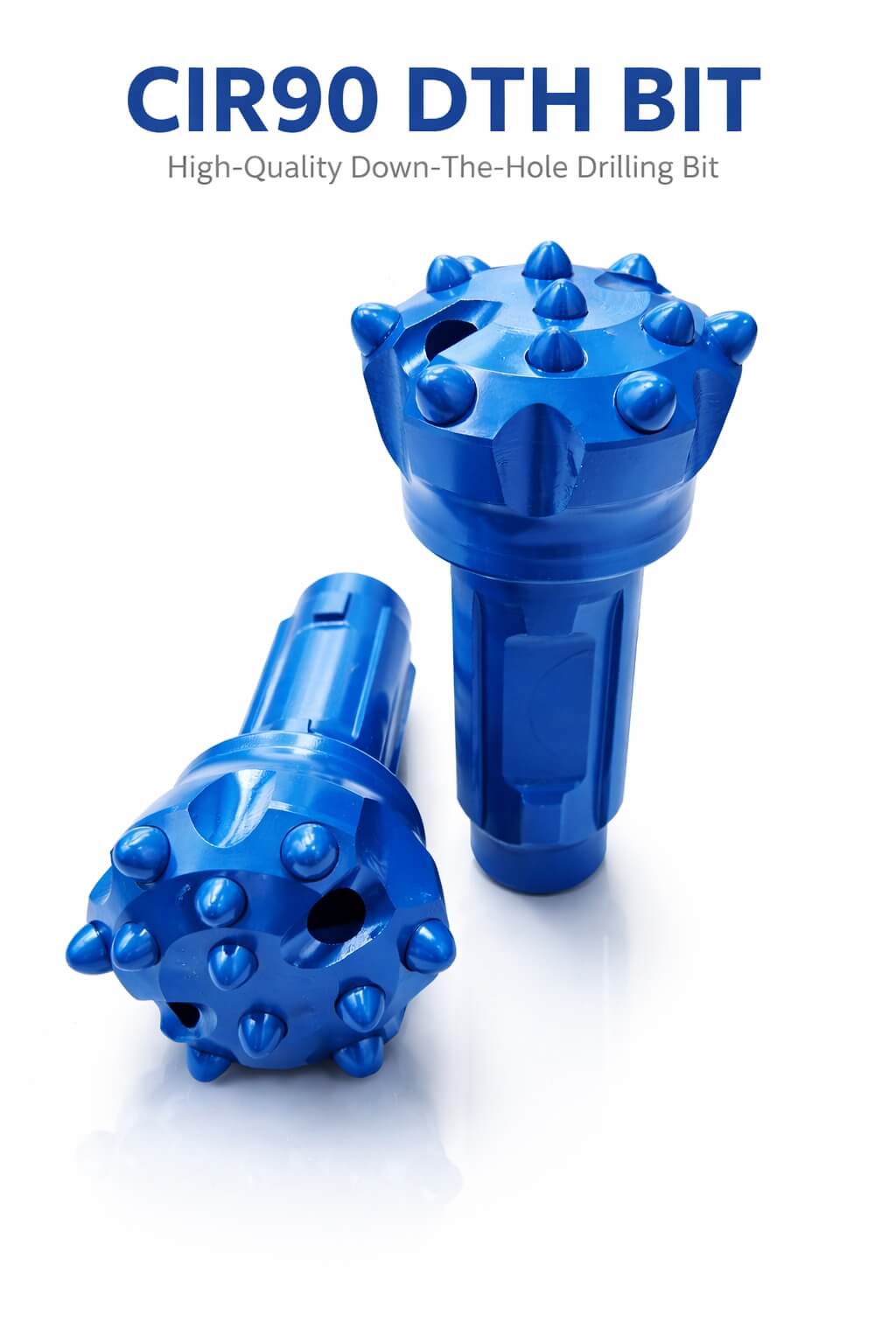
The shank structure determines the connection compatibility between the hammer and bit, and directly affects impact energy transfer and drilling stability.
Several shank series are commonly used in large diameter DTH drilling applications, each designed for different operating conditions and drilling requirements.
DHD Series
- Widely used in mining and blast hole drilling
- Good reliability under high-pressure conditions
- Suitable for medium to large diameter applications
QL Series
- Known for efficient energy transfer
- Stable drilling performance in hard rock
- Commonly used in quarrying and infrastructure projects
NUMA Series
- Designed for heavy-duty, large-diameter drilling
- Excellent durability in deep-hole operations
- Suitable for high air pressure and high-impact drilling environments
SD Series
- Often used in large hole and water well drilling
- Good flushing performance
- Strong adaptability in complex geological formations
Selecting the correct shank series helps improve:
- Hammer-bit compatibility
- Impact efficiency
- Tool lifespan
- Borehole stability
Flushing and Cuttings Removal Design
Efficient cuttings evacuation is especially important in large-diameter DTH drilling because larger boreholes generate significantly more rock debris.
Poor flushing performance may cause:
- Regrinding of rock cuttings
- Reduced penetration rate
- Increased bit wear
- Hole blockage
- Hammer overheating
To improve flushing efficiency, large diameter DTH tools are often designed with:
- Enlarged flushing holes
- Optimized airflow channels
- High-capacity air circulation systems
- Improved bit face cleaning structures
Proper flushing design helps maintain stable drilling performance, especially in:
- Deep-hole drilling
- Fractured formations
- High water-content environments
- Large-diameter blast hole applications
An optimized flushing system not only improves drilling speed but also extends hammer and bit service life.
Common Challenges in Large Diameter DTH Drilling and Solutions
Although large diameter DTH drilling tools offer excellent performance in hard rock and deep-hole applications, drilling operations may still face various technical challenges under demanding working conditions. Factors such as incorrect parameter settings, unsuitable tool selection, poor air supply, and inadequate maintenance can significantly reduce drilling efficiency and shorten tool lifespan.
Understanding the common problems in large diameter DTH drilling tools — and how to solve them — is essential for maintaining stable operation and reducing overall drilling costs.
Excessive Bit Wear
Premature bit wear is one of the most common issues in large diameter DTH drilling, especially in hard and abrasive rock formations.
Common causes include:
- Highly abrasive geological conditions
- Incorrect carbide button selection
- Insufficient flushing performance
- Excessive drilling pressure
- Improper rotation speed
Excessive wear can reduce penetration rate, increase drilling costs, and negatively affect borehole quality.
Recommended Solutions
To improve bit durability and extend service life:
- Upgrade to higher wear-resistant carbide grades
- Optimize drilling parameters based on rock conditions
- Improve air flushing efficiency to reduce regrinding
- Select bit face designs suitable for the formation
Proper carbide and bit design selection can significantly improve drilling performance in demanding rock formations.
Low Penetration Rate
A reduced penetration rate is often related to insufficient hammer performance or improper operating conditions.
One of the most common causes is air pressure mismatch. Large diameter DTH drilling ools require high-pressure air supply to maintain strong bottom-hole impact energy.
Other contributing factors may include:
- Inadequate airflow volume
- Worn hammer components
- Incorrect bit selection
- Poor rock cuttings removal
- Excessive hole depth without sufficient air compensation
Recommended Solutions
To improve drilling speed:
- Ensure compressor pressure and airflow meet hammer requirements
- Match hammer size with borehole diameter
- Replace worn hammer and bit components
- Optimize rotation speed and feed pressure
- Improve flushing performance for better debris removal
Maintaining proper air system performance is critical for maximizing drilling efficiency.
Hole Deviation
Hole deviation becomes more serious in deep-hole and large-diameter drilling applications, particularly in fractured or uneven rock formations.
Excessive deviation can affect:
- Blasting accuracy
- Foundation stability
- Borehole quality
- Overall project safety
Common causes include:
- Poor bit stability
- Inconsistent rock formations
- Improper drilling control
- Insufficient drill string rigidity
Recommended Solutions
To improve hole straightness:
- Use stabilizing bit face designs, such as concave face bits
- Select drill rods with better rigidity
- Maintain stable rotation and feed pressure
- Optimize drilling parameters according to formation conditions
- Use high-quality guide function for deep-hole drilling
DTH hammer Failure
DTH hammer failure can result in expensive downtime and major productivity losses. In many cases, hammer problems are related to poor lubrication practices or contaminated compressed air.
Common failure causes include:
- Insufficient lubrication
- Water or dust contamination in air supply
- Excessive operating pressure
- Internal component wear
- Poor maintenance practices
DTH hammer damage may lead to:
- Reduced impact power
- Irregular hammer operation
- Air leakage
- Complete drilling stoppage
Recommended Solutions
To reduce DTH hammer failure risks:
- Maintain continuous and proper lubrication
- Use clean, dry compressed air
- Regularly inspect internal hammer components
- Replace worn seals and moving parts promptly
- Follow manufacturer-recommended operating pressure ranges
Preventive maintenance plays a critical role in extending hammer service life.
Poor Cuttings Evacuation
Efficient removal of rock cuttings is especially important in large diameter DTH drilling because larger holes generate significantly more debris during operation.
Poor flushing performance may cause:
- Regrinding of rock fragments
- Reduced penetration rate
- Increased bit wear
- Hole blockage
- DTH hammer overheating
This issue becomes more severe in deep holes and fractured formations.
Recommended Solutions
Flushing optimization can greatly improve drilling stability and productivity by:
- Increasing airflow volume
- Using optimized flushing hole designs
- Selecting bits with larger flushing channels
- Maintaining sufficient air velocity in deep holes
- Adjusting drilling parameters to improve debris removal
An efficient flushing system helps maintain consistent drilling performance while protecting both the hammer and drill bit from unnecessary wear.
Conclusion
Large diameter DTH drilling tools have become an essential solution for modern high-performance rock drilling applications. By delivering powerful bottom-hole impact energy directly to the rock face, these systems significantly improve drilling efficiency, penetration rate, hole straightness, and operational stability in demanding geological conditions.
Compared with conventional drilling methods, large diameter DTH tools offer major advantages in hard rock drilling, deep-hole applications, and large borehole projects through better energy transfer efficiency, stronger structural durability, and more effective cuttings evacuation. Their ability to maintain stable performance under high air pressure and heavy drilling loads makes them widely used in mining, foundation engineering, geothermal drilling, and water well construction.
However, drilling performance depends on more than simply choosing a larger hammer or bit size. Proper matching between rock conditions, borehole diameter, air compressor capacity, shank series, flushing design, and drilling parameters is critical for achieving optimal results. A well-balanced drilling tools not only improves productivity but also reduces premature wear, downtime, and operational costs.
With the right tool selection and proper maintenance practices, large diameter DTH drilling tools can help contractors achieve faster drilling speeds, longer tool service life, and lower cost per meter — ultimately delivering greater efficiency and profitability in large-scale rock drilling projects.