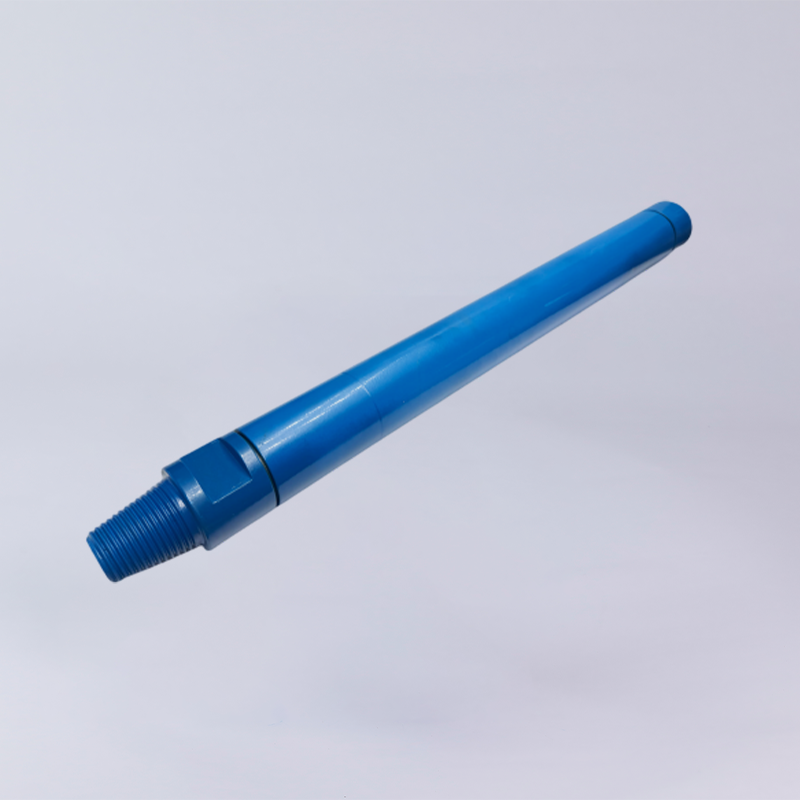
Introduction
Drilling plays a critical role in modern mining, quarrying, and construction projects. It is the foundation of many essential operations, including mineral exploration, blast-hole creation, water well development, and infrastructure construction. The efficiency, accuracy, and cost of a project often depend heavily on selecting the right drilling method for the specific ground conditions.
Among the various drilling technologies available today, two of the most widely used methods are Down-the-Hole (DTH) drilling and Reverse Circulation (RC) drilling. Each method is designed with a different working principle and serves distinct operational purposes. DTH drilling is commonly recognized for its strong performance in hard rock and production drilling applications, while RC drilling is widely used in mineral exploration where high-quality and uncontaminated samples are required.
This article aims to clearly explain the differences between DTH and RC drilling, focusing on their working principles, applications, advantages, and limitations. By the end, readers will have a practical understanding of both systems and be better equipped to choose the most suitable method based on specific geological conditions and project requirements.
What is DTH Drilling?
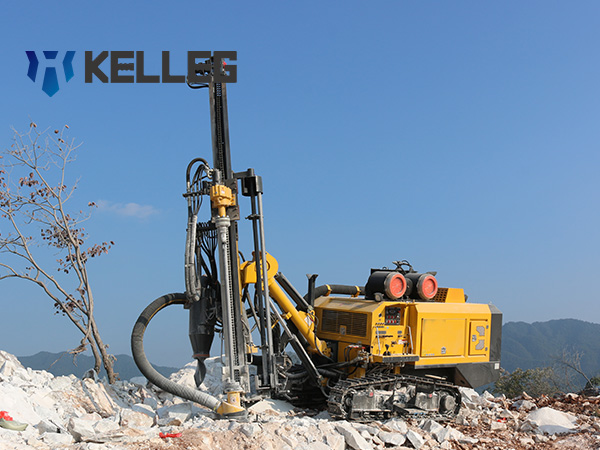
Down-the-Hole (DTH) drilling is a widely used percussion drilling method designed primarily for efficient penetration in hard and abrasive rock formations. It is called “Down-the-Hole” because the hammer mechanism is located directly behind the drill bit at the bottom of the drill string, rather than at the surface. This design allows energy to be delivered more directly to the rock, resulting in higher drilling efficiency and reduced energy loss.
Basic Definition
Down-the-Hole (DTH) drilling is a rock drilling technique where a pneumatic hammer is placed at the bottom of the drill rod, just above the drill bit. The hammer delivers rapid percussive blows directly onto the bit, while the drill rod provides rotation and stabilization.
Unlike top hammer drilling, DTH drilling minimizes energy loss over long drill rod lengths, making it highly effective for deeper holes and hard rock formations.
How DTH Drilling Works
The working principle of DTH drilling is based on a combination of compressed air power, percussion impact, and rotation:
- Compressed air drives the DTH hammer: High-pressure air from a compressor powers the piston inside the DTH hammer.
- Percussion + rotation mechanism: The hammer delivers fast, repetitive impacts to the drill bit while the drill string rotates the bit to ensure even rock breakage.
- Cuttings removal through annulus: Broken rock fragments (cuttings) are flushed upward through the space between the drill pipe and borehole wall (annular space), continuously clearing the hole during drilling.
This combination allows for fast penetration rates, especially in medium to hard rock conditions.
Key Components of DTH Drilling Tools
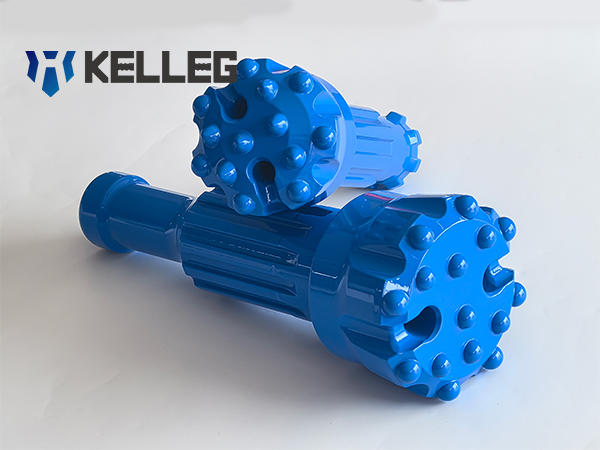
A typical DTH drilling tool consists of the following main components:
- DTH hammer: The downhole impact device that generates percussive force
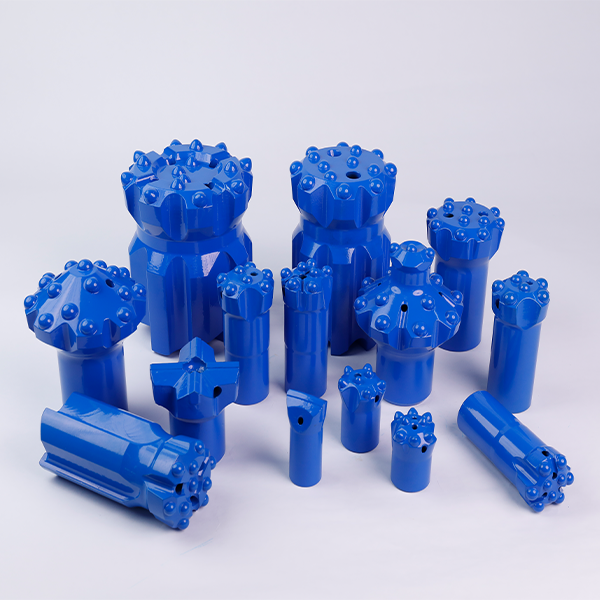
- Drill bit: The cutting tool that directly contacts and breaks the rock
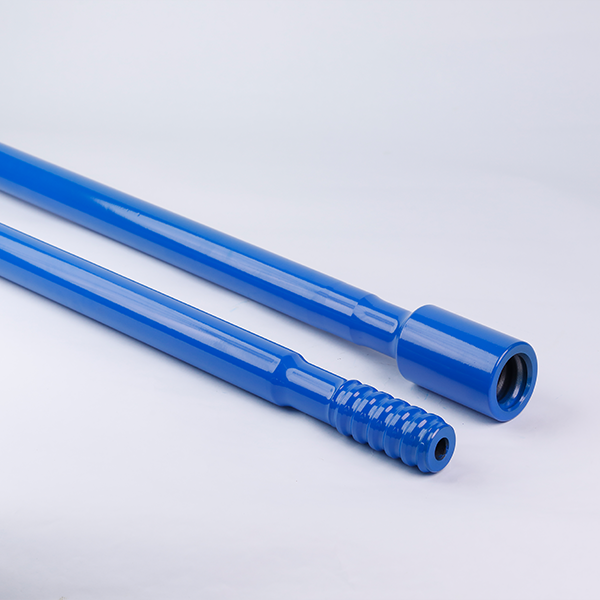
- Drill pipes: Steel rods that transmit rotation, torque, and air flow to the hammer
- Air compressor: Provides high-pressure air to operate the hammer and remove cuttings
Each component works together as an integrated system to ensure efficient and stable drilling performance.
Main Applications of DTH Drilling
DTH drilling is widely used across multiple industries due to its reliability and efficiency in hard rock conditions:
- Hard rock drilling: Excellent performance in granite, basalt, and other abrasive formations
- Water well drilling: Used for deep and stable boreholes in groundwater extraction
- Foundation engineering: Suitable for pile foundations and anchor holes in construction projects
- Mining blast holes: Commonly used in open-pit mining for explosive charging holes
Because of its strong penetration capability and relatively simple operation, DTH drilling remains one of the most cost-effective solutions for production drilling in hard rock environments.
What is RC Drilling?
Reverse Circulation (RC) drilling is a highly efficient percussion drilling method widely used in mineral exploration and mining operations. It is specifically designed to deliver fast drilling rates while producing high-quality, uncontaminated rock samples for geological analysis. Unlike conventional drilling methods, RC drilling uses a dual-wall drill pipe system that enables cuttings to be transported directly from the drill face to the surface through an internal return tube.
RC drilling is particularly valued in the mining industry because it provides consistent, dry, and reliable samples, making it ideal for determining ore grades and guiding exploration decisions.
Basic Definition
RC drilling, or Reverse Circulation drilling, is a technique that uses a dual-walled drill rod system combined with pneumatic percussion to break rock and return cuttings to the surface through an inner tube.
In this system:
- Compressed air is injected between the outer and inner tubes
- The air pressure forces rock fragments upward through the inner pipe
- The cuttings are collected at the surface as continuous, controlled samples
Because the samples are transported directly through the drill string, RC drilling significantly reduces contamination risk, making it a preferred method for mineral exploration projects where accuracy is critical.
How RC Drilling Works
The RC drilling process is based on a reverse circulation airflow system that efficiently lifts rock cuttings from the bottom of the borehole to the surface:
- Air circulation system: Compressed air is pumped down the annular space between the dual-wall drill rods.
- Reverse lifting effect: The pressure difference creates a suction effect that forces cuttings and air upward through the inner tube of each drill rod.
- Surface collection system: At the top of the drill string, the mixture of air and cuttings passes through a deflector box and then into a cyclone.
- Sample separation: Inside the cyclone, materials are spun in a circular motion. Heavier rock fragments fall through the bottom outlet and are collected in sample bags.
- Sample labeling and logging: Each bag is carefully labeled with depth and location information to ensure accurate geological tracking.
- Geological analysis: The collected samples are later analyzed in laboratories, allowing geologists to assess mineral composition at specific depths and evaluate the potential of the deposit.
This controlled sampling process is one of the key reasons RC drilling is widely used in exploration drilling programs.
Key Components of RC Drilling Tools
A typical RC drilling tool includes several specialized components:
- Dual-wall drill rods: Concentric pipe system that allows air downflow and sample return through separate channels
- RC hammer: Downhole percussion tool that breaks rock efficiently in various formations
- Cyclone system: Separates and collects rock cuttings from the air stream at the surface
- Air compressor: Provides high-pressure air required for both hammer operation and sample transport
Each component plays a crucial role in ensuring accurate sampling and efficient drilling performance.
Main Applications of RC Drilling
RC drilling is primarily used in applications where sample quality and geological accuracy are critical:
- Mineral exploration: Used to identify and evaluate ore deposits such as gold, copper, and iron
- Grade control drilling: Helps determine ore boundaries in active mining operations
- Sampling in mining operations: Provides continuous and reliable subsurface geological data
Due to its ability to produce clean and representative samples quickly, RC drilling is considered one of the most important techniques in modern mineral exploration programs.
DTH vs RC Drilling Comparison Table
| Feature | DTH Drilling | RC Drilling |
|---|---|---|
| Main Purpose | Production drilling | Exploration drilling |
| Drilling Method | Pneumatic percussion with single-wall drill pipe | Reverse circulation with dual-wall drill rods |
| Sample Quality | Moderate | High accuracy and low contamination |
| Drilling Speed | Extremely fast in hard rock formations | Fast, especially for continuous sampling |
| Suitable Hole Diameter | Medium to large hole diameters | Medium to large hole diameters |
| Drilling Depth Capability | Excellent for medium and deep holes | Ideal for exploration depth drilling |
| Cuttings Return Method | Cuttings discharged through annulus outside drill pipe | Samples returned through inner tube |
| Cost | Lower tool consumption and operating cost | Higher equipment and drill rod costs |
| Cuttings Removal Efficiency | Good | Very high |
| Hole Straightness | Good hole straightness in hard rock | Better hole control and sample consistency |
| Sample Contamination Risk | Higher possibility of contamination | Minimal contamination risk |
| Air Consumption | Moderate to high | High air consumption due to dual-wall system |
| Noise Level | High due to pneumatic hammer impact | High, but cyclone systems may reduce external dust |
| Dust & Environmental Impact | More open dust discharge | Better dust control through enclosed sample recovery |
| Equipment Complexity | Relatively simple structure | More complex drilling system |
| Maintenance Requirements | Easier maintenance | Higher maintenance demands |
| Typical Industries | Mining, quarrying, construction, and water wells | Mineral exploration, grade control, and geological survey |
| Best Use | Hard rock blasting and production drilling | Mineral exploration and accurate sampling |
The biggest difference between DTH and RC drilling lies in their operational objectives:
- DTH drilling focuses on fast and cost-effective rock penetration for production purposes.
- RC drilling prioritizes accurate sample recovery for geological analysis and mineral exploration.
Choosing between the two methods depends on factors such as drilling objectives, required sample quality, project budget, geological conditions, and operational efficiency requirements.
Advantages of Each Drilling Method
Both DTH drilling and RC drilling offer unique advantages depending on the project objective, geological conditions, and operational requirements. Understanding their strengths helps contractors and mining companies choose the most efficient drilling solution.
Advantages of DTH Drilling
High Penetration Rate in Hard Rock
DTH drilling is highly efficient in hard and abrasive rock formations such as granite, basalt, and limestone. The downhole hammer delivers impact energy directly to the drill bit, resulting in fast and stable penetration.
Cost-Effective for Production Drilling
Compared with many exploration drilling methods, DTH drilling generally has lower operating and tooling costs. Its efficiency makes it ideal for large-scale production drilling projects.
Simple Equipment Structure
The DTH drilling tools have a relatively straightforward structure consisting mainly of the hammer, bit, drill pipes, and air compressor. This simplicity improves operational reliability.
Easy Maintenance
Because of its simpler mechanical system, DTH equipment is easier to maintain and repair, reducing downtime and maintenance expenses.
Widely Used in Mining and Construction
DTH drilling is extensively used in:
- Open-pit mining
- Quarry blasting
- Water well drilling
- Foundation engineering
- Infrastructure construction
Its versatility makes it one of the most commonly used hard rock drilling methods worldwide.
Advantages of RC Drilling
High-Quality Uncontaminated Samples
RC drilling produces cleaner and more representative rock samples because cuttings are transported directly through the inner tube of the drill rods, minimizing contamination.
Ideal for Mineral Exploration
The method is widely preferred in mineral exploration projects where accurate geological data is critical for evaluating ore deposits and planning mining operations.
Efficient Sample Recovery System
The reverse circulation airflow system quickly transports samples to the surface, improving drilling efficiency and reducing sample recovery time.
Reduced Sample Loss
The enclosed sample return system helps minimize sample loss during drilling, ensuring more reliable geological analysis.
Better Geological Accuracy
RC drilling provides highly accurate depth-specific samples, enabling geologists to identify mineral zones better and estimate deposit value.
Limitations of Each Drilling Method
Although both drilling methods are highly effective in their respective applications, each also has limitations that should be considered before selecting a drilling system.
Limitations of DTH Drilling
Not Ideal for Precise Sampling
Since rock cuttings travel outside the drill pipe through the annulus, samples may mix during transport, reducing geological accuracy.
Dust and Contamination Are Possible
DTH drilling can generate significant dust and may allow contamination between drilling intervals, especially in dry formations.
Limited for Exploration Accuracy
While excellent for production drilling, DTH drilling is generally less suitable for projects requiring detailed geological sampling and ore grade analysis.
Limitations of RC Drilling
Higher Equipment Cost
RC drilling requires specialized dual-wall drill rods, cyclones, and sampling equipment, resulting in higher initial investment and operating costs.
More Complex Operation
The drilling system is more technically complex than standard DTH drilling and requires careful setup and monitoring during operation.
Requires Skilled Operators
To maintain sample quality and drilling efficiency, RC drilling typically requires experienced operators and trained geological support teams.
When to Choose DTH Drilling or RC Drilling
Selecting between DTH drilling and RC drilling depends largely on the project objective, geological conditions, required sample quality, and budget. While both methods perform well in hard rock environments, they are designed for different operational priorities.
When to Choose DTH Drilling
DTH drilling is the preferred choice for projects that require fast penetration, high productivity, and cost-effective rock breaking performance.
Hard Rock Blasting Projects
DTH drilling is widely used for blast-hole drilling in open-pit mining and quarrying because of its powerful impact energy and excellent penetration rate in hard rock formations.
Quarry Operations
In aggregate and stone quarry operations, DTH drilling provides efficient hole drilling for controlled blasting and material extraction.
Foundation Piling and Construction
Construction projects often use DTH drilling for:
- Anchor holes
- Micropiles
- Foundation piling
- Slope stabilization
Its ability to maintain hole straightness makes it suitable for engineering applications.
Water Well Drilling
DTH drilling performs well in deep water well projects, especially in hard and fractured rock formations where stable borehole penetration is required.
Best Conditions for DTH Drilling
DTH drilling is generally most suitable when:
- Fast drilling speed is required
- Sample accuracy is not the primary concern
- The project focuses on production drilling
- Hard and abrasive rock conditions are present
When to Choose RC Drilling
RC drilling is the better choice for projects that require accurate geological data, clean samples, and reliable mineral evaluation.
Mineral Exploration Projects
RC drilling is extensively used in exploration programs to identify and evaluate underground mineral deposits before mining begins.
Gold, Copper, and Ore Sampling
Mining companies commonly use RC drilling for:
- Gold exploration
- Copper exploration
- Iron ore evaluation
- Polymetallic deposit analysis
The method provides consistent and uncontaminated samples for laboratory testing.
Geological Survey Drilling
Geologists rely on RC drilling to obtain accurate subsurface information, including:
- Rock composition
- Mineral distribution
- Formation boundaries
- Ore body continuity
Grade Control in Mining
During active mining operations, RC drilling is often used for grade control to determine ore quality and optimize extraction planning.
Best Conditions for RC Drilling
RC drilling is generally preferred when:
- Sample accuracy is critical
- Geological analysis is required
- Contamination must be minimized
- Exploration data quality directly affects investment decisions
In simple terms:
- Choose DTH drilling for fast, efficient, and economical production drilling in hard rock.
- Choose RC drilling when accurate sample recovery and geological evaluation are the primary objectives.
Many mining operations actually use both methods together — RC drilling for exploration and resource evaluation, and DTH drilling for production blasting after the ore body has been confirmed.
Performance Factors That Affect Both DTH and RC Drilling
Several operational and geological factors influence the performance and efficiency of both DTH drilling and RC drilling. Even with high-quality equipment, poor drilling conditions or incorrect parameter settings can significantly reduce productivity, increase tool wear, and raise operating costs.
Understanding these key factors helps improve drilling efficiency, hole quality, and overall project performance.
Rock Hardness
Rock hardness is one of the most important factors affecting drilling speed and tool life.
- Extremely hard formations such as granite and basalt require higher impact energy and more durable drill bits.
- Softer or fractured formations may improve penetration rates but can also affect hole stability and sample quality.
- Abrasive rock conditions accelerate wear on drill bits, hammers, and drill rods.
Both DTH and RC drilling perform well in hard rock environments, but selecting the correct drilling parameters and bit design is essential for optimal results.
Air Pressure and Compressor Capacity
Compressed air is the primary power source for both DTH and RC drilling systems.
- Higher air pressure generally improves hammer performance and drilling speed.
- Insufficient compressor capacity can reduce penetration efficiency and poor cuttings removal.
- RC drilling typically requires larger air volume because the system must both operate the hammer and transport samples through the inner tube.
Proper matching between the compressor, hammer, and hole diameter is critical for stable drilling performance.
Rock Drill Bit Quality
The drill bit directly impacts drilling efficiency, hole accuracy, and operational cost.
Key factors include:
- Bit material quality
- Carbide button design
- Bit face structure
- Wear resistance
High-quality drill bits can:
- Increase penetration rate
- Extend service life
- Reduce downtime
- Improve drilling stability
Selecting the appropriate bit type according to rock formation is essential for both DTH and RC drilling operations.
Operator Experience
Experienced operators play a major role in drilling performance and equipment longevity.
Skilled operators can:
- Adjust drilling parameters correctly
- Control rotation speed and feed pressure
- Detect abnormal hammer behavior early
- Reduce unnecessary tool wear
In RC drilling, especially, proper operation is critical for maintaining sample quality and minimizing contamination.
Ground Conditions
Ground conditions directly influence drilling stability and efficiency.
Important factors include:
- Fractured formations
- Water-bearing zones
- Unstable ground
- Clay or loose overburden layers
Difficult ground conditions may cause:
- Hole deviation
- Sample loss
- Reduced penetration rate
- Increased equipment wear
Careful evaluation of geological conditions before drilling helps optimize tool selection and drilling strategy.
Whether using DTH drilling or RC drilling, drilling performance depends not only on the equipment itself but also on the proper combination of:
- Geological understanding
- Correct drilling parameters
- Reliable drilling tools
- Skilled operation
- Adequate air supply
Optimizing these factors can significantly improve drilling efficiency, reduce operating costs, and extend equipment service life.
Conclusion
Both DTH drilling and RC drilling are essential technologies in modern mining, quarrying, and construction industries, but they are designed for different operational goals. DTH drilling is widely recognized for its fast penetration rate, cost efficiency, and strong performance in hard rock production drilling applications such as blasting, quarrying, and water well drilling. In contrast, RC drilling is preferred for mineral exploration because it delivers cleaner, more accurate, and less contaminated samples for geological analysis.
There is no single drilling method that is universally better than the other. The right choice depends on factors such as project objectives, geological conditions, required sample quality, drilling depth, and operational budget. In many mining projects, RC drilling is used during the exploration and resource evaluation stage, while DTH drilling is later applied for large-scale production blasting.
By understanding the differences, advantages, limitations, and performance factors of both methods, contractors and mining companies can select the most efficient drilling solution for their specific applications. Choosing the correct drilling system not only improves productivity and drilling accuracy but also helps reduce operational costs and extend tool service life.