Introduction
Drilling through rock efficiently and accurately is a constant challenge in modern mining, quarrying, and construction projects. Hard rock formations, deep drilling requirements, and the demand for precise hole placement make traditional drilling methods time-consuming, costly, and sometimes inefficient.
Down-The-Hole (DTH) hammers have emerged as a highly effective solution for these challenges. By delivering direct impact energy to the drill bit at the bottom of the hole, DTH hammers ensure faster penetration, better hole quality, and improved operational efficiency.
This article explores the advantages of DTH hammer, highlighting why it has become an essential tool in modern rock drilling operations.
What is a Down-the-Hole (DTH) Hammer?
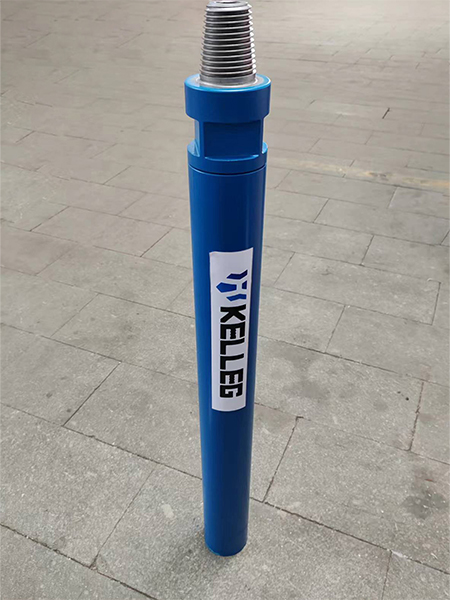
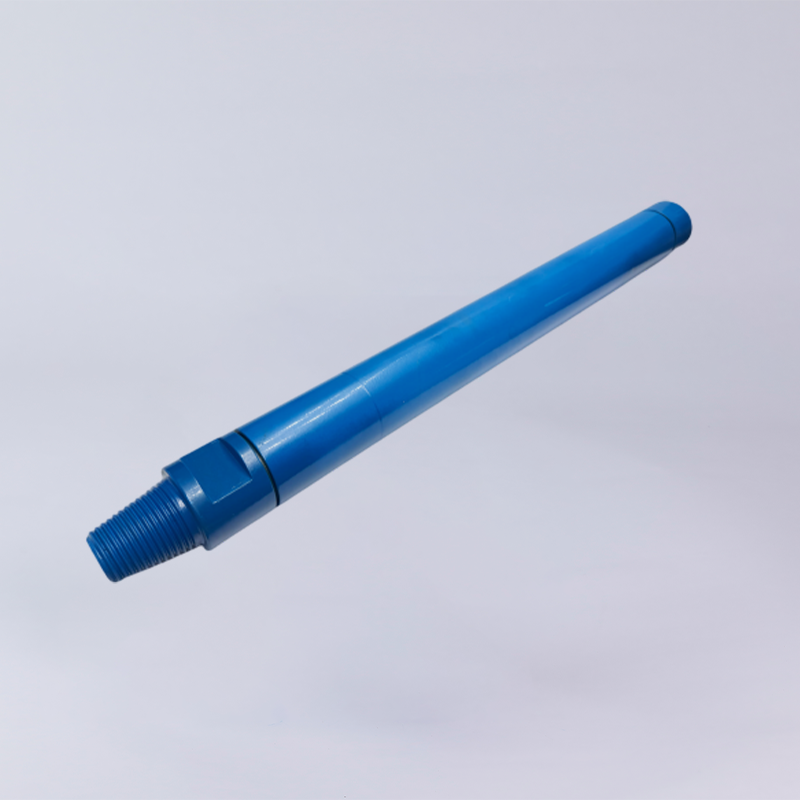
A Down-the-Hole (DTH) hammer is a core component of a DTH drilling system, designed to connect the DTH drill bit with the drilling rig. It operates at the bottom of the borehole, delivering high-frequency impact energy directly to the drill bit, which significantly improves rock-breaking efficiency.
Application Fields
DTH hammers are widely used in a broad range of engineering and drilling applications, including mining, quarrying, metallurgy, coal and chemical industries, water well drilling, hydropower and water conservancy projects, highway and railway construction, defense engineering, and general infrastructure development. Their versatility makes them suitable for various hole-forming operations in both surface and underground projects.
Working Principle
During operation, high-pressure compressed air enters the DTH hammer through the drilling rig and flows down the inner channel of the drill pipe. Inside the hammer, the airflow is regulated by an air distribution valve and divided into two main paths.
One portion of the air is directed through the valve seat, piston, and central passage of the drill bit, where it exits from the bit face to effectively flush rock cuttings and debris from the bottom of the hole. The remaining air is distributed into the cylinder, driving the piston to move back and forth at high speed. This reciprocating motion generates continuous impact energy, which is transmitted directly to the drill bit to break the rock.
Because the impact force is applied in direct contact with the rock at the bottom of the hole, energy loss is minimized. As a result, DTH hammers deliver powerful, stable, and highly efficient drilling performance, especially in hard and abrasive rock formations.
Key Advantages of Using DTH Hammers for Rock Drilling
Faster Drilling Speeds and Higher Penetration Rates
One of the most significant advantages of DTH hammers is their ability to achieve faster drilling speeds, especially in hard and abrasive rock formations. Unlike conventional drilling methods, DTH hammers deliver percussive energy directly to the drill bit at the bottom of the hole.
This direct energy transfer minimizes power loss and generates a stronger impact force on the rock, resulting in higher penetration rates, smoother drilling progress, and reduced drilling time per meter. As a result, DTH drilling is particularly effective for deep-hole and hard rock applications.
Enhanced Precision and Borehole Accuracy
DTH hammers are well known for producing straight, accurate, and consistent boreholes. Because the hammer operates directly behind the drill bit, each piston strike remains aligned with the drilling axis, significantly reducing hole deviation.
This high level of precision is especially critical in mining, quarrying, construction, and horizontal drilling applications, where strict control over hole direction and alignment is required. Cleaner boreholes also improve blasting results and overall project quality.
Improved Operational Efficiency
Operational efficiency is a key performance indicator in rock drilling projects, and DTH hammers consistently deliver superior results. Their powerful rotary-percussive action allows drilling operations to be completed in less time, enabling higher productivity with fewer interruptions.
In addition, DTH hammers are designed to minimize energy loss during impact, ensuring that most of the input power is converted into effective rock-breaking force. This leads to faster drilling cycles, reduced downtime, and smoother on-site operations.
Lower Overall Operating Costs
The high efficiency of DTH hammers translates directly into lower operating costs. Faster penetration rates reduce fuel consumption, labor hours, and machine operating time. At the same time, the reduced wear on auxiliary equipment helps lower maintenance and replacement costs.
These cost advantages become even more evident in deep drilling projects, where efficiency losses in other drilling methods are amplified. Compared with alternative drilling techniques, DTH hammers also typically consume less lubricating oil, further reducing operational expenses.
Increased Equipment Durability and Service Life
DTH hammers are built with robust structures and wear-resistant components, allowing them to perform reliably in harsh and demanding drilling conditions. Their design helps absorb impact stress effectively, reducing excessive wear on drill rods and other parts of the drilling system.
As a result, equipment service life is extended, maintenance frequency is reduced, and unplanned downtime is minimized. This durability ensures stable drilling performance and helps keep projects on schedule without costly interruptions.
DTH Drilling vs. Top Hammer Drilling vs. Rotary Drilling
Selecting the right drilling method influences drilling efficiency, hole quality, operating costs, and overall project success. Among the most commonly used techniques—DTH drilling, top hammer drilling, and rotary drilling—each method operates on a different principle and performs best under specific conditions.
Top Hammer Drilling
How It Works
Top hammer impact rock drilling is a drilling method in which the rock drilling machine is positioned at the top of the drill string. During operation, the piston of the rock drill delivers impact energy directly to the shank adapter at the rear end of the drilling tools.
This impact energy is then transmitted along the drill rods in the form of stress waves until it reaches the drill bit, where it is converted into rock-breaking force.
Limitations
As drilling depth increases, impact energy is gradually lost along the drill string, leading to reduced penetration rates and increased hole deviation. Top hammer drilling is generally more suitable for shallow to medium-depth holes and becomes less efficient in hard or abrasive rock formations.
Why DTH drilling Is Better
In contrast, DTH drilling places the hammer directly behind the drill bit, ensuring consistent impact energy at greater depths. This makes DTH hammers far more effective for deep-hole drilling and hard rock applications where accuracy and penetration rate are critical.
Rotary Drilling
How It Works
Rotary drilling relies primarily on rotational force and the applied weight on the bit to cut or grind through rock formations. This method is commonly used in soft to medium formations where impact energy is not required.
Limitations
In hard or fractured rock, rotary drilling becomes inefficient due to low penetration rates and excessive bit wear. The lack of percussive impact makes it difficult to break dense rock efficiently, often resulting in higher operating costs and frequent bit replacement.
Why DTH Is Superior
DTH drilling combines rotation with high-frequency impact energy, allowing the drill bit to fracture hard rock more effectively. This impact-based rock-breaking mechanism significantly improves drilling speed and reduces tool wear in demanding geological conditions.
Comparative Overview of Drilling Methods
| Criteria | DTH Drilling | Top Hammer Drilling | Rotary Drilling |
|---|---|---|---|
| Drilling Speed | High, stable penetration rate | Moderate, decreases with depth | Low in hard rock |
| Drilling Depth | Medium to deep holes | Shallow to medium holes | Variable, limited in hard rock |
| Hole Accuracy | Excellent, minimal deviation | Moderate, deviation increases with depth | Fair |
| Rock Suitability | Soft to very hard rock | Soft to medium-hard rock | Soft to medium rock |
| Operating Cost | Low cost per meter drilled | Moderate | High in hard rock |
| Bit Wear | Low to moderate | Moderate | High in hard rock |
Why DTH Drilling Stands Out
Compared with top hammer and rotary drilling methods, DTH drilling offers superior performance in hard rock, deep-hole, and high-precision applications. Its ability to deliver impact energy directly at the drilling face results in faster penetration, better hole quality, and lower overall drilling costs.
Why DTH Hammers Are Critical in Modern Rock Drilling
Down-the-Hole (DTH) hammers have become a key technology in modern rock drilling due to their efficiency, adaptability, and ability to meet the increasing technical and environmental demands of today’s projects.
Versatility Across Applications and Rock Conditions
One of the strongest advantages of DTH hammers is their exceptional versatility. They are suitable for a wide range of applications, including mining, quarrying, construction, water well drilling, and exploration projects.
DTH hammers perform effectively across diverse rock formations, from soft and fractured rock to hard and abrasive conditions.
In addition, DTH hammers can accommodate a wide range of hole diameters. Typical drilling sizes range from as small as 2¾ inches (70 mm) to as large as 43 inches (1,100 mm) and beyond, allowing them to meet the requirements of both small-scale and large-diameter drilling projects.
Reduced Environmental Impact and Improved Sustainability
Compared with less efficient drilling methods, DTH hammers generally require fewer resources to achieve the same drilling output. Their high penetration efficiency helps reduce fuel consumption, drilling time, and overall energy usage.
DTH drilling also contributes to improved environmental performance by minimizing dust generation and reducing the amount of debris produced during operation. Furthermore, selecting low air-consumption DTH hammers can enhance both efficiency and sustainability. These hammers are often more cost-effective than high-pressure alternatives, as they require less compressed air while maintaining stable and controlled impact energy.
As environmental regulations become stricter, the combination of efficiency, reduced emissions, and controlled drilling performance makes DTH hammers a responsible and future-ready choice for modern rock drilling operations.
Choosing the Right DTH Hammer for Your Project
Selecting the right Down-the-Hole (DTH) hammer is essential to achieving optimal drilling performance, cost efficiency, and long-term reliability. Several technical and operational factors should be carefully evaluated before making a decision.
Rock Type and Geological Conditions
Different rock formations require different impact energy levels and bit designs. Hard and abrasive rock formations typically demand robust DTH hammers with high durability and stable impact performance, while softer or fractured formations may benefit from hammers optimized for efficiency and air consumption.
Hole Diameter Requirements
DTH hammers are available in a wide range of sizes to match specific hole diameters. Selecting a hammer that is properly matched to the required hole size ensures efficient energy transfer, stable drilling, and reduced wear on both the hammer and the drill bit.
Drilling Depth
Drilling depth has a direct impact on hammer performance and air efficiency. For deeper holes, DTH hammers with optimized air flow design and consistent impact energy are critical to maintaining penetration rates and hole accuracy throughout the drilling process.
Equipment Compatibility
Compatibility between the DTH hammer, drill bit, drill rods, and drilling rig is essential. Factors such as thread type, air pressure capacity, and rig power output must be aligned to ensure safe operation and maximum drilling efficiency.
The Importance of Working with Reliable Manufacturers
Choosing a reliable DTH hammer manufacturer is just as important as selecting the right hammer model. Experienced manufacturers ensure consistent material quality, precise heat treatment, and strict quality control throughout the production process.
In addition, reputable suppliers provide technical support, application guidance, and field-tested solutions tailored to specific drilling conditions. This support helps reduce operational risks, minimize downtime, and maximize the service life of the drilling tools.
Partnering with a trusted manufacturer ultimately leads to more stable drilling performance, predictable costs, and better long-term project outcomes.
Conclusion
Down-the-Hole (DTH) hammers have proven to be one of the most efficient and reliable solutions for modern rock drilling. By delivering impact energy directly to the drill bit, DTH drilling achieves higher penetration rates, superior hole accuracy, and consistent performance in hard and abrasive rock formations.
Compared with top hammer and rotary drilling methods, DTH hammers offer clear advantages in deep-hole drilling, cost efficiency, equipment durability, and environmental performance. Their versatility across mining, construction, quarrying, and exploration applications makes them an essential tool for meeting today’s demanding drilling requirements.