Introduction
In down-the-hole (DTH) drilling operations, improper air pressure is one of the most common yet overlooked causes of poor performance. Many drilling contractors experience slow penetration rates, frequent downtime, and rising operational costs—often without realizing that the root issue lies in incorrect air pressure settings.
Air pressure plays a fundamental role in DTH drilling. It is not only responsible for driving the hammer piston to generate impact energy, but also directly influences energy transfer efficiency and the effectiveness of cutting removal from the borehole. When air pressure is not properly matched to the drilling conditions, it can disrupt the entire drilling process.
Incorrect air pressure can lead to a range of problems, including reduced drilling efficiency, accelerated wear of drill bits and hammers, poor hole cleaning, and even borehole instability or collapse. These issues not only affect productivity but also significantly increase maintenance and replacement costs.
In this guide, we will explore how air pressure impacts DTH drilling performance and provide practical insights on how to optimize it. You will learn how to select the right pressure for different conditions, avoid common mistakes, and troubleshoot pressure-related problems to achieve faster, more efficient, and more cost-effective drilling operations.
What Is Air Pressure in DTH Drilling?
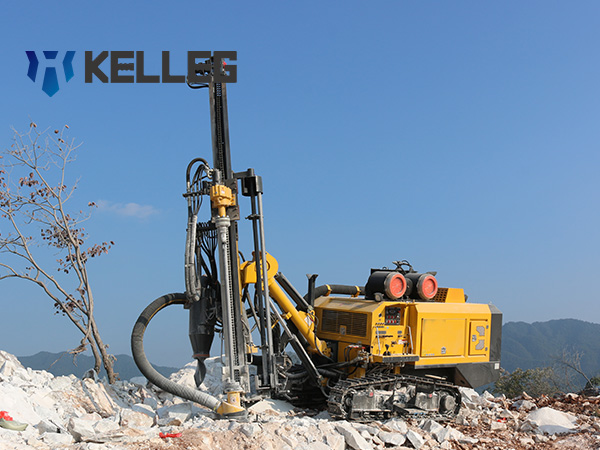
Air pressure in DTH drilling refers to the compressed air force used to drive the hammer and maintain efficient drilling performance. It is one of the most critical operating parameters, directly affecting impact energy, penetration rate, and hole cleaning efficiency.
Definition of Working Air Pressure
Working air pressure is the actual pressure delivered to the DTH hammer during operation, typically measured at the hammer inlet rather than at the compressor. This is the effective pressure that determines how the hammer performs under real drilling conditions.
Compressor Pressure vs. Operating Pressure
It is important to distinguish between two commonly confused terms:
- Compressor Pressure: The pressure generated at the air compressor outlet. This is the initial pressure before losses occur in the system.
- Operating Pressure at the Hammer: The actual pressure reaching the DTH hammer after accounting for pressure losses caused by hoses, connectors, filters, and depth.
Typical Air Pressure Ranges
DTH drilling tools are generally categorized based on operating pressure levels:
- Low Pressure: below 0.7 MPa
- Medium Pressure: 0.7 – 1.4 MPa
- High Pressure: above 1.4 MPa
Selecting the appropriate pressure range depends on rock hardness, hole depth, and equipment configuration.
How Air Pressure Works in DTH Drilling
In DTH drilling, compressed air serves as both the power source and the cleaning medium. It drives the internal mechanism of the hammer while simultaneously removing cuttings from the borehole.
When compressed air enters the DTH hammer, it drives a piston that moves at high speed in a continuous cycle. This piston delivers repeated, high-energy impacts directly to the drill bit. These rapid удар forces fracture the rock at the bottom of the hole, enabling efficient penetration.
At the same time, the compressed air flows through the hammer and exits via the drill bit, carrying rock cuttings (debris) out of the hole. This dual function ensures continuous drilling without blockage or regrinding of cuttings.
Air pressure and air volume together determine how effectively this process works:
- Higher air pressure increases piston impact force, improving rock-breaking efficiency and penetration rate—especially in hard formations.
- Adequate air volume ensures fast and effective removal of cuttings, preventing clogging and reducing unnecessary wear.
On the other hand, insufficient air pressure can significantly reduce drilling efficiency. It leads to weaker impact energy, slower penetration, poor hole cleaning, and increased tool wear. In severe cases, it may even cause overheating of the DTH hammer and drill bit due to prolonged contact and inefficient energy transfer.
Maintaining the correct air pressure ensures stable hammer operation, optimal energy transfer, and consistent drilling performance—ultimately reducing downtime and extending service life.
Core Impact of Air Pressure on Drilling Performance
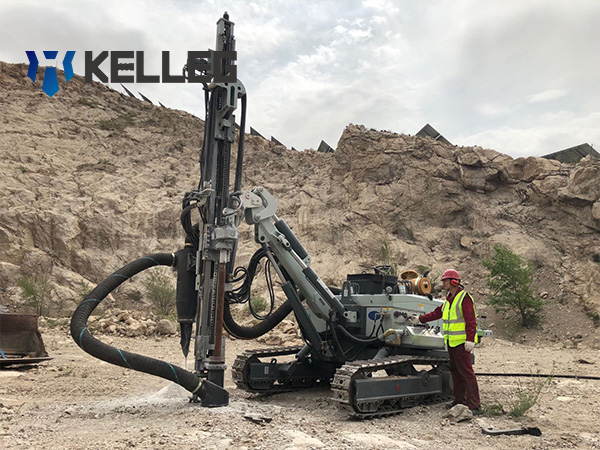
Air pressure is a key driver of overall DTH drilling performance. It directly influences how efficiently energy is transferred to the rock, how fast drilling progresses, and how effectively debris is removed from the borehole. Optimizing air pressure is essential for achieving high productivity while controlling operating costs.
Penetration Rate
Air pressure has a direct and significant impact on penetration rate. Higher air pressure generates stronger piston impact force inside the DTH hammer, allowing the drill bit to break rock more efficiently.
In hard rock formations such as granite, higher air pressure becomes essential to deliver sufficient energy to fracture the rock. This results in faster drilling speeds and improved overall productivity.
A higher penetration rate typically leads to:
- Reduced drilling time
- Increased project efficiency
- Lower cost per meter drilled
However, excessive air pressure can also increase the Up Hole Velocity (UHV) of rock cuttings. In abrasive formations, this may accelerate wear on both the drill bit and hammer components. Therefore, maintaining a balance between speed and tool durability is critical.
Energy Efficiency
Optimized air pressure plays a crucial role in improving energy efficiency during DTH drilling operations.
When air pressure is properly matched to drilling conditions:
- Fuel consumption is minimized
- Compressor load is optimized
- Mechanical stress on the system is reduced
This results in a more energy-efficient operation, which is especially important for long-duration or large-scale drilling projects.
On the other hand, insufficient air pressure can lead to:
- Lower drilling efficiency
- Increased fuel consumption
- Excessive strain on the compressor and drilling system
In such cases, the system works harder but delivers poorer results, ultimately increasing operational costs.
Hole Cleaning
Effective hole cleaning depends on both air pressure and air volume. Compressed air is responsible for transporting drill cuttings out of the borehole during drilling.
If cuttings are not removed efficiently, several issues may arise:
- Regrinding of rock debris
- Reduced penetration rate
- Blockages and poor hole quality
- Premature bit wear or tool failure
Proper air pressure ensures sufficient Up Hole Velocity (UHV), allowing cuttings to be lifted and expelled from the hole effectively. This maintains smooth drilling operations and prevents unnecessary downtime.
Efficient hole cleaning not only improves drilling speed but also protects equipment and reduces overall project costs.
Impact of Air Pressure on Tool Life
Air pressure has a direct influence on the service life of DTH hammers and drill bits. Both insufficient and excessive pressure can accelerate wear and lead to premature failure.
Pressure Too Low:
- Weak impact force leads to longer contact time with the rock
- Increased friction and heat buildup
- Accelerated wear of drill bit buttons and hammer components
Pressure Too High:
- Excessive impact stress on hammer internals
- Increased vibration and structural fatigue
- Higher wear due to high-velocity cuttings in abrasive formations
Maintaining the correct air pressure helps achieve a balance between performance and durability, extending tool life and reducing replacement frequency.
Air Pressure vs. Key Performance Indicators
| Air Pressure Level | Penetration Rate | Impact Energy | Hole Cleaning Efficiency | Tool Life |
|---|---|---|---|---|
| Low | Slow | Weak | Poor | Reduced (due to wear & overheating) |
| Optimal | High | Balanced | Efficient | Extended |
| Excessive | Very High (short-term) | Excessive | Very Strong | Reduced (due to stress & abrasion) |
Factors Affecting Air Pressure in DTH Drilling
Achieving optimal air pressure in DTH drilling is not simply about compressor settings—it depends on multiple operational and environmental factors. Understanding these variables allows drilling professionals to adjust air pressure and airflow more precisely, ensuring stable performance, higher efficiency, and reduced operating costs.
Compressor Selection
The air compressor is the primary source of energy for the DTH hammer, making its selection critical.
A properly matched compressor must provide:
- Sufficient pressure
- Adequate airflow
If the compressor capacity is too low, it will not maintain stable pressure under load, resulting in:
- Reduced impact energy
- Fluctuating drilling performance
- Lower penetration rates
A high-quality, correctly sized compressor ensures consistent air delivery, which is essential for maintaining efficient and uninterrupted drilling operations.
Altitude & Temperature
Air density is directly affected by environmental conditions such as altitude and temperature, which in turn influence drilling performance.
High Altitude:
As altitude increases, air density decreases. This means less mass of air is delivered at the same pressure, requiring higher airflow (CFM) to maintain performance.
Example:
Operating at 10,000 ft (≈3000 m) may require up to 50% more air volume compared to sea level.
Temperature Effects:
- High temperatures → lower air density → reduced efficiency
- Low temperatures → higher air density → improved air mass delivery
Example:
At 100°F (38°C), up to 20% more air volume may be needed compared to 0°F (-18°C) under the same conditions.
Proper adjustments in airflow and pressure are essential to compensate for these environmental changes.
Hole Depth
As drilling depth increases, so does the resistance within the borehole.
Deeper holes require:
- Higher air pressure to maintain effective hammer operation
- Increased airflow to ensure proper cutting removal
If air pressure is insufficient at depth, it can lead to:
- Poor hole cleaning
- Reduced penetration rate
- Increased risk of tool sticking or failure
Therefore, both pressure and airflow must be adjusted progressively as hole depth increases.
Drilling Underwater
Drilling in water-bearing formations or underwater conditions introduces additional back pressure that must be overcome.
A DTH hammer must generate sufficient air pressure to overcome this water pressure before drilling can begin effectively.
Water pressure reference:
- 1 ft (0.30 m) water ≈ 0.434 psi (0.03 bar)
- 100 ft (30.5 m) water ≈ 43.4 psi (≈3 bar)
Once the water head pressure is overcome:
- Air pressure can return to normal operating levels
However, in cases of high water inflow:
- Air pressure requirements increase
- Hammer efficiency may decrease
In demanding conditions, a booster compressor may be necessary to maintain stable drilling performance.
Drill Bit Design
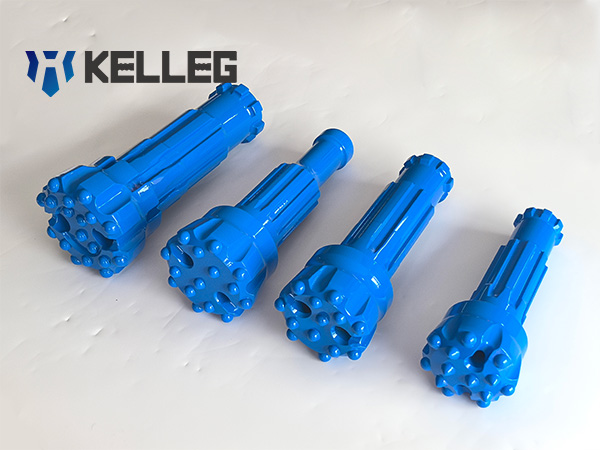
The design of the DTH drill bit plays an important role in determining optimal air pressure requirements.
Different bit face designs are suited to different conditions:
Concave Face (most common):
- Excellent hole straightness
- Efficient flushing performance
- Suitable for a wide range of formations
Other designs (flat, convex, drop center):
- May require different pressure and airflow conditions
In softer formations, lower air pressure may be sufficient, while hard and abrasive rock typically requires higher pressure to maximize impact energy.
Matching air pressure to the specific bit design ensures:
- Better drilling efficiency
- Reduced wear
- Improved hole quality
Air Leakages & Maintenance
Air system integrity is essential for maintaining consistent pressure.
Common issues include:
- Leaks in hoses, connectors, or joints
- Pressure loss over long hose distances
- Poor sealing or worn components
These problems lead to:
- Reduced effective pressure at the hammer
- Increased compressor workload
- Lower drilling efficiency
Regular inspection and maintenance of the air system are critical to:
- Prevent pressure loss
- Ensure stable air delivery
- Reduce unnecessary energy consumption
How to Optimize Air Pressure for Maximum Drilling Efficiency
Optimizing air pressure is essential for achieving high-performance DTH drilling. The goal is to maintain the ideal balance between penetration rate, energy consumption, and tool life, while adapting to varying geological and operational conditions.
Proper air pressure optimization not only improves drilling speed but also reduces fuel costs, minimizes equipment wear, and enhances overall project efficiency.
Setting the Right Air Pressure
The optimal air pressure setting depends on several key factors, including rock hardness, borehole depth, drill bit design, and hammer specifications. There is no universal setting—each drilling condition requires adjustment.
General guidelines include:
- Hard rock formations (e.g., granite, basalt): Require higher air pressure to deliver sufficient impact energy for effective rock fragmentation.
- Soft to medium formations: Can be drilled efficiently with moderate air pressure, reducing energy consumption and equipment wear.
- Deeper boreholes: Require increased air pressure and airflow to overcome friction losses and maintain efficient cutting removal.
While higher air pressure can improve penetration rates, excessive pressure may lead to:
- Accelerated drill bit wear
- Hammer component fatigue
- Unnecessary energy consumption
Therefore, achieving the right balance is critical for long-term efficiency and cost control.
Compressor Maintenance Tips
A stable and well-maintained air compressor is essential for consistent drilling performance. Even small fluctuations in air delivery can significantly impact penetration rate and tool life.
Key maintenance practices include:
Daily checks:
- Monitor oil levels
- Inspect pressure gauges and indicators
- Check for abnormal noise or vibration
Air system maintenance:
- Drain receiver tanks regularly
- Inspect hoses, couplings, and fittings for leaks
- Ensure proper sealing of all connections
Performance monitoring:
- Watch for pressure drops during operation
- Identify early signs of inefficiency or instability
Proper compressor maintenance helps ensure:
- Stable air pressure delivery
- Reduced risk of breakdowns
- Lower long-term operating costs
- Improved drilling consistency
Real-World Examples & Performance Improvements
Field applications across mining and construction projects have consistently shown that optimizing air pressure can deliver significant operational benefits.
For example, in a limestone quarry drilling project, engineers optimized the air pressure settings based on rock conditions and drill configuration. The results included:
- 30% increase in penetration rate
- 15% reduction in fuel consumption
- Improved overall drilling stability and consistency
These improvements demonstrate how proper air pressure management can directly impact project efficiency, cost savings, and completion timelines.
In addition, the use of high-quality DTH hammers and properly matched drilling systems further enhances performance reliability and ensures consistent results under varying ground conditions.
Air pressure optimization is not a one-time adjustment—it is a continuous process that requires understanding ground conditions, equipment performance, and system maintenance. By applying best practices and monitoring real-time drilling behavior, operators can significantly improve productivity while reducing operational risks and costs.
Common Problems Caused by Improper Air Pressure & Failure Prevention
Incorrect air pressure is one of the most common hidden causes of DTH drilling inefficiency and equipment failure. Whether the pressure is too low or too high, it can significantly affect hammer performance, drill bit life, and overall drilling stability. Understanding these issues helps prevent costly downtime and premature tool damage.
Problems Caused by Low Air Pressure
When air pressure is insufficient, the DTH drilling tools cannot deliver enough impact energy or maintain proper cutting evacuation.
Common symptoms include:
- Weak impact force: Reduced hammer efficiency and slower rock breaking
- Poor hole cleaning: Cuttings remain in the borehole, causing regrinding
- Low penetration rate: Drilling becomes significantly slower and less efficient
- Bit clogging or sticking: Increased risk of stuck drill string
- Premature drill bit wear: Excessive friction and ineffective rock fragmentation
Low air pressure ultimately leads to reduced productivity and increased operational time and cost.
Problems Caused by Excessive Air Pressure
While higher pressure can improve penetration in some cases, excessive air pressure can also create serious mechanical and operational issues.
Common symptoms include:
- Overstressed hammer components: Increased internal fatigue and mechanical stress
- Accelerated wear of drill bits: Faster button and body erosion due to high-impact energy
- Seal damage and air leakage: Rubber and sealing components fail prematurely
- Excessive heat generation: Reduced lubrication effectiveness and overheating risk
- Unstable drilling behavior: Increased vibration and reduced control
Over-pressurization often shortens equipment life and increases maintenance frequency.
Preventive Measures for Stable Air Pressure Performance
To ensure efficient and reliable DTH drilling, air pressure must be properly maintained and continuously monitored.
Regular Leak Inspection
- Check hoses, couplings, and connectors for air leakage
- Even small leaks can significantly reduce effective hammer pressure
Proper Compressor Matching
- Ensure compressor capacity matches hammer specifications
- Balance both pressure and air volume (CFM/m³/min)
Correct Lubrication Management
- Use proper DTH hammer lubricating oil
- Ensure consistent oil injection to reduce internal wear and heat buildup
Continuous Instrument Monitoring
- Monitor pressure gauges during operation
- Track performance indicators such as penetration rate and air consumption
- Detect early signs of pressure instability
A well-maintained air system ensures stable drilling performance, reduced downtime, and extended tool life.
Symptoms vs Air Pressure Issues vs Solutions
| Symptom | Likely Pressure Issue | Recommended Solution |
|---|---|---|
| Slow penetration rate | Low air pressure | Increase compressor output or reduce system leakage |
| Poor hole cleaning | Low air volume/pressure | Improve airflow and check cuttings evacuation |
| Excessive bit wear | Too high or unstable pressure | Adjust pressure to optimal range |
| Hammer overheating | High pressure + poor lubrication | Reduce pressure and improve oil injection |
| Air leakage detected | System pressure loss | Inspect and replace seals, hoses, and fittings |
| Unstable drilling | Pressure fluctuation | Stabilize compressor output and maintenance |
Both low and excessive air pressure can significantly reduce DTH drilling efficiency and shorten equipment life. The key to stable performance is balanced pressure control, proper equipment matching, and proactive maintenance.
By monitoring system behavior and addressing issues early, operators can avoid costly downtime, improve penetration rates, and extend the service life of both hammer and drill bit.
Conclusion
Air pressure is one of the most critical factors influencing overall DTH drilling performance. It directly determines how effectively energy is delivered to the rock, how efficiently cuttings are removed, and how stable the drilling process remains under different ground conditions.
Maintaining a proper balance of air pressure leads to significant improvements in:
- Drilling speed – higher and more stable penetration rates
- Tool life – reduced wear on hammers and drill bits
- Cost control – lower fuel consumption, fewer breakdowns, and reduced downtime
In practical operations, there is no “one-size-fits-all” air pressure setting. The best results are achieved when the compressor capacity, DTH hammer specifications, drill bit design, and rock conditions are properly matched and continuously optimized in the field.