Introduction
Hard rock drilling operations often face three persistent challenges: slow penetration rates, short bit lifespan, and high downtime costs. These issues not only reduce overall productivity but also significantly increase the cost per meter drilled—especially in demanding environments such as granite, basalt, and other highly abrasive formations.
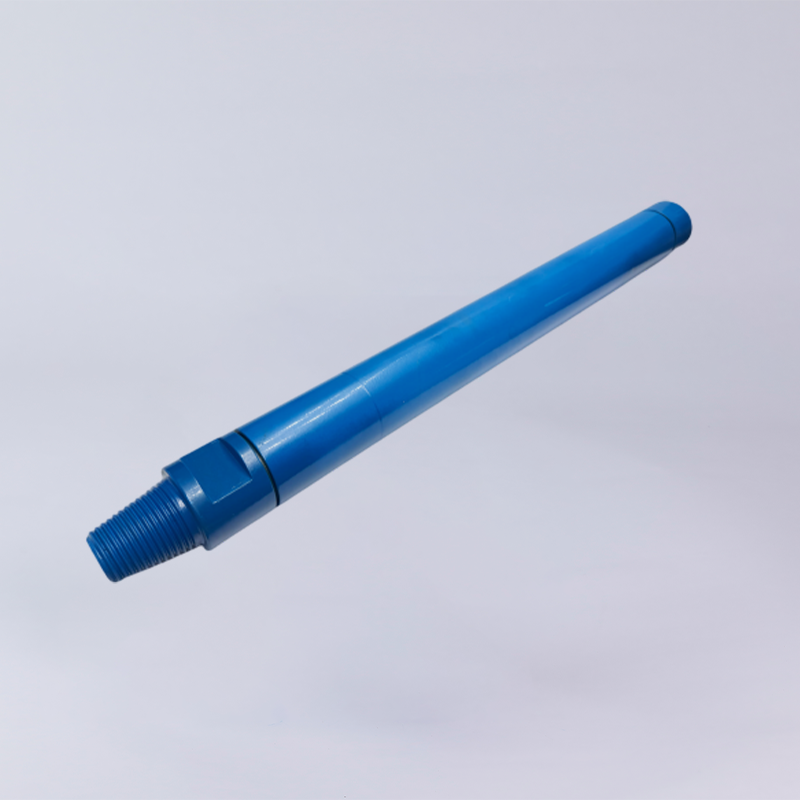
A high-pressure DTH (Down-the-Hole) drill bit is specifically designed to operate with high-pressure systems (Greater than 1.4 MPa), delivering stronger impact energy directly to the rock face. By combining powerful hammer action with efficient air flushing, these drill bits enable faster drilling, cleaner holes, and improved durability under tough conditions.
High-pressure DTH drill bits play a critical role in a wide range of industries, including:
- Mining – for blast hole drilling in hard rock formations
- Quarrying – to achieve high productivity and consistent hole quality
- Water well drilling – where deep penetration and efficient cuttings removal are essential
In this guide, we will explore how high-pressure DTH drill bits can help you increase drilling performance, select the right bit for your specific conditions, and reduce overall operational costs through smarter practices and better tool choices.
What are high-pressure DTH Drill Bits?
Definition and Working Principle
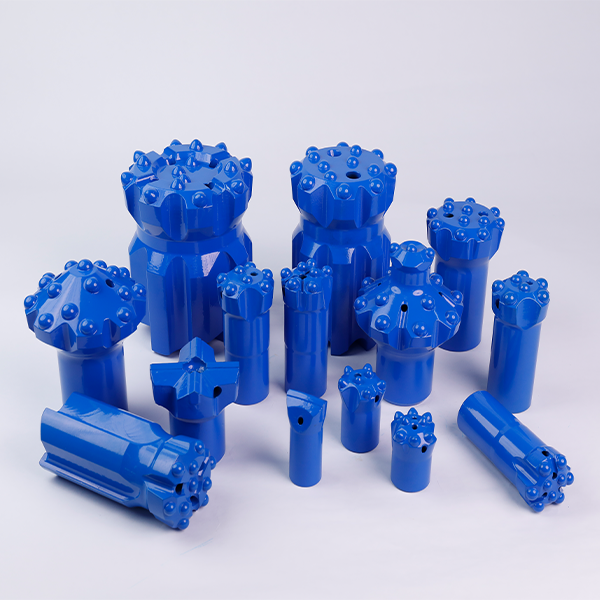
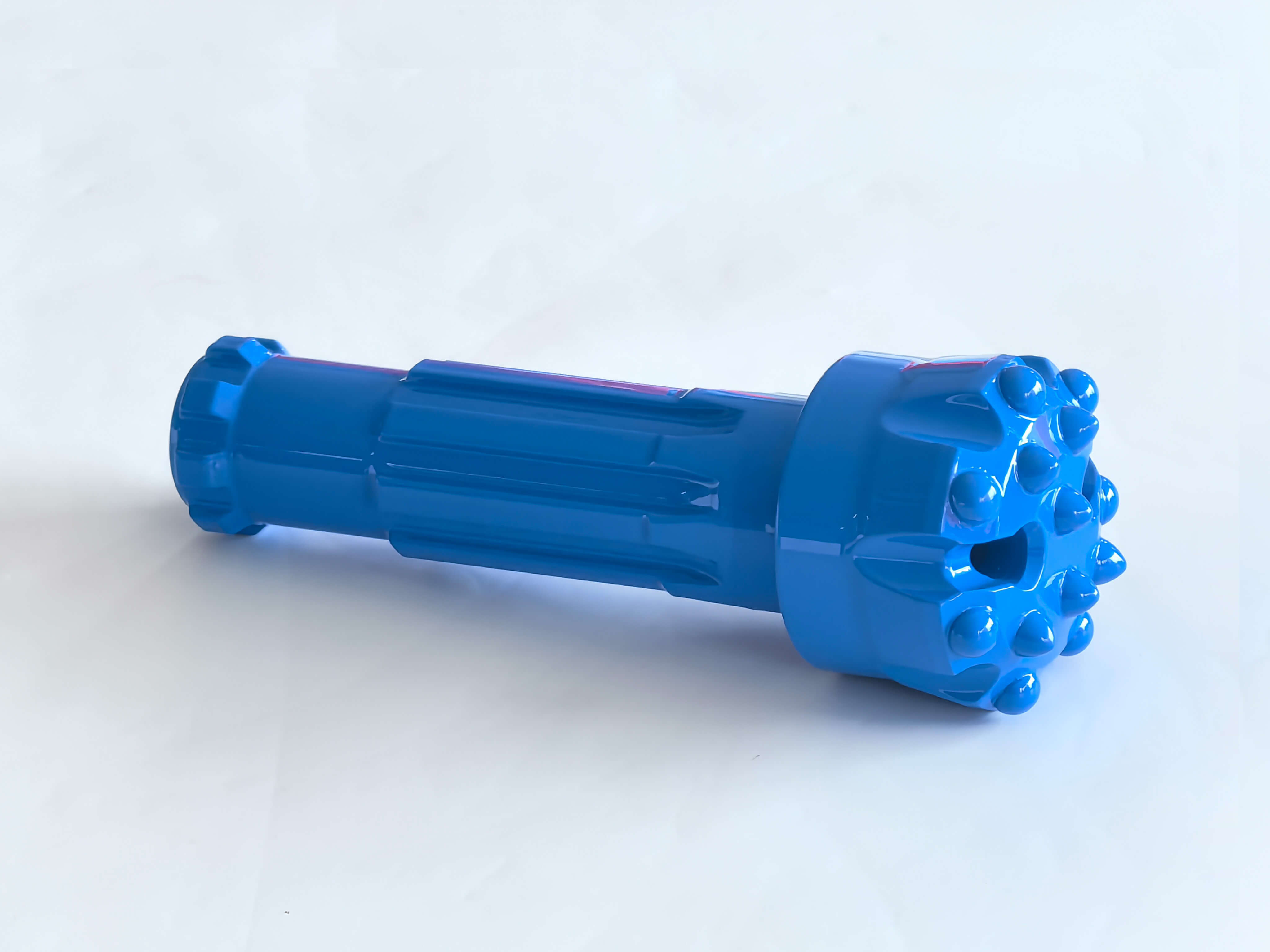
High-pressure DTH (Down-the-Hole) drill bits are specialized rock drilling tools designed to operate with high-pressure compressed air systems, typically exceeding 1.4 MPa. They are used together with high-pressure DTH hammers to deliver powerful percussive energy directly to the bottom of the hole, making them ideal for hard and abrasive rock formations.
In DTH drilling, the hammer is located directly behind the drill bit at the bottom of the hole. Compressed air serves two critical functions:
- Power transmission: High-pressure air drives the internal piston of the DTH hammer, generating rapid and forceful impacts on the drill bit.
- Flushing medium: The same air is expelled through the drill bit’s air holes, efficiently removing rock cuttings from the hole and preventing regrinding.
Compared to low-pressure systems, high air pressure significantly increases impact energy and drilling speed, while improving hole cleanliness and reducing energy loss over depth.
Key Components
Understanding the structure of a high-pressure DTH drill bit helps optimize both performance and selection:
Bit Body
- Made from high-strength alloy steel
- Designed to withstand extreme impact and abrasive conditions
- Provides structural support and energy transfer from the hammer
Carbide Buttons
- Tungsten carbide inserts embedded in the bit face
- Responsible for crushing and breaking the rock
- Available in different shapes (spherical, ballistic) depending on application
Air Holes / Flushing System
- Channels that direct compressed air to the bottom of the hole
- Ensure efficient removal of cuttings
- Help cool the bit and reduce wear
Bit Face Design
- The geometry of the bit face (flat, concave, convex, or drop center)
- Influences drilling stability, penetration rate, and hole straightness
- Must be selected based on rock conditions and drilling requirements
This combination of high-impact energy, efficient air flushing, and optimized structural design is what makes high-pressure DTH drill bits essential for high-performance hard rock drilling.
Why Use High Air Pressure in DTH Drilling?
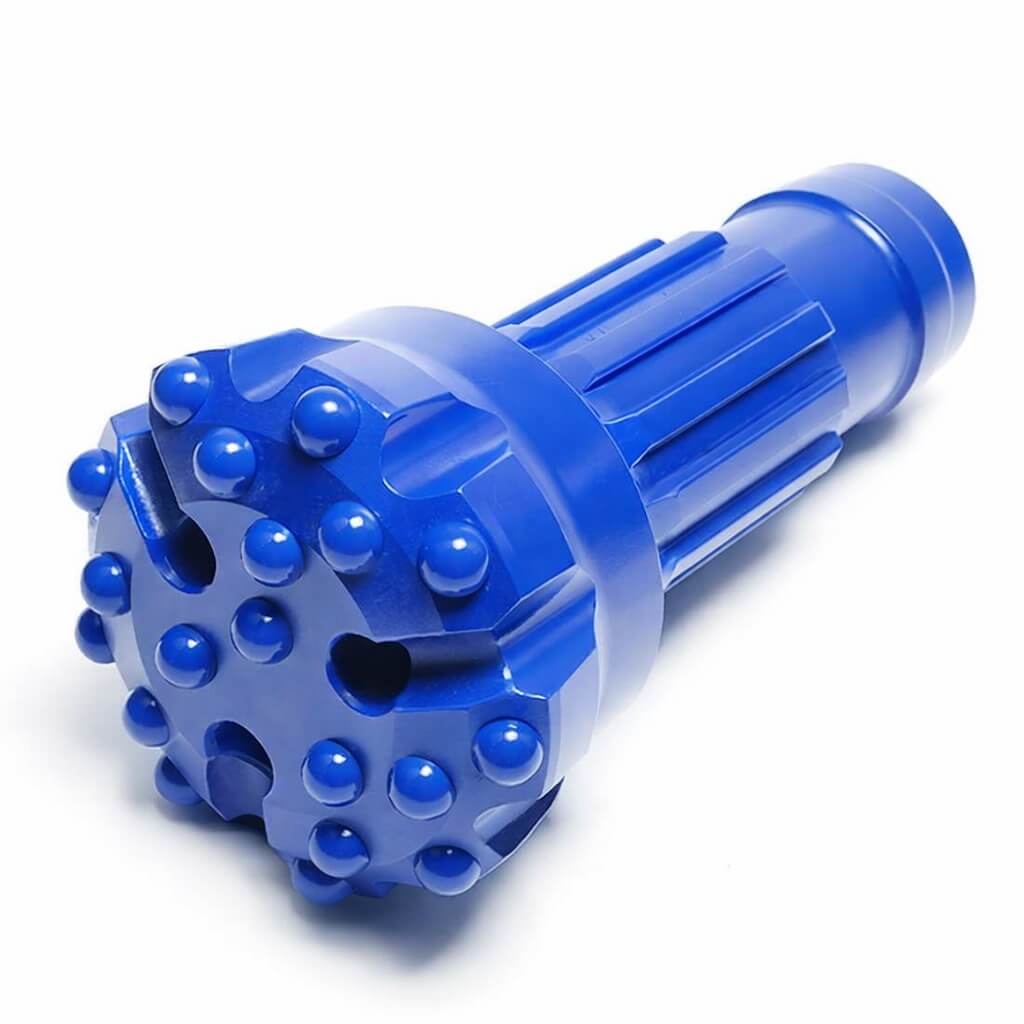
High air pressure is a key factor in maximizing the performance of DTH drilling systems, especially in hard rock applications. By increasing the energy delivered to the drill bit and improving debris removal, high-pressure systems significantly enhance both efficiency and tool life.
Faster Penetration Rates
One of the primary advantages of high air pressure is the ability to achieve faster drilling speeds.
- Higher impact energy: Increased air pressure drives the hammer piston with greater force, resulting in stronger and more effective impacts on the rock.
- Increased drilling speed: With more energy transferred per impact, the rock is broken more efficiently, allowing for quicker penetration even in dense formations.
Improved Hole Cleaning
Efficient removal of drill cuttings is essential for maintaining consistent drilling performance.
- Efficient cuttings removal: High-pressure air effectively flushes rock debris out of the hole, keeping the bottom clean.
- Reduced regrinding: By minimizing the accumulation of cuttings, the bit avoids repeatedly crushing the same material, which improves efficiency and reduces unnecessary wear.
Better hole cleaning also contributes to smoother drilling operations and more stable performance.
Better Performance in Hard Rock
High air pressure DTH drilling is specifically suited for hard and abrasive rock formations, including:
- Granite
- Basalt
- Quartzite
In these conditions, stronger impact force and efficient debris removal are essential. High pressure ensures the drill bit can maintain consistent penetration without excessive slowdown or energy loss.
Reduced Bit Wear and Longer Service Life
Although high air pressure increases impact energy, it can actually help extend the lifespan of drill bits when properly managed.
- Reduced regrinding lowers unnecessary stress on carbide buttons
- Improved cooling from airflow helps prevent overheating
- Efficient drilling reduces prolonged contact time with abrasive rock
Key Advantages of High-Pressure DTH Drill Bits
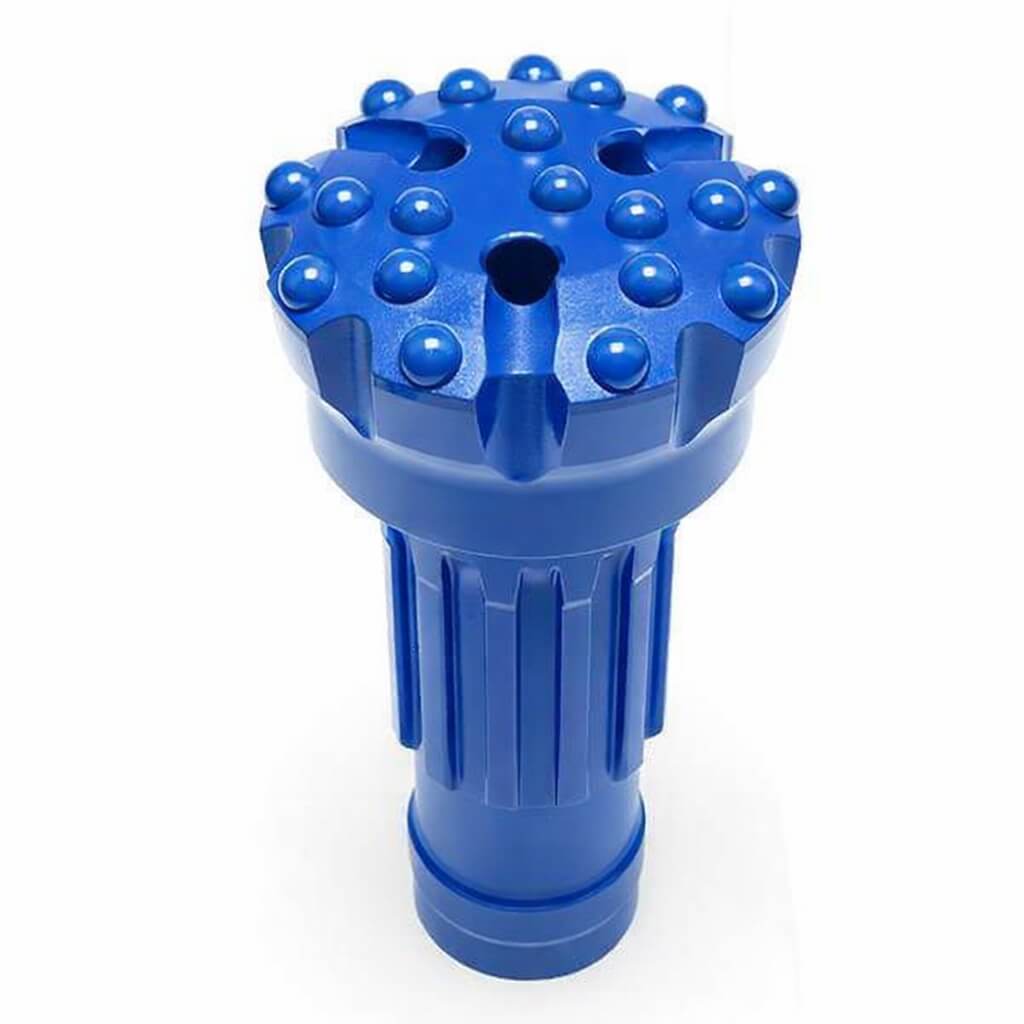
High-pressure DTH drill bits are engineered to deliver superior performance in demanding drilling environments. Compared to low-pressure DTH bits, they offer clear advantages in efficiency, cost control, and operational stability.
Higher Drilling Efficiency
High-pressure systems generate stronger and more consistent impact energy, allowing the drill bit to break rock more effectively.
- Faster penetration in hard and abrasive formations
- Reduced drilling time per hole
- Higher overall productivity on site
Lower Cost per Meter
Although high-pressure systems may involve higher initial equipment costs, they significantly reduce long-term expenses.
- Faster drilling reduces labor and machine time
- Less frequent bit replacement lowers tool costs
- Improved efficiency decreases fuel and energy consumption
Enhanced Energy Transfer
In DTH drilling, energy transfer efficiency is critical.
- High-pressure air delivers more power directly to the hammer piston
- Minimal energy loss over depth compared to top hammer drilling tools
- Consistent impact force ensures uniform rock breaking
Stable Hole Quality
Maintaining straight, clean, and uniform holes is essential for downstream operations such as blasting or anchoring.
- Better hole straightness due to stable hammer operation
- Reduced deviation in hard formations
- Cleaner hole walls with less residual debris
Reduced Downtime
Operational interruptions can significantly increase project costs.
- Faster cutting removal prevents blockages
- Lower wear rates reduce unexpected failures
- More stable performance minimizes the need for frequent adjustments
High-Pressure DTH Drill Bit vs Low-Pressure DTH Drill Bit
Understanding the difference between high and low-pressure drill bits are essential for selecting the right drilling configuration, especially in hard rock applications where efficiency and service life are critical.
Pressure Level Definition & Working Principle Difference
In DTH (Down-the-Hole) drilling, air pressure directly determines the impact energy delivered by the hammer.
- High air pressure: > 1.4 MPa
- Low air pressure: < 0.7 MPa
Working Principle Difference
- High air pressure system: Compressed air drives the hammer piston with significantly higher energy, generating stronger impact forces at the drill bit. This results in faster rock breaking and more efficient drilling in hard formations.
- Low air pressure system: Uses reduced air energy, leading to weaker piston impact and lower drilling power. It is generally suitable for soft to medium rock formations where extreme impact force is not required.
High-Pressure DTH Drill Bit Advantages
High-pressure DTH drill bits are widely used in mining, quarrying, and deep drilling projects due to their superior performance:
- Stronger impact force: Delivers higher energy per blow, improving rock fragmentation efficiency
- Higher penetration rate: Significantly faster drilling in hard rock conditions
- Efficient hard rock breaking: Ideal for granite, basalt, quartzite, and other abrasive formations
- Better overall productivity: Reduces drilling time and increases project output
Low-Pressure DTH Drill Bit Limitations
While low-pressure DTH bits are cost-effective for certain applications, they face clear limitations in hard rock drilling:
- Slow drilling in hard formations: Insufficient impact energy leads to reduced penetration speed
- Lower efficiency in abrasive rock: Bit wear increases due to longer exposure time
- Over-drilling and heat buildup: Prolonged contact with hard rock can cause overheating and accelerated wear
- Limited application range: Not suitable for deep or high-performance drilling projects
High-Pressure vs Low-Pressure Comparison Table
To better understand their value, here is a comparison with low-pressure systems:
| Parameter | High-Pressure | Low-Pressure |
|---|---|---|
| Air Pressure Range | >1.4Mpa | <0.7Mpa |
| Impact Force | Strong, high energy per blow | Weak, limited impact energy |
| Penetration Rate | High, efficient in hard rock | Low, slow in hard formations |
| Air Consumption | Higher demand | Lower consumption |
| Rock Suitability | Hard & abrasive | Soft to medium rock |
| Hole Cleaning Efficiency | Excellent | Limited |
| Drilling Efficiency | High overall productivity | Limited efficiency in demanding conditions |
High-pressure drill bits clearly outperform low-pressure DTH bits in hard rock drilling scenarios, offering better penetration rates, higher efficiency, and improved operational stability. However, selecting the right tools should always depend on rock conditions, project depth, and equipment capacity to achieve optimal drilling performance.
How to Choose the Right High-Pressure DTH Drill Bit
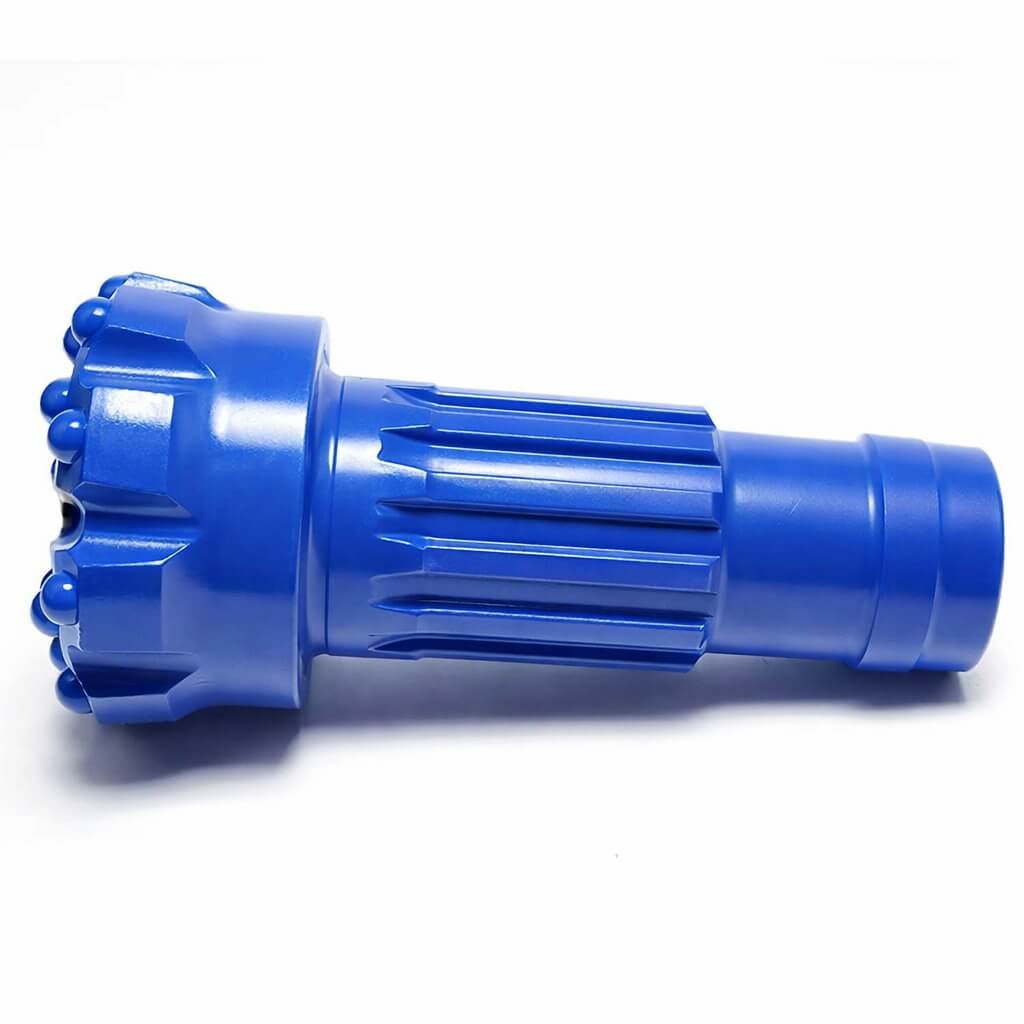
Selecting the correct high-pressure DTH drill bit is critical for achieving optimal drilling performance, especially in hard rock conditions. The right combination of design, material, and compatibility directly affects penetration rate, bit life, and overall drilling cost.
Based on Rock Hardness
Rock hardness is the first and most important factor in bit selection.
- Soft rock formations → Use bits with fewer carbide buttons and larger spacing to ensure faster penetration and efficient cutting removal.
- Hard rock formations → Use bits with a dense button layout to increase impact distribution and improve rock fragmentation efficiency.
Proper matching with rock hardness helps prevent premature wear and improves drilling stability.
Based on Rock Abrasiveness
Abrasiveness determines how quickly the bit wears during drilling.
- Highly abrasive rock → Requires wear-resistant tungsten carbide buttons with enhanced hardness and thermal resistance.
- Low to medium abrasiveness → Standard carbide grades can be used for balanced performance and cost efficiency.
Choosing the right carbide grade helps significantly extend bit service life.
Bit Face Design Selection
Bit face design directly influences penetration rate, hole straightness, and flushing efficiency:
- Flat face → Best for hard and highly abrasive rock; offers strong impact concentration
- Concave face → General-purpose design with good hole stability and efficient cutting removal
- Convex face → Suitable for softer formations; provides faster penetration
- Drop center → Ideal for deep hole drilling; improves hole straightness and directional stability
Button Shape Selection
Carbide button geometry affects both durability and drilling speed:
- Spherical buttons → Higher durability and better resistance to impact and wear; ideal for hard rock
- Ballistic buttons → Faster penetration rate; suitable for softer to medium-hard formations
Matching with Hammer Size
Proper compatibility between drill bit and DTH hammer is essential for stable performance.
Common shank systems include:
- DHD series
- QL series
- SD series
- Mission series
Incorrect matching may lead to energy loss, reduced efficiency, or premature tool failure. Always ensure bit and hammer specifications are fully compatible.
Air Flushing Hole Design
Bit flushing hole configuration also plays a key role in drilling efficiency:
- Proper air hole design ensures smooth evacuation of debris and prevents clogging
- Optimized flushing improves cooling and reduces wear on carbide buttons
Efficient debris removal is especially important in deep hole and high-pressure drilling applications.
Choosing the right high-pressure DTH drill bit requires a balanced evaluation of rock conditions, bit design, and equipment compatibility. A properly matched system not only improves penetration speed but also significantly reduces operational costs and downtime in demanding drilling environments.
Best Practices for Using High-Pressure DTH Drill Bits
To maximize the performance and service life of high-pressure DTH drill bits, proper operating practices are essential. Even the best-quality bit can fail prematurely if drilling parameters are not correctly controlled. The following best practices help ensure stable performance, higher efficiency, and lower overall drilling costs.
Maintain Proper Air Pressure
Correct air pressure is the foundation of efficient DTH drilling.
- Avoid underpowered operation, which reduces impact energy and slows penetration
- Avoid overpressure operation, which can accelerate wear on the hammer and bit components
- Always operate within the recommended pressure range of the hammer and compressor system
Stable air pressure ensures consistent hammer performance and optimal rock breaking efficiency.
Ensure Adequate Lubrication
Proper lubrication is critical for protecting internal hammer components.
- Use high-quality DTH hammer oil
- Ensure continuous oil delivery during operation
- Prevent dry running conditions that can cause severe internal wear
Good lubrication helps reduce friction, prevent overheating, and significantly extend hammer and bit lifespan.
Optimize Rotation Speed and Weight on Bit (WOB)
Correct drilling parameters directly affect penetration rate and bit wear.
- Rotation speed should be matched to rock hardness and bit design
- Weight on bit (WOB) must be sufficient to assist impact breaking without overloading the tool
- Incorrect settings can lead to slow drilling, excessive vibration, or premature button failure
Optimized parameters ensure balanced energy use and stable drilling performance.
Regular Bit Inspection
Routine inspection helps detect early signs of wear and prevents unexpected failures.
- Check carbide button wear patterns to evaluate drilling conditions
- Identify cracks, chipping, or body deformation early
- Replace or repair bits before severe damage occurs
Preventive maintenance reduces downtime and improves overall drilling reliability.
High-pressure DTH drill bits deliver maximum efficiency only when operated under proper drilling parameters, correct lubrication, and regular inspection routines. Following these best practices not only improves penetration performance but also significantly extends tool life and reduces total drilling costs.
Common Problems and How to Avoid Them
Even with high-pressure DTH drill bits, operational issues can still occur if drilling parameters, bit selection, or maintenance practices are not properly managed. Understanding these common problems helps improve efficiency and reduce unexpected downtime.
Slow Penetration Rate
Slow drilling speed is one of the most frequent issues in DTH operations, especially in hard rock environments.
Common causes:
- Low air pressure: Insufficient compressed air reduces hammer impact energy, leading to weaker rock breaking performance
- Worn carbide buttons: Dull or damaged buttons cannot effectively crush the rock, significantly reducing drilling speed
How to avoid it:
- Ensure air compressor output meets the required pressure range for high-pressure DTH drilling tools
- Regularly inspect and replace worn drill bits
- Maintain proper bit selection according to rock conditions
Excessive Button Wear
Premature carbide wear directly increases drilling costs and reduces bit lifespan.
Common causes:
- Incorrect bit selection: Using a bit not suited for rock hardness or abrasiveness
- Improper drilling parameters (such as excessive rotation speed or WOB)
- Drilling in highly abrasive formations without wear-resistant carbide
How to avoid it:
- Select appropriate button shapes and carbide grades based on rock conditions
- Match bit design with application (hard rock vs soft rock)
- Optimize rotation speed and weight on bit to reduce unnecessary wear
Hole Deviation
Hole deviation affects drilling accuracy and can lead to problems in blasting, anchoring, or casing installation.
Common causes:
- Improper bit face design: Using unsuitable face geometry for the rock formation
- Unstable drilling parameters or uneven rock conditions
- Insufficient bit stabilization in deep hole drilling
How to avoid it:
- Choose the correct face design:
- Flat face → hard and abrasive rock
- Concave face → broken, medium-hard rock
- Convex face → soft/medium rock
- Drop center → soft/broken rock
- Maintain stable drilling pressure and rotation parameters
- Use properly matched hammer and bit systems
Most DTH drilling problems are not caused by the equipment itself, but by incorrect pressure settings, improper bit selection, or poor operational control. By optimizing these factors, operators can significantly improve drilling efficiency, reduce wear, and maintain consistent hole quality.
How to Extend the Service Life of Your DTH Drill Bits
The service life of DTH drill bits is not determined only by manufacturing quality, but also by how they are used, maintained, and stored in daily operations. Proper handling can significantly reduce wear, improve drilling efficiency, and lower overall project costs.
Use High-Quality Carbide
Carbide quality is the foundation of drill bit durability.
- Choose high-grade tungsten carbide buttons with strong wear resistance
- Ensure proper bonding between carbide and steel body
- High-quality carbide reduces cracking, chipping, and premature wear in hard rock conditions
Better materials directly translate into longer service life and more stable performance.
Avoid Overheating
Excessive heat is one of the main causes of premature bit failure.
- Maintain proper air flushing to cool the bit during operation
- Avoid prolonged drilling without sufficient penetration progress
- Ensure compressor and lubrication systems are functioning correctly
Controlling temperature helps prevent carbide softening and steel body fatigue.
Proper Storage
Incorrect storage can lead to corrosion and structural damage before the bit is even used.
- Store drill bits in a dry, clean environment
- Avoid exposure to moisture, mud, or corrosive substances
- Keep bits organized to prevent carbide damage from impact or collision
Good storage practices preserve both structural integrity and performance quality.
Timely Sharpening / Grinding
Reconditioning worn bits can extend their usable life significantly.
- Re-grind carbide buttons when wear is uniform and not excessive
- Maintain original button geometry during sharpening
- Avoid using heavily damaged bits beyond repair stage
Timely maintenance restores drilling efficiency and delays full replacement costs.
Extending the life of DTH drill bits depends on a combination of material quality, temperature control, proper handling, and timely maintenance. By applying these practices, operators can achieve higher drilling efficiency while significantly reducing tool consumption and operational costs.
Conclusion
High-pressure DTH drill bits play a vital role in modern hard rock drilling by delivering superior performance in the most demanding conditions. Throughout this guide, we have seen how proper pressure utilization, correct bit selection, and optimized operating practices directly influence drilling results.
In summary, the key advantages of high-pressure DTH drill bits can be clearly highlighted in three core aspects:
- Efficiency: Higher impact energy and better hole cleaning significantly increase penetration rates and overall drilling productivity.
- Durability: Advanced carbide materials ensure longer service life, even in abrasive and hard rock formations.
- Cost-effectiveness: Faster drilling speeds, reduced downtime, and lower tool consumption help reduce the overall cost per meter drilled.
By understanding and applying these principles, operators can achieve more stable performance, improved drilling accuracy, and better return on investment in mining, quarrying, and water well drilling projects.