Introduction
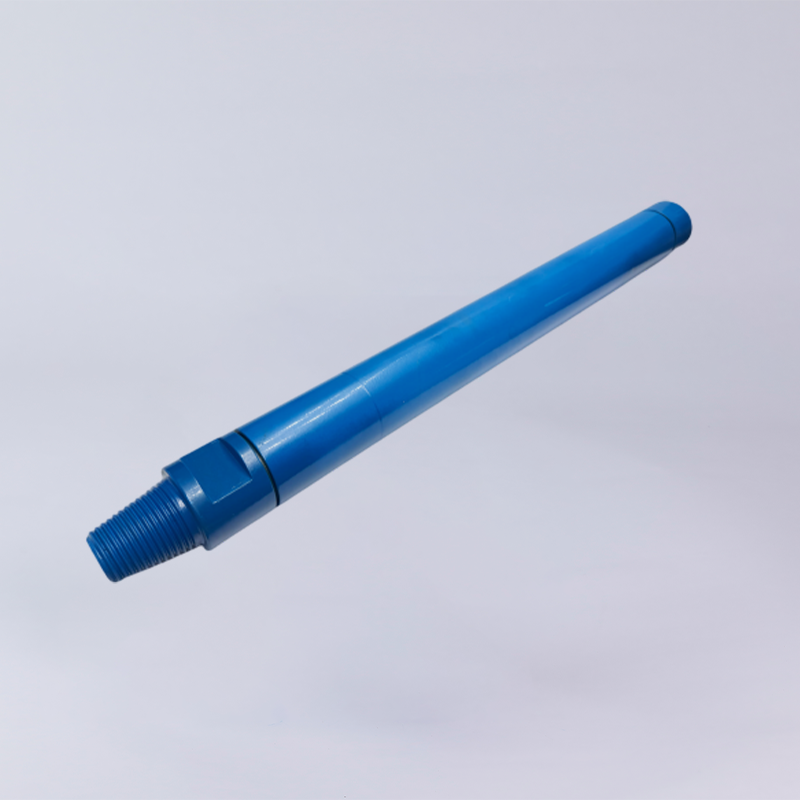
With the continuous development of mining, infrastructure construction, and geotechnical engineering, drilling operations are facing increasingly complex challenges, including deeper drilling requirements, larger hole diameters, harder rock formations, and more demanding construction environments. In open-pit mining, underground excavation, foundation engineering, and rock reinforcement projects, achieving high drilling efficiency while maintaining hole accuracy and operational reliability has become a critical factor affecting overall project performance.
Traditional rotary drilling methods can provide reliable performance in soft to medium-hard formations. However, when applied to hard rock conditions such as granite, basalt, quartzite, and other high-strength formations, conventional drilling methods often experience reduced penetration rates, increased tool wear, and higher energy consumption. These limitations make it difficult to meet the requirements of modern rock engineering projects that require faster drilling speeds, deeper holes, and improved construction efficiency.
Air DTH (Down-The-Hole) hammer pilot hole drilling technology has become an effective solution for challenging rock conditions due to its unique impact drilling mechanism. Unlike conventional rotary drilling, which mainly relies on rotational cutting force, a DTH hammer uses compressed air to drive a piston inside the hammer body, generating high-frequency impact energy directly at the bottom of the borehole. This direct impact action allows the drill bit to efficiently crush hard rock, improve penetration performance, and achieve better drilling results in complex geological formations.
In pilot hole drilling applications, the air DTH hammer provides several advantages, including high drilling efficiency, excellent hole straightness, effective cuttings removal, and strong adaptability to hard rock environments. By combining the DTH hammer, drill bit, drill pipe, drilling rig, and air compressor into an optimized drilling method, contractors can achieve more stable and efficient drilling performance.
This article provides a comprehensive overview of air DTH hammer pilot hole drilling technology, covering its working principles, construction procedures, field operation methods, and troubleshooting solutions. The key topics discussed include:
- What is air DTH hammer pilot hole drilling?
Understanding the definition, applications, and advantages of pilot hole drilling with pneumatic DTH hammers. - How does a DTH hammer work?
Exploring the internal working mechanism, impact energy transmission, and rock-breaking process of air-powered down-the-hole hammers. - What are the construction procedures?
Explaining the complete drilling workflow, including site preparation, equipment selection, drilling operation, parameter adjustment, and hole completion. - How to operate safely and efficiently?
Introducing field operation guidelines, equipment inspection procedures, and best practices to improve drilling performance and reduce equipment failure. - How to solve common drilling problems?
Analyzing typical issues such as hammer failure, slow penetration, drill bit wear, hole deviation, and drill pipe accidents, along with practical troubleshooting methods.
By understanding the principles and practical applications of air DTH hammer pilot hole drilling, engineers, drilling contractors, and equipment users can make better decisions regarding equipment selection, construction planning, and operational optimization for demanding rock engineering projects.
What Is Air DTH Hammer Pilot Hole Drilling?
Air DTH hammer pilot hole drilling is a rock drilling method that uses compressed air to power a down-the-hole (DTH) hammer, generating high-frequency impact energy directly at the bottom of the borehole. It is widely used for creating accurate pilot holes in hard rock formations before subsequent drilling, expansion, installation, or construction processes.
Unlike conventional drilling methods that mainly rely on rotational cutting force, DTH hammer drilling combines rotation with impact energy. The hammer delivers repeated impacts to the drill bit, allowing it to efficiently crush hard rock while compressed air removes drilling cuttings from the borehole.
This technology is commonly applied in mining, construction, geotechnical engineering, and underground projects where high drilling efficiency, good hole accuracy, and reliable performance in difficult geological conditions are required.
Definition of Pilot Hole Drilling
Pilot hole drilling refers to the process of creating a smaller-diameter guide hole before carrying out the final drilling or construction operation. The pilot hole serves as a reference path to improve drilling accuracy, control direction, and facilitate subsequent enlargement or installation procedures.
In many rock engineering projects, pilot holes are essential because they help reduce drilling risks, improve hole alignment, and provide a stable foundation for further operations.
The main purposes of pilot hole drilling include:
Providing a Guide Hole for Enlargement Operations
In large-diameter drilling projects, a pilot hole is often drilled first and then enlarged using reaming tools or larger drilling equipment. This method reduces the cutting load on the larger drill bit and improves overall drilling efficiency.
Typical applications include:
- Large diameter borehole construction
- Raise boring operations
- Shaft excavation projects
Supporting Casing and Pipe Installation
Pilot holes provide accurate pathways for:
- Casing pipes
- Support pipes
- Ground reinforcement systems
This is particularly important in unstable geological conditions where hole deviation must be minimized.
Improving Rock Bolt and Rock Reinforcement Construction
In slope stabilization, foundation reinforcement, and underground support projects, pilot holes are used for installing:
- Rock bolts
- Self-drilling anchors
- Cable anchors
Accurate hole positioning directly affects the quality and reliability of reinforcement systems.
Preparing Blasting Holes in Mining Operations
In mining applications, pilot drilling technology can be used to improve:
- Blast hole accuracy
- Drilling efficiency
- Excavation control
Especially in hard rock mines, DTH hammer pilot drilling provides better penetration performance compared with some conventional drilling methods.
Common Applications of Air DTH Hammer Pilot Hole Drilling
Air DTH hammer pilot hole drilling is widely used in various industries, including:
| Application Area | Typical Uses |
|---|---|
| Mining drilling | Blast holes, exploration holes, production drilling |
| Foundation engineering | Deep foundation holes, pile drilling preparation |
| Rock drilling | Slope stabilization, rock reinforcement |
| Large diameter hole construction | Pilot holes for hole enlargement |
| Underground engineering | Tunnels, shafts, underground support systems |
What Is an Air DTH Hammer?
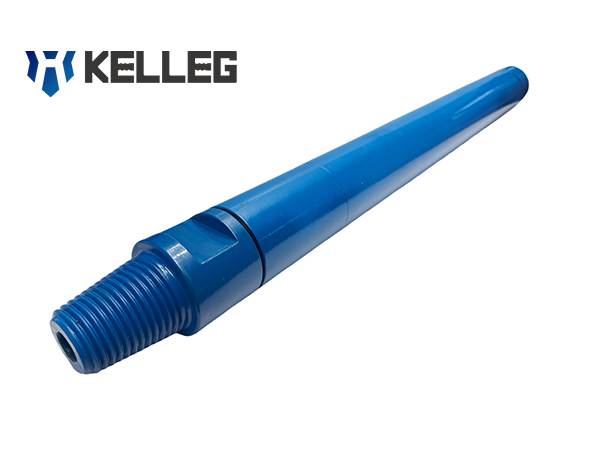
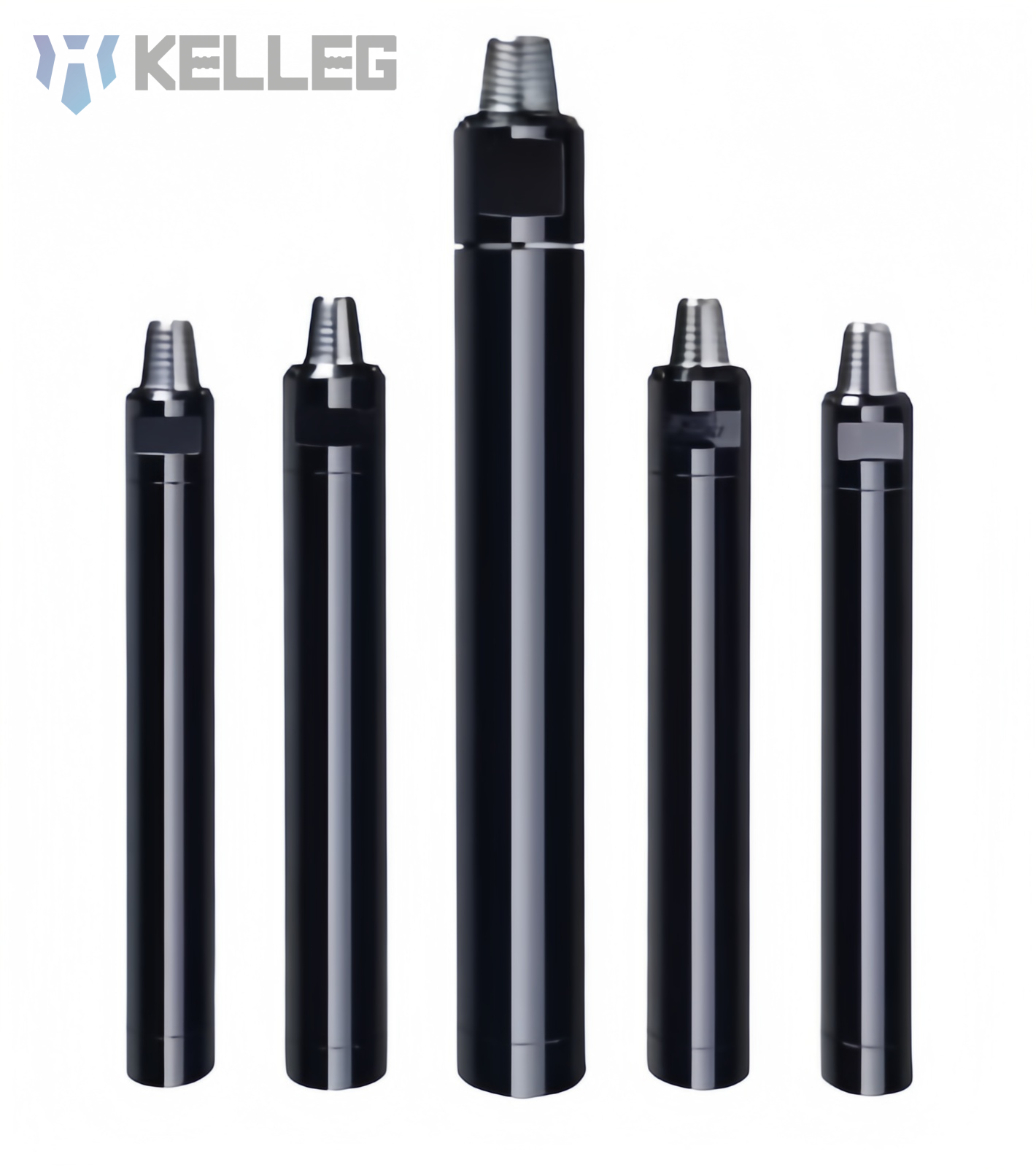
An air DTH hammer is a pneumatic drilling tool installed at the bottom of the drill pipe. It uses compressed air as the power source to drive an internal piston, which repeatedly impacts the drill bit and breaks rock directly at the bottom of the borehole.
Because the hammer operates close to the drill bit, impact energy loss is significantly reduced compared with surface impact drilling. This makes DTH hammers especially effective for deep-hole and hard-rock drilling applications.
Main Components of an Air DTH Hammer
The main components of an air DTH hammer include the outer casing, check valve, spring, gas distribution rod, cylinder, piston, guide sleeve, O-rings, retaining ring, and front joint. Each component plays an important role in controlling airflow, generating impact energy, maintaining stability, and ensuring efficient rock breaking.
Outer Casing
The outer casing is the main protective body of the DTH hammer.
Main functions:
- Protect internal components from external impact and wear
- Withstand high-pressure working conditions during drilling operations
- Maintain the overall structural strength and stability of the hammer
The outer casing also provides a reliable housing for internal moving parts, ensuring long-term operation in harsh drilling environments.
Check Valve
The check valve controls the direction and flow of compressed air entering the DTH hammer.
Main functions:
- Regulate airflow into the hammer mechanism
- Ensure proper piston movement
- Prevent abnormal airflow during operation
A properly functioning check valve is essential for maintaining stable hammer performance and impact efficiency.
Spring
The spring is an internal elastic component that assists the movement cycle of the hammer.
Main functions:
- Provide restoring force during piston movement
- Support stable operation of internal components
- Improve the consistency of the impact cycle
Gas Distribution Rod
The gas distribution rod is responsible for controlling compressed air circulation inside the hammer.
Main functions:
- Direct compressed air through internal air passages
- Control air inlet and exhaust processes through exhaust holes and air ducts
- Coordinate the reciprocating movement of the piston
The gas distribution system directly affects the impact frequency and energy efficiency of the DTH hammer.
Cylinder
The cylinder is the main working chamber that houses the piston and controls its reciprocating motion.
Inside the cylinder, two air chambers are formed:
- Front air chamber
- Rear air chamber
These chambers work together to control the forward stroke and return stroke of the piston.
Main functions:
- Guide piston movement
- Create pressure differences required for piston operation
- Maintain stable impact performance
Piston
The piston is the key energy-transfer component inside an air DTH hammer.
Driven by compressed air pressure, the piston performs high-speed reciprocating motion and transfers impact energy to the drill bit.
Main functions:
- Convert compressed air energy into mechanical impact force
- Generate repeated impact actions
- Transfer impact energy through the front joint to the drill bit
The performance of the piston directly influences drilling efficiency and impact power.
Guide Sleeve
The guide sleeve provides accurate guidance for piston movement inside the hammer.
Main functions:
- Maintain piston alignment during reciprocating movement
- Reduce vibration and mechanical wear
- Improve operational stability
A properly designed guide sleeve helps extend hammer service life and maintain consistent drilling performance.
O-Ring
O-rings are sealing components installed between internal parts.
Main functions:
- Prevent compressed air leakage
- Maintain internal pressure balance
- Improve energy utilization efficiency
Damaged or worn O-rings may cause air loss and reduce hammer impact performance.
Retaining Ring
The retaining ring is used to secure internal components and maintain structural integrity.
Main functions:
- Fix internal parts in their correct positions
- Prevent component displacement during operation
- Improve overall reliability of the hammer assembly
Front Joint
The front joint connects the internal hammer mechanism with the DTH drill bit.
Main functions:
- Transfer impact energy from the piston to the drill bit
- Provide a secure connection between hammer and bit
- Maintain efficient energy transmission during drilling
Difference Between DTH Hammer Drilling and Conventional Rotary Drilling
Although both DTH hammer drilling and rotary drilling are widely used in rock engineering, their rock-breaking mechanisms and suitable applications are different.
The main difference is that DTH drilling relies primarily on impact energy, while rotary drilling depends mainly on rotational cutting or shearing force.
| Item | DTH Hammer Drilling | Conventional Rotary Drilling |
|---|---|---|
| Rock breaking method | Impact crushing through high-frequency hammer blows | Cutting and shearing through rotational force |
| Main energy source | Compressed air-driven piston impact | Hydraulic or mechanical rotary torque |
| Suitable formations | Hard rock, abrasive rock, high-strength formations | Soft to medium-hard formations |
| Drilling speed | High penetration efficiency in hard rock | Performance decreases in very hard formations |
| Hole quality | Better hole straightness and accuracy | More affected by formation changes |
| Energy transmission | Direct impact energy at borehole bottom | Torque transmitted through drill pipe |
| Cuttings removal | Mainly through compressed air flushing | Usually through mud, air, or other flushing systems |
| Tool wear | Lower when parameters are optimized | Can increase significantly in abrasive rock |
| Typical applications | Mining, deep holes, hard rock drilling, anchor holes | Soil drilling, soft formations, general rotary drilling |
Why Choose Air DTH Hammer Pilot Hole Drilling?
For hard rock engineering projects, air DTH hammer pilot hole drilling provides several advantages:
- Higher drilling efficiency in hard formations
- Better borehole accuracy
- Effective removal of rock cuttings
- Reduced drilling time
- Strong adaptability to complex geological conditions
Therefore, it has become a preferred drilling technology for mining operations, large-scale construction projects, and geotechnical engineering applications requiring reliable performance in challenging rock environments.
Construction Characteristics of Air DTH Hammer Pilot Hole Drilling
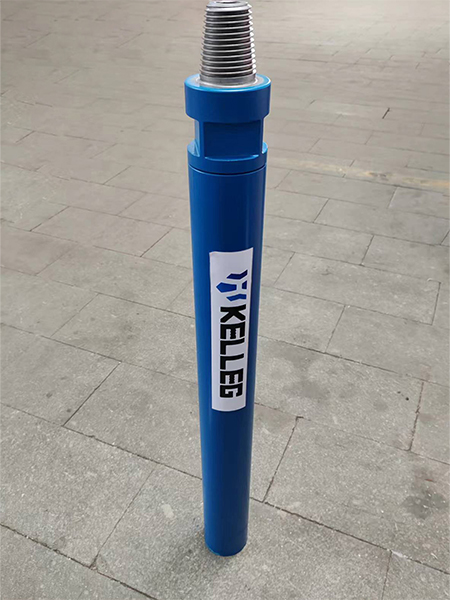
Air DTH hammer pilot hole drilling is widely recognized as an efficient solution for rock engineering projects due to its unique impact drilling mechanism and excellent adaptability to complex geological conditions. By combining high-frequency impact energy, rotary cutting action, and compressed air flushing, the DTH hammer can significantly improve drilling efficiency while maintaining borehole stability and accuracy.
Compared with conventional drilling methods, air DTH hammer pilot hole drilling provides better performance in hard rock formations and challenging ground conditions. Its construction characteristics mainly include high impact energy utilization, efficient rock breaking, improved soil and rock compaction effects, and enhanced borehole stability.
High Impact Energy and Efficient Rock Breaking Capability
One of the most significant characteristics of air DTH hammer pilot hole drilling is its ability to generate high-frequency impact energy directly at the bottom of the borehole.
During operation, compressed air drives the piston inside the DTH hammer to perform rapid reciprocating movement. The piston transfers impact energy through the front joint to the drill bit, allowing the bit to continuously strike and crush the rock formation.
Compared with traditional rotary drilling methods that mainly rely on cutting and shearing forces, DTH hammer drilling converts compressed air energy into mechanical impact energy, which is more effective for breaking hard and dense formations.
The advantages include:
- Higher penetration rate in hard rock conditions
- Reduced resistance during drilling
- Improved energy utilization efficiency
- Lower dependence on excessive rotational torque
This makes air DTH hammer pilot hole drilling particularly suitable for:
- Granite formations
- Basalt layers
- Hard limestone
- High-strength rock masses
- Complex geological environments
Improved Drilling Efficiency Through Impact and Vibration Effects
Air DTH hammer drilling combines impact drilling and vibration-assisted drilling characteristics, allowing the drilling system to maintain stable penetration performance during construction.
The continuous impact generated by the hammer produces dynamic stress waves that propagate into the surrounding rock or soil structure. These stress waves help weaken the original structure of the formation, reduce drilling resistance, and improve the efficiency of rock fragmentation.
During the drilling process:
- The DTH bit impacts the formation repeatedly.
- Impact energy creates cracks and fractures inside the rock.
- Broken particles are separated from the original structure.
- Compressed air removes cuttings from the borehole.
This continuous cycle improves drilling speed and reduces the time required for pilot hole construction.
Improvement of Formation Density and Borehole Stability
In geotechnical anchoring and foundation engineering applications, air DTH hammer drilling can also influence the surrounding formation structure.
The impact force generated during drilling is transmitted into the surrounding soil or rock. In certain soil conditions, repeated dynamic loading can improve particle rearrangement and increase local compaction.
The main effects include:
- Reduction of soil void ratio
- Increased formation density
- Improved particle contact
- Enhanced interaction between soil particles
As a result, the surrounding formation may achieve better stability and improved bearing performance, which is beneficial for subsequent construction activities such as:
- Anchor installation
- Foundation reinforcement
- Rock support systems
- Ground improvement projects
Excellent Hole Stability and Load-Bearing Performance
Maintaining borehole stability is a critical requirement in rock engineering and anchoring projects.
Air DTH hammer pilot hole drilling helps improve borehole quality through:
Accurate Hole Formation
The hammer is positioned directly behind the drill bit, allowing impact energy to act along the drilling axis. This helps reduce deviation and improves hole straightness.
Effective Cuttings Removal
Compressed air performs two functions:
- Powering the DTH hammer
- Flushing broken rock particles out of the hole
Efficient cuttings removal reduces the risk of:
- Bit blockage
- Repeated crushing of rock fragments
- Borehole collapse caused by poor cleaning
Stable Borehole Structure
A properly constructed pilot hole provides:
- Better installation conditions for rock bolts and casing
- Improved contact between reinforcement materials and surrounding formation
- Higher reliability of subsequent construction operations
Strong Adaptability to Complex Geological Conditions
Another important advantage of air DTH hammer pilot hole drilling is its adaptability to various geological environments.
It can effectively handle formations with:
- High hardness
- Strong abrasiveness
- Fractured rock structures
- Variable geological conditions
Compared with conventional drilling methods, DTH hammer technology maintains better drilling performance because the impact energy is delivered directly to the rock-breaking point.
Typical applications include:
- Mining production drilling
- Slope stabilization
- Underground engineering
- Foundation construction
- Large-diameter hole preparation
Advantages of Air DTH Hammer Pilot Hole Drilling in Engineering Applications
Based on its working characteristics, air DTH hammer pilot hole drilling provides several practical benefits:
| Construction Characteristic | Engineering Advantage |
|---|---|
| High-frequency impact energy | Faster rock breaking and higher penetration rate |
| Direct energy transmission at hole bottom | Reduced energy loss and improved efficiency |
| Compressed air flushing | Effective cuttings removal and cleaner boreholes |
| Stable drilling direction | Improved hole accuracy and reduced deviation |
| Impact-assisted formation improvement | Better borehole stability in suitable conditions |
| Strong geological adaptability | Suitable for complex and hard rock formations |
The construction characteristics of air DTH hammer pilot hole drilling are mainly reflected in its high impact energy, efficient rock-breaking capability, improved drilling efficiency, effective cuttings removal, and excellent adaptability to difficult geological conditions.
By utilizing compressed air to drive high-frequency impact motion, the DTH hammer can significantly improve drilling performance in hard rock environments. In geotechnical anchoring, foundation engineering, mining, and underground construction projects, this technology provides a reliable solution for achieving accurate, stable, and efficient pilot hole construction.
Working Principle of Air DTH Hammer Pilot Hole Drilling
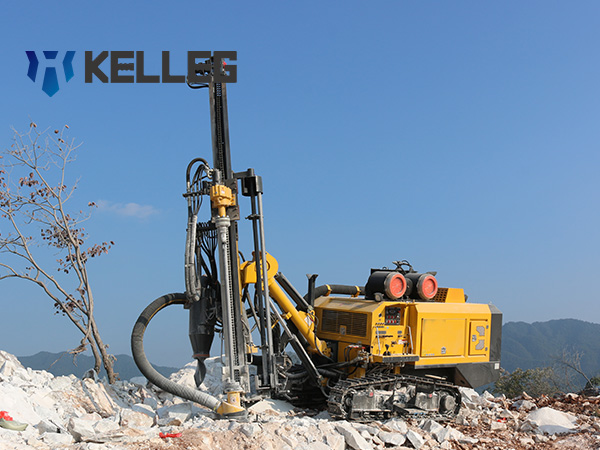
Air DTH hammer pilot hole drilling is a drilling technology that combines rotary motion, pneumatic impact energy, and compressed air flushing to achieve efficient rock breaking and borehole formation. Unlike conventional drilling methods that mainly rely on cutting or shearing forces, the DTH hammer directly transfers impact energy to the drill bit at the bottom of the borehole, enabling efficient penetration in hard rock formations.
The working principle of this technology can be analyzed from two aspects: construction process and impact mechanism.
Construction Process Analysis of Air DTH Hammer Pilot Hole Drilling
In practical engineering projects, the selection of drilling methods should be based on geological conditions, construction requirements, and project objectives. A combined drilling approach can often improve overall construction efficiency.
For foundation engineering, anchoring projects, and complex rock formations, air DTH hammer drilling can be combined with other drilling technologies, such as rotary drilling equipment or long auger systems, to achieve better adaptability and construction performance.
Equipment Preparation and Drilling Tools Configuration
Before drilling begins, the construction team needs to select suitable equipment according to:
- Geological conditions
- Required hole diameter
- Drilling depth
- Rock hardness
- Construction environment
A typical air DTH hammer drilling system includes:
- Drilling rig
- Drill pipe
- Air compressor
- DTH hammer
- DTH drill bit
- Auxiliary lifting and support equipment
The drilling rig provides rotational movement and axial pressure, while the compressed air system supplies energy for hammer operation and cuttings removal.
Initial Drilling and Hole Positioning
During the initial stage of drilling, the drill bit is accurately positioned according to the designed hole location.
The drilling equipment gradually applies:
- Rotation torque
- Feed pressure
- Compressed air supply
to allow the DTH hammer to penetrate the formation.
Proper positioning at the beginning of drilling is essential because it directly affects:
- Hole deviation control
- Subsequent drilling accuracy
- Stability of the pilot hole
Rock Penetration and Continuous Drilling Process
When the drill bit enters the rock formation, the DTH hammer begins continuous impact operation.
The drilling process involves:
- The compressor delivers high-pressure air into the hammer.
- Compressed air drives the internal piston.
- The piston generates repeated impact movements.
- Impact energy is transferred to the drill bit.
- The drill bit crushes the rock at the hole bottom.
- Compressed air removes broken rock particles.
This continuous impact-drilling cycle allows the DTH hammer to maintain high penetration efficiency, especially in hard and abrasive formations.
Coordination Between DTH Hammer Drilling and Auxiliary Technologies
In some foundation and geotechnical engineering projects, DTH hammer drilling can work together with other drilling technologies.
For example:
Combination with Rotary Drilling
Rotary drilling equipment can be used for:
- Soil layer penetration
- Hole positioning
- Preliminary drilling
The DTH hammer is then applied when encountering hard rock layers to improve penetration efficiency.
Combination with Long Auger Concrete Technology
In pile foundation construction, long auger technology provides advantages such as:
- Low noise
- Low vibration
- Reduced environmental impact
- Continuous material delivery
By combining different drilling methods, contractors can overcome changing geological conditions and improve construction quality.
Hole Cleaning and Completion
One of the important characteristics of air DTH hammer drilling is the use of compressed air for efficient hole cleaning.
During drilling:
- Rock fragments generated by impact are continuously broken away.
- High-speed airflow carries cuttings upward.
- The bottom of the borehole remains relatively clean.
Effective hole cleaning helps:
- Prevent repeated crushing of rock particles
- Reduce drilling resistance
- Improve drilling speed
- Maintain borehole quality
After reaching the designed depth, the hole can be prepared for subsequent operations, including:
- Anchor installation
- Casing placement
- Expansion drilling
- Foundation construction
Working Principle of Air DTH Hammer Pilot Hole Drilling
The working principle of an air DTH hammer is based on the conversion of compressed air energy into mechanical impact energy.
The complete working process can be described as follows:
Step 1: Compressed Air Supply
The air compressor provides high-pressure compressed air through the drill pipe into the DTH hammer.
Compressed air performs two key functions:
- Driving the internal hammer mechanism
- Flushing rock cuttings from the borehole
Step 2: High-Frequency Piston Reciprocating Movement
Inside the DTH hammer, compressed air enters different air chambers and creates pressure differences.
These pressure changes drive the piston to move back and forth at high frequency.
The piston movement generates continuous impact energy.
Step 3: Impact Energy Transfer to Drill Bit
The piston repeatedly strikes the front impact surface, transferring energy through the front joint to the DTH drill bit.
The drill bit then applies impact force directly to the rock at the bottom of the borehole.
This direct energy transmission reduces energy loss and improves drilling efficiency.
Step 4: Rock Crushing Through Impact Force
When the drill bit impacts the rock:
- Compressive stress is generated inside the rock
- Cracks gradually develop
- Rock particles become separated
- The formation is crushed into smaller fragments
Compared with traditional cutting methods, impact crushing is more effective for hard and brittle rock formations.
Step 5: Cuttings Removal by Compressed Air
After rock crushing, compressed air flows through the drill bit and carries broken rock particles out of the borehole.
This process:
- Cleans the hole bottom
- Prevents bit blockage
- Reduces secondary crushing of rock fragments
- Improves drilling efficiency
Advantages of Air DTH Hammer Working Mechanism
Based on the above working process, air DTH hammer pilot hole drilling provides several engineering advantages:
| Working Feature | Engineering Benefit |
|---|---|
| High-frequency impact energy | Efficient hard rock breaking |
| Direct impact at hole bottom | Reduced energy loss |
| Continuous air flushing | Better hole cleaning |
| Rotary and impact combination | Improved penetration performance |
| Dry drilling capability | Reduced environmental pollution |
| Stable drilling direction | Better borehole accuracy |
The working principle of air DTH hammer pilot hole drilling is based on the efficient conversion of compressed air energy into high-frequency impact force. Through the combined action of impact, rotation, and air flushing, the technology can effectively break hard rock, remove drilling cuttings, and maintain stable borehole conditions.
This makes air DTH hammer drilling an ideal solution for challenging applications such as mining, foundation engineering, anchor construction, underground projects, and large-diameter hole preparation where high efficiency, accuracy, and environmental performance are required.
Air DTH Hammer Pilot Hole Drilling Construction Process
The construction process of air DTH hammer pilot hole drilling involves a series of systematic operations, including site preparation, equipment installation, drilling parameter adjustment, pilot hole formation, and hole completion. A properly organized construction procedure is essential to ensure drilling accuracy, improve penetration efficiency, reduce equipment wear, and prevent common drilling failures.
Unlike conventional drilling methods, DTH hammer pilot hole drilling requires effective coordination between the drilling rig, air compressor, drill pipes, DTH hammer, and drill bit. The performance of the entire drilling method depends not only on equipment selection but also on the optimization of operating parameters such as air pressure, rotation speed, and feed force.
The typical construction workflow includes:
Site preparation → Equipment installation → Hole positioning and alignment → Initial drilling → Continuous drilling → Hole cleaning → Final inspection and completion
Site Preparation Before Drilling
Before starting air DTH hammer pilot hole drilling, a comprehensive site investigation and preparation process should be carried out to ensure safe and efficient operation.
Geological Investigation
Understanding geological conditions is the first step in selecting suitable drilling parameters and equipment.
The investigation should consider:
- Rock hardness
- Formation changes
- Fracture development
- Groundwater conditions
- Presence of loose or unstable layers
Different geological conditions directly affect:
- DTH hammer selection
- Drill bit design
- Air pressure requirements
- Drilling speed
For example, hard and abrasive formations such as granite or basalt generally require high-impact DTH hammers and wear-resistant drill bits, while fractured formations may require additional hole stabilization measures.
Construction Platform Preparation
A stable working platform is essential for maintaining drilling accuracy.
Preparation work includes:
- Leveling the drilling area
- Removing obstacles around the operation zone
- Ensuring sufficient space for equipment movement
- Establishing safe equipment placement areas
An unstable working surface may cause:
- Drill rig vibration
- Hole deviation
- Equipment instability
- Reduced drilling efficiency
Equipment Selection and Installation
A complete air DTH hammer drilling system requires proper matching between each component.
The main components include:
- Drilling rig
- Air compressor
- Drill pipe
- DTH hammer
- DTH drill bit
- Supporting tools and accessories
Drilling Rig Setup
The drilling rig provides:
- Rotation force
- Feed pressure
- Lifting and positioning functions
During installation, operators should ensure:
- The rig is positioned correctly
- The mast is aligned vertically
- The drilling axis matches the designed hole direction
Accurate equipment positioning helps improve hole straightness and reduce deviation.
Air Compressor Configuration
The air compressor is one of the most important components in DTH hammer drilling.
It provides compressed air for:
- Driving the hammer piston
- Cooling the drill bit
- Removing drilling cuttings
The compressor should be selected according to:
- Hammer size
- Drilling depth
- Hole diameter
- Formation conditions
Insufficient air supply may result in:
- Reduced impact energy
- Lower penetration rate
- Poor hole cleaning
- Increased risk of hammer blockage
DTH Hammer and Drill Bit Installation
Before operation, the DTH hammer system should be inspected carefully.
Key inspection points include:
- Hammer internal lubrication
- Drill bit button condition
- Thread connection quality
- Wear condition of components
The drill bit selection should match:
- Rock hardness
- Abrasiveness
- Required drilling speed
Proper hammer-bit matching is critical for improving drilling efficiency and extending tool service life.
Hole Positioning and Initial Drilling
After equipment installation, the drilling operation begins with accurate hole positioning.
The operator should confirm:
- Designed drilling location
- Drilling angle
- Vertical or directional requirements
During initial drilling, lower operating parameters are recommended.
Typical practices include:
- Applying moderate feed pressure
- Maintaining stable rotation speed
- Ensuring sufficient air supply
The purpose of the initial stage is to create a stable guide section and prevent:
- Hole deviation
- Excessive vibration
- Drill bit damage
Continuous DTH Hammer Drilling Operation
Once the pilot hole becomes stable, the drilling process enters the continuous drilling stage.
During this stage, the DTH hammer performs repeated impact cycles:
- Compressed air enters the hammer.
- The piston moves at high frequency.
- Impact energy is transferred to the drill bit.
- The drill bit crushes the rock.
- Airflow removes cuttings from the hole.
The operator must continuously monitor drilling conditions and adjust parameters according to geological changes.
Optimization of Drilling Parameters
Proper control of drilling parameters is essential for achieving maximum drilling performance.
The main operating parameters include:
Air Pressure and Air Volume
Compressed air directly affects hammer performance.
Appropriate air supply can:
- Increase impact efficiency
- Improve cuttings removal
- Reduce hammer downtime
However, excessive or insufficient air supply may affect drilling stability.
Rotation Speed
Rotation speed determines how effectively the drill bit contacts fresh rock surfaces.
Incorrect rotation speed may cause:
- Reduced penetration rate
- Uneven bit wear
- Poor drilling efficiency
The optimal rotation speed depends on:
- Rock hardness
- Bit design
- Hammer size
Feed Pressure
Feed pressure controls the force pushing the drill bit into the formation.
Proper feed pressure can:
- Improve rock-breaking efficiency
- Maintain stable drilling speed
Excessive feed pressure may lead to:
- Drill bit damage
- Hammer overload
- Drill pipe stress
Borehole Cleaning and Cuttings Removal
Efficient borehole cleaning is a key factor affecting DTH drilling performance.
During operation, compressed air continuously flows through the drill bit and carries broken rock particles upward.
Effective flushing helps:
- Prevent cuttings accumulation
- Reduce repeated crushing of rock fragments
- Maintain drilling speed
- Improve hole quality
Poor hole cleaning may cause:
- Reduced penetration rate
- Increased energy consumption
- Drill bit blockage
- Hammer failure
Pilot Hole Completion and Inspection
After reaching the designed drilling depth, the pilot hole should be inspected before proceeding with subsequent operations.
Completion procedures include:
Final Hole Cleaning
Continue air flushing to remove remaining rock particles.
Equipment Withdrawal
Slowly remove:
- Drill pipe
- DTH hammer
- Drill bit
to prevent damage to the borehole wall.
Hole Quality Inspection
Inspection items include:
- Hole depth
- Hole diameter
- Hole deviation
- Borehole stability
A properly completed pilot hole provides reliable conditions for:
- Hole enlargement
- Anchor installation
- Casing installation
- Foundation construction
Best Practices for Improving Construction Efficiency
To achieve stable and efficient air DTH hammer pilot hole drilling performance, operators should follow these practices:
Select the Correct Hammer and Bit Combination
The DTH hammer and drill bit should match the:
- Rock type
- Hole diameter
- Drilling depth
Maintain Stable Air Supply
Ensure the compressor provides sufficient:
- Pressure
- Air volume
- Continuous airflow
Adjust Parameters According to Formation Changes
Drilling parameters should be optimized based on:
- Rock hardness
- Fracture conditions
- Drilling performance
Perform Regular Equipment Maintenance
Routine inspection should include:
- Hammer lubrication
- Bit wear checking
- Drill pipe inspection
- Thread maintenance
The construction process of air DTH hammer pilot hole drilling requires close coordination between equipment selection, drilling operation, parameter control, and hole quality management.
By following a systematic construction procedure, operators can maximize the advantages of DTH hammer technology, including:
- High drilling efficiency
- Improved hole accuracy
- Better hard rock penetration capability
- Reduced equipment failure risk
Therefore, air DTH hammer pilot hole drilling has become an effective and reliable technology for mining, foundation engineering, anchoring projects, and other challenging rock engineering applications.
Field Operation Guidelines and Best Practices for Air DTH Hammer Drilling
Proper field operation is essential for maximizing the performance, reliability, and service life of an air DTH hammer drilling system. Although DTH hammer technology provides high drilling efficiency in hard rock formations, improper operation, insufficient maintenance, or incorrect parameter control may lead to problems such as reduced impact performance, drill tool damage, drilling delays, and equipment failure.
Before and during drilling operations, operators should follow standardized procedures, including equipment inspection, air system preparation, controlled drilling startup, parameter monitoring, and timely troubleshooting.
Pre-Operation Inspection and Equipment Preparation
Before starting drilling operations, the construction team should complete a comprehensive inspection of the drilling system to ensure all equipment is in proper working condition.
The preparation process includes:
- DTH hammer inspection and maintenance
- Air supply system inspection
- Drill pipe and connection checking
- Drill bit condition assessment
- Drilling rig function testing
Proper preparation can reduce unexpected failures and improve drilling efficiency.
DTH Hammer Maintenance Before Drilling
The DTH hammer is the core component of the drilling system and requires regular maintenance before operation.
Key maintenance tasks include:
Cleaning Internal Components
During long-term operation, dust, rock particles, and impurities may enter the hammer system and affect internal movement.
Regular cleaning helps:
- Maintain smooth piston movement
- Prevent internal blockage
- Improve impact efficiency
- Extend hammer service life
Checking Lubrication Condition
Adequate lubrication is essential for reducing friction between internal components.
Operators should check:
- Lubricating oil supply
- Internal wear conditions
- Moving component performance
Insufficient lubrication may result in:
- Excessive heat generation
- Component wear
- Reduced impact force
- Premature hammer failure
Inspection of Compressed Air Supply System
The compressed air system directly affects DTH hammer performance because it provides energy for piston movement and cuttings removal.
Before the first drilling operation, operators should verify that:
- Air compressor works normally
- High-pressure pipelines are properly connected
- Air hoses have no cracks or leakage
- Valves and connections are secure
Any damaged components should be repaired or replaced before drilling begins.
Failure to maintain the air supply system may cause:
- Insufficient impact energy
- Unstable hammer operation
- Reduced drilling speed
Controlled Drill Pipe Lowering Operation
During the first lowering operation, the drill pipe should be handled carefully to prevent mechanical damage.
Operators should:
- Coordinate between the drilling rig operator and ground workers
- Control the lifting equipment smoothly
- Avoid excessive pulling force
- Prevent bending or deformation of drill pipes
Improper lowering operations may cause:
- Drill pipe bending
- Thread damage
- Connection failure
- Difficulty during subsequent drilling
Gradual Increase of Air Pressure Before Drilling
After the drill tool enters the borehole, the operator should gradually increase air pressure instead of applying maximum pressure immediately.
This controlled startup process helps:
- Protect high-pressure pipelines
- Stabilize airflow
- Avoid sudden pressure impact
- Ensure smooth hammer operation
Sudden pressure increases may cause:
- Pipeline vibration
- Connection damage
- Unstable hammer performance
Correct Hammer Startup at Hole Bottom
When the drill bit reaches the bottom of the borehole, the DTH hammer should immediately begin impact operation.
If the hammer fails to start properly, compressed air may flow irregularly inside the hammer, causing unstable pressure conditions.
Possible consequences include:
- Reduced impact force
- Lower drilling efficiency
- Insufficient hole depth
- Increased risk of internal component damage
Therefore, operators should confirm:
- Stable air supply
- Normal hammer impact sound
- Continuous drilling response
before continuing the drilling process.
Monitoring During Normal Drilling Operation
During continuous drilling, operators should constantly monitor drilling conditions and equipment performance.
Important parameters include:
Air Pressure Monitoring
Changes in air pressure may indicate:
- Air leakage
- Hammer malfunction
- Blocked airflow
- Poor hole cleaning
Airflow and Cuttings Discharge Observation
The exhaust airflow condition provides important information about drilling performance.
Abnormal airflow may indicate:
- Poor cuttings removal
- Drill bit blockage
- Borehole obstruction
Drilling Performance Monitoring
Operators should observe:
- Penetration speed
- Vibration condition
- Rotation resistance
- Impact response
Any abnormal changes should be investigated immediately.
Preventing Common Operational Failures
Correct operating practices can effectively prevent common DTH drilling problems.
Preventing Drill Bit Overheating and Burn Damage
A "burning drill" phenomenon may occur when:
- Air supply is insufficient
- Cuttings are not removed effectively
- Rotation speed is too high
- Feed pressure is excessive
Preventive measures:
- Maintain sufficient air volume
- Ensure continuous hole cleaning
- Adjust drilling parameters properly
- Monitor drilling resistance
Avoiding Excessive Equipment Stress
Operators should avoid:
- Excessive feed pressure
- Sudden pressure changes
- Forced drilling in abnormal conditions
Proper parameter adjustment helps protect:
- DTH hammer
- Drill bit
- Drill pipe
- Drilling rig
Best Practices for Efficient DTH Hammer Operation
To achieve stable drilling performance, operators should follow these best practices:
Perform Regular Equipment Inspection
Check:
- Hammer condition
- Drill bit wear
- Drill pipe connections
- Air system performance
Maintain Stable Operating Parameters
Avoid frequent fluctuations in:
- Air pressure
- Rotation speed
- Feed force
Respond Quickly to Abnormal Conditions
Stop and inspect the system if operators notice:
- Reduced impact force
- Abnormal vibration
- Sudden pressure changes
- Decreased drilling speed
Early troubleshooting can prevent major equipment failures.
Effective field operation of air DTH hammer drilling depends on proper preparation, correct operating procedures, and continuous equipment monitoring.
By performing regular maintenance, ensuring stable air supply, controlling drilling parameters, and responding quickly to abnormal conditions, operators can significantly improve drilling efficiency, reduce equipment downtime, and extend the service life of DTH drilling tools.
These operation guidelines are essential for achieving safe, reliable, and high-performance drilling results in mining, foundation engineering, anchoring, and underground construction projects.
Common Problems and Troubleshooting in Air DTH Hammer Drilling
During air DTH hammer drilling operations, equipment performance can be affected by various factors, including geological conditions, compressed air supply, drilling parameters, component wear, and improper operation. Although DTH hammer technology provides excellent drilling efficiency in hard rock formations, problems such as hammer failure, unstable air pressure, poor cuttings removal, and drill tool damage may still occur during field operations.
Effective troubleshooting requires operators to identify abnormal symptoms quickly, analyze the root causes, and apply appropriate corrective measures. Proper problem diagnosis not only reduces drilling downtime but also helps extend the service life of the DTH hammer, drill bit, and drill pipe.
DTH Hammer Stops Working or Loses Impact Force
One of the most common issues during DTH drilling is that the hammer suddenly stops impacting or the impact force becomes significantly weaker. This condition directly affects drilling efficiency and may cause the penetration rate to decrease sharply.
Typical symptoms include:
- No impact sound from the hammer
- Reduced vibration during drilling
- Significant decrease in drilling speed
- Drill bit unable to effectively break rock
Possible Causes
Insufficient Compressed Air Supply
The DTH hammer relies on compressed air to drive the internal piston. If the air pressure or air volume is insufficient, the piston cannot complete a normal reciprocating cycle.
Possible reasons include:
- Compressor capacity is insufficient
- Air pipeline leakage
- Damaged air hose
- Blocked air passage
Internal Hammer Blockage or Component Wear
During long-term operation, rock dust and impurities may enter the hammer system and affect internal movement.
Possible problems include:
- Piston movement obstruction
- Valve system failure
- Excessive internal wear
- Insufficient lubrication
Troubleshooting Solutions
- Check compressor pressure and air volume
- Inspect all air connections for leakage
- Clean internal hammer components
- Check lubrication condition
- Replace damaged internal parts if necessary
Regular maintenance of the DTH hammer is essential to maintain stable impact performance.
Sudden Increase in Air Pressure During Drilling
During normal drilling, operators may observe a sudden increase in air pressure on the pressure gauge. This abnormal condition usually indicates increased resistance inside the drilling system.
Common symptoms:
- Rapid pressure increase
- Reduced drilling speed
- Abnormal airflow
- Increased drilling resistance
Possible Causes
Poor Cuttings Removal
When rock fragments cannot be effectively discharged from the borehole, they accumulate around the drill bit and increase airflow resistance.
Reasons may include:
- Insufficient flushing air
- Excessive drilling speed
- Improper drilling parameters
- Borehole blockage
Borehole Collapse or Formation Instability
In fractured or unstable formations, loose materials may enter the borehole and restrict airflow circulation.
Troubleshooting Solutions
- Stop drilling immediately and check operating conditions
- Increase flushing efficiency
- Reduce feed pressure
- Adjust drilling speed
- Inspect borehole conditions
- Remove blockage if necessary
Timely treatment can prevent further problems such as hammer blockage or drill pipe damage.
Sudden Reduction of Air Pressure or Air Volume
A sudden decrease in air pressure or airflow can significantly reduce DTH hammer performance.
Typical symptoms:
- Weak impact force
- Reduced penetration rate
- Unstable drilling operation
- Poor cuttings discharge
Possible Causes
Air Leakage in the Supply System
Possible leakage points include:
- Air hoses
- Pipe connections
- Valves
- Compressor outlet
Compressor Performance Problems
The compressor may fail to provide sufficient airflow due to:
- Mechanical failure
- Incorrect settings
- Overloading
Internal Hammer Problems
Internal wear or damage may reduce airflow efficiency and impact performance.
Troubleshooting Solutions
- Check compressor operating conditions
- Inspect the entire air supply system
- Repair damaged pipelines
- Replace worn hammer components
- Confirm stable air pressure before restarting drilling
DTH Hammer or Drill Bit Blockage
Blockage is a serious problem that can interrupt drilling operations and potentially damage the drilling system.
Common symptoms:
- Drill bit stops advancing
- Rotation resistance increases
- Airflow becomes abnormal
- Drilling efficiency decreases significantly
Possible Causes
Poor Hole Cleaning
Insufficient airflow prevents rock cuttings from being removed effectively.
Excessive Feed Pressure
Too much drilling pressure may cause the drill bit to penetrate faster than cuttings can be discharged.
Complex Geological Conditions
Loose rock, fractured formations, or unstable layers may increase the risk of blockage.
Troubleshooting Solutions
- Stop applying excessive drilling pressure
- Lift the drill pipe carefully
- Increase flushing airflow
- Adjust drilling parameters
- Remove blockage using appropriate tools if required
Operators should avoid forcing the drill pipe because excessive force may cause drill pipe damage.
Drill Bit Wear or Failure
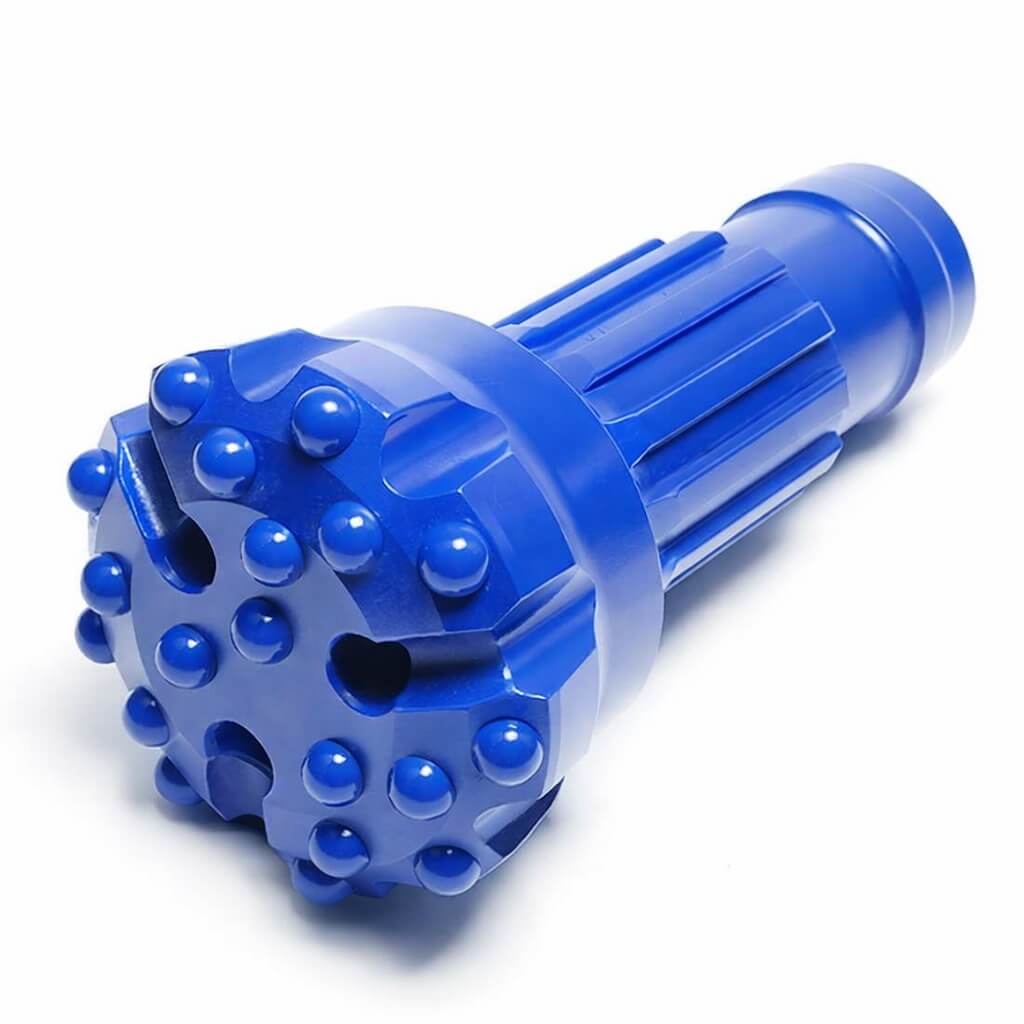
The DTH drill bit directly contacts the rock formation and experiences continuous impact and abrasion. Over time, wear will reduce drilling performance.
Typical symptoms:
- Lower penetration rate
- Increased vibration
- Poor rock-breaking efficiency
- Longer drilling time
Possible Causes
Incorrect Drill Bit Selection
Different formations require different bit designs.
Factors affecting bit performance include:
- Rock hardness
- Rock abrasiveness
- Formation structure
Improper Drilling Parameters
Excessive:
- Feed pressure
- Rotation speed
- Impact load
may accelerate bit wear.
Troubleshooting Solutions
- Replace severely worn drill bits
- Select suitable button types according to rock conditions
- Optimize rotation speed and feed pressure
- Inspect bit condition regularly
Proper bit selection is one of the most effective ways to improve drilling efficiency and reduce operating costs.
Drill Pipe Damage or Breakage
Drill pipe failure can cause serious downtime and increase maintenance costs.
Common symptoms:
- Sudden loss of drilling connection
- Abnormal vibration
- Difficulty retrieving drilling tools
Possible Causes
- Excessive torque
- Improper operation
- Thread damage
- Fatigue caused by repeated loading
- Drill pipe misalignment
Troubleshooting and Prevention
- Inspect drill pipe threads regularly
- Avoid excessive rotation torque
- Maintain proper alignment
- Replace damaged drill pipes immediately
Using high-quality drill pipes with proper heat treatment and thread design can significantly improve drilling reliability.
Hole Deviation Problems
Hole deviation occurs when the actual borehole direction differs from the designed trajectory.
This may affect:
- Anchor installation accuracy
- Hole enlargement operations
- Foundation construction quality
Possible Causes
- Uneven rock formations
- Excessive drilling pressure
- Incorrect equipment alignment
- Improper drill tool selection
Solutions
- Check drilling rig alignment
- Adjust feed pressure
- Reduce excessive vibration
- Select suitable guide tools
- Monitor drilling direction regularly
Handling Foreign Objects Inside the Borehole
During drilling, broken rock fragments or damaged components may remain inside the borehole and interfere with continued operation.
Possible Causes
- Drill bit damage
- Tool breakage
- Unstable formation conditions
Solutions
- Stop drilling immediately
- Use professional fishing tools to remove foreign objects
- Inspect drilling tools before restarting
- Ensure all components are properly maintained
Careful handling prevents secondary damage to the DTH hammer and drill pipe.
Drilling Problems in Different Rock Formations
Hard Rock Formation
Challenges:
- High drilling resistance
- Increased tool wear
Recommended measures:
- Use a high-performance DTH hammer
- Select wear-resistant drill bits
- Maintain sufficient air supply
- Optimize impact parameters
Soft or Broken Rock Formation
Challenges:
- Borehole instability
- Excessive cuttings
- Potential collapse
Recommended measures:
- Reduce feed pressure
- Adjust rotation speed
- Control drilling speed
- Improve hole cleaning
Troubleshooting Checklist for Air DTH Hammer Drilling
| Problem | Possible Cause | Recommended Action |
|---|---|---|
| Hammer stops working | Low air pressure, internal blockage | Check air supply and inspect hammer |
| Weak impact force | Air leakage, component wear | Repair system and replace worn parts |
| Pressure increases suddenly | Blocked airflow, poor cuttings removal | Improve flushing and adjust parameters |
| Pressure decreases suddenly | Pipeline leakage, compressor problem | Inspect air system |
| Drill bit wears quickly | Wrong bit selection, excessive load | Replace bit and optimize parameters |
| Drill pipe breaks | Excessive torque, fatigue damage | Check operation and drill pipe condition |
| Hole deviation | Incorrect alignment or parameters | Adjust drilling direction and pressure |
Common problems in air DTH hammer drilling are mainly related to compressed air supply, hammer performance, drilling parameters, geological conditions, and tool wear. Early identification of abnormal conditions and proper troubleshooting methods are essential for maintaining stable drilling operations.
By improving equipment maintenance, optimizing drilling parameters, selecting suitable drilling tools, and applying correct operating procedures, contractors can minimize downtime, improve drilling efficiency, and extend the service life of the entire DTH drilling system.
For mining, foundation engineering, anchor drilling, and underground construction projects, a systematic troubleshooting approach is a key factor in achieving safe, efficient, and reliable drilling performance.
Conclusion
Air DTH hammer pilot hole drilling technology has become an effective solution for hard rock drilling and complex geological engineering applications due to its unique impact drilling mechanism, high drilling efficiency, and strong adaptability.
By utilizing compressed air to drive the internal piston and generate high-frequency impact energy, the DTH hammer can directly transfer impact force to the drill bit at the bottom of the borehole. This working mechanism enables efficient rock crushing, improves penetration performance, and reduces the limitations commonly encountered in conventional rotary drilling methods.
Throughout the construction process, successful air DTH hammer pilot hole drilling depends on several key factors, including:
- Proper equipment selection and system configuration
- Accurate control of drilling parameters
- Effective compressed air management
- Continuous borehole cleaning
- Standardized field operation procedures
- Timely troubleshooting and equipment maintenance
In practical applications, air DTH hammer pilot hole drilling demonstrates significant advantages in mining, foundation engineering, anchor construction, underground projects, and large-diameter hole preparation. Its ability to maintain stable performance in hard, abrasive, and complex formations makes it a reliable drilling technology for modern rock engineering.
However, achieving optimal drilling results requires not only advanced equipment but also experienced operators who can adjust operating parameters according to geological conditions. Regular inspection of the DTH hammer, drill bit, drill pipe, and air supply system is essential to reduce failures, improve tool service life, and ensure construction safety.
With the continuous development of drilling equipment, automation technology, and intelligent monitoring systems, air DTH hammer pilot hole drilling will continue to play an important role in improving drilling efficiency, reducing construction costs, and supporting more challenging underground and surface engineering projects.