Introduction
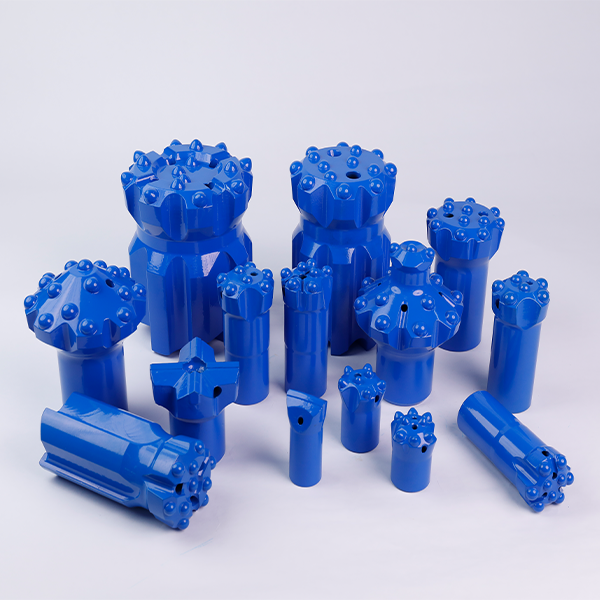
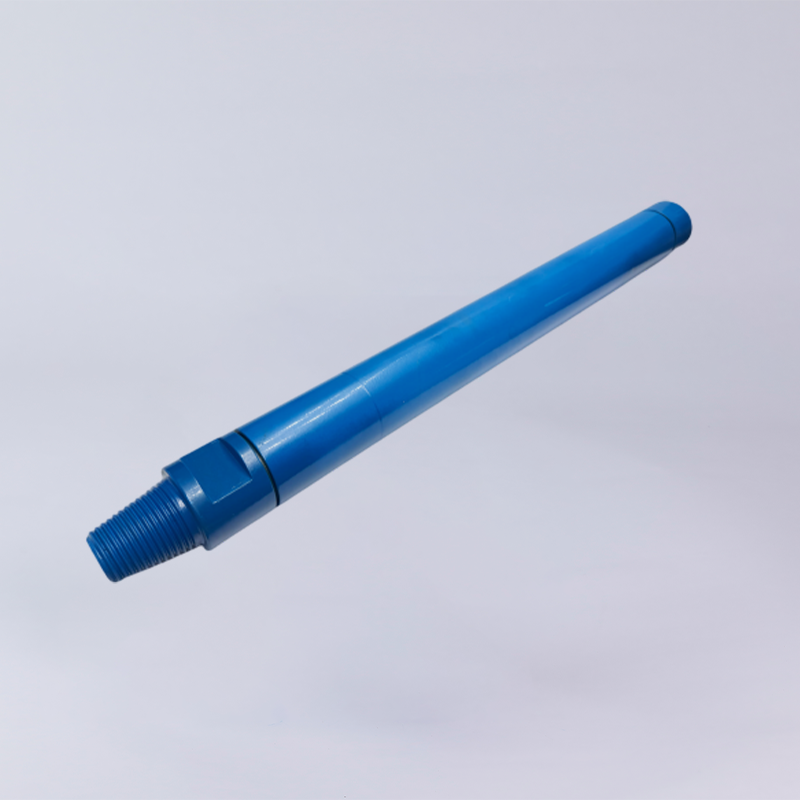
In rock foundation construction, pile installation, and anchoring projects, DTH hammer pre-drilling is widely used to overcome challenging geological conditions, especially in hard rock formations where conventional drilling methods may face low efficiency and excessive tool wear. By delivering high-impact energy directly to the drill bit, DTH hammers can achieve efficient rock breaking and stable drilling performance.
However, drilling efficiency alone does not determine project success. The quality of the pre-drilling hole directly affects subsequent construction processes, including pile installation, casing placement, and rock reinforcement operations. Any deviation or defect during drilling may lead to alignment problems, reduced structural performance, additional correction work, and increased construction risks.
Key construction aspects affected by DTH hammer pre-drilling quality include:
- Pile installation accuracy – The position and verticality of the drilled hole determine whether piles can be installed according to the designed coordinates and inclination requirements.
- Casing installation performance – An irregular or unstable borehole may cause difficulties during casing placement and affect construction efficiency.
- Rock reinforcement effectiveness – In anchoring and reinforcement applications, accurate hole geometry and cleanliness are essential for reliable grouting and load transfer.
- Overall construction safety – Poor drilling quality may increase operational risks, especially in complex formations or deep-hole applications.
During actual field operations, several quality-related problems commonly occur, including:
- Hole position deviation caused by inaccurate positioning, improper rig alignment, or unstable equipment setup.
- Borehole inclination and deviation resulting from geological variations, incorrect drilling parameters, or worn drilling tools.
- Insufficient hole cleaning caused by inadequate flushing efficiency, leading to excessive rock cuttings remaining at the bottom of the hole.
- Unstable borehole walls in fractured or weak formations, which may affect subsequent installation procedures.
- Safety hazards related to high-pressure air systems, such as air leakage, hose damage, and improper equipment handling.
To achieve consistent drilling quality, contractors need to focus not only on equipment performance but also on systematic quality control throughout the drilling process. This includes selecting suitable drilling tools, optimizing operating parameters, monitoring borehole conditions, and implementing effective safety measures.
This article will discuss the key quality control points of DTH hammer pre-drilling, analyze common construction problems and their causes, and provide practical preventive measures and safety guidelines to help improve drilling accuracy, reliability, and overall project performance.
Key Quality Requirements for DTH Hammer Pre-Drilling
Hole Position Accuracy and Drilling Alignment Control
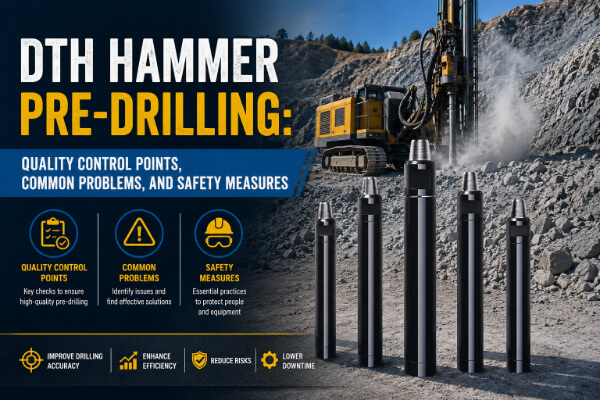
The accuracy of hole positioning is one of the most critical factors affecting the quality of DTH hammer pre-drilling, especially in pile foundation and rock anchoring applications. Any deviation between the designed drilling position and the actual borehole location may cause problems during pile installation, casing placement, and subsequent construction processes.
Before drilling begins, a professional surveying team should complete the positioning and setting-out work according to the project drawings. The drilling coordinates, drilling direction, and pile foundation layout should be carefully verified through multiple measurements to minimize positioning errors.
During equipment setup, the drilling rig and DTH hammer assembly must be accurately aligned with the designed drilling point. Operators should check the position of the hammer, drill mast verticality, and rig stability before starting the operation. If any deviation is detected, timely adjustments should be made to ensure that the drilling direction remains consistent with the design requirements.
Key control measures include:
- Conduct accurate surveying and setting-out before drilling.
- Verify drilling coordinates through independent measurements.
- Ensure the drilling rig is positioned on stable and level ground.
- Adjust support legs through the hydraulic system to maintain equipment balance.
- Check drill mast verticality before and during drilling.
- Continuously monitor hole position accuracy throughout the drilling process.
Proper positioning control helps prevent borehole deviation, reduces correction work, and ensures that the final pile position meets design requirements.
Borehole Dimension, Depth, and Quality Control During Pre-Drilling
During DTH hammer pre-drilling, borehole dimensions must strictly comply with engineering design requirements, including hole diameter, depth, and alignment. These parameters directly influence pile installation quality and the performance of subsequent foundation construction.
Before drilling, operators should confirm the required borehole diameter and depth based on project specifications. During the drilling process, dedicated personnel should monitor drilling depth, penetration speed, and drilling conditions to identify abnormal situations at an early stage.
Common factors affecting borehole quality include:
- Incorrect drilling depth
- Excessive borehole deviation
- Poor removal of rock cuttings
- Borehole wall instability
- Excessive enlargement of the drilling diameter
Quality control measures:
Monitor drilling parameters continuously
Operators should observe:
- Drilling depth
- Penetration speed
- Air pressure conditions
- Cutting discharge performance
Any abnormal changes may indicate geological variation, tool wear, or drilling instability and should be investigated immediately.
Maintain effective hole cleaning
During DTH drilling, compressed air plays an important role in removing broken rock fragments. Insufficient flushing may cause:
- Accumulation of rock debris
- Reduced drilling efficiency
- Increased risk of bit jamming
- Poor borehole quality
Therefore, operators should ensure continuous and effective flushing during drilling and regularly remove accumulated debris around the hole entrance.
Prevent borehole wall damage
When using larger diameter drilling tools, the clearance between the drill rod and borehole wall may become smaller. Under improper operating conditions, excessive air pressure or vibration may affect borehole stability and damage the hole wall.
To maintain borehole integrity:
- Optimize drilling speed according to geological conditions.
- Avoid excessive impact force in unstable formations.
- Reduce drilling pressure when encountering fractured or weak rock.
- Adjust operating parameters to prevent collapse or wall damage.
Effective borehole control ensures that the pre-drilled hole provides a stable and reliable foundation for subsequent pile installation.
Pile Installation Quality Control After Pre-Drilling
The quality of pile installation is closely related to the accuracy of DTH hammer pre-drilling. Even when the borehole is completed, improper pile installation procedures may still cause deviation, inclination, or structural defects.
Before pile driving, construction teams should develop a reasonable installation sequence considering:
- Equipment movement requirements
- Pile transportation conditions
- Site operation space
- Ground deformation risks
Key control measures include:
Optimize pile driving sequence
A reasonable pile driving sequence helps reduce soil displacement and minimize the impact on surrounding structures.
Recommended practices:
- Drive piles from the center toward the surrounding area.
- Follow a sequence from deeper piles to shallower piles when applicable.
- Avoid random pile installation that may cause uneven ground movement.
- Plan equipment routes to prevent unnecessary disturbance.
Inspect pile quality before installation
Before pile driving:
- Check pile surface condition.
- Remove contamination or foreign materials.
- Confirm pile dimensions and specifications.
- Verify pile position through surveying.
The pile storage area should remain level and organized. Different pile specifications should be stored separately to prevent handling problems.
Control pile verticality during installation
During pile insertion:
- Confirm the pile position before installation.
- Ensure the first section enters the ground in the correct direction.
- Use alignment tools such as plumb lines to maintain verticality.
- Adjust immediately if deviation occurs.
Maintaining pile verticality is essential for achieving designed bearing capacity and structural reliability.
Safety Protection Requirements During DTH Hammer Pre-Drilling Operations
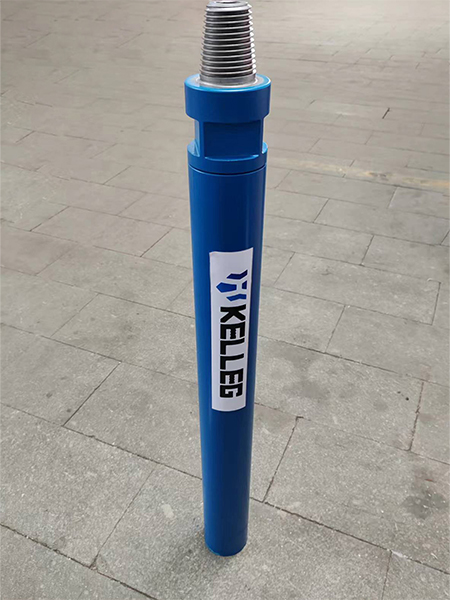
Safety management is an essential part of DTH hammer pre-drilling.
Operator training and equipment management
All operators should:
- Receive professional training.
- Understand equipment operating procedures.
- Pass required qualification assessments.
- Follow safety regulations strictly.
Before operation, equipment inspections should include:
- Rock bolt and connection conditions
- Hydraulic system status
- Rock drilling tool condition
- Safety protection devices
Equipment with loose connections, damaged components, or abnormal conditions should not be operated.
High-pressure air system safety
Since DTH hammers rely on compressed air, improper handling may create safety risks.
Safety measures include:
- Regularly inspect air hoses and connections.
- Prevent leakage from high-pressure pipelines.
- Keep personnel away from air discharge areas.
- Stop operation before maintenance.
Personal protective equipment and site protection
Workers should wear appropriate PPE, including:
- Safety helmets
- Protective glasses
- Safety shoes
- Hearing protection when required
Personnel responsible for hole cleaning should wear protective eyewear because rock fragments and dust may be expelled from the borehole during air flushing.
Completed borehole protection
Finished boreholes should be properly protected to prevent accidents.
Recommended methods:
- Cover the borehole opening.
- Install warning signs.
- Use temporary barriers.
- Backfill when required.
Proper protection prevents personnel from accidentally falling into open holes and improves overall site safety.
Common Problems in DTH Hammer Pre-Drilling and Solutions
During DTH hammer pre-drilling operations, construction quality can be affected by geological conditions, equipment performance, drilling parameters, and operator practices. Although DTH hammers provide high penetration efficiency in hard rock formations, improper control during drilling may result in borehole deviation, reduced drilling efficiency, poor hole quality, and increased construction risks.
Understanding the causes of common problems and implementing effective corrective measures can help contractors improve drilling accuracy, reduce downtime, and ensure reliable performance in pile foundation, anchoring, and other rock drilling applications.
The following are the most common quality-related issues encountered during DTH hammer pre-drilling and their practical solutions.
Borehole Position Deviation
Problem Description
Borehole position deviation occurs when the actual drilling location differs from the designed coordinates. This issue may affect pile installation accuracy, casing alignment, and the overall quality of foundation construction.
In precision-demanding projects, even a small deviation at the initial drilling stage may cause larger problems during subsequent installation processes.
Main Causes
Incorrect positioning before drilling
Possible reasons include:
- Inaccurate surveying data
- Improper marking of drilling points
- Insufficient verification before operation
Poor equipment alignment
During rig setup, deviation may occur due to:
- Incorrect DTH hammer positioning
- Inclined drill mast
- Unstable ground conditions
- Improper rig leveling
Equipment movement during drilling
External vibration, uneven ground, or insufficient support may cause the drilling rig to shift during operation.
Solutions and Preventive Measures
To minimize borehole position deviation:
- Complete accurate surveying and setting-out before drilling.
- Verify drilling coordinates through multiple measurements.
- Ensure the drilling rig is positioned on stable and level ground.
- Adjust hydraulic support legs to maintain equipment stability.
- Check hammer alignment and drill mast verticality before starting.
- Monitor equipment position during drilling operations.
Proper positioning control at the beginning of drilling is one of the most effective ways to prevent downstream construction problems.
Excessive Borehole Inclination and Deviation
Problem Description
Borehole deviation refers to the situation where the drilled hole gradually deviates from the designed direction or vertical alignment. This is one of the most common challenges in deep-hole and hard rock drilling applications.
Excessive deviation may result in:
- Difficulty installing piles or casing
- Reduced structural performance
- Additional correction work
- Increased project costs
Main Causes
Geological influence
Complex rock formations can change drilling direction, especially:
- Inclined rock layers
- Fractured formations
- Alternating hard and soft rock zones
Improper drilling parameters
Incorrect operating parameters may reduce drilling stability:
- Excessive feed pressure
- Excessive rotation speed
- Unstable thrust control
Worn or unsuitable drilling tools
Tool conditions directly affect drilling accuracy:
- Worn drill bit gauge buttons
- Bent drill rods
- Damaged thread connections
- Incorrect bit design for the formation
Solutions and Preventive Measures
Effective control methods include:
Optimize drilling parameters
Adjust:
- Rotation speed according to rock hardness
- Feed pressure to maintain stable contact
- Air pressure to ensure efficient rock removal
Maintain drilling tool condition
Regularly inspect:
- Drill bit wear condition
- Drill rod straightness
- Thread connection quality
Adapt operation to geological conditions
When encountering fractured or unstable formations:
- Reduce drilling pressure.
- Control penetration speed.
- Avoid excessive impact force.
- Increase monitoring frequency.
Low Drilling Efficiency and Slow Penetration Rate
Problem Description
Reduced drilling efficiency is a common issue that increases construction time and operating costs. Although DTH hammers are designed for high-speed rock penetration, actual performance depends on proper matching between equipment, drilling tools, and operating conditions.
Main Causes
Insufficient compressed air supply
Possible reasons:
- Compressor capacity is insufficient.
- Air pressure is unstable.
- Air leakage occurs in pipelines.
Since compressed air provides both impact energy and flushing capability, insufficient air supply directly reduces hammer performance.
Drill bit wear
A worn drill bit may cause:
- Reduced rock-breaking efficiency
- Increased energy consumption
- Lower penetration rate
Incorrect drilling parameter selection
Examples:
- Excessive rotation speed
- Insufficient feed pressure
- Improper matching between hammer and bit
Solutions
Recommended measures:
- Check compressor output and air pressure stability.
- Inspect air hoses and connections for leakage.
- Replace severely worn drill bits.
- Select suitable button configuration according to rock hardness.
- Optimize rotation speed and feed pressure.
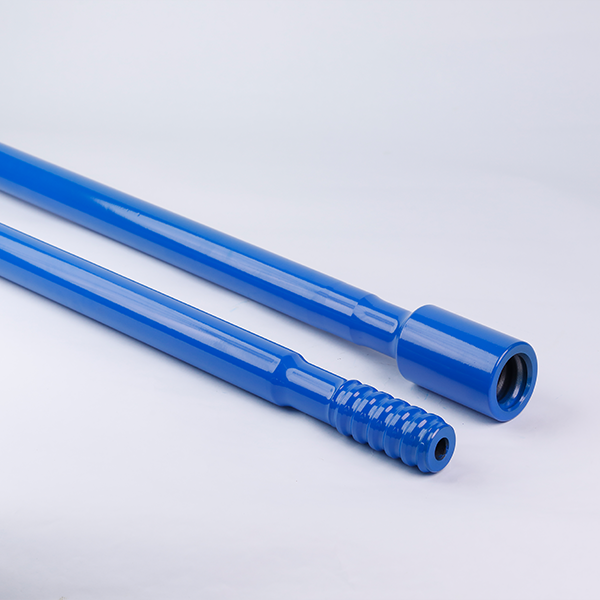
- Ensure proper matching between DTH hammer, drill bit, and drill pipe.
Poor Borehole Cleaning and Excessive Rock Cuttings
Problem Description
Effective hole cleaning is essential in DTH hammer drilling because compressed air must continuously remove broken rock fragments from the borehole.
Poor flushing performance may lead to:
- Rock debris accumulation
- Reduced drilling speed
- Increased risk of bit jamming
- Poor borehole quality before pile installation
Main Causes
Insufficient air volume
Possible reasons:
- Compressor capacity limitation
- Pipeline leakage
- Improper air supply configuration
Excessive drilling speed
If penetration speed exceeds the flushing capability, cuttings may accumulate inside the hole.
Blocked flushing channels
Possible causes:
- Excessive debris
- Drill bit blockage
- Improper tool maintenance
Solutions
Control measures include:
- Ensure sufficient compressed air flow.
- Maintain effective flushing throughout drilling.
- Adjust penetration rate according to rock conditions.
- Regularly inspect drill bit flushing holes.
- Remove accumulated debris around the borehole entrance.
Borehole Wall Instability and Collapse
Problem Description
In fractured, loose, or weak geological formations, borehole walls may become unstable during DTH hammer drilling. This can affect drilling continuity and create difficulties during casing or pile installation.
Main Causes
- Loose rock formations
- Excessive vibration
- Improper drilling pressure
- Over-enlarged borehole diameter
- Poor formation understanding
Solutions
Recommended practices:
- Conduct geological investigation before drilling.
- Adjust impact energy according to formation conditions.
- Reduce feed pressure in unstable formations.
- Control drilling speed to minimize wall disturbance.
- Use casing systems when necessary.
- Avoid excessive enlargement caused by unsuitable drill bits.
Excessive Drill Bit Wear and Short Service Life
Problem Description
DTH drill bit wear directly affects drilling efficiency, hole accuracy, and operating costs. Excessive wear is particularly common in hard and abrasive rock formations.
Main Causes
Rock-related factors
- High quartz content
- Highly abrasive formations
- Extremely hard rock
Operational factors
- Excessive rotation speed
- Improper drilling pressure
- Incorrect bit selection
Tool-related factors
- Unsuitable carbide button type
- Poor maintenance
- Delayed replacement of worn tools
Solutions
To extend drill bit service life:
- Select suitable button shapes based on rock conditions.
- Choose appropriate carbide grades.
- Control rotation speed and feed pressure.
- Rotate or replace bits before severe wear occurs.
- Use high-quality DTH drilling tools designed for specific formations.
DTH Hammer Performance Failure
Problem Description
DTH hammer performance problems may reduce drilling efficiency and interrupt construction progress.
Common symptoms include:
- Hammer stops impacting
- Reduced impact energy
- Unstable operation
- Abnormal air consumption
Main Causes
- Insufficient air pressure
- Internal component wear
- Poor lubrication
- Foreign material blockage
- Damaged internal parts
Solutions
Recommended actions:
- Check compressor pressure and airflow.
- Inspect hammer internal components.
- Maintain proper lubrication.
- Clean internal passages.
- Replace damaged wear parts when necessary.
Regular maintenance helps maintain stable impact performance and reduces unexpected downtime.
Summary: How to Prevent Common DTH Hammer Pre-Drilling Problems
Most DTH hammer pre-drilling problems can be prevented through systematic control of five key factors:
| Control Area | Recommended Practice |
|---|---|
| Positioning | Accurate surveying and rig alignment |
| Drilling parameters | Proper control of air pressure, rotation speed, and feed force |
| Equipment condition | Regular inspection of hammer, bit, and drill rods |
| Borehole quality | Effective flushing and deviation monitoring |
| Operation safety | Standard procedures and trained operators |
By combining proper equipment selection, optimized drilling parameters, and strict quality management, contractors can achieve more accurate boreholes, higher drilling efficiency, and safer construction performance in challenging rock conditions.
Quality Inspection and Acceptance Criteria for DTH Hammer Pre-Drilling
After completing DTH hammer pre-drilling, systematic quality inspection is essential to verify whether the borehole meets design requirements and provides suitable conditions for subsequent construction processes, such as pile installation, casing placement, and rock reinforcement.
Unlike conventional drilling operations that mainly focus on penetration efficiency, DTH hammer pre-drilling quality control focuses on the final condition of the borehole, including its position, depth, diameter, verticality, and cleanliness. Any quality issue that is not identified at this stage may lead to installation difficulties, reduced foundation performance, and additional correction costs.
A comprehensive inspection process should be carried out before proceeding to the next construction stage.
Borehole Position Inspection
Verify Drilling Location Accuracy
Borehole position accuracy is the first and most basic inspection requirement after DTH hammer pre-drilling. The actual borehole location must be checked against the designed coordinates to ensure that the drilling position meets project requirements.
Position deviation may affect:
- Pile installation accuracy
- Casing alignment
- Foundation load transfer performance
- Overall structural stability
Inspection Methods
Common inspection procedures include:
- Rechecking borehole coordinates using surveying instruments.
- Comparing actual drilling points with construction drawings.
- Recording deviation values for quality documentation.
Common Causes of Position Deviation
Potential causes include:
- Inaccurate setting-out before drilling
- Improper rig positioning
- Equipment movement during operation
- Unstable drilling platform
Quality Control Measures
To reduce positioning errors:
- Conduct professional surveying before drilling.
- Confirm drilling coordinates through multiple checks.
- Ensure the drilling rig is installed on a stable and level surface.
- Verify hammer alignment before operation.
Accurate positioning at the inspection stage helps prevent problems during pile insertion and ensures the foundation structure remains consistent with the original design.
Borehole Depth Verification
Confirm Drilling Depth Meets Design Requirements
The drilled depth is a critical parameter affecting the bearing performance of pile foundations and rock anchoring systems. Insufficient drilling depth may reduce the contact area between the structure and the rock formation, affecting the expected load-bearing capacity.
During inspection, the actual borehole depth should be compared with the design depth requirements.
Inspection Items
The inspection should include:
- Designed drilling depth
- Actual achieved depth
- Rock penetration depth
- Final drilling records
Common Problems
Insufficient drilling depth
Possible causes:
- Incorrect depth measurement
- Premature stopping due to difficult formations
- Insufficient monitoring during drilling
Excessive drilling depth
Possible causes:
- Poor control of drilling parameters
- Lack of real-time monitoring
Control Measures
Recommended practices:
- Monitor drilling depth continuously during operation.
- Record drilling parameters throughout the process.
- Confirm final depth before pile installation.
- Investigate abnormal drilling resistance caused by geological changes.
Accurate depth control ensures that the pre-drilled hole provides the required foundation support conditions.
Borehole Diameter and Geometry Inspection
Ensure Borehole Size Meets Design Requirements
The diameter and shape of the borehole directly influence pile installation quality and the effectiveness of subsequent construction processes.
A qualified borehole should maintain:
- Required diameter
- Stable hole geometry
- Sufficient wall integrity
Inspection Items
Quality inspection should focus on:
- Actual borehole diameter
- Hole enlargement conditions
- Irregular sections
- Borehole wall stability
Common Quality Problems
Excessive borehole enlargement
Possible reasons:
- Incorrect drill bit selection
- Excessive vibration
- Overly aggressive drilling parameters
Irregular borehole shape
Possible reasons:
- Uneven rock hardness
- Fractured formations
- Improper drilling control
Control Measures
To maintain borehole geometry:
- Select suitable DTH drill bits according to formation conditions.
- Control rotation speed and feed pressure.
- Avoid excessive impact energy in unstable formations.
- Regularly inspect drill bit wear conditions.
Proper borehole geometry reduces installation difficulties and improves construction reliability.
Borehole Verticality and Deviation Measurement
Evaluate Drilling Alignment Accuracy
Borehole verticality is one of the most important acceptance criteria in DTH hammer pre-drilling, especially for deep foundation and pile construction projects.
Excessive deviation may result in:
- Difficulty inserting piles or casing
- Reduced load-bearing efficiency
- Misalignment between drilled holes and designed positions
Factors Affecting Borehole Verticality
Geological factors
Including:
- Inclined rock layers
- Hard-soft rock transitions
- Fractured zones
Equipment factors
Including:
- Bent drill rods
- Worn drill bits
- Poor rig leveling
Operational factors
Including:
- Excessive feed pressure
- Incorrect rotation speed
- Unstable drilling parameters
Inspection Methods
Verticality can be evaluated through:
- Borehole inclination measurement tools
- Surveying equipment
- Specialized drilling monitoring systems
Improvement Measures
If excessive deviation is detected:
- Adjust drilling parameters.
- Reduce excessive thrust force.
- Replace damaged drilling tools.
- Recheck equipment alignment.
Maintaining proper verticality ensures that the final pile or reinforcement system can achieve the designed performance.
Borehole Cleaning and Bottom Condition Inspection
Verify Hole Cleanliness Before Installation
Effective hole cleaning is a key requirement before pile installation. During DTH hammer drilling, compressed air removes broken rock fragments from the borehole. However, insufficient flushing may leave excessive cuttings at the bottom.
Poor borehole cleaning may cause:
- Reduced pile bearing capacity
- Poor concrete contact with rock
- Lower construction quality
Inspection Items
The inspection should include:
- Remaining rock fragments
- Loose materials at the bottom
- Sediment accumulation
- Borehole condition before installation
Causes of Poor Hole Cleaning
Common reasons include:
- Insufficient compressed air volume
- Improper drilling speed
- Blocked flushing channels
- Excessive cutting generation
Control Measures
Recommended practices:
- Maintain continuous and effective air flushing.
- Adjust drilling speed according to rock conditions.
- Ensure sufficient compressor capacity.
- Remove remaining debris before installation.
- Perform final borehole inspection before the next construction step.
A clean borehole provides better conditions for pile installation and improves the reliability of the completed foundation system.
Quality Documentation and Final Acceptance Records
Maintain Complete Construction Records
In addition to physical inspection, complete documentation is important for project quality management.
Recommended records include:
- Borehole coordinates
- Drilling depth
- Borehole diameter
- Verticality measurement results
- Geological conditions encountered
- Drilling parameters
- Inspection approval records
These records provide traceability and help project teams evaluate construction quality throughout the entire foundation process.
Summary: Key Acceptance Criteria for DTH Hammer Pre-Drilling
A qualified DTH hammer pre-drilled hole should meet the following requirements:
| Inspection Item | Quality Requirement |
|---|---|
| Borehole position | Matches designed coordinates within allowable tolerance |
| Drilling depth | Meets project design requirements |
| Borehole diameter | Meets specified dimensions |
| Verticality | Within acceptable deviation range |
| Hole cleanliness | Free from excessive cuttings and loose materials |
| Documentation | Complete inspection and construction records |
Through systematic inspection and acceptance control, contractors can identify potential issues before pile installation, reduce construction risks, and ensure that DTH hammer pre-drilling delivers reliable performance in challenging rock conditions.
Best Practices for Improving DTH Hammer Pre-Drilling Quality
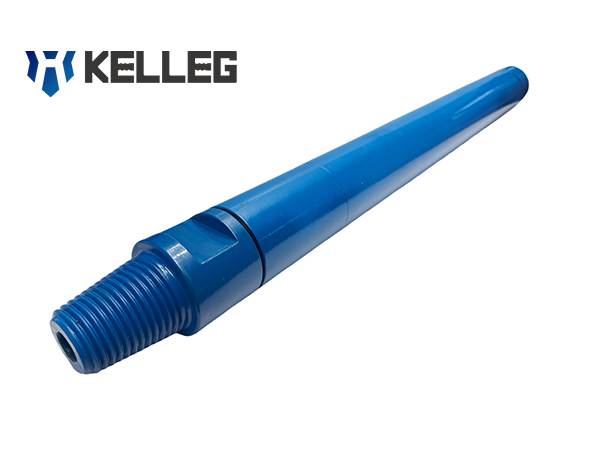
Improving the quality of DTH hammer pre-drilling requires more than simply increasing drilling speed or selecting high-performance equipment. Consistent borehole quality depends on the coordination of geological understanding, equipment selection, drilling parameter optimization, operational control, and preventive maintenance.
In pile foundation, rock anchoring, and infrastructure construction projects, adopting effective drilling practices can help contractors achieve:
- Higher borehole accuracy
- Improved drilling efficiency
- Reduced tool wear
- Lower risk of borehole deviation
- More reliable subsequent installation performance
The following best practices can help optimize DTH hammer pre-drilling quality in various rock conditions.
Conduct Detailed Geological Investigation Before Drilling
Understand Rock Conditions Before Selecting Drilling Parameters
Geological conditions have a significant influence on DTH hammer pre-drilling performance. Different rock formations require different drilling strategies, and insufficient understanding of ground conditions may lead to borehole deviation, slow penetration, or excessive tool wear.
Before construction begins, project teams should evaluate:
- Rock hardness and abrasiveness
- Rock fracture conditions
- Layer inclination
- Weathered zones
- Groundwater conditions
Why Geological Investigation Matters
A proper geological assessment helps determine:
- Suitable DTH hammer type
- Appropriate drill bit design
- Required air pressure
- Recommended rotation speed
- Suitable feed pressure
For example:
- Hard and abrasive rocks may require wear-resistant carbide buttons and optimized drilling parameters.
- Fractured formations may require reduced impact force and improved borehole stabilization measures.
Matching drilling methods with geological conditions is one of the most effective ways to improve drilling quality and avoid unexpected construction problems.
Select the Right DTH Hammer and Drilling Tools
Ensure Proper Matching Between Equipment and Application
The performance of DTH hammer pre-drilling depends heavily on the compatibility between the hammer, drill bit, and drill pipe.
An unsuitable tool combination may result in:
- Reduced drilling efficiency
- Increased vibration
- Poor borehole accuracy
- Shorter service life
Key Selection Factors
DTH Hammer Selection
Consider:
- Borehole diameter
- Drilling depth
- Rock hardness
- Required impact energy
A properly matched hammer can provide stable impact performance and effective rock breaking.
DTH Drill Bit Selection
The drill bit directly contacts the rock and determines drilling stability.
Selection factors include:
- Bit diameter
- Button shape
- Carbide grade
- Face design
Different formations require different bit configurations:
- Hard rock → Wear-resistant buttons and strong impact resistance
- Fractured rock → Designs that improve stability and reduce damage
Drill Pipe Selection
High-quality drill pipes help maintain drilling accuracy by providing:
- Better straightness
- Higher bending resistance
- Reliable thread connection performance
Using properly matched drilling tools helps maintain stable energy transmission and improves overall borehole quality.
Optimize DTH Hammer Drilling Parameters
Balance Efficiency and Drilling Stability
Incorrect drilling parameters are one of the main causes of borehole deviation, low penetration rate, and excessive tool wear.
Operators should continuously adjust drilling parameters according to rock conditions.
Key Parameters Affecting Drilling Quality
| Parameter | Influence on Drilling Quality |
|---|---|
| Air pressure | Determines hammer impact performance and flushing efficiency |
| Rotation speed | Affects borehole straightness and bit wear |
| Feed pressure | Controls drilling stability and rock contact force |
| Flushing capacity | Influences hole cleanliness and cutting removal |
Recommended Practices
Control Feed Pressure
Excessive feed pressure may cause:
- Increased deviation
- Faster bit wear
- Unstable drilling
Insufficient feed pressure may result in:
- Reduced penetration efficiency
- Poor energy transfer
The optimal feed pressure should maintain stable contact between the drill bit and rock without overloading the drilling system.
Adjust Rotation Speed According to Rock Conditions
Higher rotation speeds are not always better.
Improper rotation speed may cause:
- Uneven bit wear
- Reduced drilling accuracy
- Increased vibration
Operators should select appropriate rotation speed based on:
- Rock hardness
- Bit design
- Borehole requirements
Maintain Effective Flushing
Adequate compressed air is essential for:
- Removing rock cuttings
- Cooling drilling tools
- Preventing bit blockage
Insufficient flushing may result in:
- Reduced drilling speed
- Poor borehole cleanliness
- Increased risk of jamming
Implement Real-Time Monitoring During Drilling
Detect Problems Before They Affect Borehole Quality
Continuous monitoring allows operators to identify abnormal conditions early and make timely adjustments.
Important monitoring indicators include:
- Drilling depth
- Penetration rate
- Air pressure
- Rotation speed
- Feed pressure
- Equipment vibration
Benefits of Real-Time Monitoring
Effective monitoring helps:
- Reduce borehole deviation
- Improve drilling consistency
- Identify geological changes
- Prevent equipment damage
For large foundation projects, digital monitoring systems can further improve construction management by providing real-time drilling data and performance analysis.
Perform Regular Maintenance of DTH Drilling Equipment
Maintain Stable Equipment Performance
Equipment condition directly affects drilling quality. Even with correct operating parameters, worn or damaged components may cause unstable drilling performance.
Key Maintenance Areas
DTH Hammer Maintenance
Inspect:
- Piston condition
- Internal wear parts
- Lubrication system
- Air passages
Drill Bit Maintenance
Check:
- Button wear
- Gauge button condition
- Face damage
- Flushing holes
Replace or repair drill bits when wear exceeds acceptable limits.
Drill Pipe Maintenance
Regularly inspect:
- Thread wear
- Drill pipe straightness
- Connection condition
Bent or damaged drill pipes may significantly increase borehole deviation.
Train Operators and Standardize Drilling Procedures
Improve Construction Consistency Through Skilled Operation
Operator experience has a direct impact on DTH hammer pre-drilling quality.
A skilled operator should understand:
- Equipment operation principles
- Drilling parameter adjustment
- Geological response
- Safety procedures
Recommended Practices
Construction teams should establish:
- Standard operating procedures
- Pre-drilling inspection checklists
- Equipment maintenance schedules
- Quality control records
Proper training helps reduce human errors and ensures stable drilling performance across different projects.
Protect Completed Boreholes Before the Next Construction Stage
Prevent Quality Loss After Successful Drilling
After completing DTH hammer pre-drilling, finished boreholes should be properly protected before pile installation or other follow-up operations.
Recommended measures:
- Cover open boreholes.
- Install warning signs.
- Prevent foreign materials from entering holes.
- Conduct final inspection before installation.
Proper protection ensures that the achieved drilling quality is maintained throughout the construction process.
Summary: Key Practices for Better DTH Hammer Pre-Drilling Quality
Improving DTH hammer pre-drilling quality requires a complete management approach:
| Key Area | Best Practice |
|---|---|
| Geological preparation | Understand rock conditions before drilling |
| Equipment selection | Match hammer, bit, and drill pipe to application |
| Parameter control | Optimize air pressure, rotation speed, and feed force |
| Process monitoring | Track drilling performance in real time |
| Maintenance | Keep drilling tools in good condition |
| Operator training | Standardize operation procedures |
| Borehole protection | Maintain quality before next construction stage |
By combining proper equipment selection, optimized drilling parameters, skilled operation, and strict quality management, contractors can achieve more accurate, stable, and efficient DTH hammer pre-drilling performance even in complex rock formations.
Safety Management and Risk Prevention in DTH Hammer Pre-Drilling
Safety management is a critical part of DTH hammer pre-drilling operations because the process involves high-pressure compressed air, high-impact energy, rotating drilling components, flying rock fragments, and open boreholes. Without effective risk control measures, these hazards may cause equipment damage, construction delays, or serious injuries to site personnel.
A comprehensive safety management system should combine operator training, equipment inspection, hazard identification, personal protection, and site management to ensure safe and continuous drilling operations.
High-Pressure Air System Risks and Prevention
Risks Associated with Compressed Air Operations
DTH hammers rely on compressed air to drive the piston movement, generate impact energy, and remove rock cuttings from the borehole. Although compressed air is essential for drilling performance, improper handling of high-pressure air systems can create significant safety risks.
Common hazards include:
- Air hose rupture
- Loose pipe connections
- Sudden air leakage
- High-pressure air injection injuries
- Uncontrolled discharge of rock debris
A damaged hose or failed connection under high pressure may release stored energy suddenly, creating dangerous situations for nearby workers.
Safety Prevention Measures
To reduce compressed air-related risks:
Inspect air supply systems before operation
Operators should check:
- Air hoses and connectors
- Pipeline sealing condition
- Fastening components
- Pressure control devices
Any damaged or worn components should be replaced before drilling begins.
Maintain safe distance from discharge areas
During drilling:
- Keep personnel away from the borehole outlet.
- Avoid standing near compressed air exhaust areas.
- Prevent unauthorized workers from entering hazardous zones.
Rock fragments and high-pressure airflow may be discharged unexpectedly during operation.
Stop equipment before maintenance
Before inspecting or repairing the DTH hammer:
- Shut down the compressor.
- Release residual pressure.
- Confirm that the system is completely depressurized.
Maintenance work should never be performed while the high-pressure system remains active.
Flying Rock Fragment Protection
Risks During Rock Breaking and Flushing
During DTH hammer drilling, the drill bit continuously impacts and breaks rock. The compressed air flushing system then removes broken fragments from the borehole.
High-speed rock particles may be ejected from:
- Borehole openings
- Drill bit flushing channels
- Rock fracture zones
These fragments may cause injuries, especially to the eyes and exposed body areas.
Safety Prevention Measures
Establish a controlled working area
Before drilling:
- Define a safety zone around the drilling location.
- Prevent non-essential personnel from entering.
- Install warning signs when necessary.
Wear appropriate personal protective equipment (PPE)
Operators should use:
- Safety helmets
- Protective glasses
- Safety shoes
- Protective gloves
Workers responsible for borehole cleaning should pay special attention to eye protection because rock particles may be expelled during air flushing.
Monitor abnormal drilling conditions
If excessive rock discharge or abnormal vibration occurs:
- Stop drilling temporarily.
- Check geological conditions.
- Adjust drilling parameters.
Ignoring abnormal conditions may increase safety risks and damage drilling equipment.
Rotating Equipment Hazard Control
Risks from Moving Drilling Components
DTH hammer pre-drilling involves multiple rotating and moving components, including:
- Drill rods
- Coupling connections
- Rotary bits
Contact with rotating equipment can result in severe injuries.
Safety Prevention Measures
Maintain safe operating distance
During drilling:
- Keep personnel away from rotating components.
- Do not touch drill rods or connections while equipment is operating.
- Prevent loose clothing from approaching moving parts.
Conduct equipment inspection before operation
Check:
- Drill rod condition
- Thread connections
- Hydraulic system
- Safety guards
Loose connections or damaged components should be repaired immediately.
Follow lockout procedures during maintenance
Before maintenance:
- Stop the drilling machine.
- Disconnect power sources when required.
- Confirm all moving parts have stopped completely.
Noise and Dust Exposure Control
Occupational Risks During DTH Drilling
DTH hammer drilling generates significant noise and dust due to:
- High-frequency impact between hammer and rock
- Compressed air flushing
- Continuous rock crushing
Long-term exposure may affect worker health and reduce site safety.
Noise Control Measures
Recommended practices:
- Provide hearing protection for operators.
- Limit unnecessary personnel exposure near drilling equipment.
- Maintain equipment regularly to reduce abnormal noise.
Dust Control Measures
Effective measures include:
Optimize flushing management
Proper air flushing helps control dust generation by efficiently removing rock particles.
Use dust suppression methods when required
Depending on project conditions:
- Apply dust collection systems.
- Use water-assisted dust suppression where applicable.
- Improve site ventilation.
Provide respiratory protection
Workers exposed to drilling dust should use suitable respiratory protection equipment, especially in enclosed or poorly ventilated areas.
Open Borehole Protection and Site Safety Management
Risks from Unprotected Boreholes
After DTH hammer pre-drilling is completed, open boreholes may create additional hazards, including:
- Personnel falling into holes
- Equipment entering unstable areas
- Foreign materials contaminating the borehole
These risks are especially important on busy construction sites where multiple teams work simultaneously.
Safety Prevention Measures
Protect completed boreholes immediately
Recommended methods:
- Cover borehole openings.
- Install protective barriers.
- Place warning signs.
- Restrict access to unfinished areas.
Prevent contamination before installation
Open holes should be protected from:
- Soil intrusion
- Construction debris
- Rainwater accumulation
Maintaining borehole cleanliness helps preserve drilling quality before pile installation or further construction.
Establish site safety management procedures
Effective site management should include:
- Clear responsibility assignment
- Regular safety inspections
- Emergency response procedures
- Worker safety training
Operator Training and Preventive Safety Management
Build a Safety-Oriented Drilling Team
Human factors play an important role in DTH hammer pre-drilling safety. Operators should understand both equipment operation and potential hazards.
Training should cover:
- DTH hammer operating procedures
- Compressed air safety
- Equipment inspection methods
- Emergency shutdown procedures
- Personal protective equipment requirements
Recommended Daily Safety Checklist
| Inspection Item | Purpose |
|---|---|
| Air hoses and connections | Prevent high-pressure leakage |
| Drill rods and threads | Avoid equipment failure |
| Hydraulic system | Ensure stable operation |
| Safety guards | Protect operators |
| Borehole protection | Prevent falling accidents |
| PPE availability | Reduce personal injury risks |
Summary: Key Safety Practices for DTH Hammer Pre-Drilling
Safe DTH hammer pre-drilling requires continuous risk identification and preventive control.
| Safety Risk | Prevention Measures |
|---|---|
| High-pressure air hazards | Inspect hoses, control pressure, and release pressure before maintenance |
| Flying rock fragments | Establish safety zones and use protective equipment |
| Rotating equipment hazards | Maintain safe distance and follow operating procedures |
| Noise and dust exposure | Use PPE and apply dust/noise control measures |
| Open borehole risks | Cover holes and restrict access |
| Human operation risks | Provide training and safety management |
By implementing comprehensive safety management practices, contractors can reduce operational risks, protect workers, and maintain stable DTH hammer pre-drilling performance throughout challenging rock construction projects.
Conclusion
DTH hammer pre-drilling plays an important role in rock foundation construction, pile installation, anchoring projects, and other applications involving challenging geological conditions. While DTH technology provides efficient rock-breaking capability and high drilling performance, the final construction quality depends on effective control throughout the entire drilling process.
Achieving reliable pre-drilling results requires attention to several key factors:
- Accurate positioning and alignment control to ensure the borehole matches the designed location.
- Proper control of borehole depth, diameter, verticality, and cleanliness to meet construction requirements.
- Timely identification and correction of common drilling problems, such as borehole deviation, poor flushing, low drilling efficiency, and tool wear.
- Systematic quality inspection and acceptance procedures before pile installation or subsequent construction operations.
- Strict safety management, including high-pressure air control, protection against flying rock fragments, rotating equipment safety, dust and noise prevention, and open borehole protection.
In complex rock formations, drilling quality is not determined by equipment performance alone. The combination of suitable DTH hammer selection, optimized drilling parameters, high-quality drilling tools, experienced operators, and effective site management is essential for achieving stable and accurate results.
By implementing comprehensive quality control and risk prevention measures, contractors can improve drilling reliability, reduce construction delays, extend tool service life, and ensure safer and more efficient DTH hammer pre-drilling operations. A well-controlled drilling process provides a solid foundation for successful pile installation, rock reinforcement, and long-term structural performance.