Introduction
In down-the-hole drilling operations, one of the most overlooked yet critical issues is incorrect DTH hammer shank identification. Many buyers and operators face costly problems simply because the shank type does not match the hammer or drill bit.
Using the wrong shank series can lead to serious consequences, such as:
- Bit incompatibility makes it impossible to connect properly
- Reduced drilling efficiency, resulting in slower penetration rates and higher fuel consumption
- Equipment damage, including excessive wear or even failure of the hammer and drill string
These issues not only increase operational costs but also cause unnecessary downtime on site.
In this guide, you will learn:
- How to accurately identify different DTH hammer shank types
- The key differences between major shank series such as DHD, QL, and SD
- Practical selection tips to ensure compatibility and optimize performance in real drilling projects
By understanding these fundamentals, you can avoid common mistakes and significantly improve drilling efficiency and service life.
What Is a DTH Hammer Shank?
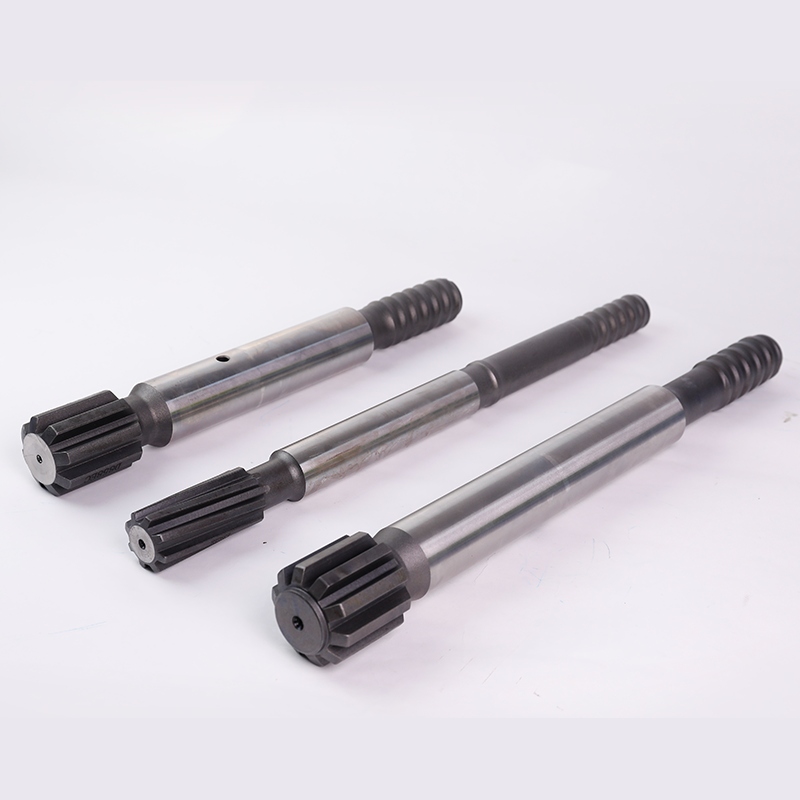
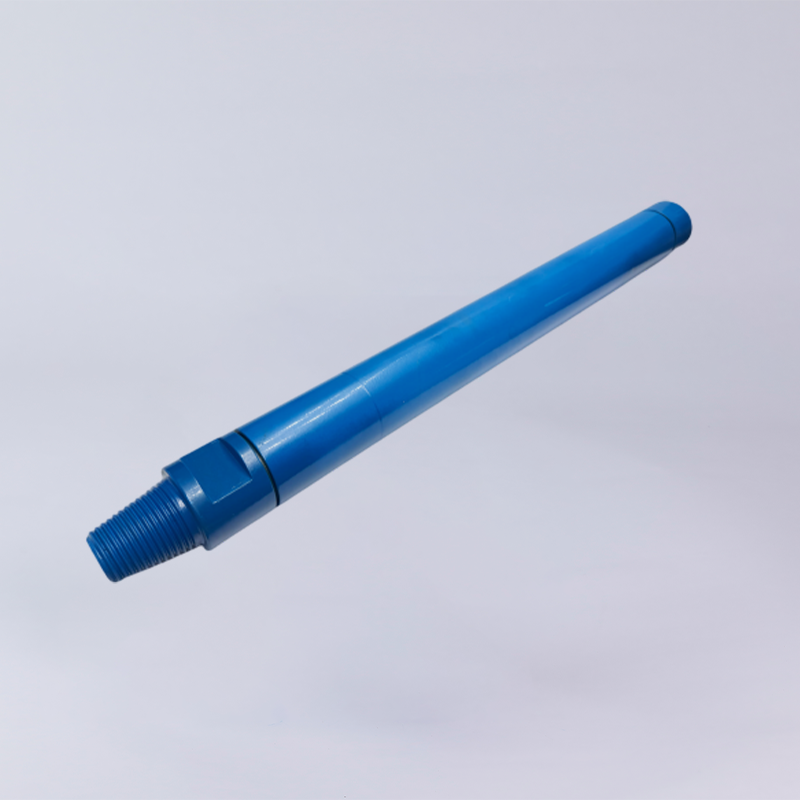
A DTH (Down-the-Hole) hammer shank is the critical interface component located at the front of the hammer, designed to connect the hammer with the drill bit. It serves as the mechanical and functional link that ensures efficient transmission of impact energy and compressed air during drilling operations.
Definition in DTH Drilling
In a DTH system, the shank refers to the drive structure (typically splined) that allows the drill bit to securely attach to the hammer while maintaining alignment and stability under high-frequency impact conditions. Each shank type is manufactured to match a specific hammer series, meaning they are not interchangeable across different standards.
Role of the DTH Hammer Shank
Energy Transfer
The shank plays a vital role in transferring percussive energy generated by the hammer piston directly to the drill bit. A precise fit ensures:
- Maximum energy efficiency
- Minimal energy loss
- Faster penetration rates
Bit Connection
The shank provides the physical connection between the hammer and the drill bit through splines or drive lugs. This connection:
- Keeps the bit securely in place during operation
- Allows rotational force to be transmitted effectively
- Prevents slippage or misalignment
Air Distribution
In addition to mechanical functions, the shank also contributes to airflow management. It helps channel compressed air from the hammer to the drill bit for:
- Flushing rock cuttings out of the hole
- Cooling the drill bit
- Maintaining stable drilling performance
Understanding the function of the DTH hammer shank is essential for selecting the correct type, as even small mismatches can lead to significant performance issues and increased wear.
Why Correct Shank Identification Is Critical
Selecting the correct DTH hammer shank directly affects drilling performance, equipment reliability, and overall operating costs. Misidentification can lead to inefficiencies and even serious equipment failure in demanding drilling environments.
Compatibility Between Hammer and Bit
Each shank series is designed with a specific spline structure, diameter, and connection standard. Proper identification ensures that the drill bit fits perfectly with the hammer.
- Matching spline structure and dimensions is essential for secure engagement
- Even slight differences can prevent proper installation
- Incorrect matching may cause vibration, loosening, or complete connection failure
Without full compatibility, the hammer and bit simply cannot work as an integrated system.
Impact on Drilling Performance
The shank is responsible for transmitting impact energy efficiently. If the shank type is incorrect:
- Energy transfer becomes inefficient, leading to significant power loss
- The hammer’s impact force is not fully delivered to the rock
- Penetration rate decreases, increasing drilling time and fuel consumption
In high-production environments, this can result in substantial productivity losses.
Tool Life & Maintenance Costs
Using the wrong shank accelerates wear on both the hammer and the drill bit.
- Premature wear occurs due to improper contact and uneven stress distribution
- Increased vibration can damage internal hammer components
- Replacement frequency rises, driving up spare parts and maintenance costs
Over time, these issues can significantly increase the total cost of ownership and reduce equipment lifespan.
Correct shank identification is therefore a key factor in achieving efficient, cost-effective, and reliable drilling operations.
Main DTH Hammer Shank Series Overview
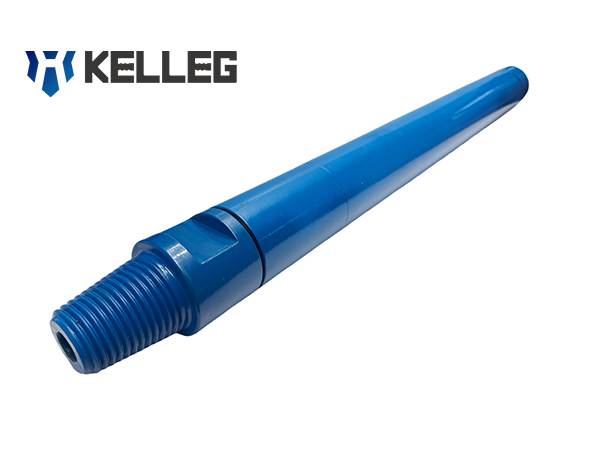
In the global drilling industry, several standardized DTH hammer shank series are widely used. Understanding these series is essential for identifying compatibility and selecting the right tools for your application.
DHD Series (Sandvik Standard)
The DHD series is one of the most commonly used shank standards worldwide, originally associated with Sandvik.
Common models:
- DHD3.5
- DHD340
- DHD350
- DHD360
Key features:
- Widely adopted across global drilling markets
- Strong compatibility with many aftermarket tools
- Reliable performance in medium to hard rock formations
- Balanced design for general-purpose drilling
QL Series (Atlas Copco / Epiroc Standard)
The QL series is a high-performance shank system developed by Epiroc (formerly part of Atlas Copco).
Common models:
- QL40
- QL50
- QL60
- QL80
Key features:
- Optimized for high air pressure systems
- Excellent airflow efficiency, improving hole cleaning
- Strong and consistent penetration performance
- Widely used in demanding mining and quarrying operations
SD Series (Mission / Halco Standard)
The SD (Mission) series is widely used in mining and is associated with brands like Halco Rock Tools.
Common models:
- SD4
- SD5
- SD6
- SD8
Key features:
- Robust and durable design for harsh environments
- Good resistance to wear and impact stress
- Popular choice in mining and large-scale drilling projects
- Proven reliability in abrasive rock conditions
COP Series
The COP series is designed for specific hammer models from Atlas Copco.
Key characteristics:
- Optimized for specific OEM hammer configurations
- Known for stable operation and consistent performance
- Typically used in specialized or brand-specific applications
Other Regional / Custom Shank Types
In addition to mainstream standards, there are several regional and OEM-specific shank designs.
Examples include:
- NUMA series – commonly used in North American drilling markets
- BR series – used in certain European and Asian applications
- Custom OEM designs – tailored for specific equipment or project requirements
Key characteristics:
- Designed for niche or proprietary systems
- May offer unique advantages in specific conditions
- Require careful verification for compatibility
Understanding these major shank series provides a solid foundation for correctly identifying your equipment and avoiding costly mismatches in drilling operations.
Key Differences Between Shank Series
Although DTH hammer shank series may look similar at first glance, they differ significantly in structure and performance. Understanding these differences is essential for correct identification and optimal tool selection.
Spline Design
The spline structure is one of the most important identifiers of a shank series.
- Number of splines: Different series use different spline counts, which directly affects compatibility between hammer and bit
- Shape and spacing: Variations in spline geometry influence how torque and impact energy are transmitted
- Even minor differences in spline design can make two shanks completely incompatible
A precise spline match ensures stable rotation, efficient energy transfer, and reduced mechanical stress.
Diameter and Length
Each shank series is engineered with specific physical dimensions.
- Diameter differences determine the overall strength and load-bearing capacity of the connection
- Length variations affect internal hammer stroke alignment and impact efficiency
- These dimensions also indirectly influence hole diameter consistency and drilling stability
Incorrect sizing may result in poor fitting, vibration, or reduced drilling accuracy.
Air Channel Design
Airflow structure is another key distinction between shank series.
- Some designs prioritize high airflow efficiency, improving flushing performance
- Others are optimized for dust removal and cuttings evacuation in deep or hard rock drilling
- The internal air channel layout affects both bit cooling and hole cleaning effectiveness
A well-matched air system helps maintain stable drilling speed and reduces blockage risks.
How to Identify a DTH Hammer Shank
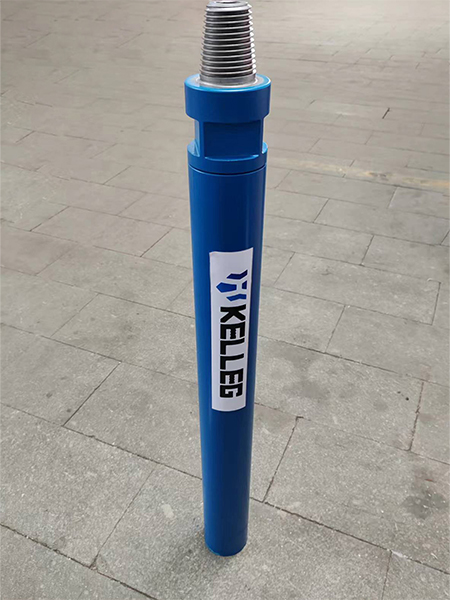
Accurately identifying a DTH hammer shank requires a combination of visual inspection, measurement, and reference comparison. Because many shank types look similar, a systematic approach is essential to avoid compatibility mistakes.
Check Markings or Model Codes
The first and fastest step is to inspect the shank for any manufacturer markings or engraved codes.
- Look for stamped model numbers on the shank body
- Check for brand identifiers or series codes
- Some OEM products include laser-engraved specifications
These markings often directly indicate the shank series (e.g., DHD, QL, SD), making identification straightforward when available.
Measure Key Dimensions
If markings are unclear or missing, physical measurement is the most reliable method.
Key parameters include:
- Outer diameter – determines compatibility with hammer housing
- Length – affects internal alignment and stroke performance
- Spline count and geometry – critical for matching connection systems
Using precision calipers and reference tools helps ensure accurate results, especially in worn or used components.
Compare with Standard Charts
Once measurements are collected, compare them with official shank reference charts.
- Match spline configuration and dimensions
- Verify against multiple series (DHD, QL, SD, etc.)
- Cross-check with manufacturer catalogs or technical datasheets
This step helps eliminate confusion between similar-looking models and ensures correct classification.
Consult Supplier or Manufacturer
When uncertainty remains, professional support is the most reliable solution.
- Send clear photos from multiple angles
- Provide measured dimensions and application details
- Request confirmation from the supplier or technical engineer
Experienced manufacturers can quickly identify the correct shank series and recommend compatible hammer and bit combinations.
By combining these four methods, operators can significantly reduce the risk of misidentification and ensure safe, efficient drilling performance.
DTH Shank Series Comparison Table
The following table provides a quick technical overview of the most commonly used DTH hammer shank series. It helps users compare key parameters such as compatibility, application range, and typical drilling conditions.
| Shank Series | Typical Models | Bit Diameter Range | Application | Compatibility |
|---|---|---|---|---|
| DHD Series | DHD3.5, DHD340, DHD350, DHD360 | 90–165 mm | Medium to hard rock drilling, general quarrying and construction | Widely compatible with many non-OEM and aftermarket hammer systems following Sandvik standards |
| QL Series | QL40, QL50, QL60, QL80 | 110–254 mm | Mining, water well drilling, high-pressure deep hole drilling | Compatible with Epiroc / Atlas Copco hammers |
| SD Series | SD4, SD5, SD6, SD8 | 105–203 mm | Mining, large-scale blasting, hard and abrasive formations | Compatible with Mission / Halco standard hammers |
| COP Series | COP32, COP34, COP44, COP54 | 90–165 mm | Precision drilling, controlled blasting, specialized applications | Compatible with specific Atlas Copco hammer models only |
| NUMA Series | NUMA100, NUMA120, NUMA125 | 130–311 mm | Large diameter deep hole drilling, water wells, mining | Compatible with NUMA-style hammer systems (mainly North American standard) |
| BR Series | BR1, BR2, BR3 | 110–200 mm | Regional drilling projects, mixed rock conditions | Limited compatibility depending on OEM standards |
Key Insight from the Table
- DHD & QL series are the most widely used globally
- SD series is preferred for heavy-duty mining applications
- COP series is more specialized and OEM-dependent
- NUMA & BR series are typically used in regional or large-diameter drilling projects
This comparison helps operators quickly narrow down the correct shank type based on project requirements and equipment compatibility.
Common Mistakes When Identifying Shank Types
Incorrect identification of DTH hammer shank types is a frequent issue in drilling operations, often leading to equipment mismatch, reduced efficiency, and unnecessary costs. Below are the most common mistakes users should avoid.
Confusing Similar Models (e.g., DHD vs QL)
One of the most common errors is assuming that similar-looking shank types are interchangeable.
- DHD and QL series may appear visually similar at first glance
- However, they differ in spline structure, dimensions, and air channel design
- Using the wrong series can result in incomplete fitting or total incompatibility
Even small misidentifications can lead to serious operational problems.
Ignoring Spline Differences
The spline design is a critical technical feature that is often overlooked.
- Different series have different spline counts and geometries
- Mismatched splines prevent proper energy transmission between hammer and bit
- Ignoring this detail can cause slippage, vibration, or connection failure
Always verify spline configuration instead of relying on external appearance.
Using Visual Judgment Only
Relying solely on appearance is one of the riskiest identification methods.
- Many shank types look nearly identical externally
- Wear and corrosion can further distort visual features
- Visual inspection alone often leads to incorrect classification
Accurate identification requires measurement and reference comparison, not guesswork.
Not Verifying Manufacturer Specs
Skipping technical verification is another major source of errors.
- Some shanks are OEM-specific and not interchangeable across brands
- Without checking manufacturer datasheets, compatibility cannot be guaranteed
- Failing to confirm specifications may result in costly downtime or equipment damage
Always cross-check with official documentation or consult the supplier before use.
By avoiding these common mistakes, operators can significantly improve drilling reliability, reduce equipment failures, and ensure optimal performance in all working conditions.
How to Choose the Right Shank Series for Your Project
Selecting the correct DTH hammer shank is not only about compatibility—it directly depends on your drilling equipment, geological conditions, and operational requirements. A systematic selection approach ensures higher efficiency and lower operating costs.
Based on Drill Rig Specifications
The most reliable starting point is always your drilling rig's technical data.
- Every drill rig and DTH hammer is designed with specific parameters, such as:
- Rock drill model
- DTH hammer size range
- Recommended shank series or bit connection standard
- These specifications help ensure direct compatibility between hammer, bit, and rig system
In practical applications, always refer to the manufacturer’s technical manual before selecting a shank type. Matching the correct system avoids installation issues and ensures stable energy transfer during operation.
Based on Rock Conditions
Different rock formations require different shank performance characteristics.
- Hard rock formations: require strong impact transmission and high wear resistance
- Abrasive formations: demand durable materials and stable structural design
- Softer formations may prioritize penetration speed over durability
Choosing the correct shank series based on geology helps optimize drilling efficiency and extend tool life.
Based on Hole Diameter Requirements
The required hole size plays a key role in shank selection.
Incorrect matching may lead to:
- Reduced drilling stability
- Poor cuttings evacuation
- Lower accuracy in hole alignment
Always align shank selection with project-specific drilling diameter requirements.
Based on Air Pressure & Compressor Capacity
Compressed air performance directly affects DTH hammer efficiency.
Insufficient air supply can cause:
- Reduced penetration rate
- Poor flushing of drill cuttings
- Increased wear on hammer components
Matching the shank system with available compressor capacity ensures stable performance and efficient energy use.
By evaluating these four key factors together—equipment, geology, hole size, and air system—you can select the most suitable DTH hammer shank series for any drilling project with confidence.
Expert Tips for Buyers
For drilling contractors and procurement teams, selecting the correct DTH hammer shank is not only a technical decision but also a cost-control strategy. The following expert tips can help reduce risk and improve long-term operational efficiency.
Always Confirm Compatibility Before Bulk Orders
Before placing large-volume orders, always double-check compatibility between the hammer, bit, and shank series.
- Verify technical drawings and specifications
- Compare spline design and dimensional data
- Request sample testing when possible
This step helps avoid costly mismatches that can lead to project delays or unusable inventory.
Standardize Shank Types Across Projects
Where possible, use a standardized shank system across multiple drilling projects.
- Reduces inventory complexity
- Simplifies maintenance and replacement
- Minimizes the risk of incorrect part usage on-site
Standardization also improves operational efficiency and lowers long-term procurement costs.
Work with Reliable Suppliers
Partnering with a professional and experienced supplier is critical for consistent performance.
- Ensure suppliers provide clear technical documentation
- Prefer manufacturers with proven quality control systems
- Reliable suppliers can offer technical guidance and compatibility support
A strong supplier relationship helps prevent technical errors and ensures stable product quality.
Keep Reference Samples on Site
Maintaining physical reference samples can significantly improve field accuracy.
- Store sample shanks, bits, and connectors for comparison
- Use them for quick visual and dimensional checks on-site
- Helps operators avoid confusion between similar models
This simple practice is especially valuable in remote or high-pressure drilling environments.
By applying these expert tips, buyers can reduce operational risks, improve equipment reliability, and achieve more cost-effective drilling performance over the long term.
Conclusion
Correct identification of DTH hammer shank series is a fundamental factor in ensuring safe, efficient, and cost-effective drilling operations. Although shank types may appear similar, even small differences in structure or dimensions can significantly impact performance and equipment reliability.
The key takeaway is simple but critical:
Compatibility = higher efficiency + longer service life
When the shank, hammer, and drill bit are perfectly matched, the entire drilling system operates with maximum energy transfer, reduced wear, and stable penetration performance.
To achieve the best results in real projects, it is strongly recommended to:
- Consult technical experts when in doubt about compatibility
- Request detailed specifications, catalogs, or reference charts from suppliers
- Verify shank type before ordering or replacing drilling tools
By taking a careful and informed approach, operators can avoid costly mistakes and ensure consistent performance across all drilling applications.