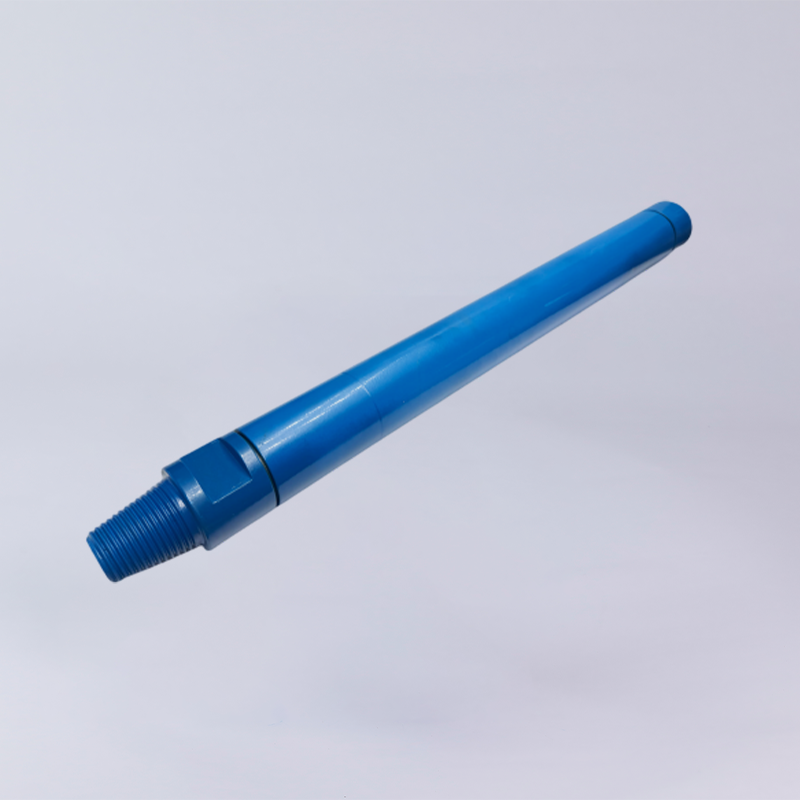
Introduction
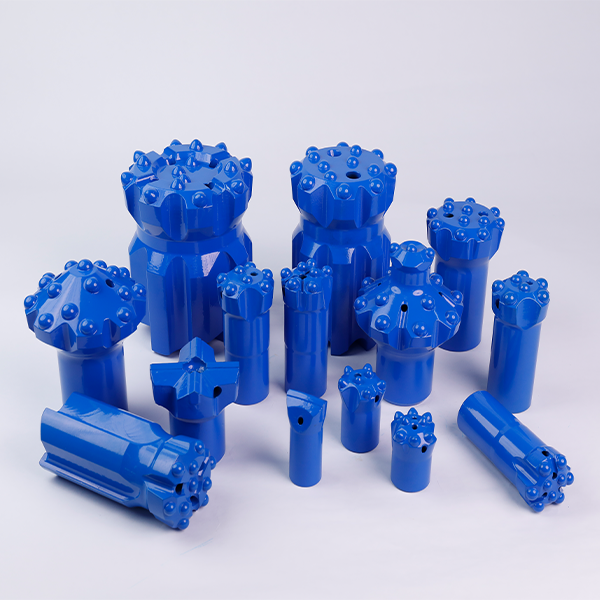
Choosing the right DTH drill bit is a critical decision for mining, quarrying, water well drilling, and construction projects. While many buyers focus mainly on the initial purchase price, the real drilling performance depends on multiple factors, including hammer compatibility, material quality, carbide performance, manufacturing precision, and supplier reliability.
A properly selected DTH drill bit can improve penetration rate, extend service life, reduce downtime, and lower the overall drilling cost per meter. On the other hand, choosing a low-quality or unsuitable bit may lead to premature wear, poor drilling efficiency, and unnecessary replacement costs.
Before placing an order, professional buyers should evaluate more than just the bit size or appearance. Understanding the key factors that influence DTH drill bit performance helps ensure better drilling results and a more cost-effective solution.
In this guide, we will explain the 8 essential factors to check before buying DTH drill bits, helping you make a more informed decision when selecting drilling tools for your project.
Confirm DTH Drill Bit Compatibility with Your Hammer
Before purchasing a DTH drill bit, the first and most important factor to check is whether the bit is fully compatible with your DTH hammer. Even a high-quality drill bit cannot achieve optimal performance if it does not properly match the DTH hammer.
The DTH hammer and drill bit work as a complete impact system. The DTH hammer generates impact energy through the piston, while the bit transfers this energy to the rock formation. Any mismatch between the hammer and bit may result in reduced impact efficiency, unstable drilling performance, faster wear, and increased operating costs.
Check the DTH Hammer Model and Shank Type
The shank design is one of the key factors determining DTH bit compatibility. Different hammer series require specific shank configurations to ensure proper connection and efficient impact energy transfer.
Before ordering, buyers should confirm:
- DTH hammer model
- Shank type and specifications
- Bit connection dimensions
- Required bit diameter range
Common DTH hammer series include:
- DHD series
- QL series
- COP series
- SD series
- CIR series
Each hammer type has its own matching drill bit design. Using an incompatible bit may cause poor fitting, reduced drilling efficiency, or even damage to the hammer and bit.
Match the Bit Size with Your Drilling Requirements
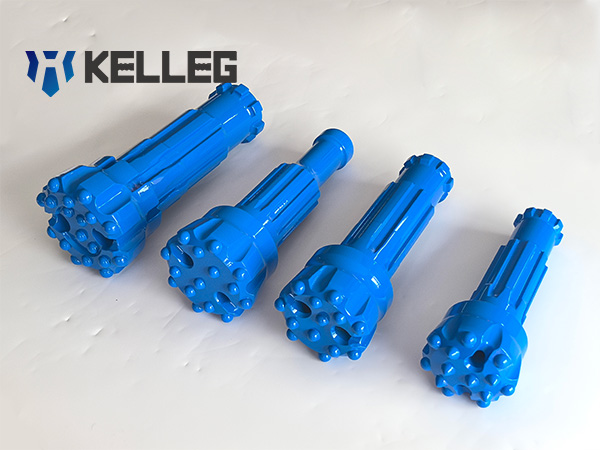
Besides hammer compatibility, the DTH drill bit diameter must also match the drilling application. The selected bit size affects hole diameter, drilling efficiency, and equipment performance.
When selecting the bit diameter, consider:
- Required hole size
- Drilling application
- Drilling equipment capacity
- Project requirements
For example:
- Mining and quarrying projects usually require specific hole diameters for blasting operations.
- Water well drilling often requires larger hole sizes depending on casing requirements.
- Construction drilling may prioritize accuracy and hole stability.
Choosing a bit that is too large or too small for the hammer system may reduce impact efficiency and increase wear on drilling components.
Verify Air Pressure and Operating Conditions
DTH hammer performance depends heavily on the available air supply. The selected drill bit should work effectively under the operating pressure and airflow conditions of the drilling system.
Before purchase, confirm:
- Compressor capacity
- Working air pressure
- Air consumption requirements
- Drilling depth and flushing conditions
Insufficient air supply may result in:
- Poor hole cleaning
- Reduced penetration rate
- Excessive bit wear
Proper matching between the hammer, bit, and air system helps maintain stable drilling performance.
How to Avoid Compatibility Problems Before Ordering
To ensure the correct DTH drill bit selection, buyers should provide their supplier with:
- DTH hammer model
- Required bit diameter
- Shank type
- Rock formation information
- Air pressure and compressor specifications
- Drilling application
A professional DTH drilling tool supplier can recommend the most suitable bit design based on actual operating conditions rather than only supplying a standard product.
Choose the Correct Bit Diameter for Your Application
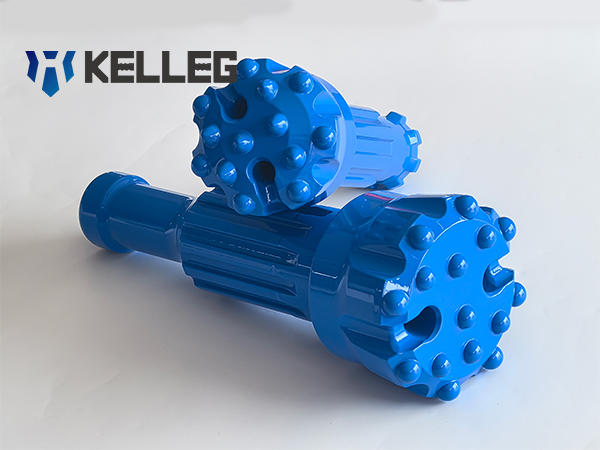
Selecting the correct DTH drill bit diameter is another critical factor that directly affects drilling efficiency, hole quality, and overall project performance. The bit diameter should not be selected only based on the desired hole size; it must also match the drilling application, hammer capacity, equipment capability, and project requirements.
An incorrectly sized DTH bit can reduce impact efficiency, increase energy consumption, and accelerate wear on both the bit and hammer. Therefore, buyers should confirm the required hole diameter and ensure the selected bit is suitable for their specific drilling conditions before placing an order.
Consider the Required Hole Diameter
The primary factor when selecting a DTH drill bit is the required borehole diameter. Different applications require different hole sizes depending on the final purpose of the drilling operation.
For example:
- Mining and quarrying:
DTH bits are commonly selected based on blasting requirements. The hole diameter needs to provide sufficient space for explosives while maintaining drilling efficiency and accuracy. - Water well drilling:
Larger diameter bits are often required to accommodate casing pipes and achieve the required water flow capacity. - Construction and foundation drilling:
Bit diameter selection depends on engineering requirements, anchor installation, ground conditions, and hole stability.
Choosing the correct diameter helps achieve a balance between penetration rate, drilling accuracy, and operational cost.
Match Bit Diameter with Hammer Size
DTH drill bit diameter is closely related to the size and performance of the DTH hammer. Each hammer has a recommended operating range to ensure efficient impact energy transfer and proper flushing performance.
Before ordering, buyers should confirm:
- DTH hammer model
- Recommended bit diameter range
- Available compressor capacity
- Drilling depth requirements
For example, a bit that is too large for a hammer may require more impact energy and airflow than the system can provide, resulting in:
- Reduced penetration speed
- Poor hole cleaning
- Increased stress on drilling components
On the other hand, selecting a bit that is too small may not fully utilize the hammer's impact capability and may reduce drilling productivity.
Consider the Relationship Between Bit Diameter and Drilling Performance
The selected DTH bit diameter affects several key drilling factors:
Penetration Rate
A properly matched bit allows the hammer to transfer impact energy efficiently to the rock, improving drilling speed.
Air Flushing Efficiency
Larger diameter bits generally require sufficient airflow to remove cuttings effectively. Insufficient flushing may cause:
- Cuttings accumulation
- Reduced drilling speed
- Increased bit wear
Hole Quality and Stability
The correct bit size helps maintain:
- Accurate hole diameter
- Better hole straightness
- More stable drilling performance
Common Mistakes When Selecting DTH Bit Diameter
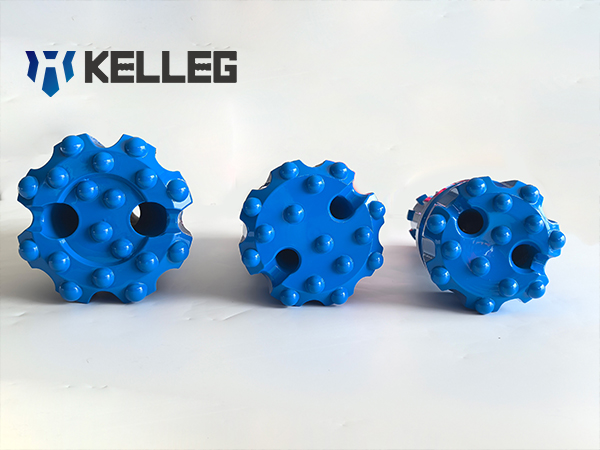
Choosing a Bit Only Based on Hole Size
Some buyers select a bit diameter without considering hammer capacity or air supply. This may lead to poor drilling performance even if the hole size is correct.
Ignoring Future Drilling Requirements
Projects may require different drilling depths, formations, or production targets. Selecting a bit based only on current conditions may limit future flexibility.
Using an Oversized Bit to Increase Productivity
A larger bit does not always mean faster drilling. Without sufficient impact energy and airflow, oversized bits may reduce efficiency and increase operating costs.
In practice, the ideal DTH bit diameter is the result of balancing hole size, hammer capability, air supply, and drilling requirements. Rather than choosing the largest or smallest available option, buyers should select a diameter that allows the entire drilling system to operate efficiently.
Evaluate Tungsten Carbide Button Quality
Tungsten carbide buttons are one of the most important components that determine DTH drill bit performance and service life. During drilling operations, carbide buttons are directly exposed to repeated impact, high pressure, and severe rock abrasion. Therefore, the quality of carbide buttons has a direct influence on penetration rate, wear resistance, and overall drilling cost.
When purchasing DTH drill bits, buyers should look beyond the button shape or appearance. The carbide grade, hardness, toughness, and retention quality all play important roles in determining whether a bit can maintain stable performance under demanding drilling conditions.
Consider Tungsten Carbide Grade and Performance
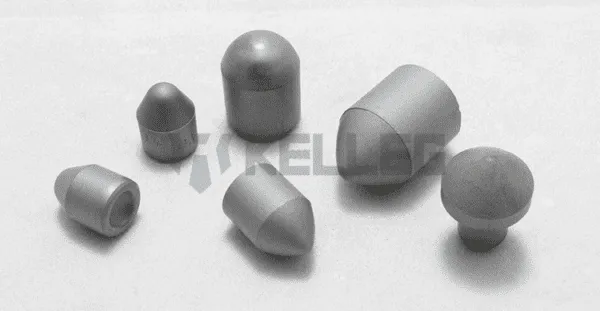
Not all tungsten carbide buttons have the same performance characteristics. Different carbide grades are designed to balance hardness and toughness according to specific drilling requirements.
Hardness
Carbide hardness affects the button’s ability to resist abrasive wear.
Higher hardness provides:
- Better wear resistance
- Longer service life in abrasive formations
- More stable drilling performance over time
However, excessive hardness without sufficient toughness may increase the risk of button cracking under high-impact conditions.
Toughness
Toughness determines how well carbide buttons withstand repeated impact forces.
Good toughness helps prevent:
- Button breakage
- Edge chipping
- Premature failure during impact drilling
For DTH drilling applications, an ideal carbide button requires a proper balance between hardness and toughness rather than focusing on only one property.
Check Button Retention Quality
Even high-quality tungsten carbide buttons cannot perform effectively if they are not securely installed into the drill bit body.
Poor button retention may lead to:
- Loose buttons
- Button loss during drilling
- Uneven wear across the bit face
- Reduced drilling efficiency
Professional DTH bit manufacturers use precise machining and reliable insertion processes to ensure the buttons remain firmly positioned throughout the drilling process.
Match Carbide Performance with Drilling Conditions
The ideal carbide button specification depends on the actual drilling environment.
For example:
- Highly abrasive formations:
Require carbide buttons with excellent wear resistance to maintain service life. - Hard and fractured rock:
Require a good balance between impact resistance and wear resistance. - High-efficiency drilling applications:
Require carbide performance that supports faster penetration while maintaining durability.
Selecting the right carbide quality helps reduce frequent bit replacement and improves the cost-effectiveness of drilling operations.
Common Mistakes When Evaluating Carbide Buttons
Choosing Based Only on Appearance
A visually similar carbide button does not always have the same internal quality. Differences in carbide composition and manufacturing processes can significantly affect performance.
Focusing Only on Hardness
Higher hardness does not always mean better performance. DTH drilling involves continuous impact, so toughness is equally important.
Ignoring Button Installation Quality
Even premium carbide buttons may fail prematurely if insertion accuracy and retention quality are poor.
How to Evaluate Carbide Quality Before Purchase
When selecting a DTH drill bit supplier, buyers should ask about:
- Tungsten carbide grade
- Carbide manufacturer or material source
- Hardness and toughness balance
- Button manufacturing consistency
- Button retention process
A reliable manufacturer should be able to provide technical information and quality assurance for carbide components.
Why Carbide Quality Matters for Total Drilling Cost
The quality of tungsten carbide buttons directly affects drilling economics. A DTH bit with better carbide performance may have a higher initial price, but longer service life and more stable penetration can reduce replacement frequency and lower the overall cost per meter.
Therefore, carbide quality should be evaluated as a long-term investment rather than simply an additional manufacturing cost.
Check Drill Bit Skirt Body Material and Heat Treatment
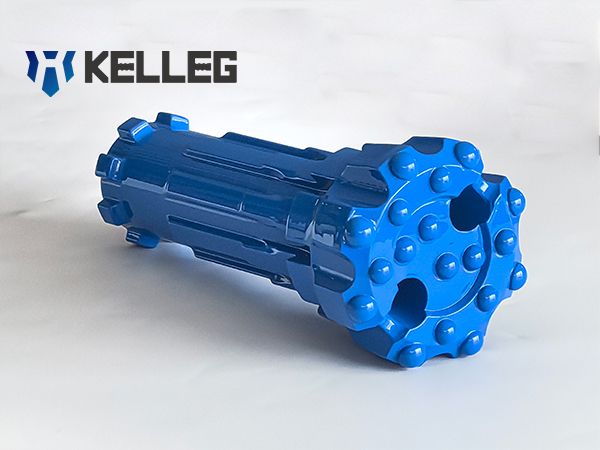
While tungsten carbide buttons are responsible for directly breaking the rock, the drill bit skirt body provides structural support and transfers impact energy from the DTH hammer to the rock formation. During drilling, the bit body is exposed to repeated impact loads, vibration, abrasion, and harsh operating environments. Therefore, the quality of the steel body and heat treatment process significantly affects the durability and service life of a DTH drill bit.
When purchasing DTH drill bits, buyers should not focus only on carbide quality. A high-performance bit requires a strong and wear-resistant body that can withstand continuous impact without deformation or premature failure.
Choose the Right Alloy Steel for the Drill Bit Body
The material used for the DTH bit body directly influences its strength, toughness, and fatigue resistance. High-quality manufacturers typically select alloy steels that provide a balanced combination of hardness and impact resistance.
A reliable DTH drill bit body should have:
High Impact Strength
The bit body must withstand thousands of impact cycles from the DTH hammer without cracking or deformation.
Good Wear Resistance
The outer skirt area continuously contacts rock particles and drilling debris. Proper material selection helps reduce excessive wear and maintain the original bit geometry.
Sufficient Toughness
A tough steel body can absorb impact forces and vibration, reducing the risk of:
- Body cracking
- Thread damage
- Skirt body deformation
Understand the Role of Heat Treatment
Heat treatment is a critical manufacturing process that improves the mechanical properties of the DTH drill bit body. Even premium alloy steel cannot achieve optimal performance without proper heat treatment.
A well-controlled heat treatment process helps achieve the right balance between:
- Surface hardness
- Core toughness
- Fatigue resistance
- Wear resistance
Common heat treatment processes may include:
- Quenching
- Tempering
- Carburizing or surface hardening (depending on design requirements)
The goal is not simply to make the steel harder, but to create a durable structure that can withstand both impact and abrasion during drilling.
Avoid Drill Bits with Poor Material and Heat Treatment Quality
Low-quality steel or improper heat treatment may cause problems such as:
Premature Body Wear
The skirt body may wear quickly, affecting flushing efficiency and drilling stability.
Cracking Under Impact
Insufficient toughness can cause cracks after repeated hammer impacts.
Deformation During Operation
Poor material strength may affect the connection between the hammer and bit, reducing impact energy transfer.
These issues can lead to shorter bit service life, increased downtime, and higher drilling costs.
How to Evaluate DTH Bit Body Quality Before Purchase
Before ordering DTH drill bits, buyers should consider asking suppliers:
- What steel grade is used for the bit body?
- What heat treatment process is applied?
- How is hardness controlled during production?
- Are material inspections performed before manufacturing?
- Is mechanical performance tested after heat treatment?
A professional DTH drill bit manufacturer should be able to provide clear information about material selection and quality control procedures.
Why Drill Bit Body Quality Affects Drilling Cost
A DTH drill bit with a strong and properly treated body can maintain stable performance throughout its service life. It helps protect the carbide buttons, maintain drilling accuracy, and reduce unexpected failures.
Although material quality and heat treatment may not be visible from the outside, they are key factors that determine whether a DTH bit can deliver reliable performance in demanding drilling operations.
Inspect Manufacturing Quality Before Buying
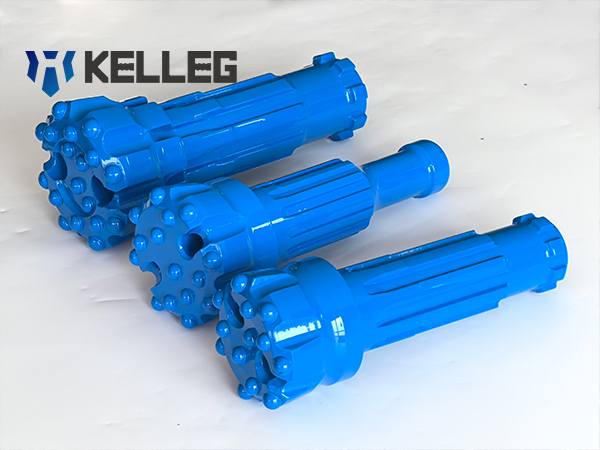
The performance of a DTH drill bit is not determined only by the selected materials. Manufacturing accuracy and quality control processes also play a critical role in ensuring drilling reliability, service life, and consistent performance.
Even if a drill bit uses high-quality steel and tungsten carbide buttons, poor manufacturing processes can lead to problems such as inaccurate fitting, uneven wear, reduced impact efficiency, and premature failure. Therefore, buyers should evaluate a supplier’s manufacturing capability and quality control system before placing an order.
Check Machining Accuracy and Dimensional Control
Precision machining is essential for ensuring that the DTH drill bit works properly with the hammer system.
Important areas to inspect include:
Shank Dimension Accuracy
The shank connects the drill bit with the DTH hammer. Accurate machining ensures:
- Proper fit with the hammer
- Efficient impact energy transfer
- Reduced vibration during drilling
Incorrect dimensions may cause poor connection, excessive wear, or damage to drilling components.
Bit Face and Button Position Accuracy
The arrangement and positioning of carbide buttons directly influence drilling balance and wear distribution.
High manufacturing accuracy helps ensure:
- Even impact distribution
- Stable penetration performance
- Longer button service life
Poor button placement may result in uneven wear, reduced drilling efficiency, and premature replacement.
Evaluate Air Hole Design and Flushing Performance
The air holes in a DTH drill bit play an important role in removing cuttings from the borehole.
A properly manufactured flushing hole helps achieve:
- Efficient removal of drilling debris
- Improved hole cleaning
- Reduced risk of regrinding cuttings
Poorly designed or inaccurately machined air holes may reduce flushing efficiency and affect drilling speed, especially in deep-hole or high-production drilling applications.
Review Quality Control Procedures
A reliable DTH drill bit manufacturer should have a systematic quality control process throughout production.
Key inspection stages may include:
Raw Material Inspection
Checking:
- Steel grade
- Chemical composition
- Material consistency
Machining Inspection
Checking:
- Dimensional accuracy
- Connection specifications
- Surface quality
Heat Treatment Inspection
Checking:
- Hardness range
- Mechanical properties
- Process consistency
Final Product Inspection
Checking:
- Overall appearance
- Button installation quality
- Product specifications
- Performance requirements
A complete quality control process helps ensure every DTH bit delivered to customers meets consistent standards.
Check the Manufacturer’s Production Capability
Before purchasing DTH drill bits, buyers should also evaluate whether the supplier has sufficient manufacturing capability.
Important factors include:
- In-house production ability
- Experience with different DTH bit designs
- Quality management system
- Production capacity
- OEM and customization capability
Manufacturers with stronger production control are usually better able to maintain consistent product quality and provide technical support for different drilling applications.
Questions to Ask a DTH Drill Bit Supplier
Before placing an order, buyers can ask:
- What quality inspection processes are used during production?
- How do you control machining accuracy?
- How are carbide buttons installed and inspected?
- What tests are performed before shipment?
- Can you provide customized DTH drill bit solutions?
A professional supplier should be able to explain not only the product specifications but also the manufacturing standards behind the product.
Why Manufacturing Quality Matters
A DTH drill bit is a precision drilling tool that operates under extreme impact and abrasive conditions. Manufacturing quality determines whether the bit can maintain stable performance throughout its service life.
Choosing a supplier with strong manufacturing capability helps reduce unexpected failures, improve drilling efficiency, and achieve a lower cost per drilled meter.
Consider Expected Service Life Instead of Initial Price
When purchasing DTH drill bits, price is often one of the first factors buyers compare. However, the lowest purchase price does not always represent the lowest drilling cost. In mining, quarrying, and construction drilling operations, the actual value of a DTH bit depends on how much drilling performance it can deliver throughout its service life.
A high-quality DTH drill bit may have a higher initial cost, but better materials, manufacturing precision, and wear resistance can help reduce replacement frequency, minimize downtime, and lower the overall cost per drilled meter.
Look Beyond the Initial Purchase Price
Many buyers compare DTH bits only by unit price:
"Which supplier offers the cheapest drill bit?"
However, a cheaper bit may result in higher operating costs if it has:
- Shorter service life
- Faster button wear
- Lower penetration efficiency
- More frequent replacement requirements
The better question is:
"How many meters can this DTH bit drill before replacement?"
Evaluating drilling performance over the entire service life provides a more accurate comparison.
Understand Cost Per Meter
Cost per meter is a more practical measurement for evaluating DTH drill bit performance.
A simple calculation:
Cost per meter = DTH bit price ÷ Total drilling meters achieved
For example:
| Bit | Purchase Price | Drilling Life | Cost per Meter |
|---|---|---|---|
| Bit A | $100 | 500 m | $0.20/m |
| Bit B | $70 | 250 m | $0.28/m |
Although Bit B has a lower purchase price, Bit A provides better long-term value due to longer service life.
Factors That Affect DTH Bit Service Life
The lifespan of a DTH drill bit depends on multiple factors, including:
Carbide Button Quality
High-quality tungsten carbide buttons provide better resistance against:
- Abrasive wear
- Impact damage
- Premature breakage
Drill Bit Body Strength
A durable bit body with proper material selection and heat treatment helps withstand:
- Repeated hammer impact
- Vibration
- Rock abrasion
Manufacturing Precision
Accurate machining and proper button placement contribute to:
- Even wear distribution
- Stable drilling performance
- Longer operating life
Operating Conditions
Even a high-quality DTH bit may wear faster under unsuitable operating conditions.
Service life is affected by:
- Rock abrasiveness
- Drilling pressure
- Rotation speed
- Air flushing efficiency
- Operator experience
Balance Service Life and Drilling Efficiency
A longer-lasting DTH bit is not always the best choice if drilling speed is significantly reduced. Professional buyers should consider both:
- Service life
- Penetration rate
An ideal DTH bit should maintain a balance between durability and drilling efficiency.
For example:
- A very hard carbide button may provide excellent wear resistance but may not perform optimally in impact-intensive applications.
- A highly aggressive bit design may achieve faster penetration but require more frequent replacement.
The best choice depends on the actual drilling environment and project requirements.
Avoid Common Mistakes When Comparing DTH Bit Prices
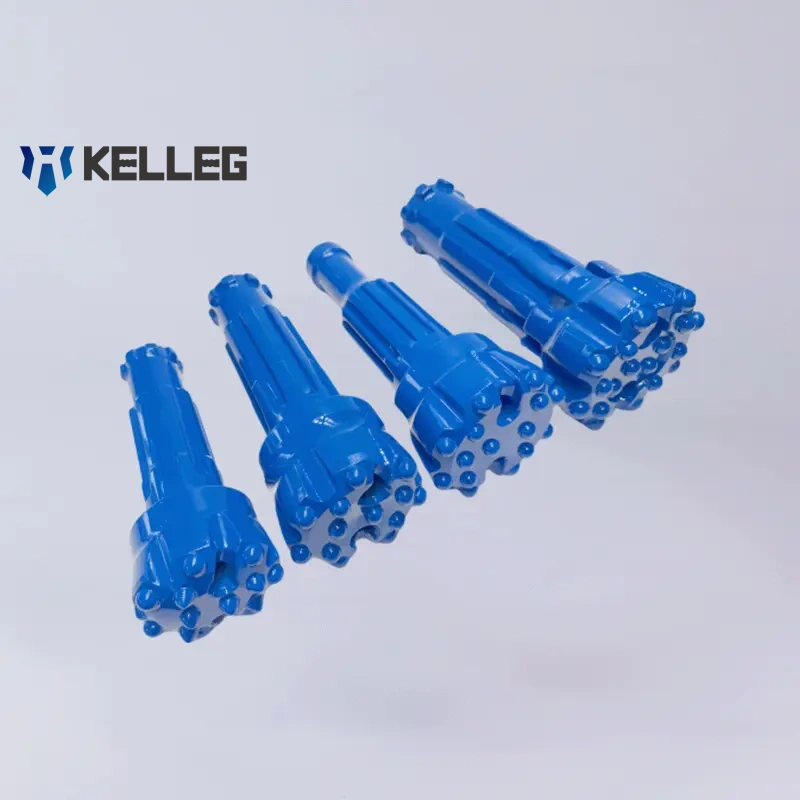
Choosing the Cheapest Option
Low-cost bits may use:
- Lower-grade materials
- Inconsistent carbide quality
- Less precise manufacturing processes
This can increase downtime and replacement costs.
Ignoring Productivity Loss
Frequent bit changes do not only increase tool costs. They also cause:
- Machine downtime
- Labor costs
- Reduced drilling output
Comparing Suppliers Only by Unit Price
A professional comparison should include:
- Bit lifespan
- Drilling speed
- Product consistency
- Technical support
- After-sales service
How to Evaluate Expected Service Life Before Buying
Before placing an order, buyers should ask suppliers:
- What is the expected drilling life under similar conditions?
- What materials are used for the bit body and carbide buttons?
- Are there performance records from similar applications?
- How does the bit perform in abrasive rock conditions?
- Can the supplier recommend the most suitable design for the project?
A reliable supplier should focus on helping customers reduce total drilling costs rather than simply providing the lowest-priced product.
Why Service Life Matters for Long-Term Drilling Performance
For professional drilling contractors, the real cost of a DTH drill bit is determined by its performance over time. A reliable bit that delivers consistent penetration, longer service life, and fewer interruptions can significantly improve project efficiency.
Therefore, when selecting DTH drill bits, buyers should evaluate value rather than price alone.
Match Bit Performance with Drilling Conditions
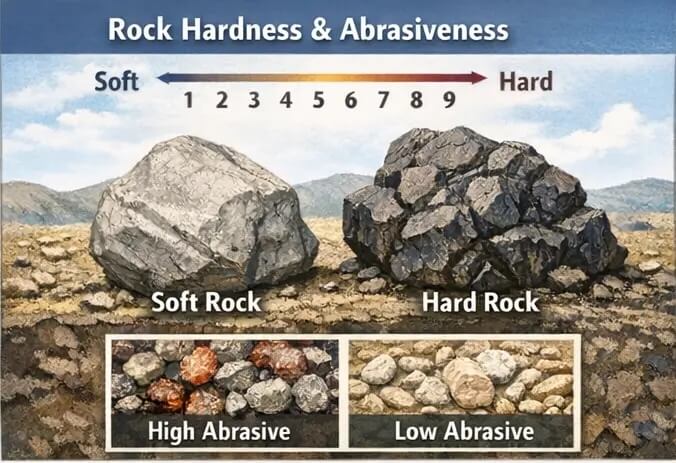
Even a high-quality DTH drill bit cannot deliver optimal performance if it is not suitable for the actual drilling environment. Rock formation, drilling depth, air supply, and operating parameters all influence how efficiently a DTH bit can transfer impact energy, remove cuttings, and maintain service life.
Before purchasing a DTH drill bit, buyers should consider whether the bit design and performance characteristics match their specific drilling conditions. The right match can improve penetration rate, reduce unnecessary wear, and achieve more stable drilling results.
Consider Rock Formation Characteristics
Rock conditions are one of the most important factors affecting DTH drill bit performance. Different formations place different demands on carbide buttons, bit face design, and overall durability.
Key factors include:
Rock Hardness
Hard rock formations require a DTH bit with:
- Strong impact resistance
- Durable carbide buttons
- Stable cutting performance
A bit that is not designed for hard formations may experience faster button wear or reduced penetration efficiency.
Rock Abrasiveness
Highly abrasive formations can accelerate wear on both carbide buttons and the bit body.
For abrasive conditions, buyers should prioritize:
- High wear-resistant carbide
- Durable bit body materials
- Optimized flushing performance
This helps maintain drilling efficiency and extend service intervals.
Fractured or Variable Rock Conditions
In fractured formations, drilling stability becomes more important.
The selected DTH bit should provide:
- Stable energy transfer
- Good hole straightness
- Reliable button retention
This helps reduce vibration and improves overall drilling control.
Consider Drilling Depth and Hole Conditions
Drilling depth also affects DTH bit performance requirements.
For deeper drilling applications, buyers should consider:
- Flushing efficiency
- Air pressure availability
- Cuttings removal capability
- Bit wear resistance
Poor flushing conditions can cause cuttings to remain in the hole, leading to:
- Reduced penetration rate
- Increased bit wear
- Higher energy consumption
A properly matched DTH bit should work efficiently with the available drilling system throughout the entire hole depth.
Match Bit Performance with Operating Parameters
The DTH bit, hammer, and drilling equipment must work as a complete system.
Important operating parameters include:
Air Pressure and Air Volume
Adequate air supply is required for:
- Hammer performance
- Effective flushing
- Stable penetration
Insufficient airflow may reduce drilling speed and increase wear.
Rotation Speed
The correct rotation speed helps achieve:
- Even button wear
- Efficient rock breaking
- Longer bit life
Excessive rotation speed may accelerate wear, while insufficient rotation may reduce drilling efficiency.
Impact Energy
The DTH bit should match the impact energy generated by the hammer.
Poor matching may cause:
- Inefficient energy transfer
- Excessive stress on the bit
- Reduced drilling performance
Provide Complete Drilling Information When Selecting a Bit
To recommend the most suitable DTH drill bit, buyers should provide:
- Rock type and formation characteristics
- Rock hardness and abrasiveness
- Hole diameter
- Drilling depth
- DTH hammer model
- Air pressure and compressor capacity
- Drilling application
A professional DTH drilling tool supplier can use this information to recommend a suitable solution instead of simply supplying a standard bit.
Why Matching Performance with Conditions Matters
Selecting a DTH drill bit is not only about choosing a product with high durability. The best-performing bit is the one that matches the actual drilling environment.
A properly selected DTH bit can help achieve:
- Higher penetration rates
- Longer service life
- More stable drilling performance
- Lower cost per drilled meter
Understanding your drilling conditions before purchasing ensures that the selected DTH drill bit delivers the expected performance in real-world applications.
Evaluate the DTH Drill Bit Supplier
Choosing the right DTH drill bit is not only about selecting the correct product specification. The supplier behind the product also plays an important role in ensuring consistent quality, reliable delivery, and long-term drilling performance.
Many buyers focus mainly on product price, but a reliable DTH drill bit supplier can provide much more value through manufacturing capability, technical support, quality control, and customized solutions. Selecting the right supplier helps reduce purchasing risks and ensures that drilling tools continue to meet project requirements.
Check the Supplier’s Manufacturing Capability
A professional DTH drill bit supplier should have strong manufacturing capabilities rather than simply acting as a reseller.
Important factors to evaluate include:
Production Experience
Experienced manufacturers usually have better knowledge of:
- Different DTH hammer series
- Various drilling applications
- Material selection
- Product optimization
This experience helps suppliers provide more suitable drilling solutions based on actual project requirements.
Product Range and Technical Capability
A reliable supplier should be able to provide a complete range of DTH drilling tools, including:
- DTH drill bits
- DTH hammers
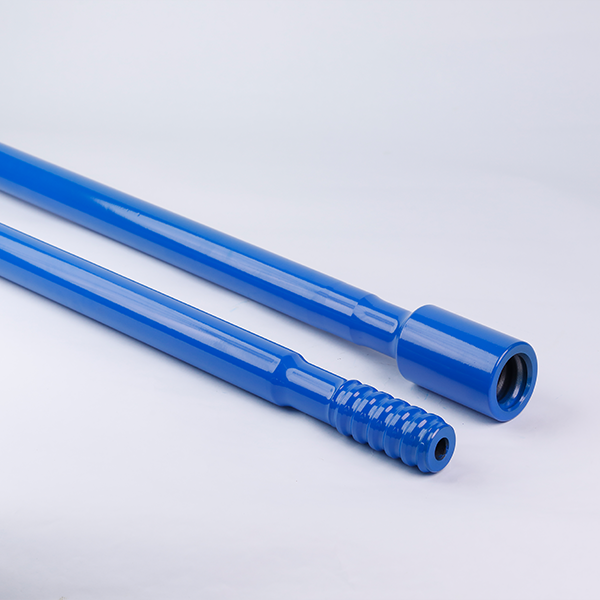
- DTH drill pipes
A broader product range allows better compatibility between different drilling components and simplifies sourcing for customers.
Evaluate Quality Control Standards
Consistent product quality is essential for professional drilling operations.
Before choosing a supplier, buyers should understand:
- How raw materials are inspected
- How machining accuracy is controlled
- How carbide buttons are installed and tested
- How finished products are inspected before shipment
A supplier with a complete quality control system can reduce variations between batches and provide more reliable drilling performance.
Consider Technical Support and Product Recommendations
DTH drilling performance depends on many factors, including:
- Hammer model
- Hole diameter
- Rock conditions
- Air pressure
- Drilling application
A professional supplier should not simply recommend a standard product. Instead, they should be able to analyze project requirements and provide technical suggestions.
Good technical support may include:
- Selecting suitable bit specifications
- Recommending bit designs for different conditions
- Optimizing drilling performance
- Solving wear or efficiency problems
Check Customization and OEM Capability
Different drilling projects may require specific solutions. A supplier with customization capability can provide:
- Special bit diameters
- Customized shank designs
- Specific button configurations
- OEM manufacturing services
This is especially valuable for drilling contractors and distributors who need products tailored to their markets or equipment systems.
Evaluate Delivery Capability and After-Sales Support
Reliable supply is important for projects where drilling downtime can directly affect productivity.
Before cooperation, buyers should consider:
Delivery Capability
Check:
- Production capacity
- Lead time management
- Export experience
- Packaging and transportation capability
After-Sales Support
A dependable supplier should provide support after delivery, including:
- Technical communication
- Product feedback
- Application suggestions
- Problem-solving assistance
Questions to Ask Before Choosing a DTH Bit Supplier
Before placing an order, buyers can ask:
- Are you a manufacturer or trading company?
- What DTH bit models can you produce?
- What materials and quality control processes do you use?
- Can you recommend a suitable bit based on my drilling conditions?
- Do you provide OEM or customized solutions?
- Can you support long-term supply requirements?
These questions help buyers identify suppliers that can provide reliable products and professional support.
Why Choosing the Right Supplier Matters
A high-quality DTH drill bit is the result of proper material selection, precise manufacturing, strict quality control, and professional technical support. Working with the right supplier helps customers achieve:
- More consistent product quality
- Reduced drilling downtime
- Better drilling efficiency
- Lower long-term operating costs
For mining, quarrying, and construction drilling projects, a supplier should be considered not only as a product provider but also as a technical partner who helps improve overall drilling performance.
Conclusion
Choosing the right DTH drill bit requires more than comparing product specifications or initial prices. A reliable drilling solution depends on multiple factors, including hammer compatibility, bit diameter, carbide quality, drill bit body material, manufacturing precision, service life, drilling conditions, and supplier capability.
By carefully evaluating these factors before placing an order, buyers can avoid common purchasing mistakes, reduce unexpected downtime, and achieve better drilling performance with lower overall operating costs.
A high-quality DTH drill bit is not simply a consumable tool—it is an important part of the entire drilling system. The right bit, combined with proper equipment matching and professional technical support, can help improve penetration efficiency, extend service life, and maximize the value of every drilling project.
At Kelleg, we provide reliable DTH drill bits and drilling solutions for mining, quarrying, construction, and other rock drilling applications. Our team can help you select suitable drilling tools based on your hammer model, drilling conditions, and project requirements.
Contact Kelleg today to get professional recommendations for your DTH drilling needs and find the right solution for your project.