Introduction
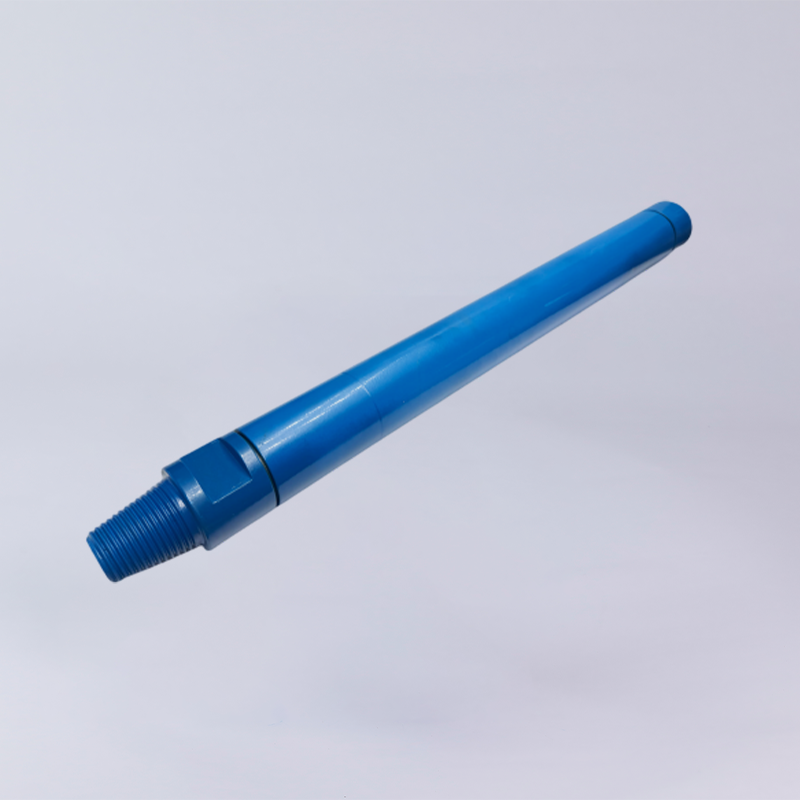
In DTH drilling operations, increasing drilling speed while reducing cost per meter is a key challenge for mining contractors, quarry operators, and drilling service providers. A higher penetration rate does not always mean lower drilling costs, because factors such as tool wear, air consumption, downtime, and improper drilling parameters can significantly affect overall productivity.
The efficiency of a DTH drilling system depends on how well the entire drilling process is optimized — from selecting the right DTH hammer and drill bit to maintaining proper air pressure, improving flushing performance, and adjusting operating parameters according to rock conditions.
Common problems such as slow penetration, premature drill bit wear, excessive fuel consumption, and frequent hammer maintenance can increase the cost of every drilled meter. In many cases, these issues are not caused by equipment power limitations but by mismatched drilling tools, incorrect operating methods, or inefficient drilling practices.
This guide explains the key factors that influence DTH drilling speed and cost per meter, and provides practical solutions to help operators improve penetration rate, extend tool service life, reduce downtime, and achieve more economical drilling performance.
Whether you are working in mining, quarrying, water well drilling, or construction projects, optimizing your DTH drilling system can help maximize productivity and reduce long-term operating costs.
Understanding DTH Drilling Speed and Cost per Meter
The performance of a DTH drilling operation is usually evaluated by two key indicators: drilling speed (penetration rate) and cost per meter drilled. These two factors are closely connected because improving drilling speed can increase productivity, while controlling drilling costs helps maximize the economic value of each drilling project.
However, achieving the highest drilling speed does not always mean achieving the lowest cost per meter. A drilling system that operates too aggressively may increase drill bit wear, consume excessive compressed air, or cause premature component failure, resulting in higher overall operating costs.
For this reason, efficient DTH drilling requires a balance between penetration rate, equipment performance, tool life, and operating expenses.
What Determines DTH Drilling Speed?
DTH drilling speed, also known as penetration rate, refers to the distance drilled within a specific period of time, usually measured in meters per hour (m/h). It represents how efficiently the DTH drilling can break and remove rock during operation.
The penetration rate is influenced by multiple factors, including geological conditions, drilling equipment selection, and operating parameters.
Rock Hardness and Geological Conditions
Rock formation is one of the most important factors affecting DTH drilling speed.
Hard and abrasive rocks such as granite, basalt, and quartz-rich formations require higher impact energy and more wear-resistant drilling tools. Softer formations generally allow faster penetration with lower energy requirements.
Different rock conditions affect:
- impact energy requirements
- bit wear rate
- flushing efficiency
- drilling stability
Therefore, selecting the correct DTH hammer and drill bit combination according to rock characteristics is essential for maintaining stable drilling performance.
Hammer Impact Energy and Performance
The DTH hammer directly determines how effectively energy is transferred to the drill bit.
A properly selected DTH hammer can provide:
- sufficient impact force
- stable piston movement
- efficient energy transfer
- consistent penetration performance
If the DTH hammer size is too small for the drilling diameter or rock hardness, the impact energy may be insufficient, resulting in slow drilling speed.
On the other hand, an oversized DTH hammer may increase air consumption and operating costs without providing proportional improvements in productivity.
DTH Drill Bit Design and Condition
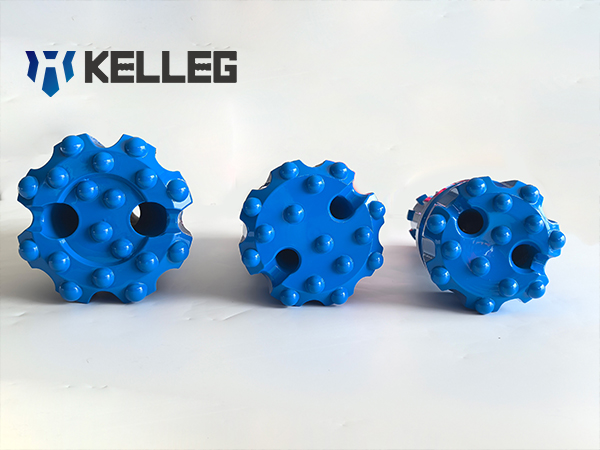
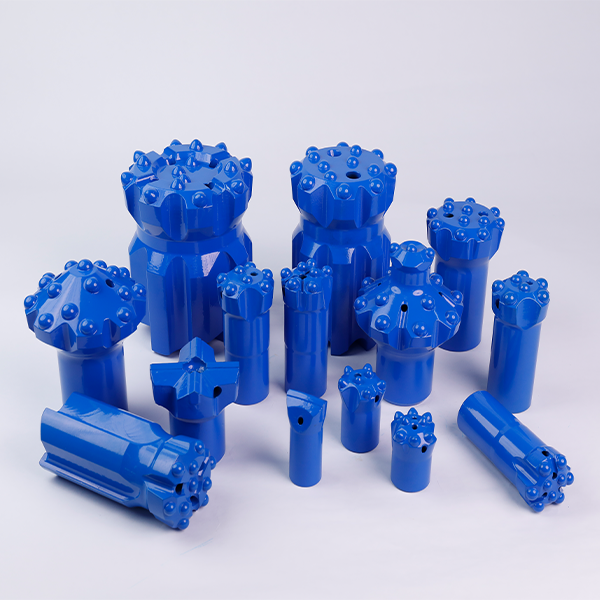
The drill bit is the direct contact point between the drilling system and the rock, making its design critical to penetration rate.
Factors affecting drilling speed include:
- bit diameter
- carbide button shape
- face design
- gauge button layout
- carbide quality
For example:
- Ballistic buttons can improve penetration in softer to medium-hard formations.
- Spherical buttons provide better wear resistance in abrasive rock.
- Optimized face designs improve cutting removal and reduce repeated crushing.
A worn or improperly selected DTH bit can significantly reduce drilling speed and increase cost per meter.
Air Pressure and Airflow Efficiency
Compressed air performs two important functions in DTH drilling:
- Driving the DTH hammer piston to generate impact energy
- Removing rock cuttings from the borehole
Insufficient air pressure or airflow can cause:
- reduced impact frequency
- weak hammer performance
- poor flushing efficiency
- slower penetration rate
However, increasing air pressure alone does not always improve drilling speed. The air supply must match the requirements of the DTH hammer, drill pipe size, and drilling conditions to achieve optimal efficiency.
Operator Parameters and Drilling Practices
Even with high-quality drilling tools, incorrect operating parameters can reduce drilling efficiency.
Important operating factors include:
- rotation speed
- feed pressure
- flushing control
- drilling alignment
For example:
- Excessive rotation speed may accelerate bit wear.
- Excessive feed pressure may damage carbide buttons.
- Insufficient feed pressure may reduce energy transfer efficiency.
Experienced operators can significantly improve drilling performance by adjusting parameters according to changing rock conditions.
What Is Drilling Cost per Meter?
Drilling cost per meter is the total expense required to complete one meter of drilled hole. It is one of the most important economic indicators for evaluating DTH drilling efficiency.
A lower cost per meter does not simply come from purchasing cheaper drilling tools. Instead, it depends on optimizing the entire drilling process, including tool consumption, energy usage, labor efficiency, and equipment availability.
The basic calculation can be expressed as:
Cost per meter = Total drilling cost ÷ Total meters drilled
Main Components of Drilling Cost per Meter
The total drilling cost usually includes the following factors:
| Cost Factor | Description |
|---|---|
| Drilling tools consumption | Cost of DTH hammers, drill bits, drill pipes, and replacement parts |
| Fuel or electricity cost | Energy consumption of drilling rigs and compressors |
| Compressor cost | Operating cost caused by compressed air production |
| Labor cost | Operator and maintenance personnel expenses |
| Maintenance cost | Repair, lubrication, and component replacement costs |
| Downtime cost | Productivity losses caused by equipment failure or tool replacement |
Why Reducing Cost per Meter Requires More Than Lower Tool Prices
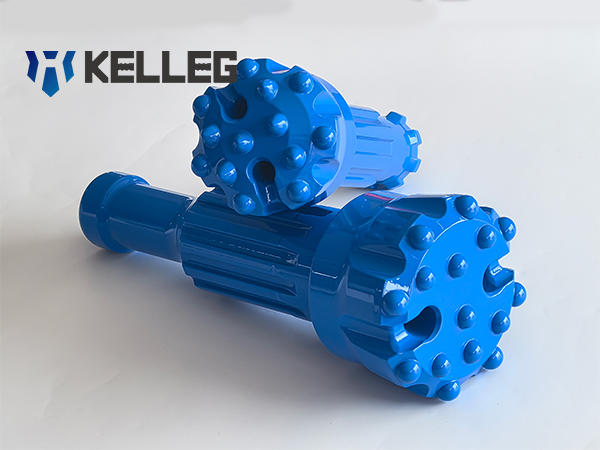
Many drilling contractors focus on the initial purchase price of DTH tools, but the actual drilling cost depends more on total performance throughout the tool life cycle.
For example, a low-cost drill bit may appear economical at first, but if it:
- wears faster,
- reduces penetration speed,
- requires frequent replacement,
- increases downtime,
the final cost per meter may become higher.
High-quality DTH drilling tools with optimized materials, carbide design, and manufacturing processes can often reduce overall drilling costs by improving:
- penetration rate
- tool lifespan
- drilling stability
- operational efficiency
Key Relationship Between Drilling Speed and Cost per Meter
Improving penetration rate can reduce cost per meter because:
- more meters can be drilled within the same operating time;
- labor and equipment costs are distributed across more drilled meters;
- downtime caused by inefficient drilling can be reduced.
However, maximum drilling speed should always be balanced with tool durability and energy consumption.
The most efficient DTH drilling operation is not the one that drills the fastest for a short period, but the one that achieves the best balance between penetration rate, tool life, and total operating cost.
8 Key Factors Affecting DTH Drilling Speed and Cost
The efficiency of a DTH drilling operation is determined by the interaction between drilling equipment, tools, operating parameters, and geological conditions. A reduction in penetration rate or an increase in cost per meter is usually caused by multiple factors rather than a single equipment problem.
To achieve higher drilling productivity and lower operating costs, operators need to optimize the entire drilling system, including DTH hammer selection, drill bit performance, air supply, flushing efficiency, and maintenance practices.
The following eight factors have the greatest impact on DTH drilling speed and overall drilling cost.
Proper Selection of DTH Hammer
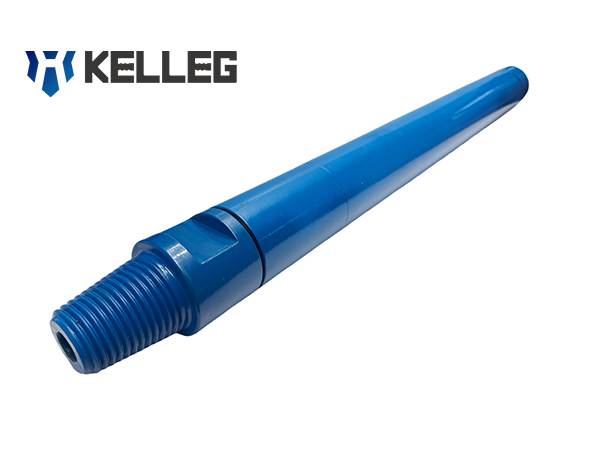
The DTH hammer is the power source that converts compressed air energy into impact energy to break rock. The DTH hammer's performance directly affects penetration rate, energy efficiency, and drilling stability.
A mismatched DTH hammer can significantly reduce drilling efficiency.
For example:
- A DTH hammer that is too small may not provide enough impact energy for hard rock.
- An oversized DTH hammer may consume excessive compressed air and increase operating costs.
Therefore, selecting the correct DTH hammer according to drilling conditions is essential.
Key Selection Factors
Hole Diameter
The DTH hammer size should match the required borehole diameter.
Larger diameter holes usually require:
- larger DTH hammer size
- higher air consumption
- greater impact energy
Rock Formation
Different formations require different DTH hammer performance.
| Rock Condition | Recommended Hammer Characteristics |
|---|---|
| Hard and abrasive rock | High impact energy, wear-resistant design |
| Medium-hard rock | Balanced impact frequency and energy |
| Soft rock | Higher penetration efficiency |
Air Compressor Capacity
The DTH hammer must match the available compressor capacity.
Insufficient airflow can cause:
- weak impact performance
- reduced penetration rate
- poor flushing
Optimize DTH Drill Bit Selection
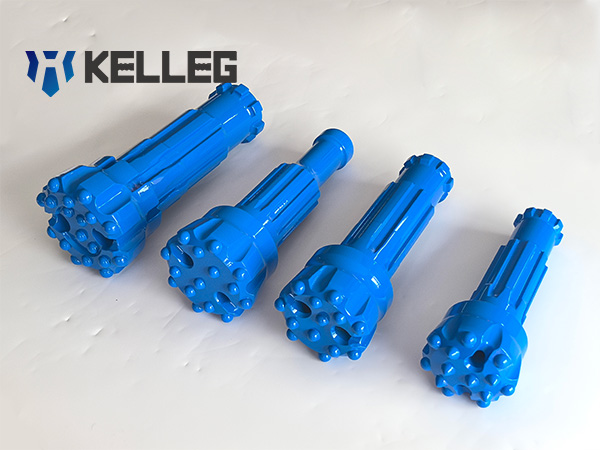
The DTH drill bit directly interacts with the rock formation, making it one of the most important components affecting penetration rate and drilling cost per meter.
A properly selected bit can:
- improve rock-breaking efficiency
- increase drilling speed
- extend service life
- reduce replacement frequency
Important Bit Selection Factors
Bit Face Design
Different face designs perform better in different formations.
| Bit Face Design | Suitable Application |
|---|---|
| Flat Face | Hard and abrasive rock |
| Concave Face | General drilling conditions |
| Convex Face | Faster penetration in softer rock |
| Drop Center | Deep hole drilling requiring good flushing |
Carbide Button Design
Button shape influences both penetration speed and wear resistance.
- Spherical buttons: Better wear resistance
- Ballistic buttons: Faster penetration
- Parabolic buttons: Balance between speed and durability
Maintain Optimal Air Pressure and Airflow
Compressed air has two main functions in DTH drilling:
- Driving the hammer piston
- Removing rock cuttings from the hole
Insufficient air supply can result in:
- reduced impact energy
- slower drilling speed
- poor hole cleaning
- increased bit wear
How to Improve Air Efficiency
Operators should check:
- compressor output capacity
- air leakage in drill pipes
- pipe diameter matching
- hammer air requirements
A properly optimized air compressor improves both penetration rate and fuel efficiency.
Improve Flushing Efficiency
Efficient flushing is essential for removing broken rock particles from the borehole.
Poor flushing causes:
- repeated crushing of cuttings
- increased bit temperature
- reduced penetration rate
- higher energy consumption
Factors Affecting Flushing Efficiency
1. Airflow Volume
Higher airflow helps remove cuttings faster.
2. Annular Space
The clearance between drill pipe and borehole wall affects cuttings removal.
3. Bit Design
Proper face design improves air circulation and flushing performance.
Optimize Drilling Parameters
Even with high-quality equipment, incorrect operating parameters can reduce drilling efficiency and shorten tool life.
The main drilling parameters include:
- rotation speed
- feed pressure
- impact frequency
- flushing control
Rotation Speed
Too high:
- increases button wear
- reduces bit life
Too low:
- decreases cutting efficiency
Feed Pressure
Correct feed pressure ensures efficient energy transfer from DTH hammer to rock.
Excessive pressure may cause:
- premature bit damage
- increased mechanical stress
Insufficient pressure may reduce drilling efficiency.
Select High-Quality DTH Drilling Tools
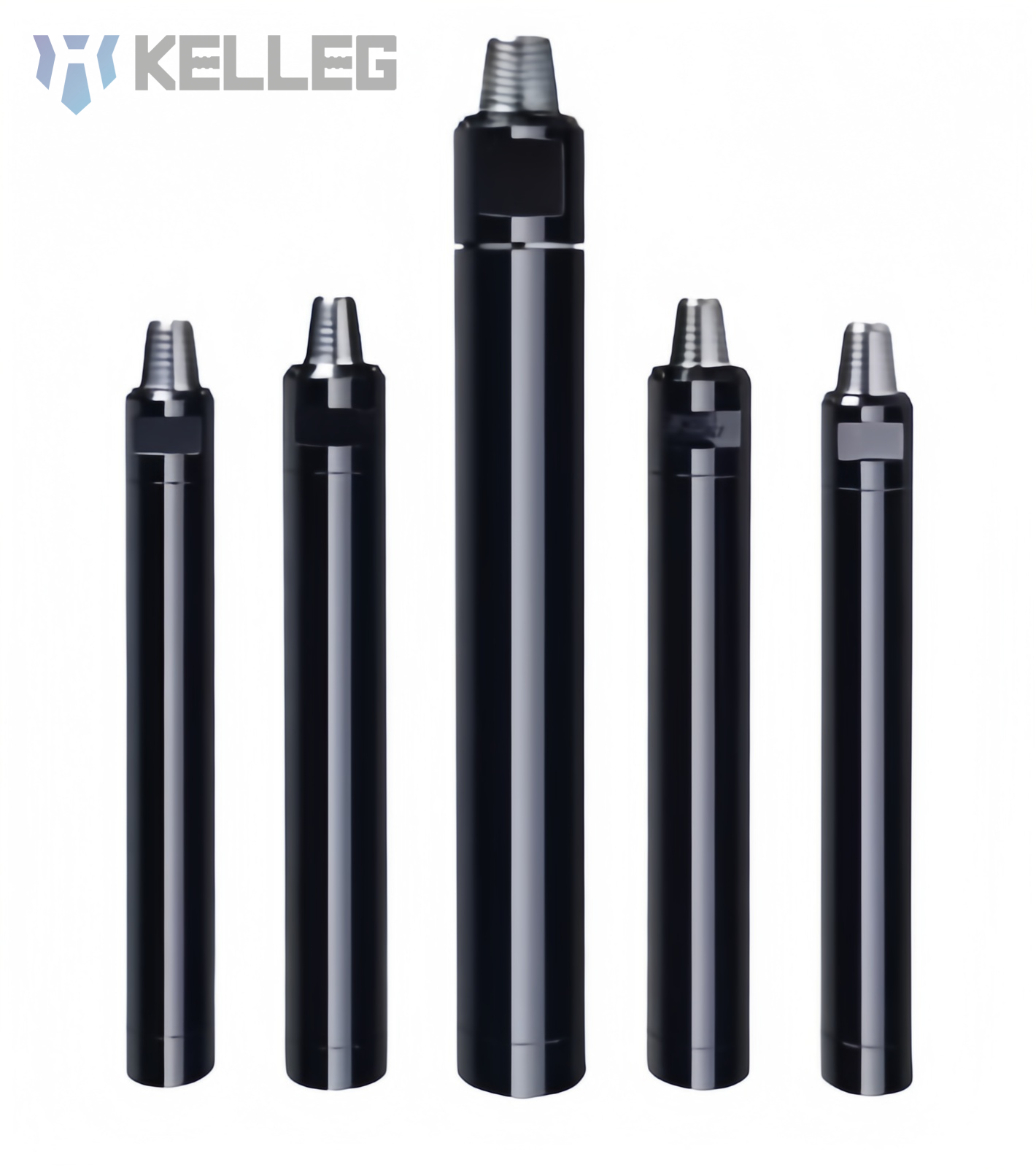
The initial purchase price of drilling tools does not determine the real drilling cost.
Low-quality tools may result in:
- faster wear
- frequent replacement
- unexpected downtime
- higher cost per meter
Key Quality Factors
Steel Material
High-performance DTH drilling tools require:
- high-strength alloy steel
- proper heat treatment
- excellent fatigue resistance
Carbide Quality
High-quality carbide buttons provide:
- better impact resistance
- longer service life
- stable penetration performance
Reduce Downtime Through Preventive Maintenance
Unplanned downtime is one of the hidden costs in drilling operations.
Common causes include:
- worn DTH hammer components
- damaged threads
- insufficient lubrication
- blocked air passages
Recommended Maintenance Practices
Before Operation
Check:
- hammer lubrication
- drill bit condition
- thread connection
During Operation
Monitor:
- abnormal vibration
- reduced penetration speed
- unusual air consumption
After Operation
Inspect:
- piston wear
- cylinder condition
- carbide button damage
Monitor Drilling Performance and Adjust Operations
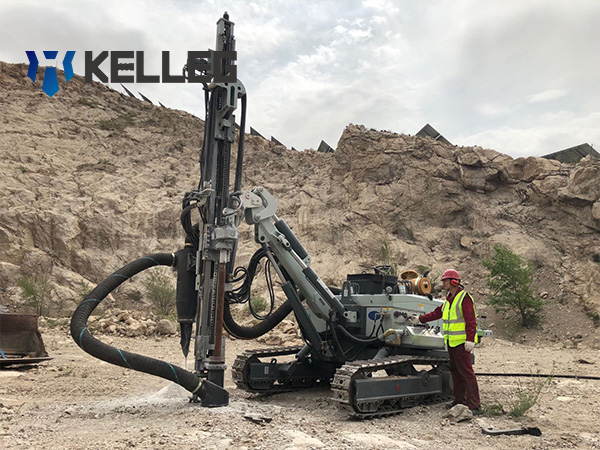
Modern drilling efficiency improvement depends increasingly on performance monitoring.
Tracking drilling data helps identify:
- productivity losses
- excessive tool consumption
- inefficient operating conditions
Important Performance Indicators
| Indicator | Purpose |
|---|---|
| Penetration rate (m/h) | Measure drilling efficiency |
| Bit life (meters/bit) | Evaluate tool performance |
| Air consumption | Monitor energy efficiency |
| Downtime hours | Identify productivity losses |
| Cost per meter | Measure economic performance |
Continuous Optimization Approach
Successful drilling operations regularly adjust:
- hammer selection
- bit design
- operating parameters
according to changing geological conditions.
The Best Way to Improve DTH Drilling Efficiency
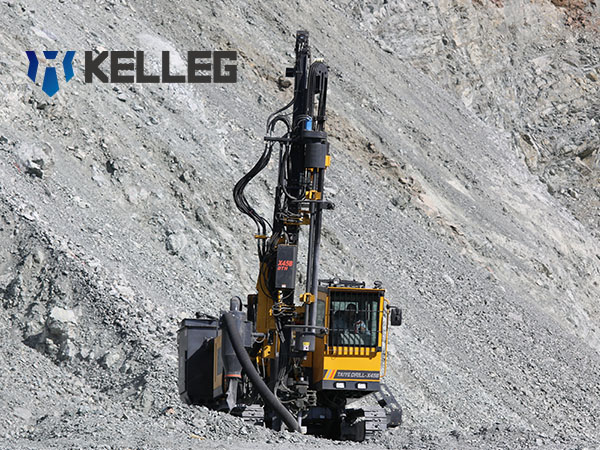
Increasing DTH drilling speed and reducing cost per meter requires a complete system optimization approach. The most effective improvements usually come from:
- Choosing the right DTH hammer
- Selecting the correct drill bit design
- Optimizing air supply and flushing
- Adjusting drilling parameters
- Using durable drilling tools
- Reducing downtime through maintenance
- Monitoring performance data
When all these factors work together, operators can achieve higher penetration rates, longer tool life, and lower overall drilling costs.
Common Reasons Why DTH Drilling Becomes Slow and How to Fix Them
A decrease in DTH drilling speed is one of the most common problems faced by mining contractors, quarry operators, and drilling service providers. When a DTH drilling tool suddenly loses penetration performance, the problem is not always caused by the DTH hammer or drill bit itself.
Slow drilling can result from multiple factors, including incorrect tool selection, insufficient air supply, poor flushing performance, worn components, or improper operating parameters.
Identifying the root cause quickly is essential because reduced penetration rate directly increases:
- drilling time
- fuel consumption
- labor costs
- tool consumption
- cost per meter
The following are the most common causes of slow DTH drilling and practical solutions.
Insufficient Air Pressure or Airflow
Problem
Compressed air is the power source of a DTH hammer. It drives the piston to generate impact energy and removes rock cuttings from the borehole.
When air pressure or airflow is insufficient, the DTH hammer cannot operate at its designed performance level.
Common symptoms include:
- weak hammer impact
- reduced penetration rate
- irregular DTH hammer operation
- poor hole cleaning
Possible Causes
- Compressor capacity is too small
- Air leakage in drill pipes or connections
- Blocked air passages
- Incorrect DTH hammer selection
- Excessive drilling depth for available airflow
Solutions
To improve DTH drilling performance:
- Check compressor pressure and airflow output
- Inspect drill pipe connections for leakage
- Ensure the compressor matches the DTH hammer requirements
- Select a hammer designed for available air capacity
Incorrect DTH Hammer Selection
Problem
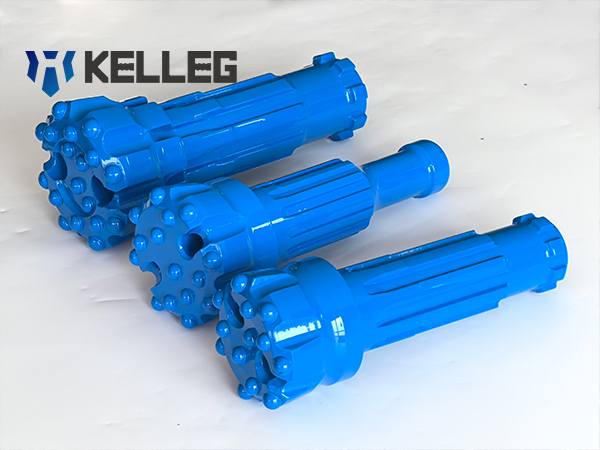
Using the wrong DTH hammer for the drilling application can significantly reduce drilling efficiency.
A hammer must be matched with:
- hole diameter
- rock hardness
- drilling depth
- compressor capacity
Common Mistakes
Using an undersized DTH hammer
Results:
- insufficient impact energy
- slow penetration
- increased drilling time
Using an oversized hammer
Results:
- excessive air consumption
- higher operating costs
- unnecessary equipment load
Solutions
Select the DTH hammer based on:
| Factor | Consideration |
|---|---|
| Rock hardness | Required impact energy |
| Hole diameter | Hammer size compatibility |
| Compressor capacity | Air consumption requirement |
| Application | Mining, quarrying, water well, construction |
Worn or Incorrect DTH Drill Bit
Problem
The drill bit is the component directly responsible for breaking rock. A worn or unsuitable bit can significantly reduce penetration efficiency.
Common signs include:
- slower drilling speed
- increased rotation resistance
- excessive vibration
- reduced flushing efficiency
Common Causes
Worn Carbide Buttons
When buttons become:
- flattened
- cracked
- missing
the bit loses its ability to effectively break rock.
Incorrect Bit Design
Different rock formations require different bit designs.
For example:
- Abrasive rock requires wear-resistant carbide
- Hard rock requires strong impact resistance
- Fractured formations require effective flushing
Solutions
Improve drilling efficiency by:
- selecting the correct button shape
- using suitable face design
- replacing severely worn bits
- maintaining proper grinding practices when applicable
Poor Flushing and Inefficient Cuttings Removal
Problem
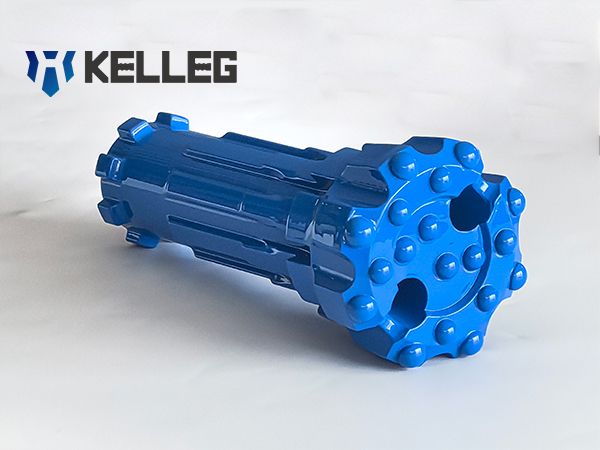
Efficient flushing is essential for maintaining drilling speed.
If rock cuttings are not removed quickly, they remain between the bit and rock surface, causing:
- repeated crushing
- reduced impact efficiency
- slower penetration
Possible Causes
- insufficient airflow
- incorrect bit face design
- excessive annular clearance issues
- clogged flushing holes
Solutions
Improve flushing performance by:
- increasing airflow when possible
- selecting a bit design suitable for the formation
- checking flushing holes regularly
- maintaining proper drilling parameters
Incorrect Rotation Speed
Problem
Rotation speed directly affects how efficiently the DTH bit creates new cutting edges.
Both excessive and insufficient rotation speed can reduce drilling efficiency.
Too High Rotation Speed
May cause:
- accelerated carbide button wear
- reduced bit life
- overheating
Too Low Rotation Speed
May cause:
- inefficient rock breaking
- reduced penetration rate
Solution
Adjust rotation speed according to:
- rock hardness
- bit design
- hammer impact energy
Harder rock usually requires a more controlled rotation speed to balance penetration and wear.
Improper Feed Pressure
Problem
Feed pressure controls how effectively impact energy is transferred from the hammer to the rock.
Incorrect feed pressure can reduce drilling efficiency.
Excessive Feed Pressure
Possible results:
- increased mechanical stress
- premature bit damage
- reduced hammer efficiency
Insufficient Feed Pressure
Possible results:
- poor contact between bit and rock
- energy loss
- unstable drilling performance
Solution
Maintain the correct balance between:
- impact energy
- feed pressure
- rotation speed
The optimal setting depends on:
- rock conditions
- DTH hammer model
- drill bit type
DTH Hammer Wear or Internal Damage
Problem
A DTH hammer gradually loses performance when internal components become worn.
Common damaged components include:
- piston
- cylinder
- control valve
- wear rings
- seals
Symptoms
- reduced impact force
- abnormal air consumption
- inconsistent DTH hammer operation
- slower drilling speed
Solutions
Regularly inspect:
- piston condition
- cylinder wear
- timely lubrication
- internal clearance
Preventive maintenance is usually more cost-effective than waiting for complete DTH hammer failure.
Unsuitable Drilling Conditions or Geological Changes
Problem
Rock conditions can change significantly during drilling.
A drilling parameter that works well in one formation may become inefficient in another.
Examples:
- harder rock layers
- fractured zones
- water-bearing formations
- highly abrasive minerals
Solutions
Operators should adjust:
- DTH hammer type
- drill bit design
- rotation speed
- air pressure
- drilling parameters
A flexible drilling strategy helps maintain stable penetration rates in changing geological conditions.
Quick Troubleshooting Checklist for Slow DTH Drilling
| Problem | Possible Cause | Solution |
|---|---|---|
| Low penetration rate | Insufficient impact energy | Check hammer selection |
| Weak hammer performance | Low air pressure | Improve compressor output |
| Fast bit wear | Wrong bit design | Select suitable carbide/button type |
| Poor hole cleaning | Insufficient flushing | Increase airflow |
| High vibration | Incorrect drilling parameters | Adjust rotation/feed pressure |
| Increasing cost per meter | Excessive downtime | Improve maintenance practices |
How to Diagnose Slow DTH Drilling Efficiently
When DTH drilling speed decreases, operators should check the system in the following order:
Step 1: Check Air Supply
Confirm:
- compressor pressure
- airflow volume
- leakage problems
Step 2: Inspect Drill Bit Condition
Check:
- carbide button wear
- face damage
- flushing holes
Step 3: Review Operating Parameters
Adjust:
- rotation speed
- feed pressure
- drilling speed
Step 4: Inspect DTH Hammer Performance
Check:
- impact efficiency
- internal wear
- lubrication condition
This systematic approach helps identify problems faster and reduces unnecessary downtime.
Slow DTH drilling is usually caused by a combination of equipment, tool, and operating factors rather than a single failure. By optimizing air supply, selecting the correct DTH hammer and drill bit, maintaining proper drilling parameters, and performing regular maintenance, operators can restore penetration rate and reduce drilling cost per meter.
Best Practices for Lowering DTH Drilling Cost per Meter
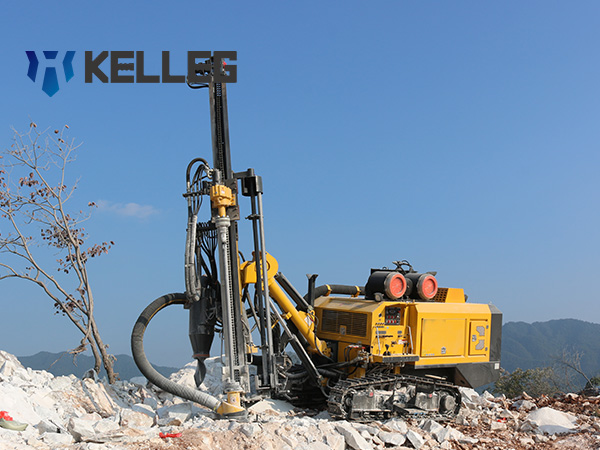
Reducing DTH drilling cost per meter is not simply about purchasing lower-priced drilling tools or increasing drilling speed. Sustainable cost reduction comes from improving the efficiency of the entire drilling operation—from planning and equipment selection to operator practices and maintenance management.
The following best practices can help contractors maximize productivity, extend tool life, and reduce overall operating costs without compromising drilling performance.
Prioritize Total Drilling Performance Over Initial Purchase Cost
One of the most common mistakes in drilling projects is selecting equipment based solely on purchase price. While lower-cost DTH hammers or drill bits may reduce upfront investment, they often require more frequent replacement, increase downtime, and deliver inconsistent drilling performance.
Instead, evaluate drilling tools based on their overall operational value, including:
- Average penetration rate
- Service life under actual working conditions
- Reliability in different rock formations
- Maintenance frequency
- Total meters drilled before replacement
A tool that delivers stable performance over a longer service life often results in a lower overall cost per meter than a cheaper alternative.
Minimize Non-Productive Time (NPT)
Equipment that is not drilling generates cost without creating output. Even short interruptions repeated throughout a project can significantly increase operating expenses.
Common sources of non-productive time include:
- Waiting for replacement tools
- Unplanned equipment breakdowns
- Frequent hammer or bit changes
- Compressor interruptions
- Hole cleaning and rework
Reducing these interruptions increases equipment utilization and allows more drilling to be completed during each shift.
Match Drilling Tools to Geological Conditions
No single DTH hammer or drill bit performs optimally in every formation. Using the same tool configuration across different geological conditions often results in unnecessary wear and reduced drilling efficiency.
Before starting a project, evaluate factors such as:
- Rock hardness
- Abrasiveness
- Fracture frequency
- Borehole diameter
- Required drilling depth
Selecting drilling tools that match actual ground conditions helps improve penetration rates while reducing unnecessary tool consumption.
Implement Preventive Maintenance Instead of Reactive Repairs
Unexpected equipment failures usually cost far more than scheduled maintenance.
A preventive maintenance program should include:
- Regular inspection of DTH hammer components
- Monitoring drill bit wear
- Lubrication according to manufacturer recommendations
- Checking threaded connections and air passages
- Replacing worn components before failure occurs
Routine maintenance helps maintain consistent drilling performance and reduces costly downtime.
Standardize Drilling Procedures
Variations in operator experience can lead to inconsistent drilling performance and unnecessary tool wear.
Developing standardized operating procedures ensures that drilling is performed using consistent best practices, including:
- Equipment inspection before drilling
- Recommended operating parameters for different formations
- Tool replacement guidelines
- Maintenance schedules
- Daily performance reporting
Standardization improves productivity while reducing operational variability between crews and projects.
Monitor Operational KPIs Continuously
Successful drilling operations rely on measurable performance data rather than assumptions.
Tracking key performance indicators (KPIs) allows contractors to identify inefficiencies early and make informed operational adjustments.
| KPI | Operational Benefit |
|---|---|
| Penetration rate | Measures drilling efficiency |
| Drill bit service life | Evaluates tool durability |
| Hammer maintenance interval | Supports preventive maintenance planning |
| Equipment availability | Measures operational reliability |
| Downtime percentage | Identifies productivity losses |
| Daily drilled meters | Tracks project output |
Reviewing these metrics regularly helps optimize drilling performance throughout the project rather than waiting until completion to identify problems.
Invest in Operator Training
Even advanced drilling equipment cannot achieve optimal performance without skilled operators.
Well-trained operators are better able to:
- Recognize changes in rock conditions
- Adjust drilling parameters appropriately
- Detect early signs of tool wear
- Prevent equipment misuse
- Maintain consistent drilling quality
Continuous training not only improves drilling efficiency but also extends equipment service life and reduces avoidable operating costs.
Continuously Optimize the Entire Drilling System
Lowering drilling cost per meter is an ongoing process rather than a one-time adjustment.
The greatest long-term improvements usually come from optimizing the complete drilling system, including:
- Equipment selection
- Tool compatibility
- Air supply efficiency
- Maintenance planning
- Operator performance
- Data-driven decision-making
When these elements are optimized together, drilling operations become more productive, equipment lasts longer, and the overall cost per meter decreases sustainably.
Checklist: Best Practices for Reducing DTH Drilling Cost per Meter
| Best Practice | Expected Benefit |
|---|---|
| Select drilling tools based on application | Improve penetration rate and tool life |
| Reduce non-productive time | Increase equipment utilization |
| Match tools to rock conditions | Lower tool wear and replacement frequency |
| Perform preventive maintenance | Reduce unexpected downtime |
| Standardize drilling procedures | Improve operational consistency |
| Monitor drilling KPIs | Identify opportunities for continuous improvement |
| Train operators regularly | Enhance drilling efficiency and equipment reliability |
Reducing DTH drilling cost per meter requires a systematic approach rather than focusing on a single factor. Contractors who consistently achieve lower operating costs typically combine high-quality drilling tools with effective maintenance, standardized operating procedures, continuous performance monitoring, and ongoing operator training.
Conclusion
Improving DTH drilling speed and reducing cost per meter is not the result of a single adjustment—it requires optimizing the entire drilling system. From selecting the right DTH hammer and drill bit to maintaining proper air supply, refining drilling parameters, reducing downtime, and implementing preventive maintenance, every stage of the operation contributes to overall productivity and operating costs.
Rather than focusing only on drilling faster or purchasing lower-cost tools, successful drilling projects prioritize long-term efficiency. Matching drilling equipment to geological conditions, monitoring operational performance, and continuously improving drilling practices can help increase penetration rates, extend tool service life, and achieve more consistent drilling results across different applications.
Whether you are working in mining, quarrying, water well drilling, or infrastructure construction, investing in high-quality DTH drilling tools and adopting data-driven operational strategies can significantly improve project profitability while maintaining reliable drilling performance.
At Kelleg, we provide a comprehensive range of DTH hammers, DTH drill bits, drill pipes, and complete DTH drilling solutions designed to meet the demands of diverse rock formations and drilling environments. If you are looking to improve drilling efficiency or reduce operating costs, our technical team can help you select the right tools and configurations for your specific application.