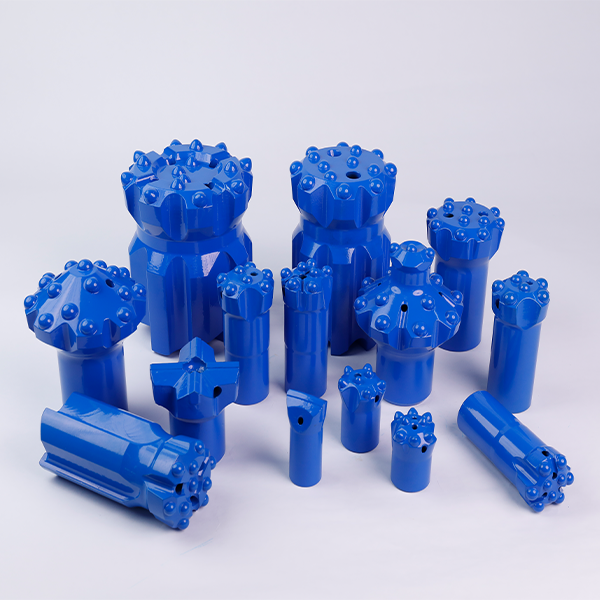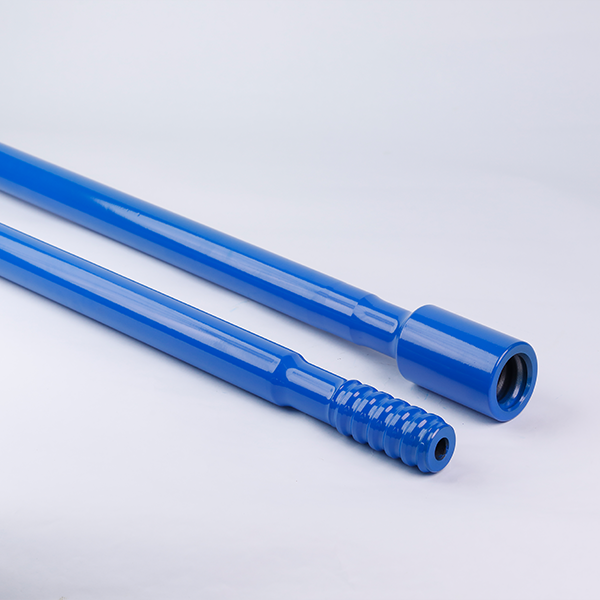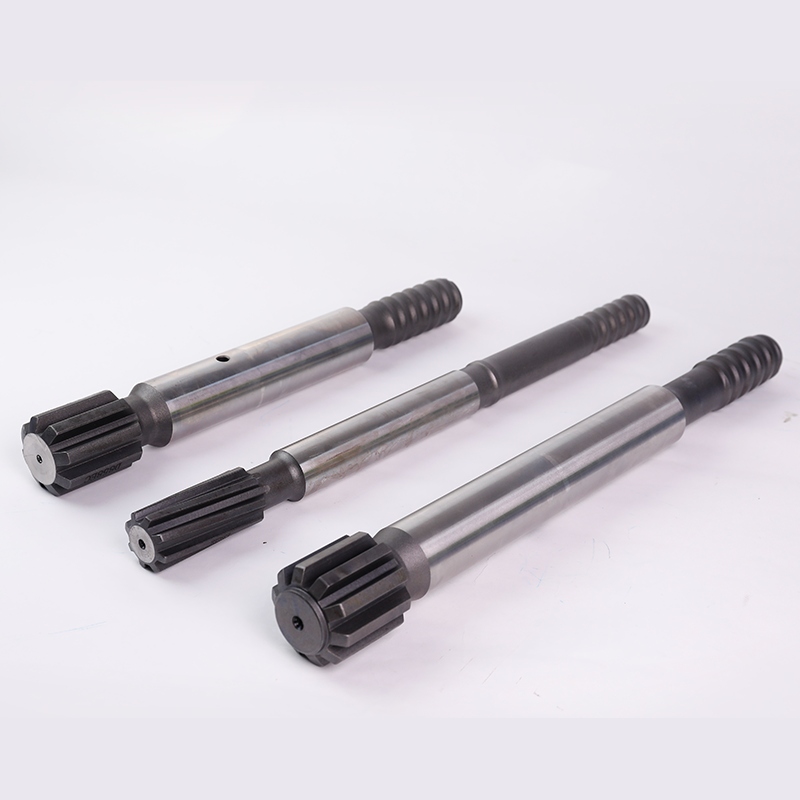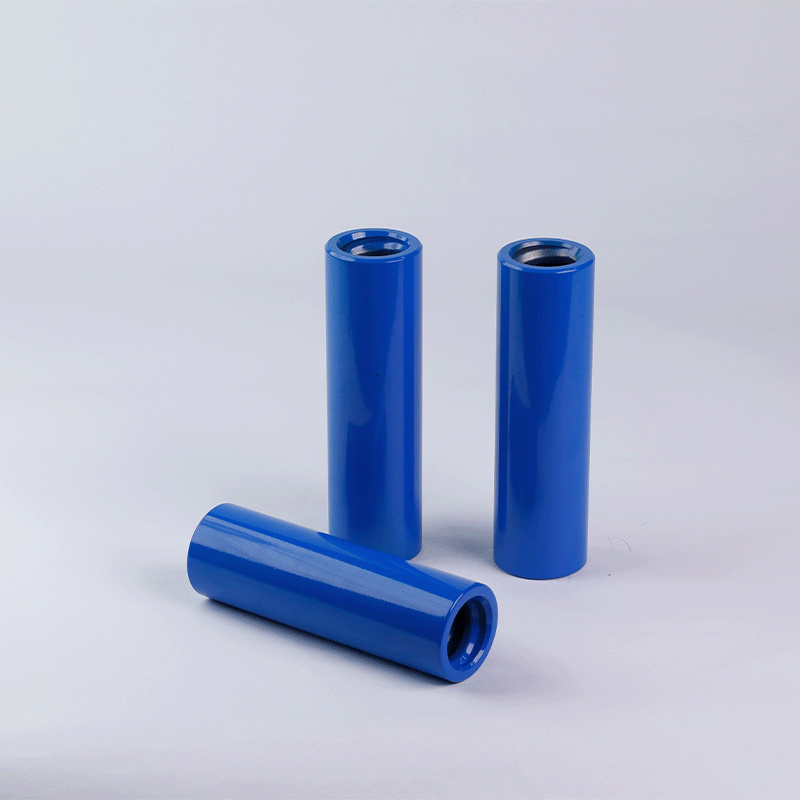
Introduction
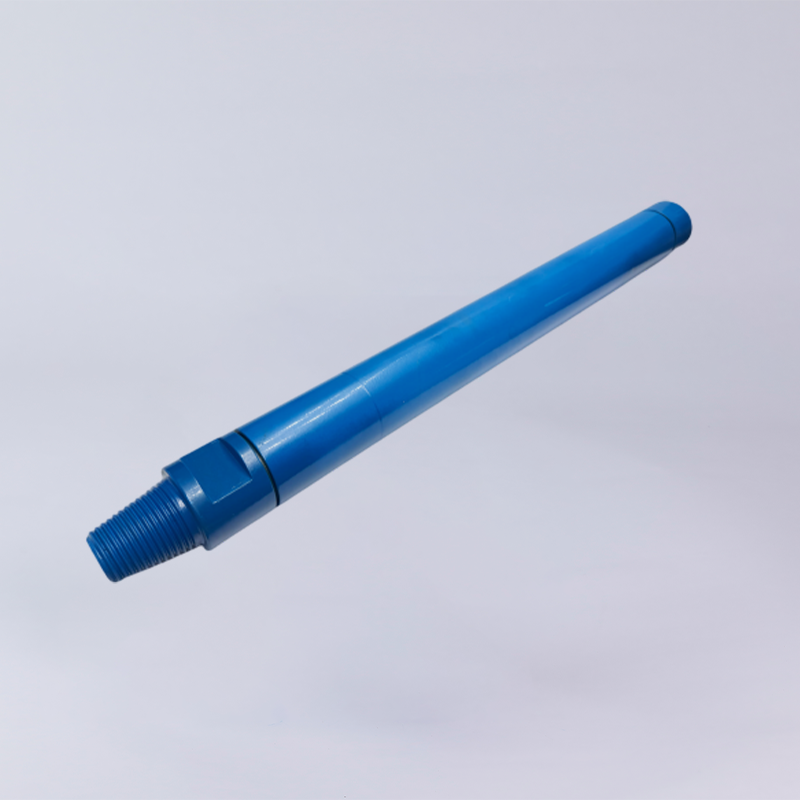
Choosing the correct DTH drill bit is not simply a matter of selecting the required hole diameter. The bit must match the DTH hammer's corresponding shank or spline configuration. Depending on the drilling system, compatibility can involve the hammer shank or spline configuration, drill rod connection, bit diameter, air pressure, and tail pipe configuration.
For example, a DTH hammer identified by a specific model—such as BR2, QL60, MISSION60, or CIR90—can usually be used as the starting point for determining the appropriate bit and shank configuration. When the hammer model is unavailable, additional information such as the required drilling diameter, working air pressure, drill rod thread, bit shank or spline type, and tail pipe configuration may be needed.
For replacement DTH drill bits, buyers should also confirm the required hole diameter, compatible hammer model, shank configuration, tail pipe requirement, existing equipment photos, and required quantity before placing an order.
This guide explains how DTH hammer and drill bit compatibility is determined and what information should be checked before selecting or ordering a DTH drill bit.
Specifically, it answers three practical questions:
- Which DTH shank does your hammer require?
- Which DTH drill bit is compatible with your hammer?
- What information should you provide when ordering a replacement DTH drill bit?
Quick Answer: How Do You Match a DTH Hammer With the Right Drill Bit?
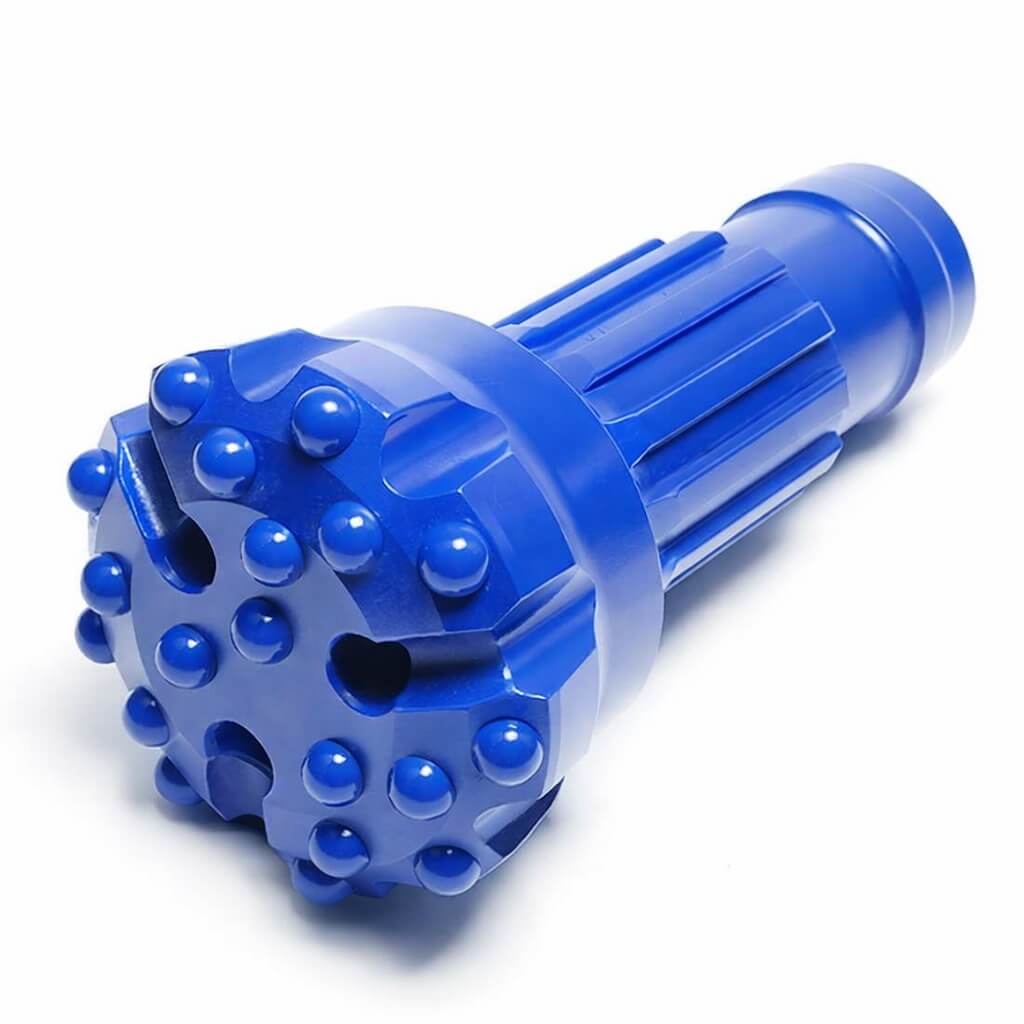
The most reliable way to select a compatible DTH drill bit is to start with the DTH hammer model. In DTH drilling tools, the hammer model corresponds directly to the required bit shank. For example, a DHD3.5 hammer is matched with a DHD3.5 shank drill bit.
If the hammer model is unavailable, provide the required drilling diameter, working air pressure, drill rod thread, bit shank or spline type, and tail pipe configuration. These details can be used to help determine the appropriate hammer-to-bit configuration before ordering.
A practical DTH hammer and drill bit matching process is:
DTH Hammer Model
↓
Corresponding Bit Shank
↓
Drill Bit Diameter
↓
Tail Pipe Configuration
↓
Working Air Pressure
↓
Rock Formation & Drilling Conditions
If the hammer shank series is unknown, clear photos of the existing hammer or drill bit can also help confirm the required configuration.
What Information Is Needed to Confirm DTH Hammer Compatibility?
The information required to confirm a DTH hammer and drill bit configuration depends on whether the hammer's exact model is known.
When the DTH Hammer Model Is Known
If the exact DTH hammer model is available, , provide it. Examples may include:
- DHD3.5
- BR2
- QL60
- MISSION60
- CIR90
- Other recognized DTH hammer models
Therefore, the hammer model is normally the most important starting point for determining the appropriate DTH drill bit shank. The required drilling diameter, tail pipe configuration, and drilling conditions should then be confirmed to select the correct bit configuration.
When the DTH Hammer Model Is Unknown
If the hammer model is unavailable, provide as much of the following information as possible. These details can help identify the appropriate hammer-to-bit configuration and determine the correct replacement drill bit.
| Information | Why It Matters |
|---|---|
| Drilling diameter | Determines the required DTH drill bit size. |
| Working air pressure | Helps assess the suitable hammer and bit configuration for the drilling system. |
| Drill pipe thread | Confirms the connection between the drill pipe and DTH hammer. |
| Bit shank/spline type | Helps identify the hammer-to-bit interface and corresponding hammer configuration. |
| Tail pipe configuration | Confirms whether a configuration with or without a tail pipe is required. |
| Equipment photos | Helps verify the existing hammer, bit, connection, and other visible components. |
If both the hammer shank series and drill bit type are unknown, clear photos of the existing DTH hammer, drill bit, shank, and connection area can provide useful reference information for compatibility verification.
The more complete the equipment information, the more accurately the required DTH drill bit configuration can be confirmed before ordering.
What Determines DTH Hammer and Drill Bit Compatibility?
DTH hammer and drill bit compatibility is determined by more than the required hole diameter. The hammer model and its corresponding bit shank or spline configuration establish the basic hammer-to-bit connection, while the bit diameter, working air pressure, flushing conditions, and rock formation determine whether the selected bit is suitable for the actual drilling application.
A compatible drilling setup should therefore satisfy both mechanical compatibility and operating requirements.
DTH Hammer Series and Exact Model
The DTH hammer model is one of the most important pieces of information when selecting a compatible drill bit. Common DTH hammer series found in mining, quarrying, construction, and other drilling applications include:
- DHD
- QL
- COP
- SD
- MISSION
- NUMA
- CIR
The exact model within a series is important because the corresponding bit shank or spline configuration is matched to the specific hammer design. For example, a DHD3.5 hammer is matched with a DHD3.5 shank drill bit.
Therefore, a series designation alone may not always be sufficient for confirming compatibility. Knowing that a hammer belongs to the QL or DHD series does not necessarily mean that every bit carrying the same series name will fit every hammer in that family.
When available, provide the complete hammer brand and model, such as DHD3.5, BR2, QL60, MISSION60, or CIR90. This is normally the most reliable starting point for determining the corresponding bit shank and compatible DTH drill bit.
Drill Bit Diameter
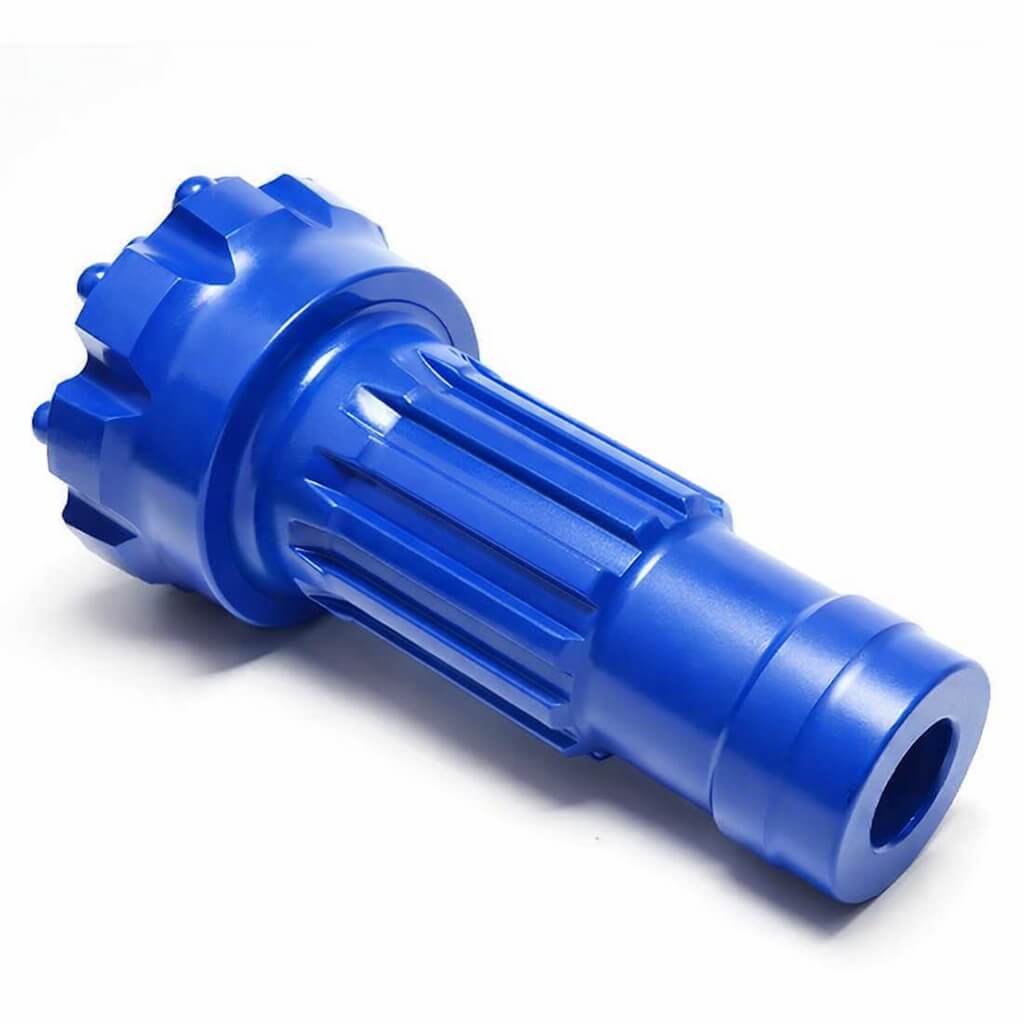
The required drilling diameter determines the size of the DTH drill bit, but it does not independently determine the compatible shank.
A useful rule is:
Shank compatibility ≠ hole diameter compatibility.
For example, a buyer may request:
“I need a 115 mm DTH drill bit.”
The 115 mm diameter identifies the required hole size, but it does not provide enough information to select the correct bit. The hammer model and corresponding shank configuration must also be confirmed.
Before selecting a 115 mm DTH bit, the following information may be required:
- DTH hammer model
- Corresponding bit shank or spline
- Required hole diameter
- Rock formation
- Working air pressure
The same hole diameter may be achievable with different drilling systems, while the hammer-to-bit connection remains specific to the selected hammer configuration.
Therefore, selecting a DTH drill bit should not start with diameter alone. The hammer model and corresponding shank should be confirmed first, followed by the required bit diameter and drilling conditions.
Air Passage and Flushing Requirements
A DTH hammer and drill bit may have a mechanically compatible connection, but the overall drilling system must also provide suitable airflow and flushing conditions.
Compressed air performs several functions during DTH drilling. It drives the hammer and helps remove rock cuttings from the hole through the bit's air passages and the annular space around the drilling tools.
Important considerations include:
- Central air passage — allows compressed air to pass through the hammer and drill bit toward the bottom of the hole.
- Airflow capacity — sufficient airflow is needed to maintain effective hammer operation and remove cuttings.
- Cuttings evacuation — adequate flushing helps prevent cuttings from accumulating around the bit and reduces the risk of regrinding.
- Bit cooling — continuous airflow helps remove heat generated during drilling.
- Deep-hole flushing — deeper holes generally require careful consideration of airflow and flushing efficiency because cuttings have a longer path to travel out of the hole.
This is why hammer-and-bit compatibility should not be considered separately from the compressor and overall drilling system. The selected hammer and bit configuration should operate within the available working air pressure and airflow conditions.
For example, a bit may have the correct shank for a particular hammer and the correct diameter for the required hole, but inadequate air supply can still result in poor flushing, reduced drilling performance, and accelerated bit wear.
Working Air Pressure
Working air pressure is another important factor when evaluating whether a DTH hammer and bit configuration is suitable for a drilling application.
The required pressure depends primarily on the DTH hammer design and operating conditions. The available compressor should be capable of supplying the required pressure and airflow at the drilling site.
When the exact hammer model is unknown, working air pressure combined with drilling diameter and other connection information can provide useful clues for determining the appropriate DTH drilling configuration.
However, air pressure should not be used alone to identify a hammer or bit shank. It is an operating parameter, rather than a substitute for the exact hammer model or shank information.
Rock Formation and Drilling Conditions
After mechanical compatibility has been confirmed, the rock formation and drilling conditions help determine the most suitable bit configuration.
Important factors include:
- Rock hardness
- Rock abrasiveness
- Fractured or massive formation
- Required penetration rate
- Hole depth
- Drilling orientation
- Expected bit wear
These conditions can influence the selection of the bit face design and carbide arrangement.
For example, a DTH bit with the correct shank and diameter may physically fit the hammer but still be unsuitable for a highly abrasive formation if its button configuration or face design is not appropriate for the application.
Therefore, the final selection should consider both:
Mechanical Compatibility
DTH Hammer Model
→ Corresponding Bit Shank
→ Correct Bit Connection
and
Drilling Suitability
Bit Diameter
→ Air Pressure & Flushing
→ Rock Formation
→ Required Performance
Compatibility Checklist
Before ordering a DTH drill bit, verify these key parameters:
| Parameter | What to Confirm |
|---|---|
| DTH hammer | Series and exact model |
| Bit shank | Corresponding shank or spline configuration |
| Drilling diameter | Required hole diameter |
| Working air pressure | Available operating pressure |
| Drill pipe connection | Thread type between drill pipe and hammer |
| Tail pipe | With or without tail pipe |
| Rock formation | Hardness, abrasiveness, and formation characteristics |
| Existing equipment | Photos of the hammer, bit, shank, and connection |
| Required quantity | Number of bits required for quotation |
The key point is that DTH hammer and drill bit compatibility is a combination of interface matching and drilling-condition matching. Confirming the exact hammer model is normally the first step; the corresponding bit shank then establishes the hammer-to-bit connection, while diameter, air supply, flushing, and rock conditions determine whether the selected bit is appropriate for the job.
Major DTH Shank Series and Their Typical Compatibility
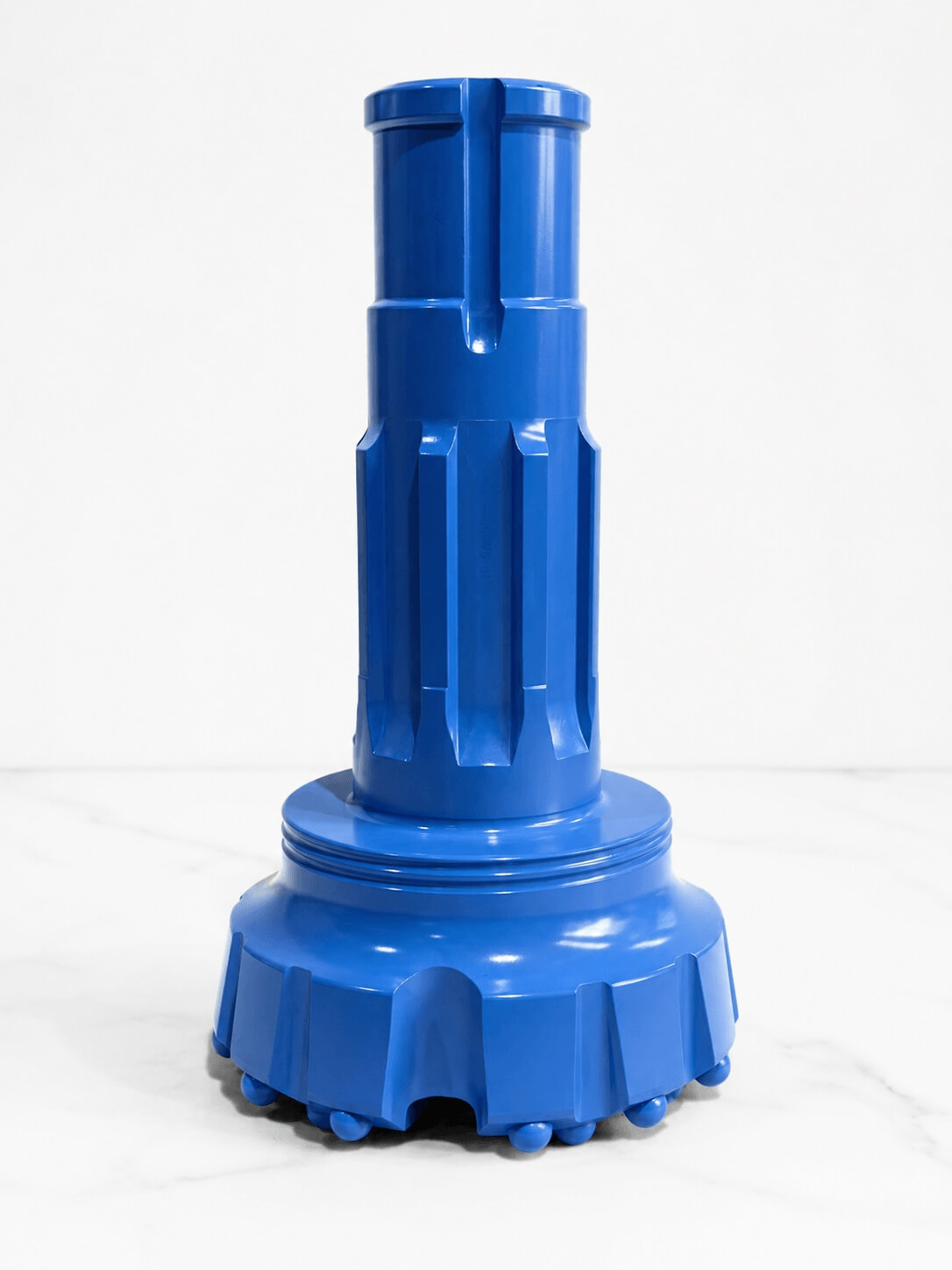
DTH drill bits are designed to match specific hammer shank or spline configurations. Common DTH series include DHD, QL, COP, SD, MISSION, NUMA, and CIR. However, compatibility should be confirmed at the exact hammer model level, rather than assuming that all hammers or bits within the same series are interchangeable.
The following table provides a general reference for commonly encountered DTH hammer and bit shank series. Always verify the exact hammer model and bit configuration before ordering replacement drill bits.
| DTH Hammer Series | Typical Bit Shank | Common Applications |
|---|---|---|
| DHD | DHD3.5 and other DHD-series models | Mining, quarrying, construction |
| QL | QL-series models such as QL40, QL50, QL60 | Mining, quarrying, water well drilling |
| COP | COP-series models such as COP32, COP34, COP44, COP54 | Mining, quarrying, construction drilling |
| SD | SD-series models such as SD4, SD5, SD6, SD8 | Mining, blasting, hard-rock drilling |
| MISSION | MISSION-series models | Water well drilling, mining, construction |
| NUMA | NUMA-series models | Large-diameter and high-performance drilling |
| CIR | CIR-series models such as CIR90 | Mining, quarrying, construction, and rock drilling |
How to Read the Compatibility Relationship
The basic relationship is:
DTH Hammer Model → Corresponding Bit Shank → Compatible DTH Drill Bit
For example:
DHD3.5 Hammer → DHD3.5 Shank → DHD3.5 DTH Drill Bit
The hammer model is therefore more useful than the series name alone when confirming a replacement bit. A customer who provides only “DHD,” “QL,” or “COP” may still need to provide the exact hammer model, because different models within a series can have different specifications.
Similarly, the required hole diameter should be confirmed separately. The hammer and shank determine the basic hammer-to-bit interface, while the bit diameter determines the required drilled-hole size.
What If You Only Know the Shank Series?
If you know only the shank series but not the exact hammer model, provide additional information such as:
- Required drilling diameter
- Working air pressure
- Drill pipe thread
- Bit shank or spline information
- Tail pipe configuration
- Photos of the existing hammer and drill bit
This information can help verify the exact configuration before a replacement bit is selected.
Important Compatibility Note
A matching series name does not automatically guarantee compatibility. The exact hammer model, corresponding bit shank, bit diameter, and drilling configuration should be checked together.
For this reason, a DTH drill bit should not be selected solely because its diameter or series designation appears to match the existing equipment.
How to Select the Right DTH Drill Bit for Your Hammer
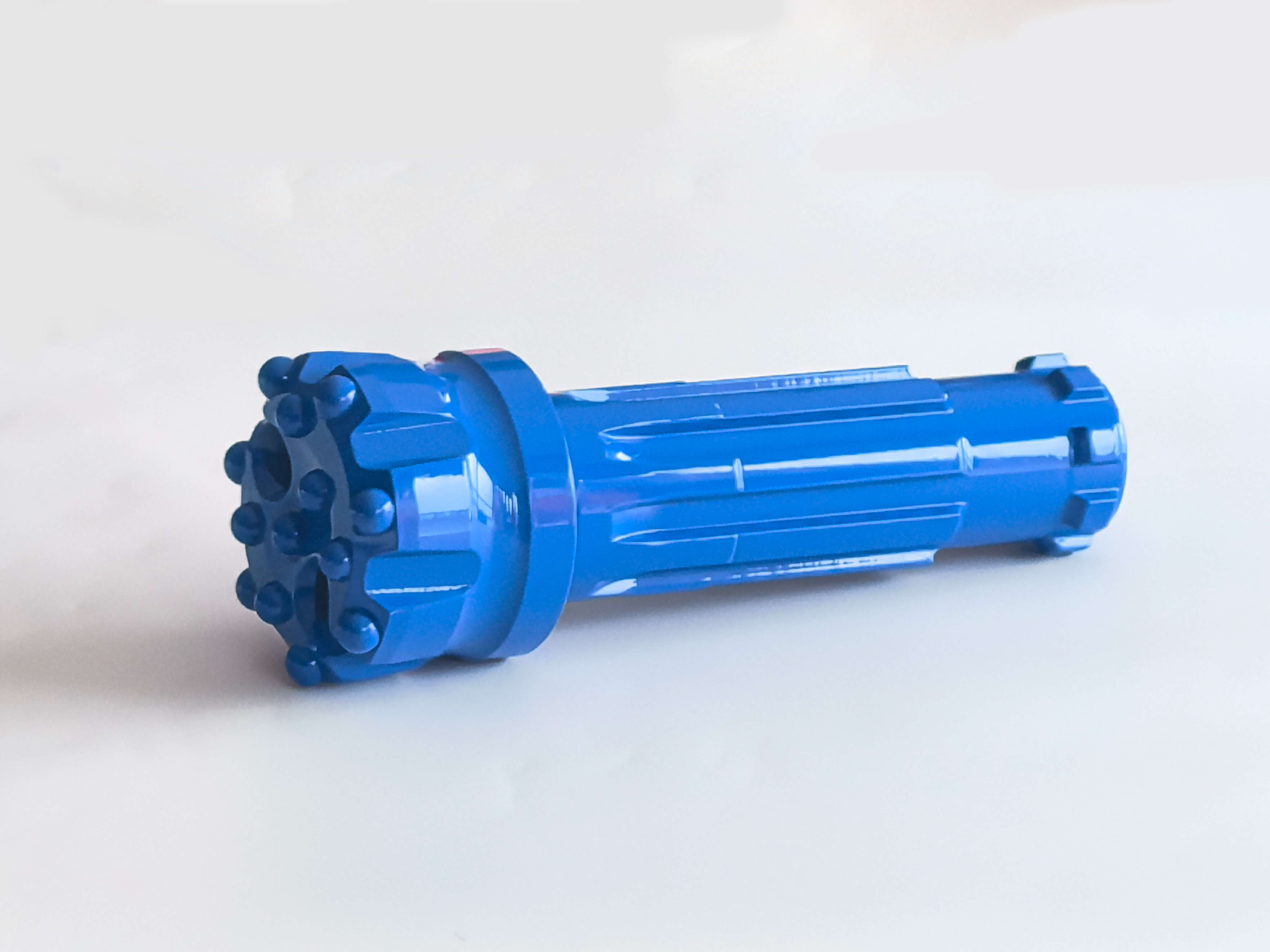
Once the DTH hammer model and corresponding bit shank have been confirmed, the next step is to select the appropriate drill bit for the actual drilling job. Bit selection should consider more than the connection interface. The required hole diameter, tail pipe configuration, rock formation, working air pressure, and flushing conditions all affect whether a DTH drill bit is suitable for the application.
Confirm the Required Drilling Diameter
The required drilling diameter determines the DTH drill bit size needed for the hole. Common drilling diameters may include 90 mm, 110 mm, 115 mm, 152 mm, and other sizes depending on the application.
However, the hole diameter does not determine the bit shank by itself.
For example, a customer may know that a 115 mm DTH drill bit is required, but this information alone is not enough to select the correct bit. The compatible DTH hammer model and corresponding bit shank must also be confirmed.
A practical selection principle is:
First match the bit to the hammer; then select the bit diameter according to the required hole size.
The selected diameter should also be suitable for the hammer's working capacity and the specific drilling application. If the required hole diameter is known but the hammer model is not, additional information should be provided before the bit is selected.
Confirm the Tail Pipe Configuration
The tail pipe configuration should also be confirmed when it is applicable to the existing DTH drilling setup.
Depending on the hammer and bit configuration, the required setup may be:
- With tail pipe
- Without tail pipe
When ordering a replacement DTH drill bit, clearly indicate whether the existing setup uses a tail pipe. The replacement bit should be supplied with the configuration required by the existing drilling system.
If the tail pipe configuration is unclear, providing a photo of the existing DTH hammer and drill bit can help verify the required arrangement before ordering.
Match the Bit to the Rock Formation
After confirming the hammer, shank, and required diameter, the drilling formation should be considered when selecting the bit configuration.
Typical conditions include:
- Soft to medium rock — requires a bit configuration that provides efficient penetration without unnecessary wear.
- Hard rock — generally requires a robust carbide configuration capable of handling higher impact and drilling resistance.
- Highly abrasive rock — requires greater attention to button wear resistance and carbide arrangement.
- Fractured rock — may require a bit face and button configuration that maintains drilling stability under changing formation conditions.
Rock conditions can influence the selection of the bit face design, button shape, and carbide arrangement. Therefore, two DTH bits with the same diameter and compatible shank may not provide the same drilling performance in different formations.
The detailed differences between DTH bit face designs and button configurations are beyond the scope of this compatibility guide. For a more detailed selection guide, see How to Choose the Right DTH Drill Bit.
Consider Working Air Pressure and Flushing Conditions
The available air supply is another important consideration after mechanical compatibility has been confirmed.
The DTH hammer requires compressed air to operate, while the airflow through the drilling system also helps remove rock cuttings from the hole. When selecting a DTH drill bit, consider:
- Working air pressure
- Compressor capacity
- Hole depth
- Cuttings evacuation
- Groundwater and flushing conditions
For shallow holes in suitable formations, standard flushing conditions may be sufficient. As hole depth increases, maintaining effective cuttings removal becomes more important because the airflow must transport drilled material over a longer distance.
A mechanically compatible bit may still perform poorly if the drilling system cannot provide adequate air pressure and airflow. Insufficient flushing can contribute to cuttings accumulation, reduced penetration efficiency, excessive bit wear, and unstable drilling.
For this reason, DTH bit selection should consider the hammer, bit, compressor, and drilling conditions as one system, rather than evaluating the bit only by its diameter and shank.
What Information Should You Provide When Ordering a DTH Drill Bit?
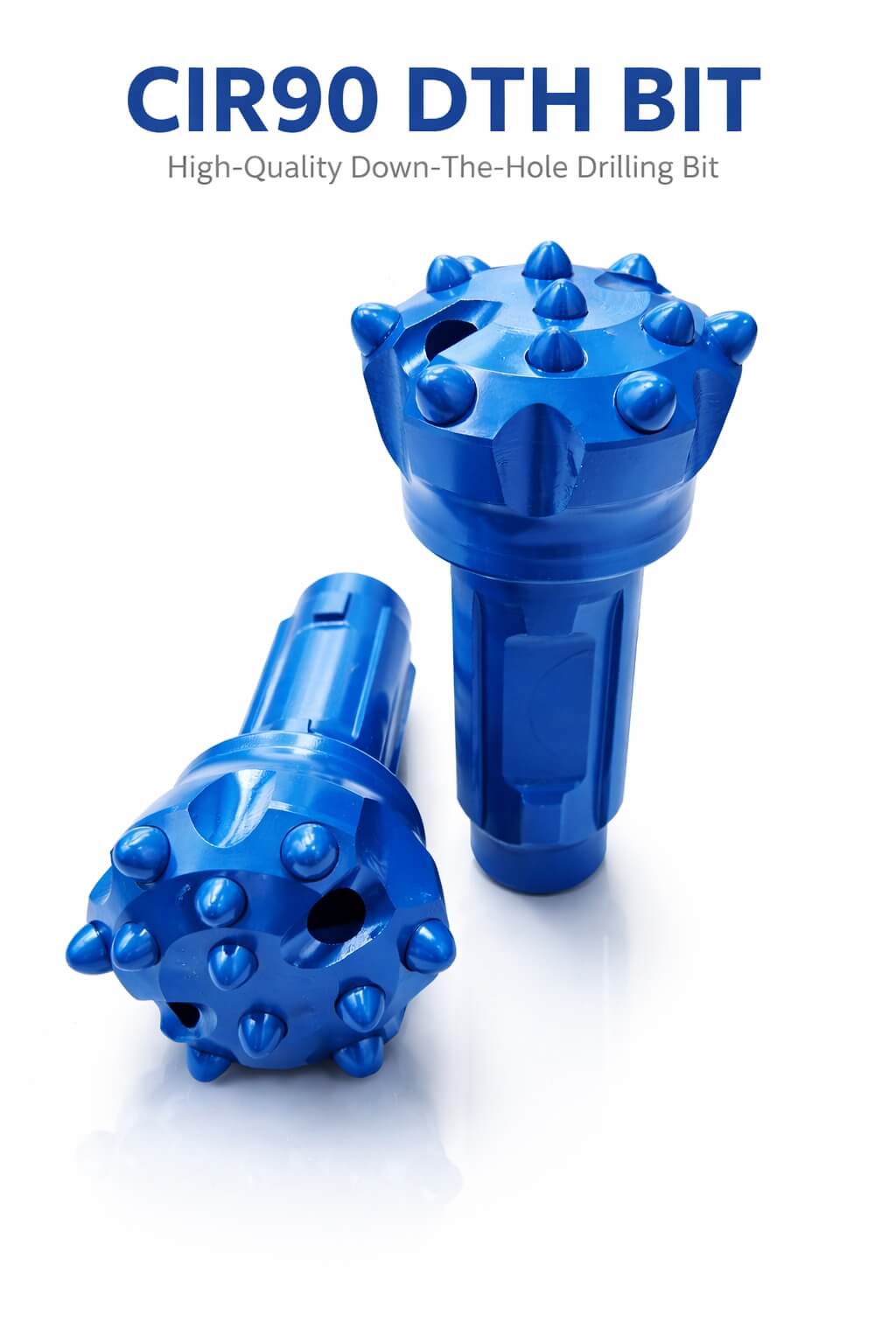
Providing complete equipment and drilling information helps suppliers confirm the correct DTH drill bit configuration and prepare an accurate quotation. The information required depends on whether the DTH hammer model is known.
If You Know the DTH Hammer Model
If you know the DTH hammer brand and exact model, provide the following information:
- Hammer brand and model
- Required drilling diameter
- Tailpipe configuration — with or without tailpipe
- Photos of the existing hammer or drill bit, if available
- Required quantity
For example:
DTH Hammer: DHD3.5
Drilling Diameter: 105 mm
Tail Pipe: With tail pipe
Photos: Attached
Quantity: 10 pcs
With these details, a supplier can normally start checking the corresponding bit shank and drill bit configuration and proceed with the quotation process.
If You Don't Know the DTH Hammer Model
If the exact hammer model is unknown, provide as much of the following information as possible:
- Required drilling diameter
- Working air pressure
- Drill rod thread
- Bit shank/spline type, if known
- Tail pipe configuration — with or without tail pipe
- Photos of the existing hammer, drill bit, shank, or connection
- Required quantity
In this situation, photos are particularly useful. Clear images of the existing DTH hammer and drill bit can help verify the connection configuration when model markings or specifications are unavailable.
What Makes a DTH Bit Inquiry Easier to Process?
A complete inquiry should ideally answer four basic questions:
What hammer are you using?
→ Brand and exact model, if known
What hole do you need to drill?
→ Required drilling diameter
What drilling configuration are you using?
→ Shank/spline, tail pipe, drill rod thread, and working air pressure where applicable
How many bits do you need?
→ Required quantity
The more complete the information, the faster the appropriate DTH drill bit configuration can be confirmed.
Not sure which DTH drill bit you need? Send us the equipment information and photos you have, and our team can help verify the compatible configuration before quotation.
Common DTH Hammer and Drill Bit Compatibility Mistakes
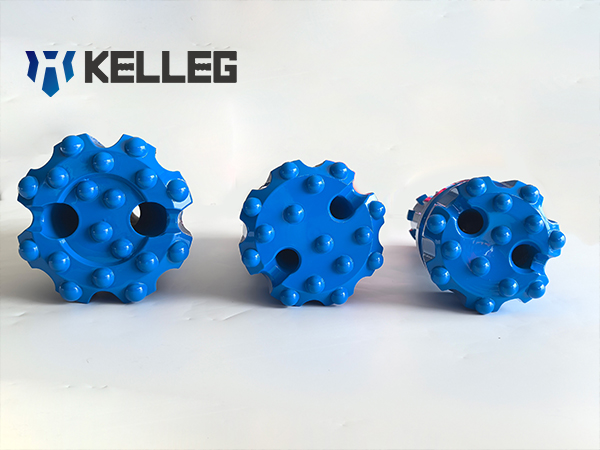
Selecting a DTH drill bit based on incomplete information can result in an incorrect configuration, even when the required hole diameter appears to be correct. The following are some of the most common mistakes when ordering replacement DTH drill bits.
Choosing a Bit by Diameter Only
A request such as “I need a 115 mm DTH bit” is not enough to confirm the correct drill bit.
The diameter determines the required hole size, but it does not determine the compatible DTH hammer or bit shank. The DTH hammer model and its corresponding bit shank should also be confirmed.
Whenever possible, provide the complete hammer brand and model together with the required drilling diameter.
Matching Only the Shank Series
Knowing that a DTH hammer or bit belongs to a DHD, QL, COP, SD, MISSION, or NUMA series does not necessarily provide enough information to confirm the exact replacement bit.
The specific hammer model should be verified because the corresponding bit shank configuration is matched to the hammer model.
For example, providing “DHD” gives less information than providing “DHD3.5.”
Whenever possible, provide the complete hammer brand and model rather than only the series designation.
Ignoring Tail Pipe Configuration
When a DTH drilling setup requires a specific tail pipe configuration, the replacement bit should be ordered accordingly.
Clearly indicate whether the existing setup requires:
- With tail pipe
- Without tail pipe
If the required configuration is unclear, provide clear photos of the existing DTH hammer and drill bit so the configuration can be checked before ordering.
Not Providing Photos When the Model Is Unknown
When the DTH hammer model or bit shank information is unavailable, clear equipment photos can provide useful reference information for compatibility verification.
Ideally, provide photos showing:
- The overall DTH hammer
- The existing DTH drill bit
- The bit shank or spline area
- The connection area
- Any visible model numbers or markings
Photos do not replace technical specifications, but they can help verify the existing configuration when the hammer model is unknown.
Conclusion
Choosing the right DTH drill bit starts with confirming the DTH hammer model and its corresponding bit shank. The required hole diameter, tail pipe configuration, working air pressure, rock formation, and flushing conditions should then be considered to ensure the bit is suitable for the actual drilling application.
Not sure which DTH drill bit matches your hammer? Send us your hammer model or available equipment information and photos. Our team can help verify the compatible DTH drill bit configuration and provide a suitable solution for your drilling application.