Introduction
When buyers search for DTH drill bit prices, they are usually looking for more than just a number. Whether you are a mining contractor, quarry operator, water well driller, or procurement manager, the real questions are often:
- How much should a DTH drill bit actually cost?
- Why do quotations for the same bit size vary so widely between suppliers?
- Are lower-priced drill bits really more economical?
- How can different supplier quotations be compared fairly?
- Which drill bit delivers the lowest overall drilling cost?
These are important questions because the purchase price of a DTH drill bit represents only a portion of the total drilling cost. In many drilling projects, contractors focus primarily on the upfront price and select the lowest-cost option available. However, a cheaper drill bit may wear out faster, require more frequent replacements, reduce penetration rates, and increase equipment downtime. As a result, the apparent savings on the initial purchase can quickly be offset by higher operating costs and lower productivity.
Another challenge is the lack of price transparency in the DTH drilling industry. Two drill bits may appear nearly identical from the outside, yet their actual performance and service life can differ significantly. This is because manufacturers use different grades of alloy steel, carbide buttons, heat-treatment processes, machining technologies, and quality-control standards. These differences directly affect durability, drilling efficiency, and overall value, making it difficult to compare products based on price alone.
For this reason, experienced drilling professionals evaluate DTH drill bits not only by their purchase price but also by their cost per meter drilled and overall return on investment (ROI). A higher-quality bit with a longer service life and faster penetration rate often delivers a lower total drilling cost than a cheaper alternative.
In this guide, we will examine the key factors that influence DTH drill bit prices, compare pricing across different bit sizes, and explain how to calculate the true cost of drilling. By understanding the relationship between price, performance, and service life, you will be better equipped to choose the most cost-effective DTH drill bit for your operation.
How Much Does a DTH Drill Bit Cost?
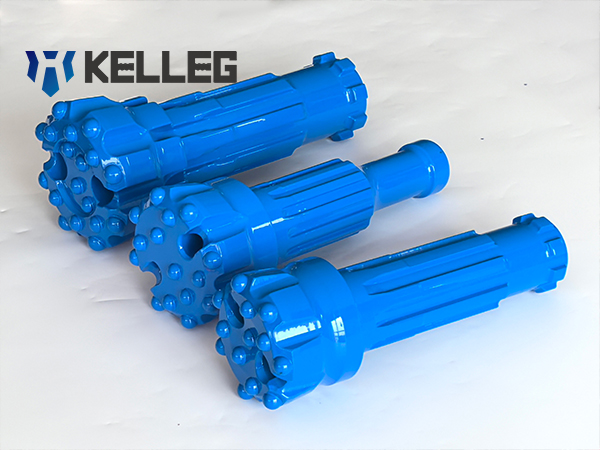
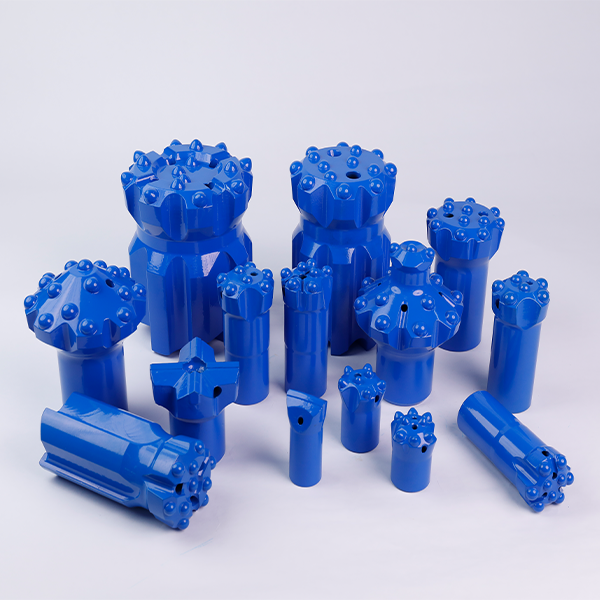
DTH drill bit prices are not fixed and can vary widely depending on size, application, and quality level. In general, smaller bits used for light-duty drilling are significantly cheaper, while larger mining-grade bits require more material, higher manufacturing precision, and premium carbide buttons, resulting in higher costs.
For most international buyers, DTH drill bit pricing is typically grouped by bit diameter and application level rather than a single fixed price list.
Average DTH Drill Bit Price Range by Size
The table below shows a typical global price structure trend based on bit size and drilling application. Actual prices may vary depending on carbide grade, shank type, and manufacturer quality standards.
| DTH Bit Size | Typical Hole Diameter | Application Level | Relative Price Level |
|---|---|---|---|
| 3" Drill Bit | 85–95 mm | Small water well / light construction drilling | $70-140 |
| 4" Drill Bit | 105–115 mm | Quarry blasting / general construction | $130-300 |
| 5" Drill Bit | 127–140 mm | Medium mining/production drilling | $140-300 |
| 6" Drill Bit | 152–165 mm | Heavy-duty mining / large-scale blasting | $300-1000 |
| 8"+ Drill Bit | 203 mm+ | Large mining, foundation, and deep drilling | $650+ |
Why DTH Drill Bit Prices Increase with Size
The price difference between small and large DTH drill bits is mainly driven by three key factors:
- Material consumption: Larger diameter bits require significantly more high-strength alloy steel.
- Carbide usage: More and larger tungsten carbide buttons are needed to maintain penetration performance.
- Manufacturing complexity: Larger bits require stricter heat treatment control and more precise machining to ensure stability under high impact forces.
Important Note for Buyers
It is important to understand that the price level shown above represents a general market trend, not a fixed quotation. Two drill bits with the same diameter may still have very different prices depending on:
- Carbide button quality (standard vs premium grade)
- Steel body material grade
- Heat treatment process
- Shank compatibility (DHD, QL, SD, COP, Mission, etc.)
- Manufacturer quality control standards
For this reason, professional buyers often compare DTH drill bits based on cost per meter drilled, rather than purchase price alone.
Why DTH Drill Bit Prices Vary So Much Between Suppliers
One of the most common questions from buyers is why DTH drill bit prices can differ significantly between suppliers, even when the bits appear to have the same size and similar design.
In reality, the external appearance of a DTH drill bit does not fully reflect its internal quality, performance, or expected service life. The price difference is mainly driven by variations in materials, manufacturing standards, and quality control levels.
Below are the key reasons behind these price variations.
Carbide Button Quality and Grade
Tungsten carbide buttons are the most critical wear parts of a DTH drill bit and directly determine penetration rate and lifespan.
- Low-cost bits often use recycled or low-grade carbide
- Mid-range products use standard industrial-grade carbide
- Premium bits use high-density, wear-resistant carbide (mining-grade)
Higher-grade carbide significantly improves:
- Wear resistance
- Impact strength
- Drilling speed in hard rock
This is one of the biggest reasons for price differences between suppliers.
Steel Body Material Quality
The steel body of a DTH drill bit must withstand continuous high-frequency impact forces.
- Low-cost suppliers may use standard carbon steel
- Higher-quality manufacturers use alloy steel with an optimized hardness and toughness balance
Better steel improves:
- Crack resistance
- Fatigue life
- Stability under high air pressure drilling
Heat Treatment Process
Heat treatment is a critical but often invisible factor affecting drill bit performance.
Advanced heat treatment ensures:
- Uniform hardness distribution
- Reduced internal stress
- Longer service life in abrasive formations
Poor heat treatment may result in:
- Premature cracking
- Button loosening
- Irregular wear patterns
Manufacturing Precision and Technology
Differences in machining accuracy and production technology also affect cost.
High-end manufacturers typically use:
- CNC precision machining
- Automated drilling and button pressing systems
- Strict dimensional tolerance control
Low-cost production may involve:
- Manual processes
- Less consistent tolerances
- Lower quality inspection standards
Shank Compatibility and Design Complexity
DTH drill bits must match specific DTH hammers, such as:
- DHD series
- QL series
- SD series
- COP series
- Mission series
Different shank types require different design structures, machining processes, and testing standards, which directly affect production cost.
Quality Control and Testing Standards
Not all suppliers apply the same quality inspection level.
Professional manufacturers often conduct:
- Hardness testing
- Button retention strength testing
- Impact fatigue simulation
- Dimensional accuracy inspection
Lower-cost suppliers may reduce or skip these procedures, which lowers price but increases performance risk.
Brand Positioning and Market Strategy
Finally, pricing is also influenced by supplier positioning.
- Budget suppliers compete mainly on low price
- Mid-range suppliers balance cost and performance
- Premium brands focus on long service life and drilling efficiency
This means two similar-looking DTH drill bits can have completely different pricing strategies depending on their target market.
For procurement decisions, the lowest price does not necessarily mean the lowest cost. In many drilling operations, a higher-quality DTH drill bit can reduce total drilling cost by improving penetration rate and extending service life.
That is why experienced buyers evaluate suppliers based on cost per meter drilled, not unit price alone.
DTH Drill Bit Prices by Size
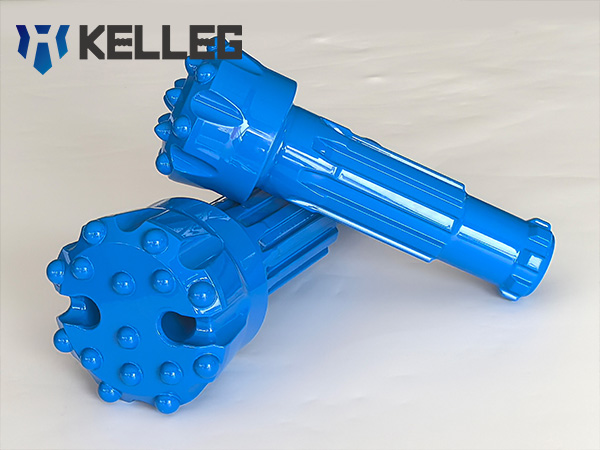
DTH drill bit pricing varies significantly by diameter because larger bits require more material, more carbide buttons, and higher manufacturing precision. Below is a size-by-size breakdown to help buyers understand typical applications and cost-driving factors.
3 Inch DTH Drill Bit Price
Typical Applications
3-inch DTH drill bits are commonly used in:
- Small-scale water well drilling
- Geotechnical exploration
- Lightweight construction projects
- Shallow blasting holes
Common Hole Sizes
- 85 mm
- 90 mm
- 95 mm
Price Influencing Factors
- Lower material consumption compared to larger bits
- Typically used with small DTH hammers, affecting compatibility cost
- Carbide layout design has a strong impact on penetration efficiency
- High demand can influence pricing
4 Inch DTH Drill Bit Price
Typical Applications
4-inch drill bits are widely used in:
- Quarry blasting operations
- Construction foundation drilling
- Medium-depth water wells
Common Hole Sizes
- 105 mm
- 110 mm
- 115 mm
Price Influencing Factors
- Balanced demand across construction and quarry sectors
- Increased carbide button quantity compared to 3-inch bits
- Design variations (concave, flat face) affect performance and cost
- Compatibility with multiple hammer types increases production complexity
5 Inch DTH Drill Bit Price
Typical Applications
5-inch DTH drill bits are commonly used in:
- Open-pit mining
- Medium-scale production drilling
- Hard rock blasting operations
Common Hole Sizes
- 127 mm
- 133 mm
- 140 mm
Price Influencing Factors
- Requires a stronger steel body to withstand higher impact forces
- More carbide buttons increase production cost
- Higher wear resistance is required for hard rock conditions
- Often customized for specific mining conditions
6 Inch DTH Drill Bit Price
Typical Applications
6-inch drill bits are widely used in:
- Large-scale mining operations
- Infrastructure and road construction
- Deep blasting holes in hard rock formations
Common Hole Sizes
- 152 mm
- 165 mm
Price Influencing Factors
- Significant increase in steel and carbide usage
- Higher heat-treatment requirements for durability
- Designed for high-pressure air drilling
- Performance stability is critical for reducing downtime costs
8 Inch DTH Drill Bit Price
Typical Applications
8-inch and larger DTH drill bits are used in:
- Large mining projects
- Deep foundation drilling
- Water well drilling in hard formations
- Heavy-duty quarry operations
Common Hole Sizes
- 203 mm
- 216 mm
- 254 mm (varies by project requirements)
Price Influencing Factors
- High material consumption significantly increases cost
- Requires premium-grade carbide for long service life
- Complex manufacturing and strict tolerance control
- Transport and handling requirements also add to total cost
- Often used in high-investment projects where drilling efficiency is critical
Across all sizes, the actual cost difference is not only determined by diameter, but also by:
- Carbide quality grade
- Steel body strength
- The manufacturer's heat treatment process
- Rock formation conditions
- Expected drilling efficiency (meters per bit)
For this reason, professional drilling contractors evaluate DTH drill bits based on cost per meter drilled, not just purchase price by size.
Why the Cheapest DTH Drill Bit Can Cost More
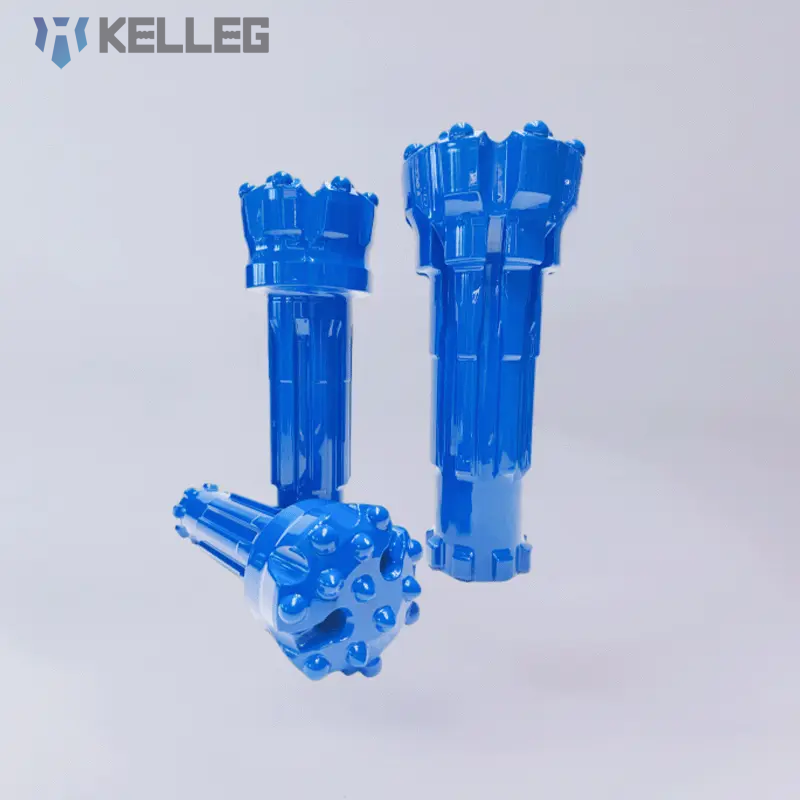
In drilling operations, the lowest purchase price does not always mean the lowest total cost. In fact, many contractors discover that choosing the cheapest DTH drill bit often leads to higher overall drilling expenses due to reduced efficiency, shorter lifespan, and increased downtime.
To understand this clearly, let’s compare two real-world scenarios.
Scenario A: Low-Cost DTH Drill Bit
A budget DTH drill bit may look attractive because of its lower upfront price. However, in actual drilling conditions, several hidden costs quickly appear:
- Lower purchase price reduces initial investment
- Faster wear of carbide buttons in hard rock formations
- Reduced penetration rate over time
- More frequent bit replacements required
- Increased non-productive time (NPT) due to tripping and bit changes
- Higher risk of uneven wear or premature failure
Although the initial cost is lower, the drilling efficiency decreases significantly as the bit wears out faster. This leads to more frequent interruptions and lower overall productivity.
Scenario B: Premium DTH Drill Bit
A higher-quality DTH drill bit requires a higher initial investment, but it is designed for long-term performance and stability in demanding drilling conditions:
- Higher purchase price compared to budget options
- Stronger carbide buttons with better wear resistance
- Longer service life under the same rock conditions
- Higher and more stable penetration rate
- Fewer bit changes are required during drilling operations
- Reduced downtime and improved drilling continuity
As a result, even though the upfront cost is higher, the total drilling efficiency is significantly improved.
When comparing both scenarios, the difference becomes clear:
- The low-cost bit saves money at the beginning, but loses value over time
- The premium bit performs consistently and drills more meters per bit
This means that the real cost of drilling is not determined by the purchase price of the bit, but by how many meters it can efficiently drill before replacement.
Total drilling cost matters more than purchase price.
For most mining, quarrying, and water well drilling projects, the most cost-effective solution is not the cheapest DTH drill bit, but the one that delivers the lowest cost per meter drilled through higher efficiency and longer service life.
How to Calculate DTH Drill Bit Cost per Meter
Understanding the real cost of a DTH drill bit is essential for optimizing drilling efficiency and controlling overall project expenses. Instead of focusing only on the purchase price, professional contractors evaluate performance based on cost per meter drilled, which reflects the true economic value of a drill bit.
Cost per Meter Formula
The basic formula used in drilling cost evaluation is:
Cost per Meter = Bit Cost ÷ Total Meters Drilled
This simple calculation helps compare different DTH drill bits under the same working conditions. A bit with a higher purchase price may still deliver a lower cost per meter if it drills significantly more meters before replacement.
Example Calculation
To better understand the difference, consider two drill bits used under similar rock conditions:
Scenario: Bit A (Low-Cost Option)
- Purchase cost: Lower
- Total drilling life: Shorter service life
- Total meters drilled: Limited
- Result: Higher cost per meter due to frequent replacements
Even though the initial investment is low, the bit wears out faster, requiring more frequent changes and increasing downtime.
Scenario: Bit B (Premium Option)
- Purchase cost: Higher
- Total drilling life: Longer service life
- Total meters drilled: Significantly higher
- Result: Lower cost per meter despite higher upfront price
Because of improved carbide quality and better manufacturing standards, Bit B maintains stable performance over a longer drilling cycle.
When comparing Bit A and Bit B, it becomes clear that:
- Lower initial cost does not guarantee lower drilling cost
- Longer service life has a direct impact on total drilled meters
- Productivity and downtime significantly affect overall economics
In many real drilling operations, Bit B delivers a lower total cost per meter despite being more expensive initially.
Factors Beyond Bit Price That Affect Cost per Meter
While the drill bit price is an important factor, several operational costs also influence the final cost per meter:
- Fuel consumption: Higher drilling efficiency reduces fuel usage per meter
- Air compressor cost: Stable penetration reduces compressor workload
- Labor cost: Fewer bit changes reduce operator time
- Rig downtime: Downtime during bit replacement directly increases cost per meter
- Bit changing time: Frequent replacements reduce overall drilling productivity
The true performance of a DTH drill bit should not be measured by its purchase price alone, but by how efficiently it converts drilling time into productive meters.
For this reason, experienced drilling professionals always prioritize cost per meter drilled as the most reliable metric for evaluating DTH drill bit value and supplier selection.
How to Choose a High Cost-Performance DTH Drill Bit Within Budget
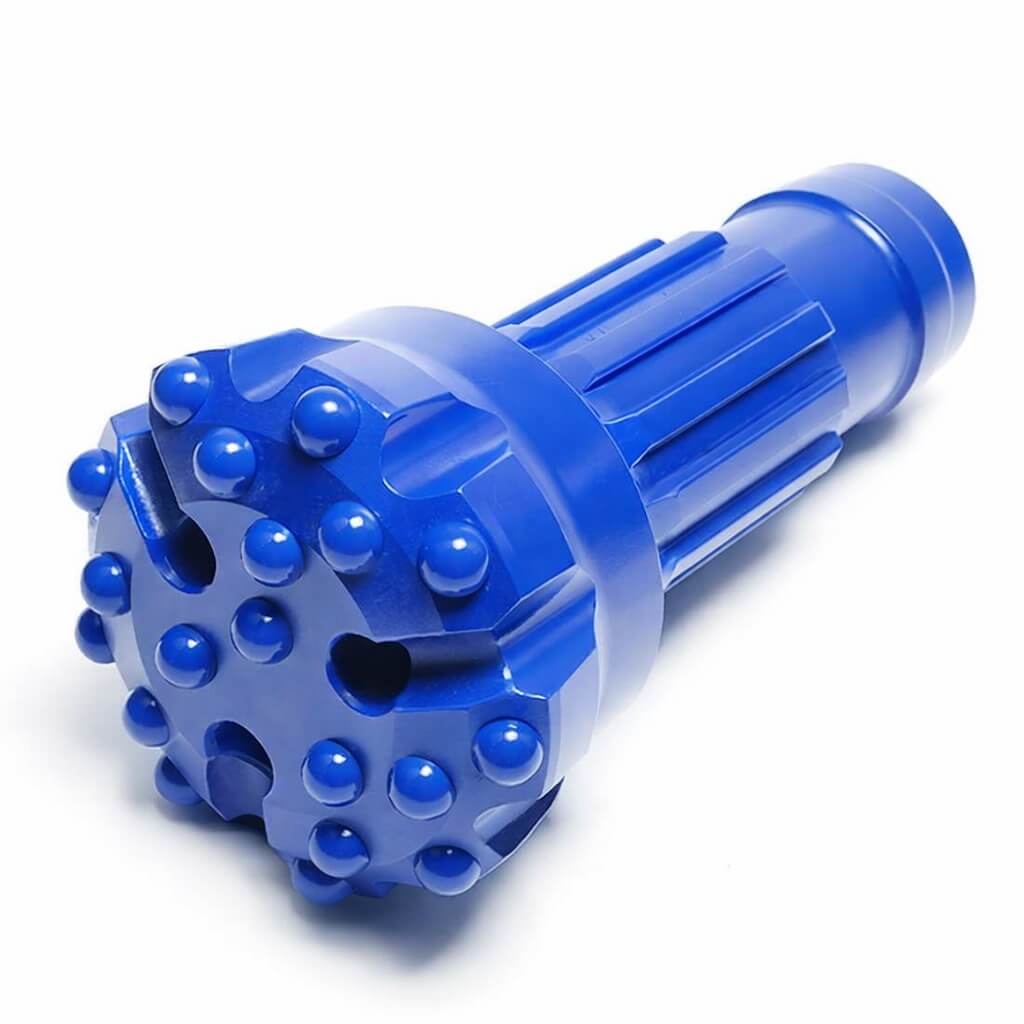
Selecting a cost-effective DTH drill bit is not about choosing the cheapest option available, but about finding the best balance between price, drilling efficiency, and service life. A well-chosen bit can significantly reduce the overall cost per meter, even within a limited budget range.
To make a smarter purchasing decision, buyers should consider budget level, procurement strategy, and performance indicators before selecting a supplier.
Recommended Strategies for Different Budget Levels
Different drilling projects require different levels of investment. The optimal DTH drill bit choice depends on operating conditions and cost expectations.
Low Budget Strategy (Cost Priority)
Suitable for:
- Small contractors
- Short-term projects
- Soft to medium rock formations
Recommended approach:
- Choose standard-grade carbide bits
- Focus on basic compatibility (DHD / QL / Mission shank types)
- Accept shorter service life in exchange for lower upfront cost
Key risk:
- Higher replacement frequency
- Increased downtime in hard-rock conditions
Medium Budget Strategy (Balanced Performance)
Suitable for:
- Quarry operations
- General construction drilling
- Medium-depth water well projects
Recommended approach:
- Use optimized carbide button layouts
- Select proven face designs (concave or flat face)
- Balance penetration rate and durability
Key advantage:
- Best overall cost-performance ratio for most applications
High Budget Strategy (Performance Priority)
Suitable for:
- Mining companies
- Hard rock formations
- Large-scale continuous drilling operations
Recommended approach:
- Premium-grade carbide buttons
- Advanced heat treatment and steel body design
- High-efficiency drilling optimization
Key advantage:
- Lowest cost per meter despite higher initial investment
- Maximum productivity and reduced downtime
How Bulk Purchasing and Long-Term Cooperation Reduce Costs
Beyond selecting the right product, procurement strategy plays a major role in reducing overall DTH drill bit costs.
Bulk Ordering Advantages
- Lower unit price through volume discounts
- Reduced logistics and shipping costs per unit
- More stable inventory supply
- Priority production scheduling from manufacturers
Long-Term Supplier Cooperation Benefits
- Consistent product quality across batches
- Customized design optimization for specific rock conditions
- Faster response time for urgent orders
- Potential technical support and drilling optimization advice
OEM / Customized Production Advantages
- Optimized carbide layout for specific formations
- Improved penetration efficiency
- Reduced unnecessary wear
- Better alignment with project requirements
Checklist for Evaluating Whether a Higher-Priced Drill Bit Is Worth It
Before choosing a more expensive DTH drill bit, buyers should evaluate its real value using the following checklist:
Performance Checklist
- Does it drill more meters per bit in your rock formation?
- Does it maintain a stable penetration rate over time?
- Does it reduce bit change frequency?
Cost Efficiency Checklist
- Is the cost per meter lower than cheaper alternatives?
- Does it reduce rig downtime?
- Does it improve overall drilling productivity?
Quality & Manufacturing Checklist
- Is high-grade tungsten carbide used?
- Does the supplier provide heat treatment and material standards?
- Are quality control processes clearly defined?
Operational Compatibility Checklist
- Is it fully compatible with your DTH hammer?
- Does it match your compressor pressure and drilling conditions?
- Is it optimized for your specific rock formation?
Supplier Reliability Checklist
- Does the supplier have stable production capacity?
- Can they provide consistent quality across orders?
- Do they offer technical support or drilling recommendations?
A higher-priced DTH drill bit is only justified if it delivers measurable improvements in service life, penetration rate, and cost per meter drilled. Otherwise, the additional cost does not translate into real operational value.
Conclusion
In DTH drilling operations, the purchase price of a drill bit represents only a small part of the total project cost. Focusing solely on unit price can lead to misleading decisions and higher long-term drilling expenses.
Instead, experienced drilling contractors evaluate performance based on overall drilling efficiency and cost per meter, which reflects the real economic value of a DTH drill bit.
The key takeaway from this guide is simple:
- Price is only one factor in the decision-making process.
- Cost per meter is the real KPI that determines drilling efficiency.
- Service life and penetration rate directly impact overall profitability.
- A well-matched DTH drill bit can significantly reduce total drilling costs over the project lifecycle.
By selecting the right drill bit based on rock formation, application, and operational conditions—not just the initial price—you can achieve more stable performance, fewer interruptions, and a lower total cost of drilling.
Ultimately, the most cost-effective DTH drill bit is not the cheapest one, but the one that delivers the best balance between durability, drilling speed, and total cost efficiency.