Introduction
Choosing the wrong DTH drill bit size can create serious drilling problems long before the project is completed. A bit that is too small may reduce hole efficiency and increase drilling time, while an oversized bit can overload the hammer and compressor, causing slow penetration rates, unstable holes, excessive vibration, and premature tool failure. In many drilling operations, incorrect bit size selection is one of the hidden reasons behind high fuel consumption, poor hole quality, increased downtime, and rising operating costs.
In Down-the-Hole (DTH) drilling, drill bit size directly affects overall drilling performance. The diameter of the bit determines not only the final hole size but also impacts air consumption, drilling speed, rock breaking efficiency, hole straightness, and tool lifespan. Whether the application involves hard rock mining, quarry blasting, water well drilling, geothermal projects, or foundation construction, selecting the proper DTH drill bit size is essential for maximizing productivity and reducing total drilling costs.
Different industries require different hole diameters and drilling parameters. For example, small-diameter DTH bits are commonly used for small quarry operations where flexibility and speed are important, while larger DTH drill bits are preferred in open-pit mining and deep blast-hole drilling projects that demand higher impact energy and larger hole capacities. Water well drilling projects often require medium-sized bits that balance penetration rate, borehole stability, and flushing efficiency.
In addition, DTH drill bit size must be correctly matched with the hammer size, compressor capacity, air pressure, and geological conditions. Even a high-quality drill bit may perform poorly if the hammer and drilling system are not properly matched. Understanding how these components work together helps drilling contractors improve drilling efficiency, extend bit service life, and achieve more stable drilling performance in different rock formations.
In this guide, you will learn:
- Common DTH drill bit sizes and their applications
- How to correctly match DTH drill bits with hammers
- How to choose the right bit size for different drilling conditions
- Key factors that affect drilling efficiency and hole quality
- Common drill bit sizing mistakes and how to avoid them
- Practical tips to improve DTH drilling performance and reduce operating costs
Whether you are working in mining, quarrying, construction, water well drilling, or geotechnical engineering, this DTH drill bit size guide will help you select the right drilling tools for your project and improve overall drilling results.
What Is DTH Drill Bit Size?
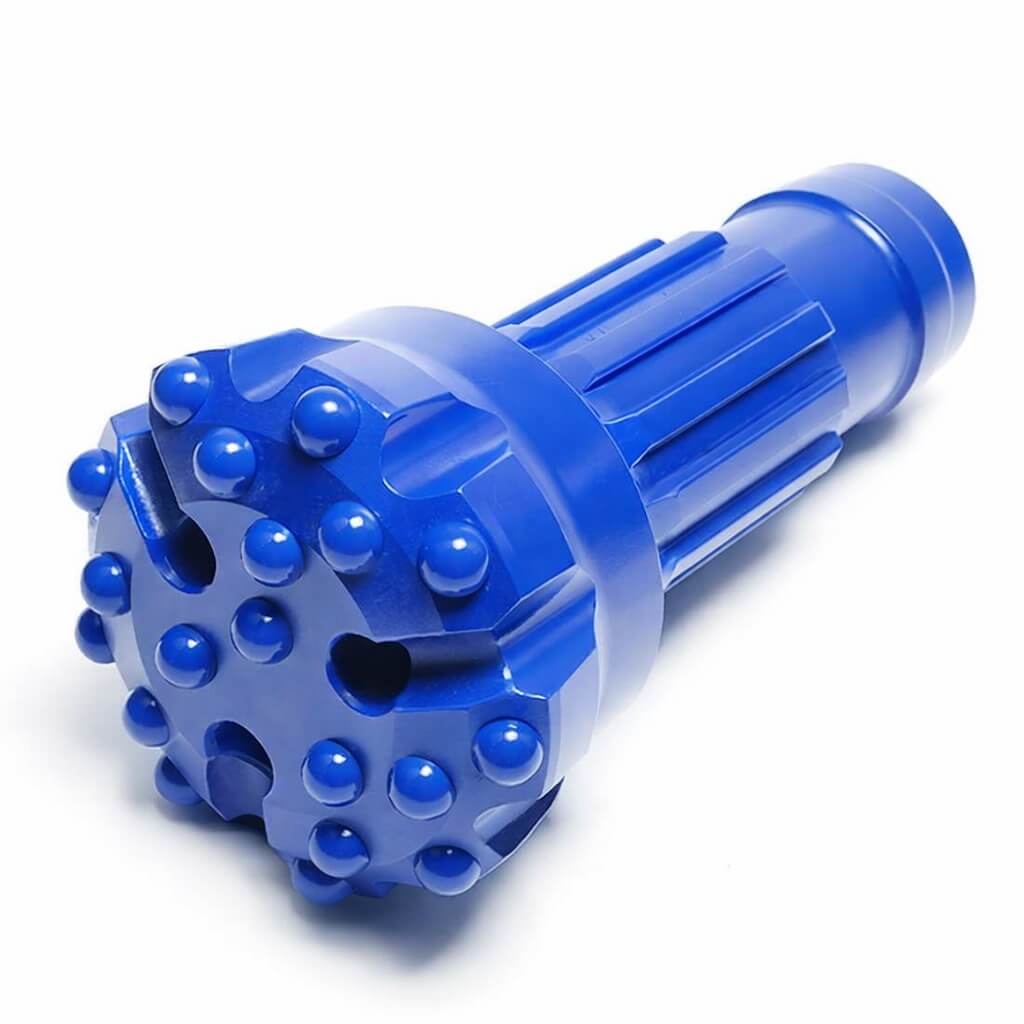
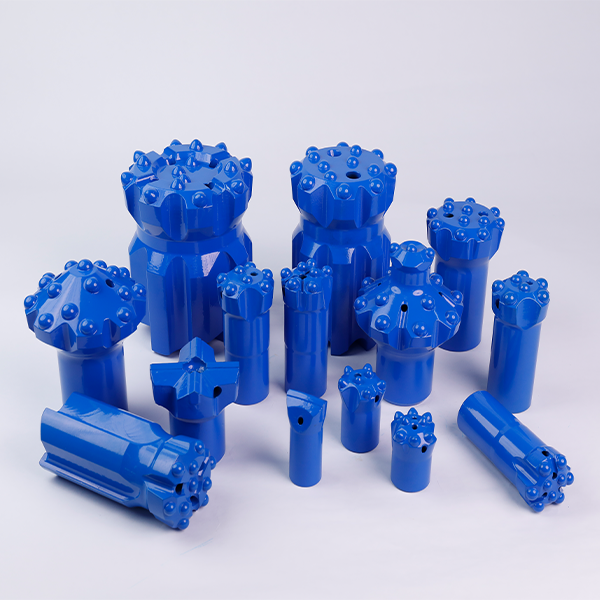
DTH drill bit size refers to the outside diameter of the drill bit used in Down-the-Hole drilling operations. It is one of the most important specifications in rock drilling because it directly determines the final hole diameter, drilling efficiency, air consumption, and compatibility with the DTH hammer.
Selecting the correct DTH drill bit size is critical for achieving stable drilling performance, maintaining hole accuracy, and reducing unnecessary wear on drilling tools. Different drilling applications — such as mining, quarrying, water well drilling, and foundation construction — require different bit sizes depending on the required hole diameter and geological conditions.
How DTH Drill Bit Size Is Measured
DTH drill bit sizes are typically measured by the outside diameter of the bit. Manufacturers usually express these dimensions in either millimeters (mm) or inches (inch), depending on regional standards and customer preferences.
Metric measurements are commonly used in Asia, Europe, and many international markets, while inch-based measurements are more common in North America and certain mining regions.
Common DTH drill bit size examples include:
| Metric Size | Inch Size | Typical Applications |
|---|---|---|
| 90 mm | 3.5 inch | Small quarry drilling |
| 115 mm | 4.5 inch | Water well drilling, construction |
| 152 mm | 6 inch | Mining and blast hole drilling |
| 203 mm | 8 inch | Large-diameter mining holes |
In DTH drilling, the drill bit diameter largely determines the final borehole size. For example, a 115 mm DTH drill bit is generally designed to produce a hole close to 115 mm in diameter under normal drilling conditions.
However, the actual hole diameter can sometimes vary slightly due to factors such as:
- Rock hardness
- Hole collapse
- Bit wear
- Drilling vibration
- Air flushing performance
Because of this, contractors often select bit sizes based not only on target hole diameter, but also on expected drilling conditions and project tolerances.
Difference Between Bit Size and Hole Size
Although the drill bit size and hole size are usually very close, they are not always identical during actual drilling operations.
Under normal conditions:
- DTH drill bit diameter ≈ final hole diameter
For example:
- A 152 mm bit typically drills a hole around 152 mm
- A 6-inch bit generally produces a 6-inch borehole
However, slight deviations can occur because of rock formation behavior and drilling system conditions.
Factors That May Affect Actual Hole Size
Rock Expansion and Formation Conditions
Some rock formations may slightly expand, fracture, or rebound during drilling, causing minor variations in hole diameter.
Drill Bit Wear
As carbide buttons and gauge surfaces wear down, the effective cutting diameter may gradually decrease, resulting in smaller or less consistent holes.
Hole Deviation and Vibration
Improper rotation speed, unstable air pressure, or incorrect hammer matching can lead to hole deviation or irregular hole geometry.
Why Hole Size Consistency Matters
Maintaining accurate and consistent hole diameter is extremely important in many drilling applications.
Consistent hole size helps:
- Improve blasting results in mining and quarrying
- Ensure proper casing installation in water well drilling
- Maintain anchoring quality in foundation projects
- Reduce hole deviation in deep-hole drilling
- Improve overall drilling efficiency and safety
Poor hole consistency can lead to:
- Increased explosive consumption
- Difficulty inserting casing pipes
- Unstable boreholes
- Higher drilling costs
- Reduced project accuracy
For this reason, professional drilling contractors carefully select DTH drill bit sizes based on both target hole diameter and drilling conditions.
Key Components Related to Bit Size
Several important drill bit components directly influence how a DTH drill bit performs at different sizes and drilling conditions.
Shank
The shank is the connection interface between the DTH hammer and the drill bit. Different hammer sizes require specific shank designs to ensure proper energy transfer and compatibility.
Common shank types include:
- DHD
- COP
- QL
- SD
- Mission
An incorrect shank size can reduce impact efficiency and cause premature wear or connection failure.
Splines
Splines are the grooves or drive sections that transfer rotational force from the hammer to the drill bit.
The spline design must match the hammer precisely to ensure:
- Stable rotation
- Efficient torque transmission
- Reduced vibration
- Improved drilling performance
Larger drill bits typically require stronger spline structures because they operate under higher torque loads.
Buttons
Carbide buttons are the cutting elements that directly crush and fracture the rock.
Button size, quantity, and shape often vary depending on drill bit diameter and application requirements.
Common button shapes include:
- Spherical buttons for hard rock and high wear resistance
- Ballistic buttons for faster penetration in softer formations
Larger DTH drill bits usually contain:
- More gauge buttons
- Larger front buttons
- Higher impact resistance capacity
Face Design
The face design affects rock breaking efficiency, flushing performance, and hole stability.
Common DTH bit face designs include:
- Flat face
- Concave face
- Convex face
- Drop center face
Different face designs perform better under different rock conditions and hole sizes.
For example:
- Concave faces are widely used for hard rock and straight-hole drilling
- Flat faces provide strong stability in fractured formations
- Convex faces may increase penetration speed in softer rock
Air Holes
Air holes are responsible for delivering compressed air through the drill bit to:
- Remove rock cuttings
- Cool the bit
- Maintain drilling efficiency
Proper air flushing becomes increasingly important as drill bit size increases because larger holes generate more rock debris.
Insufficient air flow can cause:
- Slow penetration rates
- Bit overheating
- Hole cleaning problems
- Increased wear on buttons and gauge surfaces
For large-diameter DTH drill bits, air hole design plays a critical role in maintaining stable drilling performance and maximizing tool service life.
DTH Drill Bit Sizes and Their Applications
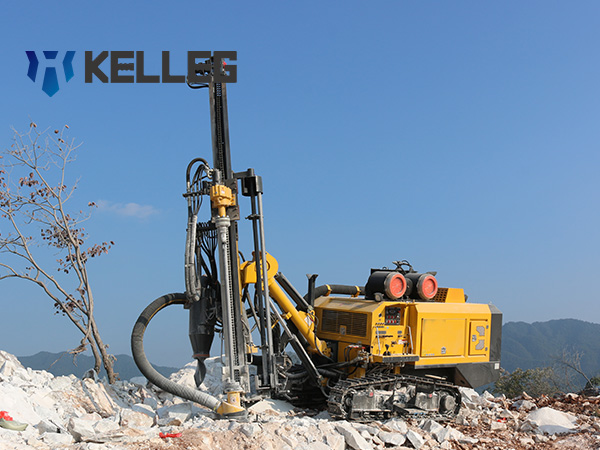
DTH drill bits are available in a wide range of sizes to meet the requirements of different drilling projects and geological conditions. Choosing the right bit diameter is essential because it affects drilling speed, hole quality, air consumption, tool wear, and overall project cost.
In general, DTH drill bit sizes can be divided into three categories:
- Small diameter DTH drill bits
- Medium diameter DTH drill bits
- Large diameter DTH drill bits
Each size range is designed for specific drilling applications and operating conditions.
Small Diameter DTH Drill Bits (65–90 mm)
Small-diameter DTH drill bits are commonly used in projects that require flexibility, fast drilling speed, and lower operating costs. These bits are ideal for light-duty drilling operations and smaller drilling equipment.
Typical Applications
Small DTH drill bits are widely used for:
- Small blast hole drilling
- Small quarry operations
- Shallow construction drilling
- Rock anchoring projects
- Slope stabilization drilling
- Portable drilling rigs
Because of their compact size, these drill bits are especially suitable for confined working environments or projects with limited compressor capacity.
Key Advantages
High Flexibility
Small diameter bits are easier to handle and operate in restricted job sites. They are often preferred for mobile drilling rigs and projects requiring frequent movement.
Lower Air Consumption
Smaller hole diameters require less compressed air, making them more compatible with lower-capacity compressors. This helps reduce fuel consumption and operating costs.
Faster Penetration Rate
In suitable rock formations, small DTH drill bits can achieve very fast drilling speeds because the hammer energy is concentrated over a smaller cutting area.
Common Bit Sizes
Typical small diameter DTH drill bit sizes include:
- 65 mm
- 76 mm
- 89 mm
- 90 mm
These sizes are often paired with 2-inch or 3-inch DTH hammers.
Limitations
Although small DTH bits offer speed and flexibility, they may not be suitable for:
- Deep-hole drilling
- Large-scale mining
- High-volume blasting operations
- Large casing installations
Smaller bits also have limited flushing capacity in deeper holes compared to larger diameter bits.
Medium Diameter DTH Drill Bits (90–140 mm)
Medium diameter DTH drill bits are the most commonly used size range in the drilling industry. They provide an excellent balance between drilling efficiency, operating cost, hole stability, and equipment requirements.
Typical Applications
Medium-sized DTH drill bits are widely used in:
- Water well drilling
- General mining operations
- Quarry blasting
- Foundation engineering
- Geotechnical drilling
- Construction projects
This size range is highly versatile and can perform efficiently in both medium-hard and hard rock formations.
Key Advantages
Most Widely Used Size Range
Bits between 90 mm and 140 mm are considered the industry standard for many DTH drilling applications because they are compatible with a broad range of drilling rigs and compressors.
Balanced Drilling Performance
Medium-sized DTH bits offer a strong balance between:
- Penetration rate
- Hole quality
- Air consumption
- Tool service life
- Fuel efficiency
This makes them ideal for contractors looking for stable and cost-effective drilling performance.
Good Hole Stability
Compared with smaller bits, medium diameter bits generally provide better hole straightness and improved borehole stability, especially in deeper drilling operations.
Common Bit Sizes
Popular medium DTH drill bit sizes include:
- 90 mm
- 102 mm
- 115 mm
- 127 mm
- 140 mm
These bits are commonly matched with:
- 3-inch hammers
- 4-inch hammers
- 5-inch hammers
Why They Are Popular
Medium diameter DTH drill bits are often preferred because they can handle a wide range of drilling tasks without requiring extremely large compressors or oversized drilling rigs. Many contractors, they offer the best balance between productivity and operating cost.
Large Diameter DTH Drill Bits (140–305 mm+)
Large diameter DTH drill bits are designed for heavy-duty drilling operations that require large boreholes, deep drilling depths, and high rock-breaking capacity. These drill bits are commonly used in large mining and infrastructure projects.
Typical Applications
Large DTH drill bits are mainly used for:
- Large open-pit mining
- Deep blast-hole drilling
- Large foundation pile drilling
- Geothermal drilling
- High-capacity quarry operations
- Infrastructure and energy projects
These applications usually involve demanding drilling conditions and require powerful drilling systems.
Key Advantages
High Rock Breaking Capacity
Large diameter bits can efficiently create large boreholes in hard rock formations while maintaining stable drilling performance.
Suitable for Deep Hole Drilling
Large DTH bits are better equipped to maintain hole straightness and flushing performance in deep-hole applications.
Improved Production Efficiency
In mining and blasting operations, larger hole diameters can reduce the total number of holes required, improving blasting efficiency and lowering overall project time.
Operational Requirements
Higher Impact Energy Demand
Larger drill bits require more hammer power to maintain effective rock crushing performance. This means larger DTH hammers and more powerful drilling rigs are necessary.
Higher Air Pressure and Air Volume
Large diameter DTH drilling tools require significantly more compressed air. Insufficient air supply can cause:
- Poor cutting removal
- Reduced penetration rate
- Increased tool wear
- Hole cleaning problems
High-pressure compressors are typically required for these operations.
Higher Equipment and Operating Costs
Large DTH drilling systems involve:
- Larger compressors
- Heavier drilling rigs
- Higher fuel consumption
- More expensive drill bits and hammers
However, in large-scale projects, the increased productivity often offsets the higher operating costs.
Common Bit Sizes
Typical large diameter DTH drill bit sizes include:
- 152 mm
- 165 mm
- 203 mm
- 254 mm
- 305 mm+
These bits are commonly paired with:
- 5-inch hammers
- 6-inch hammers
- 8-inch hammers
- Larger custom DTH hammers
Important Considerations
When using large DTH drill bits, contractors must carefully evaluate:
- Compressor capacity
- Rock hardness
- Hole depth
- Rig stability
- Air pressure requirements
- Operating budget
Proper system matching becomes increasingly important as hole diameter increases.
DTH Drill Bit Size Chart
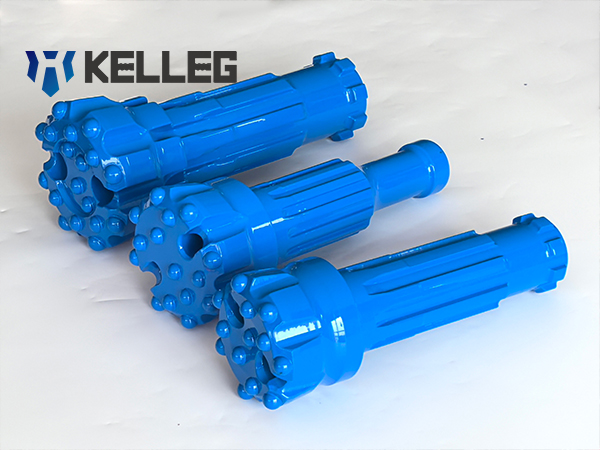
Selecting the correct DTH drill bit size is not only about choosing the required hole diameter. The drill bit must also be properly matched with the correct DTH hammer size to ensure efficient energy transfer, stable drilling performance, and longer tool service life.
An incorrectly matched hammer and bit combination can lead to:
- Reduced penetration rate
- Excessive air consumption
- Poor hole straightness
- Premature bit wear
- Hammer damage
- Increased drilling costs
Understanding the relationship between hammer size and drill bit diameter helps contractors optimize drilling efficiency across different applications such as mining, quarrying, water well drilling, and foundation engineering.
Common Bit Sizes and Matching Hammer Sizes
Different DTH hammers are designed to operate within specific drill bit diameter ranges. Larger hammers generate greater impact energy and require higher air volume, making them suitable for larger hole diameters and harder drilling conditions.
Below is a general DTH drill bit size chart commonly used in the drilling industry:
| Hammer Size | Typical Bit Size Range | Typical Applications |
|---|---|---|
| 2" Hammer | 65–76 mm | Small quarry drilling, anchoring |
| 3" Hammer | 85–105 mm | Water well drilling, light construction |
| 4" Hammer | 110–127 mm | Mining, quarrying, construction |
| 5" Hammer | 133–152 mm | Blast hole drilling, medium mining |
| 6" Hammer | 152–203 mm | Large mining projects, geothermal drilling |
| 8" Hammer | 203–254 mm | Deep, large-diameter holes, heavy-duty drilling |
How Hammer Size Affects Drilling Performance
Smaller Hammers
Smaller DTH hammers are commonly used for:
- Lower air consumption
- Faster drilling in shallow holes
- Mobile or portable rigs
- Lower operating costs
However, they may struggle in:
- Deep-hole drilling
- Very hard rock formations
- Large-diameter applications
Larger Hammers
Larger DTH hammers provide:
- Higher impact energy
- Better deep-hole stability
- Improved performance in hard rock
- Higher productivity in mining operations
But they also require:
- Larger compressors
- Higher air pressure
- Stronger drilling rigs
- Increased fuel consumption
Why Proper Hammer Matching Matters
The DTH hammer and drill bit work as a complete drilling system. If the bit diameter is too large for the hammer:
- Impact energy becomes insufficient
- Penetration rate decreases
- Hole cleaning efficiency drops
- Tool wear increases rapidly
If the bit diameter is too small:
- Energy transfer may become unstable
- Excessive vibration can occur
- Drilling efficiency may decline
Professional drilling contractors usually select hammer and bit combinations based on:
- Hole diameter requirements
- Rock hardness
- Drilling depth
- Compressor capacity
- Rig specifications
Metric vs Imperial DTH Bit Sizes
DTH drill bit sizes are commonly expressed in both metric (millimeters) and imperial (inches) systems. Understanding the conversion between these systems is important for international drilling projects, equipment compatibility, and export markets.
Common Metric to Inch Conversion
| Metric Size (mm) | Approximate Inch Size |
|---|---|
| 76 mm | 3 inch |
| 89 mm | 3.5 inch |
| 102 mm | 4 inch |
| 115 mm | 4.5 inch |
| 127 mm | 5 inch |
| 152 mm | 6 inch |
| 203 mm | 8 inch |
| 254 mm | 10 inch |
Although conversions are approximate, many drilling manufacturers market products using standardized inch-based hammer categories.
Regional Market Preferences
Different countries and industries may prefer different measurement systems.
Metric System Markets
Millimeter-based specifications are commonly used in:
- China
- Europe
- Southeast Asia
- Middle East
- Africa
Examples:
- 90 mm DTH bit
- 115 mm DTH bit
- 152 mm DTH bit
Imperial System Markets
Inch-based specifications are more common in:
- United States
- Canada
- Australia
- Certain mining regions
Examples:
- 4-inch DTH bit
- 6-inch DTH bit
- 8-inch DTH bit
Because many international drilling projects involve equipment from multiple countries, manufacturers often provide both metric and inch measurements in catalogs and technical documents.
Common Export Specifications
For export-oriented drilling tool manufacturers, some DTH drill bit sizes are especially popular in global markets.
Frequently exported sizes include:
- 90 mm
- 102 mm
- 115 mm
- 127 mm
- 152 mm
- 165 mm
- 203 mm
These sizes are widely used in:
- Mining
- Quarrying
- Water well drilling
- Infrastructure projects
- Geotechnical engineering
In addition to size, export customers also pay close attention to:
- Shank type compatibility
- Carbide button quality
- Face design
- Air flushing performance
- Heat treatment quality
- Rock formation suitability
For global drilling contractors, selecting internationally compatible DTH drill bit sizes can improve equipment flexibility and simplify replacement part sourcing.
How to Choose the Right DTH Drill Bit Size
Choosing the correct DTH drill bit size is essential for achieving high drilling efficiency, stable hole quality, and lower operating costs. The ideal bit size depends on multiple factors, including rock conditions, hole diameter requirements, compressor capacity, drilling depth, and hammer compatibility.
Selecting a drill bit based only on hole size can lead to serious drilling problems such as low penetration rates, excessive air consumption, unstable holes, and premature tool wear. Professional drilling contractors evaluate the entire drilling system before choosing a DTH bit size.
Consider the Rock Formation
Rock formation is one of the most important factors when selecting a DTH drill bit size. Different rock conditions affect drilling resistance, impact energy transfer, penetration rate, and tool wear.
Soft Rock Formations
In softer or fractured formations, larger DTH drill bit sizes are often used to improve drilling efficiency and increase production capacity.
Advantages of using larger bits in soft rock include:
- Faster drilling progress
- Larger hole capacity
- Higher productivity
- Reduced total number of holes required
Typical soft formations may include:
- Limestone
- Weathered rock
- Soft sandstone
- Clay-rich formations
Because soft rock requires less impact energy to break, larger diameter bits can still maintain good penetration rates.
Hard Rock Formations
In hard rock drilling, slightly smaller DTH drill bit sizes are often preferred because they concentrate hammer impact energy over a smaller cutting area.
Benefits of smaller bits in hard rock include:
- Stronger rock-breaking efficiency
- Higher penetration force
- Better energy transfer
- Reduced stress on the hammer and compressor
Hard rock formations may include:
- Granite
- Basalt
- Quartzite
- Hard iron ore
Oversized bits in extremely hard rock can reduce drilling efficiency because the hammer may not generate enough impact energy to effectively fracture the rock.
Why Rock Matching Matters
Improper bit size selection for the rock condition can result in:
- Slow penetration rates
- Excessive carbide button wear
- Hole deviation
- Increased fuel consumption
- Reduced hammer service life
For this reason, many drilling contractors adjust DTH drill bit sizes based on both rock hardness and compressor capability.
Match the Hole Diameter Requirement
The required hole diameter is one of the most direct factors in selecting a DTH drill bit size. Different drilling applications require different borehole dimensions depending on project objectives.
Blast Holes
Blast hole drilling in mining and quarrying often uses medium to large diameter DTH drill bits to maximize blasting efficiency and rock fragmentation.
Typical blast hole sizes:
- 115 mm
- 127 mm
- 152 mm
- 165 mm
Larger holes can reduce the number of drilling points needed in large-scale blasting operations.
Anchoring Holes
Anchoring and slope stabilization projects usually require smaller and more precise hole diameters.
Typical anchoring hole sizes:
- 65 mm
- 76 mm
- 89 mm
These applications prioritize:
- Hole accuracy
- Stability
- Flexibility in confined spaces
Grouting Holes
Grouting applications often require controlled and consistent hole diameters to ensure proper grout injection and formation reinforcement.
Common grouting hole sizes:
- 76 mm
- 89 mm
- 102 mm
Hole straightness and diameter consistency are especially important in these projects.
Water Well Drilling
Water well drilling usually uses medium diameter DTH bits to balance:
- Drilling efficiency
- Borehole stability
- Casing installation requirements
- Air flushing performance
Typical water well bit sizes:
- 90 mm
- 115 mm
- 140 mm
The final hole diameter may also depend on casing size and groundwater conditions.
Evaluate Compressor Capacity
Compressor performance is a critical factor when selecting DTH drill bit size because DTH drilling relies heavily on compressed air for both hammer operation and hole cleaning.
Larger Bits Require More Air
As DTH drill bit diameter increases:
- Air consumption increases
- Flushing demand becomes higher
- Compressor pressure requirements rise
Large-diameter holes generate more rock cuttings that must be removed efficiently from the borehole.
Problems Caused by Insufficient Compressor Capacity
If the compressor cannot supply enough air volume or pressure:
- Penetration rate decreases
- Hole cleaning becomes poor
- Drill bit overheating may occur
- Bit wear accelerates
- Hole collapse risks increase
In severe cases, insufficient air supply can damage both the hammer and drill bit.
Matching Bit Size with Compressor Output
Before selecting a DTH drill bit size, contractors should evaluate:
- Compressor pressure (bar/psi)
- Air volume (CFM/m³/min)
- Hole depth
- Rock condition
- Hammer size
Proper air supply ensures:
- Efficient rock removal
- Stable drilling speed
- Longer tool life
- Better hole quality
Consider Drilling Depth
Drilling depth also plays an important role in DTH drill bit size selection.
Shallow Hole Drilling
For shallow drilling applications:
- Smaller drill bits are often more economical
- Lower air consumption reduces operating costs
- Faster setup and handling improve efficiency
Small to medium DTH bits are commonly used in:
- Surface quarry drilling
- Construction anchoring
- Short blast holes
Deep Hole Drilling
Deep-hole drilling usually requires:
- Better hole stability
- More efficient flushing
- Higher system stability
In deeper holes, larger diameter systems may help improve:
- Cuttings removal
- Hole straightness
- Borehole stability
However, deeper drilling also requires:
- Higher air pressure
- More powerful compressors
- Stable hammer performance
Improper bit selection in deep drilling can cause:
- Hole deviation
- Air loss
- Cuttings accumulation
- Reduced drilling efficiency
Match the Hammer Correctly
Correct hammer matching is essential for maximizing DTH drilling performance. The drill bit and hammer must work together as a compatible system.
Problems Caused by Incompatible Hammer and Bit Sizes
Using the wrong hammer-bit combination can lead to:
- Poor impact energy transfer
- Reduced penetration rates
- Excessive vibration
- Premature spline wear
- Hammer damage
- Increased operating costs
For example:
- A small hammer may struggle to drive an oversized bit efficiently
- An oversized hammer paired with a small bit may create unstable drilling conditions
Importance of Shank Compatibility
The shank is the connection interface between the DTH hammer and drill bit. Each hammer series requires a specific shank design.
Common shank types include:
- DHD
- COP
- QL
- SD
- Mission
The shank must match precisely to ensure:
- Proper energy transfer
- Stable rotation
- Efficient drilling performance
- Reduced wear on connection parts
Best Practice for Hammer Matching
Professional drilling operators usually select hammer and bit combinations based on:
- Hole diameter
- Rock hardness
- Compressor capacity
- Drilling depth
- Rig power
- Project requirements
A properly matched DTH drilling system can significantly improve:
- Penetration speed
- Tool service life
- Fuel efficiency
- Hole accuracy
- Overall drilling productivity
DTH Drill Bit Size Selection by Industry
Different industries require different DTH drill bit sizes based on drilling objectives, rock conditions, hole depth, equipment capacity, and project requirements. Selecting the correct bit size for a specific application helps improve drilling efficiency, reduce operating costs, and extend tool life.
Although many DTH drill bit sizes can technically be used across multiple industries, certain size ranges have become standard due to their proven performance and compatibility with common drilling systems.
Mining and Quarrying
Mining and quarrying operations are among the largest users of DTH drilling technology. In these industries, drilling productivity and blasting efficiency are usually the top priorities.
Common DTH Drill Bit Sizes
Mining and quarrying projects commonly use:
- 115 mm
- 127 mm
- 140 mm
- 152 mm
- 165 mm
These medium to large diameter drill bits are widely used for:
- Bench drilling
- Blast hole drilling
- Open-pit mining
- Aggregate production
- Quarry blasting
Why Larger Hole Sizes Are Preferred
Larger blast holes can improve:
- Rock fragmentation
- Blasting efficiency
- Production output
- Drilling productivity
In large mining operations, bigger hole diameters may reduce the total number of required holes, helping lower drilling time and improve blasting patterns.
Key Selection Considerations
Mining contractors usually select DTH drill bit sizes based on:
- Bench height
- Explosive loading requirements
- Rock hardness
- Drilling depth
- Compressor capacity
Hard rock mining applications often require:
- High-impact DTH hammers
- Wear-resistant carbide buttons
- High-pressure air compressor
Typical Features Required
Mining and quarrying DTH bits often prioritize:
- Fast penetration rates
- Long service life
- High wear resistance
- Stable hole straightness
- Reliable performance in abrasive rock
Because mining environments are highly demanding, bit durability and drilling efficiency are critical factors in overall project profitability.
Water Well Drilling
Water well drilling requires DTH drill bit sizes that balance penetration efficiency, borehole stability, and effective cuttings removal.
Common DTH Drill Bit Sizes
Typical water well drilling sizes include:
- 90 mm
- 102 mm
- 115 mm
- 127 mm
- 140 mm
These sizes are commonly used because they provide:
- Good flushing performance
- Stable boreholes
- Suitable casing installation space
- Efficient drilling speed
Importance of Hole Cleaning
In water well drilling, efficient removal of rock cuttings is extremely important. Poor flushing performance can lead to:
- Borehole collapse
- Reduced penetration rate
- Bit overheating
- Stuck drilling tools
Medium-sized DTH drill bits often provide the best balance between:
- Air consumption
- Hole cleaning efficiency
- Borehole stability
Hole Stability Requirements
Unlike blast hole drilling, water well drilling places greater emphasis on:
- Straight holes
- Smooth borehole walls
- Accurate casing installation
For this reason, many contractors prefer medium diameter DTH bits with:
- Concave face designs
- Stable gauge protection
- Efficient air flushing holes
Deep Water Well Applications
In deeper wells, contractors may select larger diameter DTH bits to:
- Improve flushing performance
- Maintain borehole stability
- Accommodate larger casing pipes
However, deeper drilling also requires:
- Higher compressor capacity
- More stable drilling rigs
- Better air pressure control
Construction and Foundation
Construction and foundation drilling applications often require precise hole dimensions and reliable drilling performance in varying geological conditions.
Common Applications
DTH drill bits are widely used for:
- Rock anchoring
- Micropiles
- Foundation piling
- Slope stabilization
- Retaining wall construction
- Infrastructure projects
Typical DTH Drill Bit Sizes
Construction drilling commonly uses:
- 65 mm
- 76 mm
- 89 mm
- 102 mm
- 115 mm
Smaller and medium-sized drill bits are generally preferred because these applications often require:
- Accurate hole positioning
- Precise hole diameter
- Controlled drilling performance
High Precision Requirements
Foundation and anchoring projects require excellent:
- Hole straightness
- Diameter consistency
- Borehole stability
Even small deviations can affect:
- Anchor installation quality
- Structural safety
- Grouting performance
Because of this, contractors carefully match:
- Drill bit size
- Hammer size
- Rotation speed
- Air pressure
- Rig stability
Drilling in Confined Areas
Many construction projects are located in:
- Urban environments
- Tunnels
- Slopes
- Restricted workspaces
Smaller DTH drill bit sizes are often preferred because they offer:
- Better flexibility
- Easier handling
- Compatibility with compact drilling rigs
Geothermal and Energy Drilling
Geothermal and energy drilling projects often involve deep-hole drilling under extremely demanding geological conditions. These applications require durable DTH drill bits capable of maintaining performance over long drilling distances.
Common Drilling Conditions
Geothermal and energy drilling may involve:
- Hard abrasive rock
- High temperatures
- Deep boreholes
- High-pressure drilling environments
Because of these challenging conditions, tool reliability becomes extremely important.
Common DTH Drill Bit Sizes
Typical geothermal drilling sizes include:
- 140 mm
- 152 mm
- 165 mm
- 203 mm
Larger diameter bits are commonly used because they support:
- Deep-hole stability
- Efficient air flushing
- Large casing requirements
- Higher production capacity
High Wear Resistance Requirements
Geothermal drilling environments create severe wear on:
- Carbide buttons
- Gauge surfaces
- Hammer components
As a result, geothermal DTH bits often require:
- Premium carbide materials
- Advanced heat treatment
- Reinforced gauge protection
- High-strength steel structures
Importance of Deep-Hole Stability
Deep geothermal drilling places strong demands on:
- Hole straightness
- Stable penetration rates
- Efficient cutting removal
- Compressor performance
Improper bit size selection can cause:
- Excessive wear
- Hole deviation
- Reduced drilling efficiency
- Higher operating costs
For energy drilling contractors, selecting the proper DTH drill bit size is essential for achieving long-term drilling reliability and controlling project expenses.
Common Problems Caused by Incorrect DTH Drill Bit Size
Selecting the wrong DTH drill bit size can significantly reduce drilling performance and increase overall project costs. Because DTH drilling relies on the balance between hammer energy, air supply, and bit diameter, even a small mismatch in size selection can create serious operational issues.
Below are the most common problems caused by improper DTH drill bit size selection.
Reduced Penetration Rate
One of the most immediate consequences of using an incorrect DTH drill bit size is a noticeable drop in penetration rate.
When the bit size is too large for the available hammer energy or rock conditions:
- Impact energy becomes dispersed over a larger cutting area
- Rock-breaking efficiency decreases
- Drilling speed slows significantly
This leads to longer project timelines and lower productivity, especially in hard rock formations where concentrated impact force is essential for efficient drilling.
In many cases, contractors mistakenly select oversized bits, assuming larger diameter always improves productivity, but this often results in the opposite effect.
Excessive Air Consumption
DTH drilling depends heavily on compressed air for both hammer operation and cuttings removal. Incorrect bit sizing can dramatically increase air demand beyond system capacity.
When the drill bit is too large:
- Air consumption increases sharply
- Compressor works under excessive load
- System efficiency drops
If the compressor cannot supply sufficient air volume and pressure, the drilling system may experience:
- Reduced hammer performance
- Poor flushing of rock cuttings
- Instability in drilling speed
This not only increases fuel consumption but also affects the overall reliability of the drilling operation.
Premature Bit Wear
Improper matching between rock conditions and drill bit size often results in accelerated wear of carbide buttons and gauge buttons' surfaces.
Common causes include:
- Using a bit size not suitable for rock hardness
- Insufficient energy transfer from hammer to bit
- Poor flushing performance leading to overheating
As a result, operators may experience:
- Fast button breakage
- Uneven gauge button wear
- Reduced service life of the bit
Premature wear increases replacement frequency and significantly raises drilling costs over time.
Hole Deviation Problems
Incorrect DTH drill bit size can also lead to poor hole straightness and deviation issues, especially in deep drilling applications.
When the bit size is too large or not properly supported by hammer energy:
- Hole stability decreases
- Drilling becomes less controlled
- Vibration increases
This can result in:
- Bent or deviated boreholes
- Difficulty installing casing pipes
- Reduced accuracy in blasting or anchoring applications
Hole deviation is particularly critical in construction and foundation drilling, where precision is essential for structural safety.
Increased Drilling Cost
Using the wrong DTH drill bit size ultimately increases total project costs in multiple ways.
Fuel Consumption
- Oversized bits require more air and power
- Compressors consume more fuel under heavy load
Spare Parts Usage
- Faster wear leads to more frequent bit replacements
- Increased hammer maintenance requirements
Maintenance Costs
- Higher stress on drilling equipment
- More downtime for repairs and adjustments
Over time, these inefficiencies can significantly impact project profitability, especially in large-scale mining or construction operations.
Tips to Improve Drilling Efficiency with Proper Bit Size
Choosing the correct DTH drill bit size is only part of the equation. To maximize drilling performance, operators must also optimize drilling parameters, tool quality, and maintenance practices.
Use High-Quality Carbide Buttons
Carbide buttons are the primary cutting elements of a DTH drill bit and directly affect drilling efficiency and wear resistance.
High-quality carbide buttons provide:
- Better impact resistance
- Longer service life
- Improved performance in hard rock
Different rock conditions require different button shapes:
- Spherical buttons: best for very hard and abrasive rock
- Ballistic buttons: better for faster penetration in softer formations
Using high-quality carbide materials helps maintain stable performance even under demanding drilling conditions.
Optimize Air Pressure and Rotation Speed
Correct air pressure and rotation speed are essential for achieving optimal drilling efficiency with any DTH drill bit size.
Each bit diameter requires a specific balance of:
- Air volume (CFM)
- Air pressure (bar/psi)
- Rotation speed (RPM)
If parameters are not properly adjusted:
- Penetration rate may drop
- Bit wear may increase
- Hole quality may become unstable
Proper optimization ensures that hammer energy is fully transferred into effective rock breaking.
Regularly Inspect Bit Wear
Routine inspection of DTH drill bits is critical for maintaining consistent drilling performance.
Key inspection points include:
- Gauge button wear
- Face wear pattern
- Air hole blockage
- Cracks or structural damage
Monitoring wear helps operators:
- Prevent unexpected failures
- Extend tool life
- Maintain hole accuracy
Replacing a worn bit in time is more cost-effective than continuing to drill with reduced efficiency.
Choose the Right Face Design
The face design of a DTH drill bit significantly influences drilling performance, especially in different rock conditions.
Flat Face
- Best for fractured or unstable formations
- Provides strong hole stability
- Slower penetration but higher control
Concave Face
- Most commonly used design
- Excellent hole straightness
- Good balance between speed and stability
- Suitable for hard rock drilling
Convex Face
- Higher penetration rate in softer rock
- Reduced contact area
- Faster drilling speed but less stability
Selecting the correct face design based on rock conditions helps improve both drilling efficiency and bit lifespan, especially when combined with the correct bit size selection strategy.
Conclusion
DTH drill bit size is one of the most critical factors influencing overall drilling performance, efficiency, and project economics. A properly selected bit size ensures that the hammer energy, air supply, and rock-breaking capacity are fully optimized, leading to stable and productive drilling operations.
Choosing the right DTH drill bit size can bring significant benefits to any drilling project, including:
- Improved penetration rate, allowing faster completion of drilling tasks
- Reduced tool wear, extending the service life of drill bits and hammers
- Better hole quality, ensuring accurate diameter, and improved borehole stability
- Lower overall operating costs by reducing fuel consumption, downtime, and equipment maintenance
In contrast, an incorrect bit size selection can lead to reduced efficiency, higher costs, and increased equipment failure risks.
For mining, quarrying, water well drilling, construction, and geothermal projects, proper DTH drill bit size selection is not just a technical detail—it is a key factor that directly determines project success and profitability.