Introduction
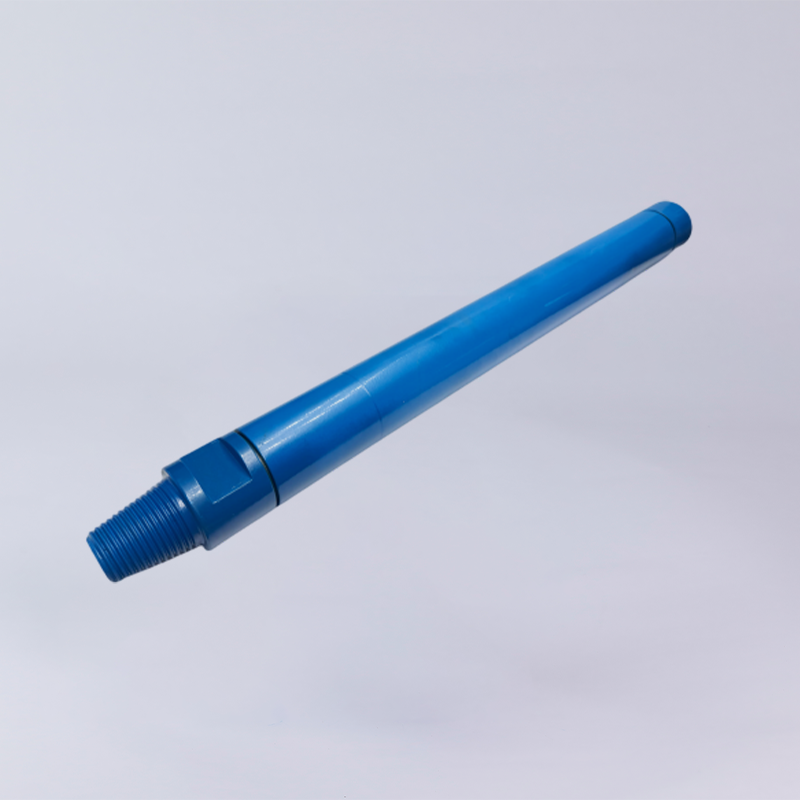
DTH hammer stands for “Down-the-Hole Hammer”, a type of drilling tool used in rock drilling applications where the hammer operates directly at the bottom of the borehole.
This design is important because it allows impact energy to be delivered directly to the rock face, which significantly improves drilling efficiency, especially in hard rock formations. As a result, DTH hammers are widely used in mining, quarrying, water well drilling, and foundation engineering projects where fast penetration and straight boreholes are required.
However, there are several common misunderstandings about DTH hammers. Some people assume that “DTH” refers to a specific machine model or brand, while in fact it is a general industry term describing the drilling method and hammer position. Others confuse DTH drilling with top hammer drilling, even though the impact mechanism and application conditions are fundamentally different.
What Does DTH Stand For in Drilling?
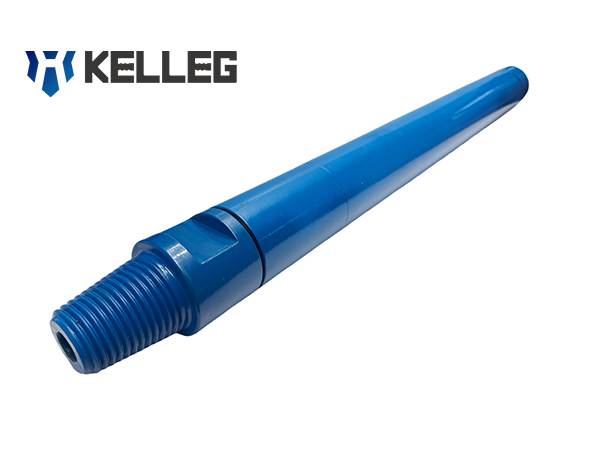
DTH stands for Down-The-Hole.
In drilling terminology, it is a standard abbreviation used in the industry to describe equipment and drilling methods where the hammer is positioned inside the borehole. The term is widely recognized in technical documentation, equipment catalogs, and engineering communication.
The abbreviation DTH is commonly used in:
- Mining drilling
- Quarry drilling
- Water well drilling
- Foundation engineering
In most cases, “DTH” appears in product names and technical discussions to indicate the drilling system category, rather than a specific machine model or brand.
Why Is It Called “Down-the-Hole”?
The term “Down-the-Hole” is used because the hammer operates inside the borehole during drilling, rather than above the ground at the rig level.
It refers specifically to the position of the hammer in the drilling process, where it is placed down inside the hole close to the drill bit. This positioning allows the system to apply impact energy directly at the point of drilling.
Therefore, the name “Down-the-Hole” describes a location-based working principle, not a specific structural design or machine type.
DTH Drilling vs Other Drilling Terms
DTH Drilling vs Top Hammer Drilling
- DTH drilling: Impact is delivered at the bottom of the hole
- Top hammer: Impact is delivered from the drill rig at the surface
DTH Drilling vs Rotary Drilling
- DTH: Combines impact and rotation for rock breaking
- Rotary drilling: Relies mainly on rotation and cutting action
DTH Hammer Working Principle
How Compressed Air Drives a DTH Hammer
The DTH hammer working principle is based on compressed air energy. High-pressure air is supplied from the surface through the drill rod and enters the hammer body inside the borehole.
This compressed air is used to power the internal piston system, which converts air energy into mechanical impact energy for rock drilling.
Reciprocating Piston Impact and Energy Transfer Process
Inside the hammer, a piston moves up and down in a continuous cycle.
- Compressed air pushes the piston upward
- The air is then redirected to drive the piston downward
- The piston strikes the drill bit directly
- Impact energy is transferred into the rock at the bottom of the hole
This repeated impact cycle is what makes the down-the-hole hammer highly effective in hard rock formations.
High Air Pressure vs Low Air Pressure Operation Differences
| Operating Condition | High Air Pressure DTH Hammer | Low Air Pressure DTH Hammer |
|---|---|---|
| Air Supply Level | Higher-pressure air system | Lower-pressure air system |
| Penetration Speed | Faster drilling performance | Moderate penetration speed |
| Rock Suitability | Hard and abrasive rock | Soft to medium rock |
| Energy Output | Stronger impact force | Lower impact force |
| Typical Usage | Mining, quarry, hard rock drilling | Light construction, shallow drilling |
DTH Hammer Working Cycle Steps
| Step | Process Description |
|---|---|
| 1 | Compressed air is delivered from the surface compressor |
| 2 | Air enters the hammer through the drill rod |
| 3 | Internal valve system controls air distribution |
| 4 | Piston is driven upward by air pressure |
| 5 | Air flow switches direction and pushes piston downward |
| 6 | Piston impacts the drill bit directly |
| 7 | Impact energy breaks the rock at the borehole bottom |
| 8 | Exhaust air clears cuttings from the hole |
The DTH hammer working principle is based on converting compressed air into high-frequency impact energy through a reciprocating piston system. This allows the down the hole hammer to deliver efficient drilling performance, especially in hard rock conditions.
Advantages and Disadvantages of DTH Hammer
Key Advantages of DTH Hammer
The DTH hammer is widely used in rock drilling because of its strong performance in demanding ground conditions. Its main advantages include:
- High efficiency in hard rock drilling: The impact energy is delivered directly at the bottom of the hole, making it highly effective for breaking hard and abrasive rock formations.
- Excellent hole straightness: Since the hammer operates close to the drill bit, it provides better directional stability and reduces hole deviation.
- Low energy loss in deep drilling: Unlike surface impact systems, DTH hammers maintain more consistent energy transfer even at greater depths, improving overall drilling efficiency.
Limitations of DTH Hammer
Despite its advantages, the down-the-hole hammer also has some limitations that should be considered:
- Higher equipment requirements: It requires an air compressor and a compatible drilling rig, which increases initial setup cost and operational complexity.
- Potential sample contamination: In certain geological or exploration applications, compressed air circulation may cause mixing or disturbance of cuttings, affecting sample purity.
The DTH hammer is highly efficient for hard rock and deep drilling applications, offering strong penetration and good hole quality. However, it also requires more advanced equipment and may not be ideal for applications where sample integrity is critical.
How to Choose the Right DTH Hammer
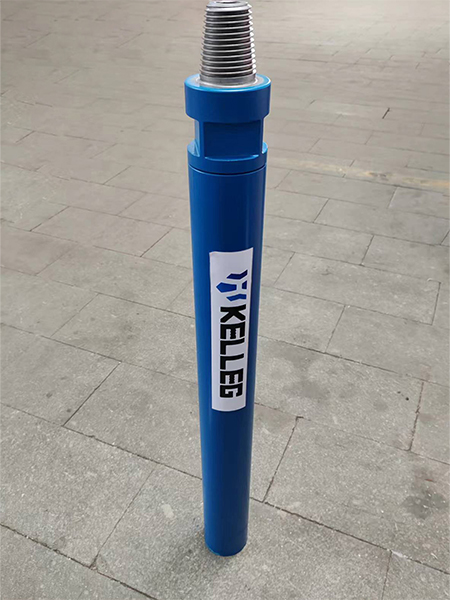
Selecting the right DTH hammer is mainly about matching the tool with your drilling conditions, equipment capacity, and project requirements. A well-matched hammer improves penetration rate, reduces wear, and lowers overall drilling cost.
Match Hammer Size with Borehole Diameter
The first and most important factor is the hole diameter requirement.
- Larger hole diameter → requires a larger DTH hammer
- Smaller hole diameter → requires a compact hammer for better efficiency
Choosing the correct size ensures stable energy transfer and optimal drilling performance.
Consider Rock Type and Hardness
Different rock conditions require different hammer performance levels:
- Hard and abrasive rock: Use high-impact DTH hammers
- Medium rock formations: Standard DTH hammers are usually sufficient
- Soft formations: Lower impact models may offer better efficiency
Select the Right Air Pressure System
The compressor system directly affects hammer performance:
- High air pressure hammers: Suitable for deep drilling and hard rock
- Medium/low air pressure hammers: Better for shallow or less demanding applications
Matching air pressure ensures stable operation and prevents underperformance.
Check Drill Rig Compatibility
Not all hammers fit all rigs. You need to confirm:
- Drill rod connection type
- Air compressor capacity
- Rotation torque and feed system compatibility
Proper matching avoids mechanical failure and improves efficiency.
Evaluate Drilling Depth Requirements
Depth affects energy transmission:
- Shallow drilling: Standard configurations are sufficient
- Deep drilling: Choose hammers designed for low energy loss and stable air flow
Consider Cost vs Performance Balance
A higher-performance hammer may cost more initially, but can reduce:
- Fuel consumption
- Bit wear
- Drilling time
So the best choice is not always the cheapest, but the most cost-effective per meter drilled.
To choose the right DTH hammer, you should balance hole size, rock conditions, air system, rig compatibility, and drilling depth. A properly selected hammer ensures better efficiency, longer tool service life, and lower overall drilling cost in real operations.
Conclusion
The full form of DTH hammer is “Down-the-Hole Hammer”, a widely used term in drilling engineering that describes a system where the hammer operates directly at the bottom of the borehole. Unlike surface impact drilling methods, this design delivers energy more efficiently to the rock face, making it highly effective for hard rock and deep-drilling applications.
Understanding the meaning of DTH hammer and its working concept helps users better evaluate drilling tools, avoid common misunderstandings, and select the right equipment for different project conditions. From mining and quarrying to water well and foundation drilling, the DTH hammer remains a key solution where performance, accuracy, and efficiency are required.