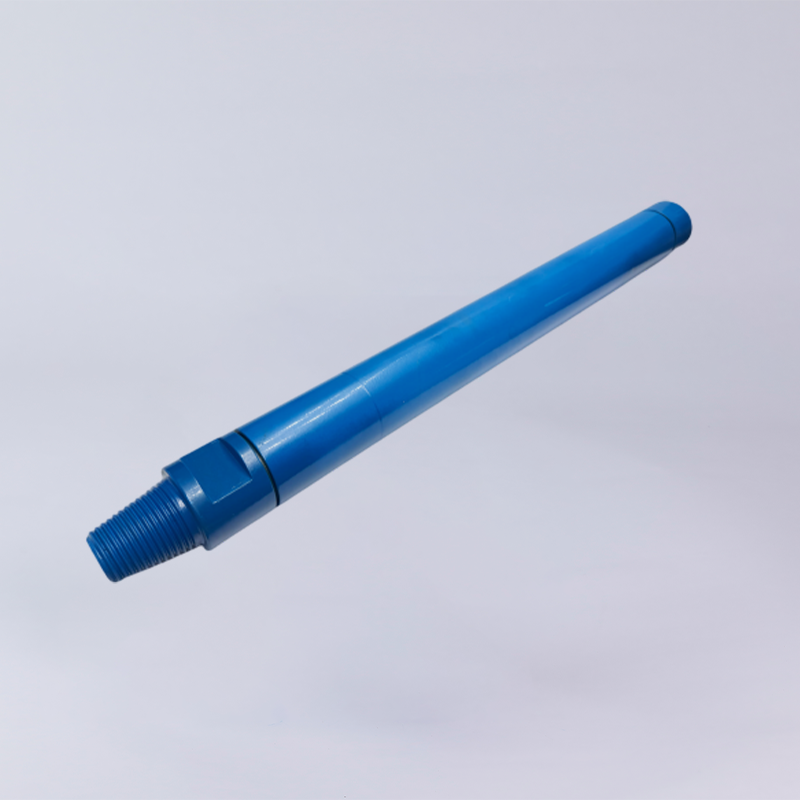
Introduction
Choosing the right drill bit is one of the most important decisions in any drilling project. Whether you're working in mining, quarrying, water well drilling, geothermal drilling, or construction, selecting the appropriate drilling system can significantly affect penetration rate, hole quality, operating costs, and overall project efficiency.
One of the most common questions engineers, drilling contractors, and equipment buyers ask is:
- What is the difference between a rotary drill bit and a DTH (Down-the-Hole) drill bit?
- Can rotary bits and DTH bits be used interchangeably?
- Which drilling method is more efficient in hard rock?
- Which option offers a lower cost per meter?
- How do you choose the right drill bit for different geological conditions?
Although both tools are designed to create boreholes, rotary drill bits and DTH drill bits operate on completely different drilling principles and are intended for different applications. Rotary drilling relies primarily on rotational torque and weight-on-bit to cut or crush rock. In contrast, DTH drilling combines high-frequency percussion with rotation to achieve superior penetration in hard and abrasive formations.
This guide provides a comprehensive comparison of rotary and DTH drill bits, covering their operating principles, structural differences, suitable rock formations, drilling speed, hole quality, drilling depth, operating costs, equipment requirements, and typical applications. By the end of this article, you'll have a clear understanding of the strengths and limitations of each drilling method, helping you select the most efficient and cost-effective solution for your project.
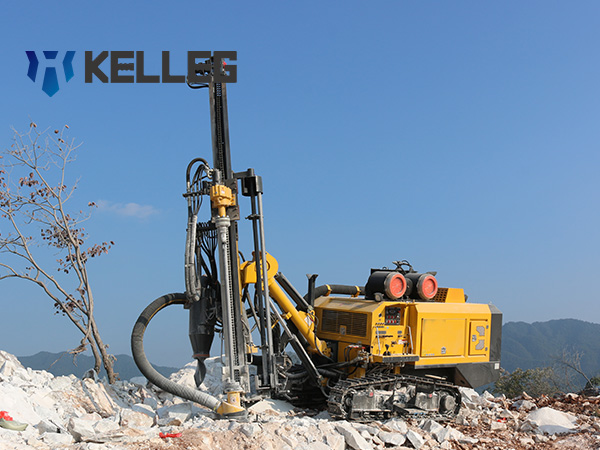
What Is a Rotary Drill Bit?
A rotary drill bit is a drilling tool designed to penetrate rock and soil by using continuous rotational force (torque) combined with weight on bit (WOB). Unlike DTH (Down-the-Hole) drilling, which relies on high-frequency percussion, rotary drilling breaks rock primarily through cutting, scraping, crushing, or shearing as the bit rotates against the formation.
Rotary drill bits are widely used in oil and gas drilling, water well construction, geothermal projects, foundation engineering, and large-diameter mining boreholes. Their ability to efficiently drill deep holes in soft to medium-hard formations makes them among the most widely used drilling tools worldwide.
Common Types of Rotary Drill Bits
Different geological conditions require different rotary bit designs. The most common types include:
- PDC (Polycrystalline Diamond Compact) Bits – Designed with synthetic diamond cutters, PDC bits shear the rock rather than crushing it, delivering high drilling efficiency and long service life in relatively uniform formations.
- Drag Bits – Featuring fixed cutting blades, drag bits are primarily used in soft formations such as clay, sand, and unconsolidated sediments where aggressive cutting action is required.
- Roller Cone Bits – A broader category that includes tricone and other cone-based designs. These bits combine rolling and crushing actions to handle varying rock hardness.
How Does a Rotary Drill Bit Work?
The rotary drilling process relies on two primary forces:
- Rotary Torque – The drilling rig rotates the drill rod and bit, allowing the cutting structure to engage the rock surface continuously.
- Weight on Bit (WOB) – Downward force applied by the drilling rig presses the bit against the formation, enabling the cutters or cones to penetrate and break the rock.
As the bit rotates under constant pressure, it cuts, scrapes, or crushes the formation. The resulting rock cuttings are then removed from the borehole using drilling fluid, air, or another circulation system, allowing drilling to continue efficiently.
Best Applications for Rotary Drill Bits
Rotary drill bits perform best in applications where high-impact percussion is unnecessary. They are commonly recommended for:
- Soft to medium-hard rock formations, including clay, sandstone, shale, limestone, and unconsolidated soils.
- Large-diameter boreholes used in water wells, foundation piling, and oil and gas exploration.
- Deep drilling projects where continuous rotary drilling provides stable performance and efficient penetration.
- Projects requiring versatile bit options, allowing operators to select different bit designs based on changing geological conditions.
Although rotary drill bits can drill certain hard rock formations, their penetration rate generally decreases as rock hardness increases. In highly abrasive or competent formations such as granite, basalt, and quartzite, DTH drill bits typically deliver higher drilling efficiency, straighter boreholes, and lower cost per meter, making them the preferred choice for many mining and quarrying applications.
Now that we've explored how rotary drill bits work, let's examine DTH drill bits and see why they have become the preferred solution for hard rock drilling applications.
What Is a DTH Drill Bit?
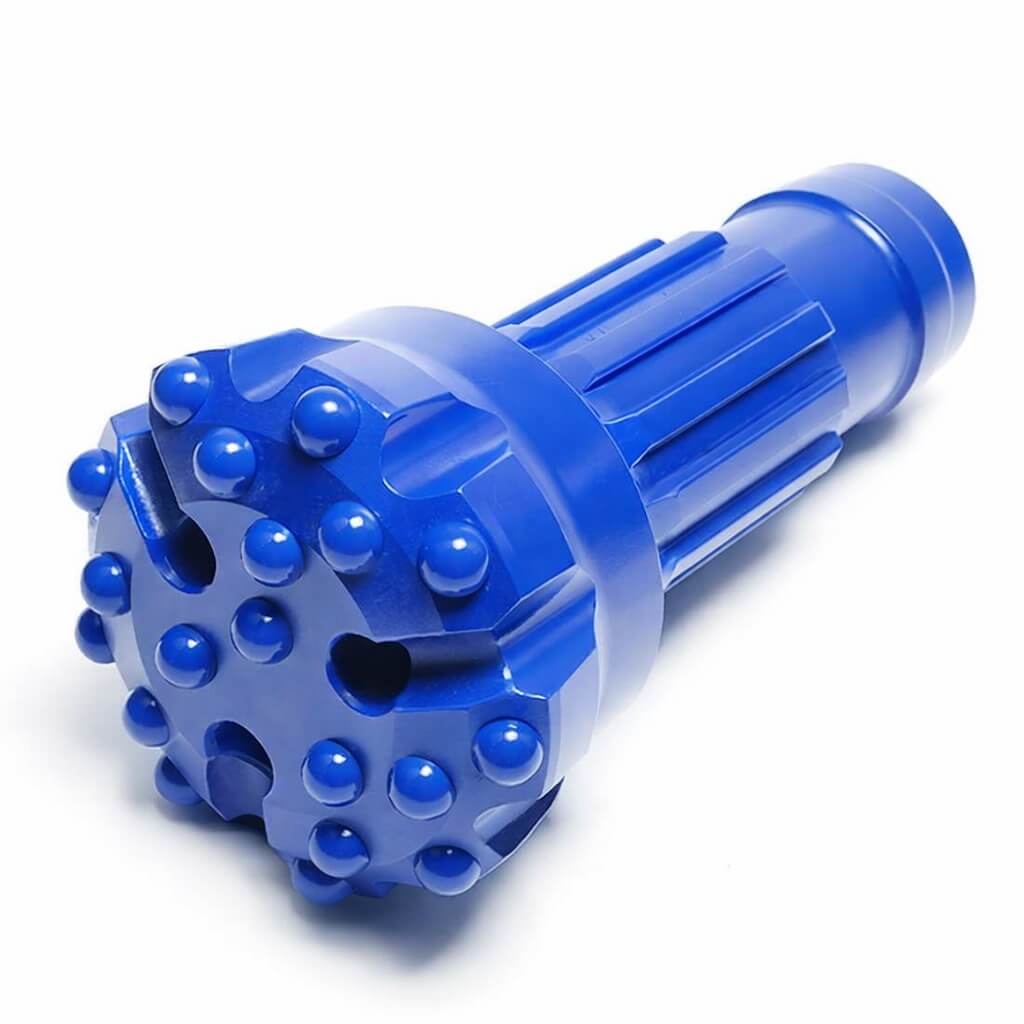
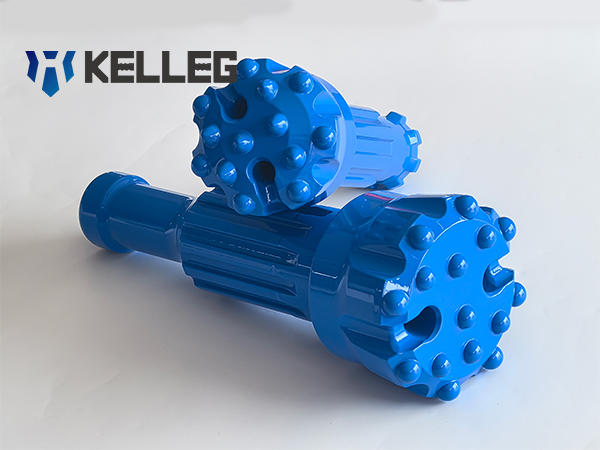
A DTH (Down-the-Hole) drill bit is a percussion drilling tool specifically engineered for drilling in hard, abrasive, and fractured rock formations. Unlike rotary drill bits that rely primarily on rotational cutting, DTH drill bits are designed to work together with a DTH hammer, using high-frequency impact energy combined with rotary motion to achieve fast penetration rates and excellent hole straightness.
DTH drill bits are widely used in mining, quarrying, blast hole drilling, water well drilling, geothermal projects, foundation engineering, and infrastructure construction where drilling efficiency and hole accuracy are critical.
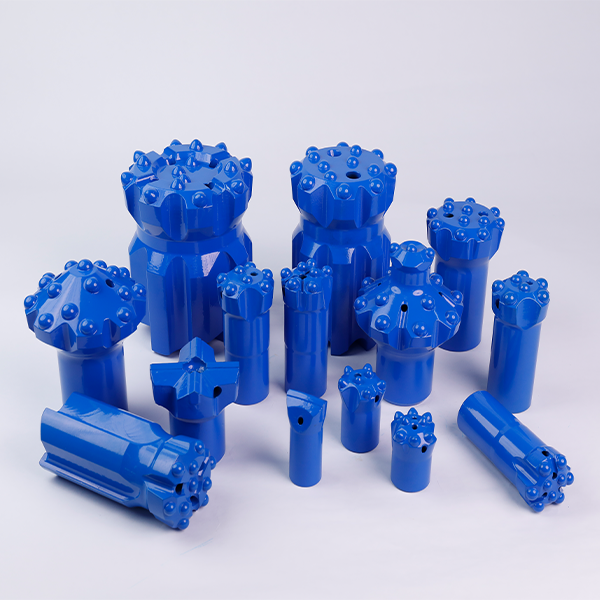
To withstand severe impact loads, modern DTH drill bits are manufactured from high-strength alloy steel and feature wear-resistant tungsten carbide buttons. Many designs also incorporate optimized head geometry, reinforced steel around the carbide inserts, deep flushing grooves, and aggressive face configurations, allowing the bit to maintain high drilling performance while improving durability and reducing premature wear.
How Does a DTH Drill Bit Work?
A DTH drill bit operates as part of a complete Down-the-Hole drilling system, which consists of a DTH hammer, drill pipes, an air compressor, and the drill bit itself.
The drilling process combines high-frequency percussion with continuous rotation:
- Compressed air is delivered through the drill pipe to power the DTH hammer.
- Inside the hammer, a piston repeatedly strikes the shank of the DTH drill bit, transferring powerful impact energy directly to the rock face.
- At the same time, the drill pipe slowly rotates, allowing the carbide buttons to strike fresh rock with each impact.
- The repeated percussion fractures the rock, while the rotational movement ensures uniform hole formation and even wear of the carbide buttons.
- Finally, the compressed air exits through the flushing holes in the bit, removing rock cuttings from the borehole, cooling the drill bit, and preventing regrinding of debris, which helps maintain consistent drilling efficiency.
Key Features of DTH Drill Bits
Compared with conventional rotary drill bits, DTH drill bits offer several distinctive design advantages:
- High-impact energy transfer for efficient drilling in hard and abrasive rock.
- Tungsten carbide buttons that provide excellent wear resistance and long service life.
- Optimized face designs (Flat Face, Concave Face, Convex Face, and Drop Center) to suit different rock formations and drilling conditions.
- Flushing holes that improve cuttings removal and reduce the risk of hole blockage.
- Compatibility with various hammer shanks, including DHD, QL, Mission, SD, COP, BR, and NUMA series.
Best Applications for DTH Drill Bits
DTH drill bits perform best in applications requiring high drilling efficiency, accurate boreholes, and reliable performance in hard rock, including:
- Surface and underground mining
- Quarry and aggregate production
- Blast hole drilling
- Water well drilling in hard formations
- Geothermal drilling
- Foundation and piling construction
- Anchor and slope stabilization projects
Because the hammer is positioned directly behind the drill bit, impact energy is transmitted with minimal loss. This results in higher penetration rates, straighter holes, and lower drilling costs in hard rock formations compared with conventional rotary drilling methods.
Now that we've examined how both drilling systems work, let's compare rotary drill bits and DTH drill bits side by side to understand their differences in drilling performance, cost, rock suitability, and typical applications.
Rotary Drill Bits vs DTH Drill Bits: Quick Comparison
Although both rotary drill bits and DTH (Down-the-Hole) drill bits are used to drill boreholes, they are designed for fundamentally different drilling systems and geological conditions. Rotary drill bits rely on continuous rotation and weight on bit (WOB) to cut or crush the formation, while DTH drill bits use high-frequency percussion generated by a DTH hammer in combination with slow rotation to fracture hard rock efficiently.
The table below highlights the key differences between the two drilling methods.
| Feature | Rotary Drill Bits | DTH Drill Bits |
|---|---|---|
| Drilling Principle | Continuous rotary cutting or crushing | High-frequency percussion combined with slow rotation |
| Power Source | Rotary torque and weight on bit (WOB) | Compressed air-powered DTH hammer |
| Rock Breaking Method | Cutting, scraping, shearing, or crushing | Impact fracturing with tungsten carbide buttons |
| Best Rock Formations | Soft to medium-hard formations | Hard, abrasive, and fractured rock |
| Typical Drill Bit Types | PDC Bit, Drag Bit, Roller Cone Bit | Button Bit (Flat Face, Concave Face, Convex Face, Drop Center) |
| Penetration Rate | High in soft formations; decreases in hard rock | Very high in hard rock with consistent performance |
| Hole Straightness | Good, but deviation increases with depth | Excellent due to direct impact behind the bit |
| Typical Hole Diameter | Suitable for medium to very large diameter holes | Typically 90–450 mm, depending on hammer size |
| Maximum Hole Depth | Ideal for deep and ultra-deep drilling | Excellent for shallow to medium-deep holes and blast holes |
| Cuttings Removal | Drilling fluid, mud, or air circulation | High-pressure compressed air through flushing holes |
| Equipment Required | Rotary drilling rig | DTH drilling rig, DTH hammer, and air compressor |
| Initial Equipment Cost | Generally lower | Higher because of the hammer and compressor |
| Operating Efficiency | Best in soft and medium formations | Best in hard rock with lower cost per meter |
| Typical Applications | Oil & gas, water wells, geothermal, foundation drilling | Mining, quarrying, blast hole drilling, water wells, anchoring, construction |
The choice between a rotary drill bit and a DTH drill bit depends primarily on rock hardness, drilling depth, hole diameter, and project objectives.
Choose Rotary Drill Bits if your project involves:
- Soft to medium-hard formations
- Large-diameter or very deep boreholes
- Oil and gas drilling
- Water well or geothermal drilling in relatively soft ground
- Lower initial equipment investment
Choose DTH Drill Bits if your project requires:
- Fast drilling in hard or abrasive rock
- High hole straightness and accuracy
- Efficient blast hole drilling
- Reduced borehole deviation
- Lower drilling cost per meter in mining and quarrying applications
In general, rotary drilling is more suitable for softer formations and deep drilling, while DTH drilling offers superior penetration rates, straighter boreholes, and higher productivity in hard rock environments. Selecting the appropriate drilling system based on geological conditions and project requirements can significantly improve drilling efficiency and reduce overall operating costs.
Key Differences Between Rotary Drill Bits and DTH Drill Bits
Although both rotary drill bits and DTH (Down-the-Hole) drill bits are designed to create boreholes, their drilling performance differs significantly because they use completely different rock-breaking mechanisms. These differences directly affect drilling speed, hole accuracy, bit life, operating costs, and suitability for different geological conditions.
Understanding these differences helps drilling contractors and engineers select the right drilling method for their specific applications.
Rock Breaking Mechanism: Cutting vs Impact Fracturing
The fundamental difference between rotary drilling and DTH drilling lies in how they break rock.
Rotary Drill Bits: Cutting, Shearing, and Crushing
Rotary drill bits rely mainly on continuous rotation torque and weight on bit (WOB) to penetrate the formation.
During drilling:
- The bit rotates against the rock surface.
- Cutting elements scrape, shear, or crush the formation.
- The applied downward force helps the cutters penetrate deeper into the rock.
Depending on the bit design, different mechanisms are involved:
- PDC bits primarily use shearing action.
- Drag bits cut and scrape softer formations.
- Tricone bits crush rock through rolling cones and teeth.
This drilling method works efficiently in soft to medium-hard formations where the rock can be effectively cut or crushed by continuous rotation.
DTH Drill Bits: Impact Energy and Rock Fracturing
DTH drill bits use a completely different approach. Instead of relying only on rotation, they combine:
- High-frequency percussion impact
- Rotary movement
- Compressed air flushing
A DTH hammer located directly behind the drill bit delivers repeated impact energy to the bit face. The carbide buttons strike the rock surface at high frequency, creating cracks and fractures that break the formation.
The process includes:
- The hammer piston generates impact force.
- The impact energy transfers directly to the drill bit.
- Tungsten carbide buttons fracture the rock.
- Rotation allows the bit to attack fresh rock areas.
- Compressed air removes cuttings from the hole.
Because impact energy is delivered directly at the bottom of the hole, DTH drilling is particularly effective in hard and abrasive formations.
Performance in Different Rock Formations
Rock properties are one of the most important factors when choosing between rotary and DTH drilling.
Rotary Drill Bits: Best for Soft to Medium Formations
Rotary drill bits are commonly used in:
- Clay
- Sandstone
- Limestone
- Shale
- Soft sedimentary formations
Advantages include:
- Good penetration rate in softer materials
- Lower energy consumption
- Ability to drill very deep holes
- Suitable for large-diameter drilling applications
Rotary drilling is widely used in:
- Oil and gas drilling
- Water wells
- Geothermal projects
- Foundation drilling
However, when drilling extremely hard rock, penetration rates may decrease significantly because the cutting mechanism becomes less effective.
DTH Drill Bits: Best for Hard and Abrasive Rock
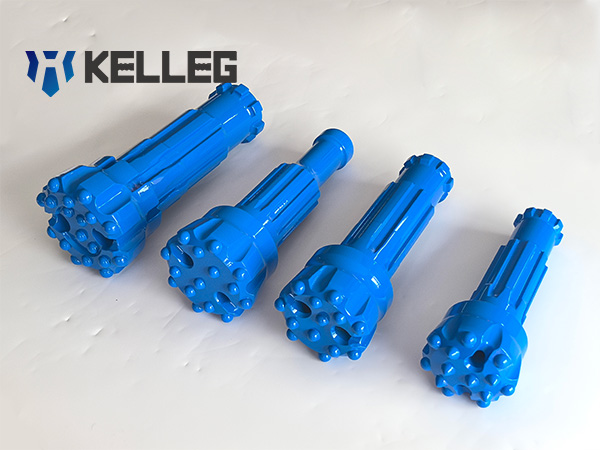
DTH drill bits are designed for challenging geological conditions, including:
- Granite
- Basalt
- Quartzite
- Hard ore formations
- Highly abrasive rock
Advantages include:
- Higher penetration rate in hard rock
- Better hole accuracy
- Lower borehole deviation
- Excellent energy transfer efficiency
DTH drilling is commonly used in:
- Mining blast hole drilling
- Quarrying
- Hard rock water wells
- Slope stabilization
- Underground construction
Drilling Speed and Penetration Rate: Which Drills Faster?
A common question is:
"Which is faster, rotary drilling or DTH drilling?"
The answer depends mainly on the rock formation.
In Soft Rock: Rotary Drilling Is Usually Faster
For softer formations, rotary drilling often provides higher productivity because:
- The rock can be easily cut by the bit.
- No additional compressor is required.
- Continuous rotation provides efficient material removal.
In Hard Rock: DTH Drilling Is Usually Faster
For hard and abrasive formations, DTH drilling generally delivers superior penetration rates because:
- Impact energy effectively fractures strong rock.
- The hammer delivers energy directly at the bit.
- Less energy is lost through the drill rod.
- The cutting structure experiences less sliding wear.
The actual drilling speed depends on several factors:
- Rock hardness and abrasiveness
- Drill bit design
- Carbide button type and layout
- Air pressure and airflow
- Rotation speed
- Compressor capacity
- Operator experience
Therefore, the fastest drilling method is not determined only by the equipment type, but by how well the drilling system matches the geological conditions.
Hole Accuracy and Deviation Control
Hole deviation is a critical factor in mining, quarrying, and precision drilling applications.
Rotary Drill Bits vs DTH Drill Bits Hole Accuracy Comparison
| Feature | Rotary Drill Bits | DTH Drill Bits |
|---|---|---|
| Hole deviation risk | Higher in hard formations | Lower deviation |
| Hole straightness | Good | Excellent |
| Energy transmission | Through drill pipe | Direct impact behind bit |
| Suitable applications | Deep wells, large holes | Blast holes, precision drilling |
Why Does DTH Drill Bit Provide Straighter Holes?
In rotary drilling, the cutting force is transmitted through the entire drill pipe, which may result in:
- Drill pipe bending
- Increased deviation in fractured formations
- Reduced hole accuracy
In DTH drilling, the hammer is positioned directly above the drill bit, allowing impact energy to act directly on the rock face. This improves:
- Energy transfer efficiency
- Borehole straightness
- Drilling accuracy
For mining blast holes where hole deviation affects blasting performance, DTH drilling is often the preferred solution.
Bit Life and Wear Resistance
Drill bit service life directly affects drilling cost and productivity.
Rotary Drill Bit Wear
Common failure modes include:
- Cutter wear
- Tooth damage
- Roller cone bearing failure
Wear rate depends on:
- Formation hardness
- Bit design
- Drilling parameters
- Weight on bit
DTH Drill Bit Wear
Typical wear areas include:
- Tungsten carbide button wear
- Face erosion
- Gauge button wear
- Button breakage or loss
DTH bit service life can be improved through:
- Selecting the correct carbide button shape
- Optimizing flushing performance
- Maintaining proper air pressure
- Choosing the right face design for the formation
For example:
- Spherical buttons provide better impact resistance.
- Ballistic buttons offer faster penetration.
- Conical buttons provide aggressive cutting performance.
Cost Comparison: Initial Investment vs Cost Per Meter
When comparing rotary and DTH drilling costs, the lowest equipment price does not always mean the lowest total drilling cost.
Initial Equipment Cost
Rotary Drilling System
Advantages:
✓ Lower initial investment
✓ Simpler equipment configuration
✓ Lower auxiliary equipment requirements
DTH Drilling System
Initial investment is usually higher because it requires:
- DTH hammer
- High-pressure air compressor
However, the higher initial cost can often be recovered through improved drilling efficiency.
Operating Cost and Cost Per Meter
In hard rock applications, DTH drilling often achieves lower cost per meter because of:
- Faster penetration rate
- Longer bit service life
- Reduced hole deviation
- Fewer drilling problems
- Improved blasting efficiency
Therefore:
- Soft formations → Rotary drilling may provide lower overall cost
- Hard formations → DTH drilling often provides better cost efficiency
The most economical drilling method is the one that achieves the lowest total cost per meter while maintaining required hole quality and productivity.
When Should You Choose Rotary Drill Bits?
Choosing the right drilling method depends mainly on rock conditions, hole diameter, drilling depth, equipment availability, and project requirements. Although DTH drill bits provide excellent performance in hard rock, rotary drill bits remain the preferred choice for many applications where continuous rotation, large-diameter drilling, and deep-hole capability are more important than impact energy.
You should consider using rotary drill bits when your project involves softer formations, large boreholes, deep drilling requirements, or applications where a rotary drilling system provides better overall efficiency.
When Drilling Soft to Medium-Hard Formations
Rotary drill bits are highly effective in formations where rock can be efficiently removed through cutting, shearing, or crushing.
Typical formations include:
- Clay
- Sand
- Shale
- Sandstone
- Limestone
- Weathered rock
- Soft sedimentary formations
In these conditions, rotary drilling can achieve high penetration rates without the need for high-impact percussion energy.
Compared with DTH drilling, rotary systems often provide:
- Lower energy consumption
- Simpler operation
- Reduced equipment requirements
- Better cost efficiency
When Large-Diameter Holes Are Required
One of the biggest advantages of rotary drilling is its ability to create large-diameter boreholes.
Rotary drilling is commonly selected for projects requiring:
- Large foundation piles
- Water wells
- Oil and gas wells
- Geothermal wells
- Large-diameter exploration holes
For extremely large hole sizes, rotary drilling equipment generally offers more flexibility and efficiency than conventional DTH drilling tools.
When Deep Hole Drilling Is the Priority
Rotary drilling is widely used in deep drilling applications because the system can efficiently transmit rotation through long drill strings.
Typical applications include:
- Oil and gas exploration
- Deep water wells
- Geothermal drilling
- Scientific drilling projects
The ability to continuously drill deep formations with mud or fluid circulation makes rotary drilling suitable for projects where hole depth is a primary requirement.
When Lower Initial Equipment Investment Is Important
A rotary drilling system usually requires fewer specialized components compared with a DTH system.
A typical rotary drilling setup may include:
- Rotary drilling rig
- Drill pipes
- Rotary drill bit
- Drilling fluid circulation system
A DTH system additionally requires:
- DTH hammer
- High-pressure air compressor
Therefore, for projects with limited budgets or occasional drilling requirements, rotary drilling may provide a lower initial investment.
However, equipment cost should not be the only consideration. In hard rock applications, the higher productivity of DTH drilling may result in a lower total cost per meter.
When Drilling Conditions Require Fluid Circulation
Rotary drilling has an advantage in formations where drilling fluid management is important.
Drilling fluids can provide:
- Cuttings transportation
- Borehole wall stabilization
- Cooling of drilling tools
- Pressure control in unstable formations
This makes rotary drilling especially suitable for:
- Oil and gas wells
- Water wells
- Unstable formations
- Deep boreholes
Typical Applications of Rotary Drill Bits
Rotary drill bits are commonly used in:
Oil and Gas Drilling
Rotary drilling remains the dominant technology for deep oil and gas wells because of its ability to handle extreme depths and complex geological conditions.
Water Well Drilling
Rotary bits are widely used for groundwater exploration and well construction, especially in soft to medium formations.
Geothermal Drilling
Deep geothermal wells often rely on rotary drilling systems due to their depth requirements and circulation advantages.
Foundation and Construction Drilling
Large-diameter foundation piles and infrastructure projects frequently use rotary drilling equipment.
Mineral Exploration
Rotary drilling can be used for exploration holes where deep penetration and continuous sampling are required.
Rotary Drill Bits Are the Better Choice When:
| Project Requirement | Recommended Choice |
|---|---|
| Soft to medium rock formations | Rotary Drill Bit |
| Very large hole diameter | Rotary Drill Bit |
| Deep drilling projects | Rotary Drill Bit |
| Oil, gas, and geothermal wells | Rotary Drill Bit |
| Lower initial equipment investment | Rotary Drill Bit |
| Drilling with mud circulation | Rotary Drill Bit |
Rotary drill bits are the preferred solution when drilling conditions favor continuous rotation rather than impact energy. They are especially suitable for soft to medium formations, large-diameter holes, deep wells, and projects requiring fluid circulation.
However, when drilling moves into hard, abrasive rock formations such as granite, basalt, or hard ore, DTH drill bits usually provide higher penetration rates, better hole accuracy, and improved drilling efficiency.
Understanding the geological conditions and project requirements is the key to selecting the most effective drilling method.
When Should You Choose DTH Drill Bits?
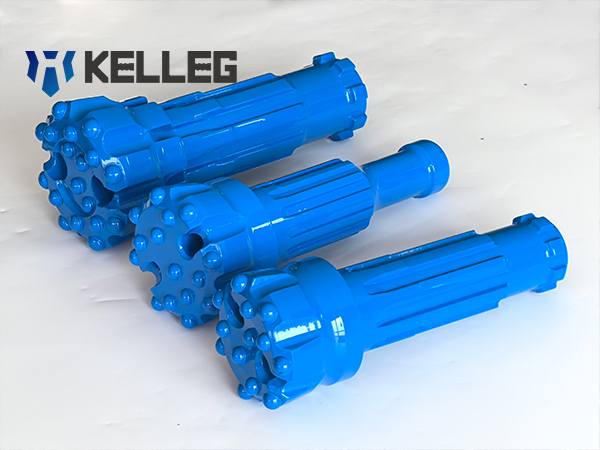
Selecting the right drilling method depends on geological conditions, drilling objectives, hole requirements, and overall project efficiency. While rotary drill bits perform well in soft and medium formations, DTH (Down-the-Hole) drill bits are the preferred choice for hard rock drilling applications where high penetration rates, hole accuracy, and reliable performance are required.
DTH drilling uses a compressed-air-powered hammer positioned directly behind the drill bit to deliver high-frequency impact energy. This design allows the bit to efficiently fracture hard rock while maintaining excellent drilling accuracy and productivity.
You should consider using DTH drill bits when your project involves hard and abrasive formations, blast hole drilling, precise boreholes, or applications where drilling performance directly affects project costs.
When Drilling Hard and Abrasive Rock Formations
The biggest advantage of DTH drill bits is their ability to efficiently penetrate hard rock formations that are challenging for conventional rotary drilling.
Typical formations include:
- Granite
- Basalt
- Quartzite
- Hard limestone
- Iron ore
- Copper ore
- Highly abrasive rock formations
In these conditions, DTH drilling provides:
- Higher penetration rates
- Better energy transfer efficiency
- More stable drilling performance
- Longer tool life
The impact energy generated by the DTH hammer directly fractures the rock instead of relying only on cutting action, making it especially effective in strong and abrasive formations.
When High Drilling Accuracy and Straight Holes Are Required
Borehole deviation is a major concern in mining, quarrying, and engineering projects because inaccurate holes can reduce drilling efficiency and affect blasting results.
DTH drill bits are ideal when projects require:
- Straight blast holes
- Accurate hole positioning
- Controlled drilling direction
- Reduced deviation in deep holes
The reason is that the DTH hammer is located immediately behind the drill bit, allowing impact energy to transfer directly to the rock face.
This reduces energy loss through the drill pipe and improves:
- Hole straightness
- Drilling stability
- Overall drilling precision
For applications such as mining blast holes and slope anchoring, DTH drilling is often preferred because hole accuracy directly impacts project quality.
When Fast Penetration in Hard Rock Is the Priority
A common question is:
"Why is DTH drilling faster than rotary drilling in hard rock?"
The answer lies in the rock-breaking mechanism.
In hard formations, rotary drilling relies mainly on cutting and crushing, which can result in:
- Lower penetration rates
- Higher cutter wear
- Increased drilling resistance
DTH drilling uses repeated impact forces to fracture the rock, allowing the bit to penetrate more effectively.
Factors that influence DTH drilling speed include:
- Rock hardness and abrasiveness
- Air pressure
- Compressor capacity
- Hammer efficiency
- Bit face design
- Carbide button selection
- Rotation speed
When properly matched with the formation, DTH drilling can significantly improve productivity and reduce drilling time.
When Drilling Blast Holes for Mining and Quarrying
DTH drill bits are one of the most widely used solutions for surface mining, underground mining, and quarry blast hole drilling.
Typical applications include:
- Open-pit mining
- Underground mining
- Aggregate quarrying
- Dimension stone quarrying
Mining operations require:
- Consistent hole diameter
- Accurate hole depth
- Minimal deviation
- High drilling efficiency
DTH drilling tools meet these requirements by providing stable performance in hard rock environments.
Better hole quality also improves:
- Explosive distribution
- Rock fragmentation
- Blasting efficiency
- Overall mining productivity
When Drilling Hard Rock Water Wells
Although rotary drilling is commonly used in water well projects, DTH drilling is often the better choice when groundwater exploration involves hard rock formations.
DTH drill bits are widely used for:
- Granite aquifers
- Fractured rock formations
- Mountainous areas
- Deep hard rock wells
Advantages include:
- Faster penetration
- Cleaner boreholes
- Reduced drilling time
- Better hole control
Compressed air flushing also helps efficiently remove cuttings from deep hard rock boreholes.
When Lower Cost Per Meter Matters
Although DTH drilling systems usually require a higher initial investment due to the need for:
- DTH hammer
- Air compressor
- DTH drill rig
the total drilling cost can be lower in hard rock applications.
DTH drilling reduces cost per meter through:
- Higher penetration rates
- Longer bit service life
- Fewer drilling problems
- Reduced hole deviation
- Improved blasting results
For mining and quarrying projects, productivity and cost per drilled meter are often more important than the initial equipment price.
Typical Applications of DTH Drill Bits
DTH drill bits are commonly used in:
| Application | Why Choose DTH Drilling |
|---|---|
| Mining blast hole drilling | Fast penetration and accurate holes |
| Quarrying | Efficient hard rock drilling |
| Hard rock water wells | Excellent performance in granite and fractured rock |
| Geothermal drilling | Suitable for challenging formations |
| Slope stabilization | Accurate anchor holes |
| Foundation drilling | Reliable performance in rock layers |
| Exploration drilling | Effective penetration in hard formations |
DTH Drill Bits Are the Better Choice When:
| Project Requirement | Recommended Choice |
|---|---|
| Hard and abrasive rock | DTH Drill Bit |
| Granite, basalt, quartzite drilling | DTH Drill Bit |
| Mining and quarry blast holes | DTH Drill Bit |
| High hole accuracy required | DTH Drill Bit |
| Low borehole deviation required | DTH Drill Bit |
| High penetration rate in hard rock | DTH Drill Bit |
DTH drill bits are the ideal solution for projects where hard rock performance, drilling accuracy, and productivity are critical factors.
Compared with rotary drilling, DTH drilling provides superior performance in hard and abrasive formations by combining high-frequency impact energy with controlled rotation. This makes them widely used in mining, quarrying, hard rock water wells, and geotechnical engineering projects.
For projects involving strong rock formations, accurate boreholes, and high drilling efficiency requirements, choosing the right DTH drill bit and hammer combination can significantly improve drilling performance and reduce overall operating costs.
Rotary Drilling vs DTH Drilling Applications by Industry
The best drilling method is not determined by the drill bit alone. It depends on the industry, geological conditions, hole requirements, and project objectives.
Both rotary drill bits and DTH drill bits have their own advantages. Rotary drilling is commonly selected for deep drilling, large-diameter holes, and softer formations, while DTH drilling is widely preferred for hard rock applications requiring high penetration rates, accurate boreholes, and reliable performance.
The following comparison explains how rotary and DTH drilling tools are used across different industries.
Mining and Quarrying
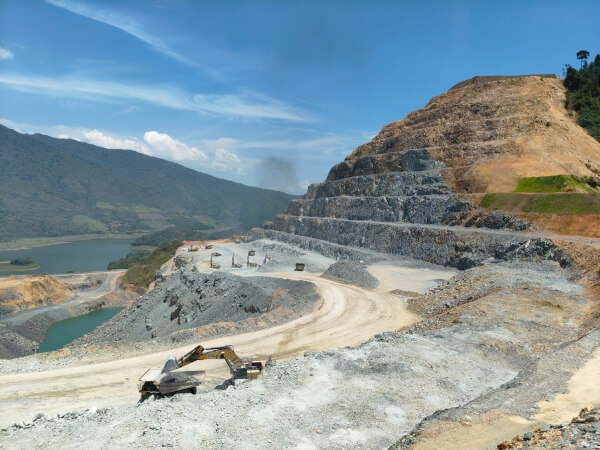
Recommended Choice: DTH Drill Bits
Mining and quarrying are among the most common applications for DTH drilling.
Typical operations include:
- Open-pit mine blast hole drilling
- Underground mine drilling
- Quarry production drilling
- Rock fragmentation drilling
Mining formations often include:
- Granite
- Basalt
- Iron ore
- Copper ore
- Hard rock formations
DTH drilling is preferred because it provides:
- High penetration rates in hard rock
- Excellent hole straightness
- Reduced borehole deviation
- Consistent hole diameter
- Improved blasting performance
Accurate blast holes help optimize:
- Explosive distribution
- Rock fragmentation
- Excavation efficiency
- Overall mining productivity
Why Not Rotary Drilling?
Rotary drilling can be effective in softer formations, but in hard rock mining applications it may experience:
- Lower penetration rates
- Higher cutter wear
- Reduced drilling efficiency
For hard rock mining and quarrying, DTH drilling is usually the more efficient solution.
Water Well Drilling
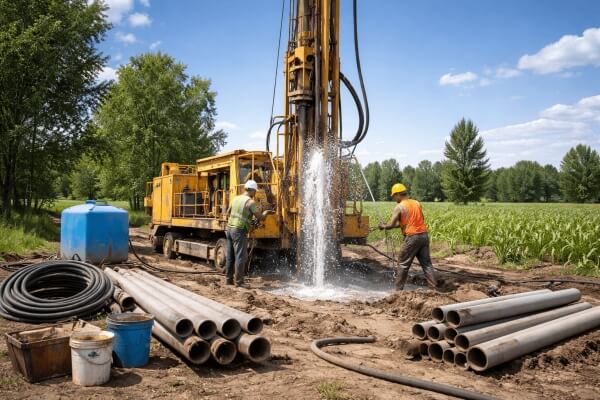
Recommended Choice: Depends on Formation Conditions
Both rotary and DTH drilling methods are widely used in water well construction.
The best choice depends mainly on the geological conditions.
Rotary Drilling for Water Wells
Rotary drilling is suitable for:
- Soft sediments
- Sand
- Clay
- Loose formations
- Deep water wells
Advantages:
- Suitable for large diameter wells
- Effective cuttings removal with drilling fluids
- Capable of drilling very deep boreholes
DTH Drilling for Water Wells
DTH drilling is preferred for:
- Hard rock aquifers
- Granite formations
- Mountain areas
- Fractured rock zones
Advantages:
- Faster penetration in hard rock
- Cleaner boreholes
- Better hole straightness
- Efficient air flushing
Selection Guide:
| Formation | Recommended Method |
|---|---|
| Sand and clay | Rotary drilling |
| Soft sedimentary rock | Rotary drilling |
| Granite and basalt | DTH drilling |
| Hard fractured rock | DTH drilling |
Geothermal Drilling
Recommended Choice: Rotary or DTH Depending on Depth and Formation
Geothermal projects often require drilling through complex geological layers.
Rotary drilling is commonly used for:
- Deep geothermal wells
- Large-diameter boreholes
DTH drilling can be advantageous for:
- Shallow geothermal projects
- Hard rock formations
- Faster penetration requirements
Key considerations include:
- Drilling depth
- Formation hardness
- Hole diameter
- Temperature conditions
- Project budget
Foundation and Construction Drilling
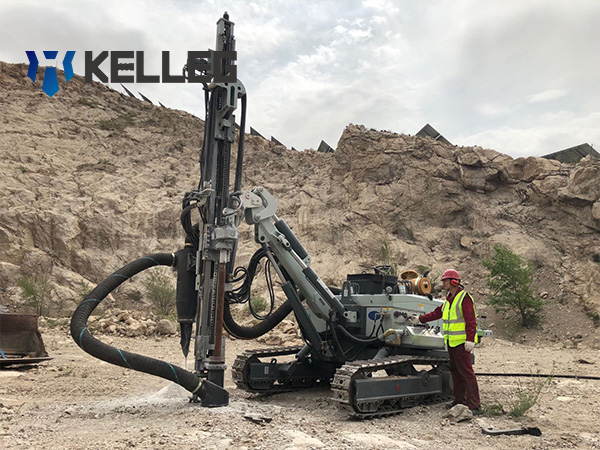
Recommended Choice: Rotary Drilling (Most Cases)
Foundation projects often require:
- Large diameter holes
- High load-bearing capacity
- Stable borehole walls
Common applications:
- Building foundations
- Bridge construction
- Piling projects
- Infrastructure development
Rotary drilling is widely used because it provides:
- Large-diameter drilling capability
- Good control of hole size
- Compatibility with casing systems
- Stable performance in mixed formations
However, when foundations require drilling through hard rock layers, DTH drilling can provide better penetration efficiency.
Slope Stabilization and Rock Anchoring
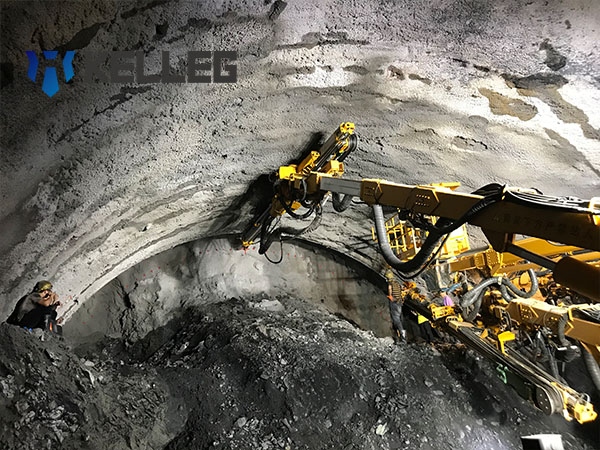
Recommended Choice: DTH Drill Bits
Slope stabilization projects require accurate drilling for:
- Rock bolts
- Anchor cables
- Slope reinforcement
DTH drilling is suitable because it provides:
- Straight anchor holes
- High drilling accuracy
- Efficient hard rock penetration
- Reduced hole deviation
Typical applications include:
- Highway slopes
- Railway construction
- Hydropower projects
- Tunnel portals
- Excavation support
Accurate drilling directly affects anchor installation quality and long-term slope stability.
Oil and Gas Drilling
Recommended Choice: Rotary Drill Bits
Rotary drilling remains the dominant technology in oil and gas exploration.
Reasons include:
- Extremely deep drilling capability
- Large-scale drilling systems
- Mud circulation technology
- Complex well control requirements
Common rotary bit types include:
- Tricone bits
- PDC bits
These tools are designed for:
- Deep wells
- Directional drilling
- Long-duration drilling operations
DTH drilling is generally not the primary choice for conventional oil and gas wells because of depth, temperature, and drilling system requirements.
Exploration Drilling
Recommended Choice: Depends on Geological Conditions
Exploration drilling requires accurate penetration and geological information.
Rotary drilling is commonly used for:
- Deep exploration holes
- Core drilling projects
- Large-depth investigations
DTH drilling is suitable for:
- Hard rock exploration
- Faster non-core drilling
- Mining exploration applications
The selection depends on whether the project prioritizes:
- Sample recovery
- Drilling speed
- Hole accuracy
- Formation hardness
Rotary vs DTH Drilling Applications Comparison Table
| Industry | Rotary Drill Bits | DTH Drill Bits |
|---|---|---|
| Mining | △ Soft formations | ✓ Hard rock blast holes |
| Quarrying | △ Limited use | ✓ Excellent choice |
| Water wells | ✓ Soft formations | ✓ Hard rock wells |
| Geothermal | ✓ Deep wells | ✓ Hard formations |
| Foundation drilling | ✓ Large diameter holes | △ Hard rock sections |
| Slope stabilization | △ Limited | ✓ Anchor drilling |
| Oil & gas | ✓ Primary method | ✕ Rarely used |
| Exploration | ✓ Deep exploration | ✓ Hard rock exploration |
How to Choose Between Rotary and DTH Drilling?
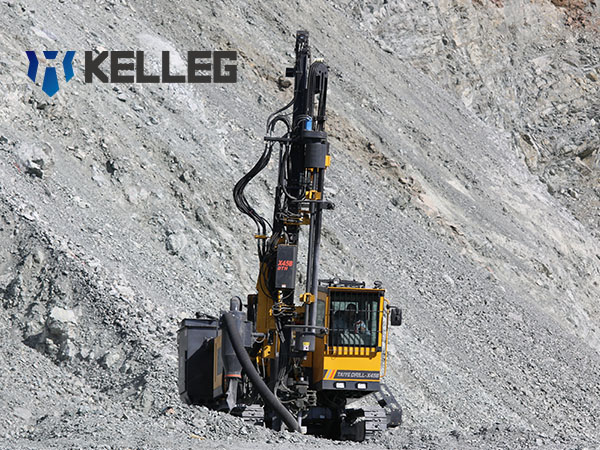
A simple rule is:
Choose Rotary Drilling when:
✓ The formation is soft to medium-hard
✓ Large diameter holes are required
✓ Very deep drilling is needed
✓ Fluid circulation is important
Choose DTH Drilling when:
✓ The formation is hard and abrasive
✓ High penetration rate is required
✓ Hole accuracy is critical
✓ Mining, quarrying, or anchoring applications are involved
The correct drilling method should always be selected based on geological conditions rather than equipment price alone. A properly matched drilling system can significantly improve productivity, reduce downtime, and lower the total cost per meter drilled.
Conclusion
Choosing between rotary drill bits and DTH (Down-the-Hole) drill bits depends primarily on the geological conditions, drilling objectives, and project requirements rather than simply comparing equipment prices.
Rotary drill bits are the preferred choice for applications involving soft to medium-hard formations, large-diameter holes, deep drilling projects, and operations requiring fluid circulation. They are widely used in oil and gas drilling, water wells, geothermal projects, and large-scale foundation construction.
DTH drill bits, on the other hand, are specifically designed for hard and abrasive rock formations where high penetration rates, accurate boreholes, and reliable drilling performance are critical. By combining high-frequency impact energy with rotation, DTH drilling tools deliver excellent results in mining, quarrying, blast hole drilling, hard rock water wells, and geotechnical applications.
In simple terms:
- Choose rotary drilling when depth, diameter, and continuous drilling capability are the priority.
- Choose DTH drilling when hard rock penetration, hole accuracy, and drilling efficiency are the main concerns.
The most effective drilling solution is always the one that matches the rock formation, hole size, drilling depth, equipment configuration, and project goals. Selecting the right drill bit and drilling method can improve penetration performance, extend tool life, reduce downtime, and achieve a lower overall cost per meter.
If you are unsure whether a rotary drill bit or DTH drill bit is the right choice for your application, consult with a professional drilling tool supplier who can recommend the most suitable solution based on your geological conditions and project requirements.