Introduction
Many buyers are attracted by low-priced DTH hammers at first, but later discover a costly problem: short lifespan, frequent breakdowns, and much higher total drilling costs. In real mining and drilling operations, the cheapest option often becomes the most expensive one.
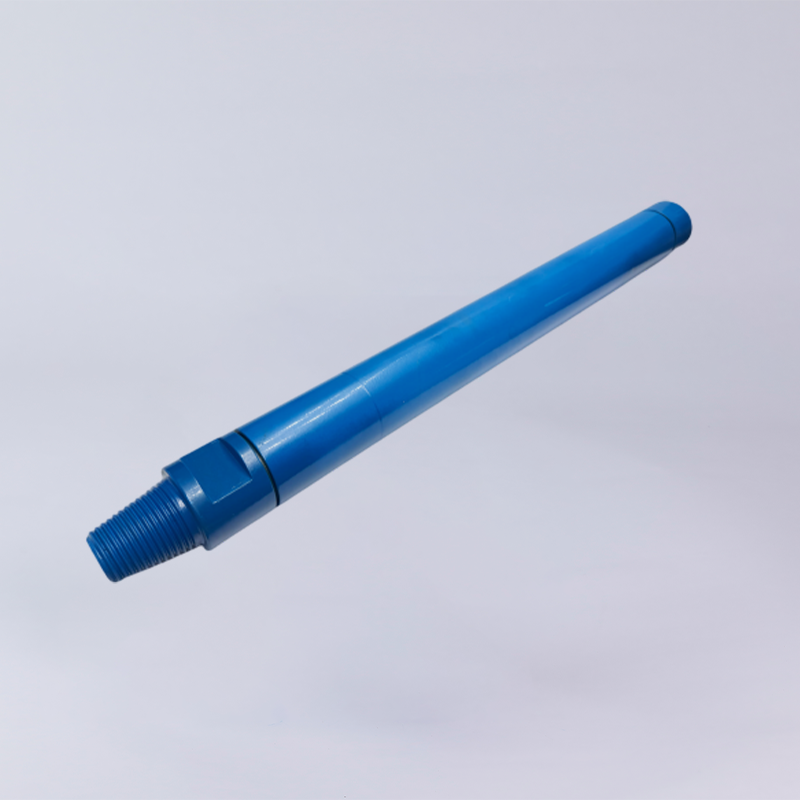
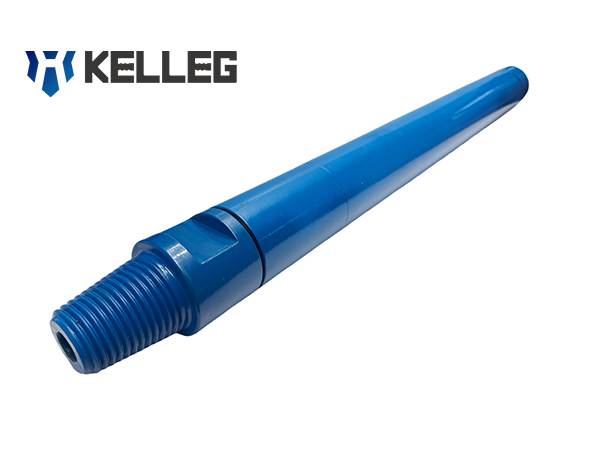
A DTH hammer is a core drilling tool widely used in mining, quarrying, water well drilling, and foundation engineering projects. It directly impacts drilling efficiency, air consumption, and overall project cost.
In today’s global market, DTH hammer prices vary dramatically—from a few hundred dollars for basic models to over ten thousand dollars for high-performance, depending on design, material quality, and application level.
This wide price gap raises three key questions for most buyers:
- Why does the price vary so much between different DTH hammers?
- What is a fair and realistic price level in 2026?
- How can buyers avoid overpaying while ensuring performance and long service life?
Understanding these factors is essential if you want to control drilling costs, avoid low-quality equipment, and make a smart purchasing decision based on real operating conditions—not just upfront price.
DTH Hammer Price Range in 2026
Understanding the price range of a DTH hammer is essential before making a purchasing decision. The market varies widely depending on size, application, material quality, and manufacturing standards.
A DTH hammer is not a one-price product. Instead, its cost is determined by performance requirements, working conditions, and expected service life. As a result, prices in 2026 can range from a few hundred dollars to over $10,000.
Main Size & Model Price Ranges (3”, 4”, 5”, 6”, 8”+)
DTH hammer pricing is closely linked to diameter size and application depth. Generally, larger hammers require stronger materials, higher air consumption capacity, and more complex internal structures.
Typical Price by Size
- 3-inch DTH hammer: $150 – $500 → Light drilling, small water wells, geotechnical work
- 4-inch DTH hammer: $200 – $800 → Construction, shallow mining, general drilling
- 5-inch DTH hammer: $300 – $1,200 → Most common mining and quarry applications
- 6-inch DTH hammer: $500 – $2,000 → Medium-depth blast hole drilling
- 8-inch DTH hammer: $1,000 – $4,000+ → Large-scale mining and high-volume production
- 8 inch+ / Heavy-duty models: $3,000 – $10,000+ → Deep mining, large diameter blasting, high air pressure systems
The price increases sharply after 6 inches because both air consumption requirements and structural strength demands rise significantly.
Low-End vs Mid-End vs High-End Price Comparison
Beyond size, DTH hammers are also categorized by quality level and performance class. These categories reflect material grade, machining precision, and expected lifespan.
Low-End Segment
Price range: $100 – $500
- Basic steel body construction
- Shorter service life
- Suitable for light-duty or cost-sensitive projects
Risk: lower upfront cost, but higher failure rate and frequent replacement
Mid-End Segment (Most Common Choice)
Price range: $500 – $2,000
- Improved alloy steel and heat treatment
- Balanced performance and durability
- Better air efficiency and stability
- Widely used in mining and quarry operations
Best balance between cost and performance
High-End Segment
Price range: $2,000 – $10,000+
- Premium-grade materials and precision machining
- Advanced airflow design for higher efficiency
- Extended lifespan under extreme rock conditions
- Used in large mining and demanding engineering projects
Key advantage: lowest drilling cost per meter in long-term operation
What Affects DTH Hammer Price?
A single factor does not determine the price of a DTH hammer. Instead, it is the result of multiple technical, manufacturing, and commercial variables. Understanding these factors helps buyers evaluate whether a price is reasonable and avoid overpaying for low-value products.
Material Quality (Steel Grade & Heat Treatment)
Material is one of the most important cost drivers in DTH hammer manufacturing.
- Alloy steel grade selection
- Wear resistance performance
- Heat treatment process quality (hardening & tempering)
Higher-grade materials and advanced heat treatment processes can increase cost by 20%–50%, but significantly improve service life and reliability.
Manufacturing Precision (Machining Quality)
Precision machining directly affects drilling stability and efficiency.
- CNC machining level and accuracy
- Internal air channel design optimization
- Tolerance control of key components
Higher precision reduces air leakage, improves energy transfer, and lowers fuel/air consumption during drilling operations.
Hammer Size & Diameter
Size is one of the most direct pricing factors.
- Common sizes: 3”, 4”, 5”, 6”, 8”, 10”
- Larger diameter = more material + higher structural strength requirement
As size increases, production cost rises significantly due to stronger impact force requirements and heavier internal components.
Working Pressure Type
Different working pressure systems lead to different performance levels and costs:
- Low-pressure DTH hammer
- Medium-pressure DTH hammer
- High-pressure DTH hammer
High-pressure models are more expensive but deliver faster penetration rates and better efficiency in hard rock formations.
Brand vs OEM Manufacturing
Brand positioning has a strong influence on final price.
- European brands: higher price, consistent performance, strict quality control
- China OEM manufacturers: competitive pricing, flexible customization, cost advantage
Many global buyers choose OEM suppliers to balance cost and performance.
Shank Type Compatibility (DHD, QL, Mission, etc.)
Different shank types affect design complexity and market demand:
- DHD series
- QL series
- Mission series
- Cir series
- SD series
- BR series
- Numa series
Non-standard or less common shank types may increase production cost due to lower volume and customized machining requirements.
Surface Treatment & Wear-Resistant Design
Durability-enhancing technologies also impact pricing:
- Surface hardening treatments
- Anti-wear coating or reinforcement
- Optimized impact face design
Better wear resistance = longer service life = higher unit price but lower long-term cost.
Order Quantity, Customization & After-Sales Service
Commercial factors also play an important role:
- Bulk order discounts
- OEM/ODM customization requirements
- Spare parts availability
- Warranty and technical support level
Larger orders and standard models usually reduce unit price, while customization increases cost.
DTH hammer pricing is a combined result of material quality, manufacturing precision, design complexity, and commercial conditions. Buyers should evaluate not only the purchase price but also total drilling cost and service life performance.
Hidden Costs You Should Know
When evaluating the price of a DTH hammer, many buyers only focus on the initial purchase cost. However, in real drilling operations, hidden costs often have a much greater impact on total project expenses.
A low-priced hammer may look attractive at first, but it can significantly increase overall drilling cost due to inefficiency, frequent maintenance, and shorter service life.
Air Compressor Consumption Cost
Different hammer designs require different air pressure and airflow efficiency.
- Low-quality hammers consume more compressed air
- Inefficient air channels reduce energy utilization
- Higher fuel or electricity cost for compressors
Over time, poor air efficiency can become a major operational expense.
Bit Wear & Compatibility Cost
A DTH hammer must work properly with drill bits.
- Poor matching increases bit wear rate
- Uneven impact causes premature button failure
- Frequent bit replacement increases consumable cost
System mismatch often leads to higher consumable spending than expected.
Downtime Cost in Mining Operations
Equipment reliability directly affects project productivity.
- Unexpected breakdowns stop drilling operations
- Repair delays reduce overall project efficiency
- Lost production time increases per-meter drilling cost
In mining, downtime is often more expensive than equipment itself.
Replacement Cycle Cost
Short service life significantly increases long-term cost.
- Cheap materials wear out faster
- Frequent replacement increases logistics and labor costs
- Higher inventory pressure for spare parts
A shorter replacement cycle means a higher total cost of ownership (TCO).
Although low-cost DTH hammers may reduce upfront investment, they often lead to higher total operating costs due to air inefficiency, increased wear, downtime, and frequent replacement.
In real mining and drilling projects, the cheapest hammer is often the most expensive choice over time.
How to Calculate the Real Cost per Meter of a DTH Hammer
When evaluating a DTH hammer, the most important metric is not the purchase price, but the real drilling cost per meter. This value reflects the true efficiency and long-term profitability of your drilling operation.
Many buyers make the mistake of choosing the cheapest hammer, only to discover that higher wear, frequent breakdowns, and slower penetration rates significantly increase total project cost.
Cost per Meter Calculation Formula
The basic formula for calculating drilling cost per meter is:
Cost per Meter = (Equipment Cost + Consumables Cost + Maintenance Cost + Downtime Cost) ÷ Total Drilling Meters
Where:
- Equipment Cost → Initial purchase price of the DTH hammer and related tools
- Consumables Cost → Drill bits, and wear parts
- Maintenance Cost → Repairs, spare parts, and labor
- Downtime Cost → Lost productivity due to failures or maintenance
- Total Drilling Meters → Actual meters drilled during service life
A lower purchase price does not necessarily mean a lower cost per meter. Efficiency and lifespan are more important than initial investment.
Low-cost vs High-quality Hammer
The difference between low-cost and high-quality DTH hammers becomes clear when evaluating lifetime performance.
Low-cost DTH Hammer
- Lower initial purchase price
- Shorter service life
- Higher failure rate under hard rock conditions
- Increased downtime and frequent maintenance
Although the upfront cost is low, the cost per meter becomes significantly higher over time due to inefficiency and replacement frequency.
High-quality DTH Hammer
- Higher initial investment
- Stronger alloy steel and better heat treatment
- Longer service life and more stable performance
- Lower failure rate and reduced downtime
Even with a higher purchase price, the overall drilling cost per meter is lower, making it more cost-effective for long-term mining and construction projects.
Key Hidden Factors Affecting Cost per Meter
Several hidden factors can significantly impact the real drilling cost per meter, even if the equipment price looks competitive.
Drilling Speed (Penetration Rate)
- Faster penetration reduces machine runtime
- Increases daily productivity
- Low-quality hammers often drill more slowly in hard rock
Slower speed directly increases cost per meter.
Failure Rate & Equipment Reliability
- Frequent breakdowns interrupt drilling operations
- Repairs and replacements increase labor costs
- Unplanned downtime reduces project efficiency
Reliability is one of the most important cost drivers.
System Matching (Hammer + Bit + Compressor)
- Mismatched components reduce energy transfer efficiency
- Incorrect air pressure lowers drilling performance
- Poor matching increases wear on both hammer and bit
A well-matched system significantly reduces total drilling cost.
Air Efficiency & Compressor Consumption
- Inefficient air flow increases fuel or electricity usage
- Poor sealing design causes energy loss
- High air consumption increases operational cost per meter
Air efficiency is often overlooked but highly impactful.
Rock Conditions & Application Suitability
- Hard rock increases wear rate
- Incorrect hammer selection leads to rapid tool degradation
- Different formations require different hammer designs
Proper application matching ensures a stable cost per meter.
The real cost per meter is determined by total operational efficiency, not just purchase price.
In most mining and drilling operations, a high-quality DTH hammer delivers:
- Lower downtime
- Faster drilling speed
- Longer service life
- Lower total cost per meter
The cheapest hammer is often the most expensive choice when measured by real drilling cost per meter.
How to Choose the Right DTH Hammer (Buying Guide Section)
Choosing the right DTH hammer is essential for achieving efficient drilling performance and controlling overall project cost. The correct selection should always be based on actual geological conditions and operational requirements, rather than price alone.
A mismatch between the hammer and working conditions can lead to a low penetration rate, high air consumption, frequent wear, and increased cost per meter.
Rock hardness
Rock hardness is one of the most important selection criteria.
Soft, medium, and hard rock formations require different impact energy levels and button configurations. Using an unsuitable hammer for hard rock will significantly reduce drilling efficiency and increase tool wear.
Hole diameter
The required hole size directly determines hammer size selection.
Larger hole diameters require higher impact force, stronger airflow capacity, and more robust internal structures. Selecting the correct diameter ensures stable drilling performance and reduces deviation risk.
Depth requirement
Drilling depth affects the stability and durability requirements of the hammer.
Deep-hole drilling requires better wear resistance, consistent air distribution, and stronger structural integrity to maintain performance over long operation cycles.
Air compressor capacity
Air supply is a critical factor in DTH drilling efficiency.
If the compressor capacity does not match the hammer requirements, it can result in reduced penetration rate, unstable operation, and higher fuel or energy consumption.
Proper matching between hammer and compressor ensures maximum energy utilization.
Project type (quarry/mining/foundation)
Different applications require different performance priorities:
- Quarry projects → focus on cost efficiency and moderate durability
- Mining operations → require high reliability and long service life
- Foundation engineering → prioritize stability and precision
Selecting the correct hammer based on project type ensures an optimal balance between performance and cost.
The right DTH hammer is not the most expensive or the most powerful one, but the one that best matches rock conditions, drilling depth, air system, and project requirements.
Proper selection helps improve drilling efficiency, reduce downtime, and significantly lower overall cost per meter in real operations.
OEM vs Brand & Regional Price Comparison
The price of a DTH hammer is strongly influenced not only by brand positioning but also by regional manufacturing and supply chain conditions. Understanding both factors helps buyers evaluate global pricing differences more accurately.
Regional Price Differences
DTH hammer prices vary significantly across different regions due to manufacturing cost, logistics, and import structure:
- China: Lowest manufacturing cost with strong OEM supply chain advantages
- Europe: Premium pricing driven by brand reputation, labor cost, and strict quality standards
- Middle East: Higher final price due to import dependency and supply chain markups
- South America: Logistics, shipping, and import tariffs significantly increase landed cost
Even the same model can have very different final prices depending on where it is purchased and shipped.
OEM vs Brand Price Comparison
Beyond regional differences, pricing also depends on whether the product is OEM or branded.
| Type | Price | Performance | Best for |
|---|---|---|---|
| OEM China | Low | Medium–High | Cost-sensitive mining and drilling projects |
| European Brand | High | Very High | Critical mining operations require maximum reliability |
OEM products offer a better cost-performance ratio, while branded products focus on consistency, durability, and long-term reliability.
When comparing global DTH hammer prices, buyers should evaluate both regional cost structure and OEM vs brand positioning. The best choice depends on whether the priority is cost control or maximum operational stability.
Conclusion
Selecting a DTH hammer is not simply a price decision—it is a long-term investment in drilling efficiency, productivity, and total project cost control.
As this guide has shown, the real cost of a DTH hammer is influenced by multiple factors, including material quality, manufacturing precision, working pressure, and application conditions. More importantly, the true cost per meter often reveals that cheaper equipment can result in higher overall drilling expenses due to wear, downtime, and inefficiency.
- Price differences are driven by materials, design, and performance level
- Hidden costs such as downtime and air consumption significantly affect total expenses
- The most cost-effective solution is not the cheapest hammer, but the one that matches your drilling conditions
- Evaluating cost per meter is more important than focusing only on purchase price
Budget Buying Advice
When purchasing a DTH hammer within your budget, always balance initial cost vs long-term performance:
- For cost-sensitive projects → OEM solutions may provide better value
- For stable, long-term mining operations → higher-grade or branded hammers offer better ROI
- For best results → choose a supplier that can match hammer design with your rock conditions and air system
A well-matched hammer can significantly reduce your total drilling cost and improve project efficiency.
Need Help Choosing the Right DTH Hammer?
If you are unsure which model fits your project, we can help you evaluate based on:
- Rock formation conditions
- Hole diameter and depth
- Air compressor capacity
- Project type (mining, quarry, foundation)
Contact us to get a professional recommendation and a cost-effective drilling solution tailored to your project.