Introduction
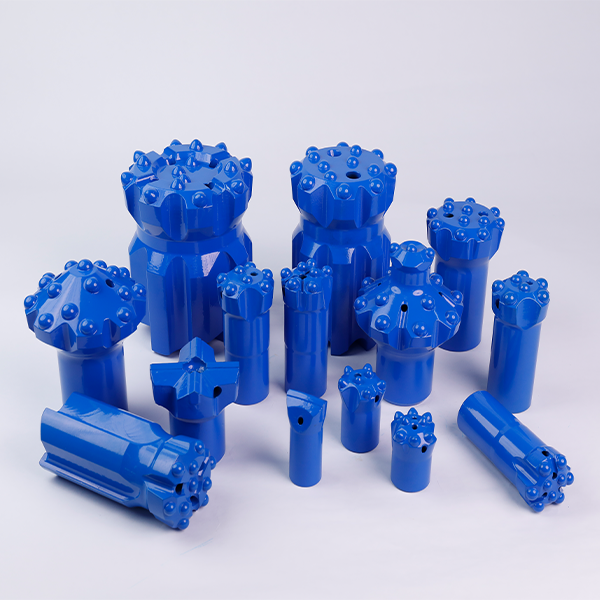
Down-the-hole (DTH) drilling tools play a critical role across a wide range of industries, including mining, water well drilling, geothermal energy, and infrastructure projects. Selecting the right drilling tools for each specific application is essential to maximize performance, improve penetration rates, and ensure operational reliability. By addressing the unique pain points of each customer—such as DTH hammer stability, drill bit wear, and rod joint durability—companies can significantly enhance drilling efficiency, minimize downtime, and reduce overall operational costs. Tailored DTH solutions not only improve productivity but also ensure long-term reliability and cost savings across different drilling scenarios.
Understanding Your Customer Segments
Distributors
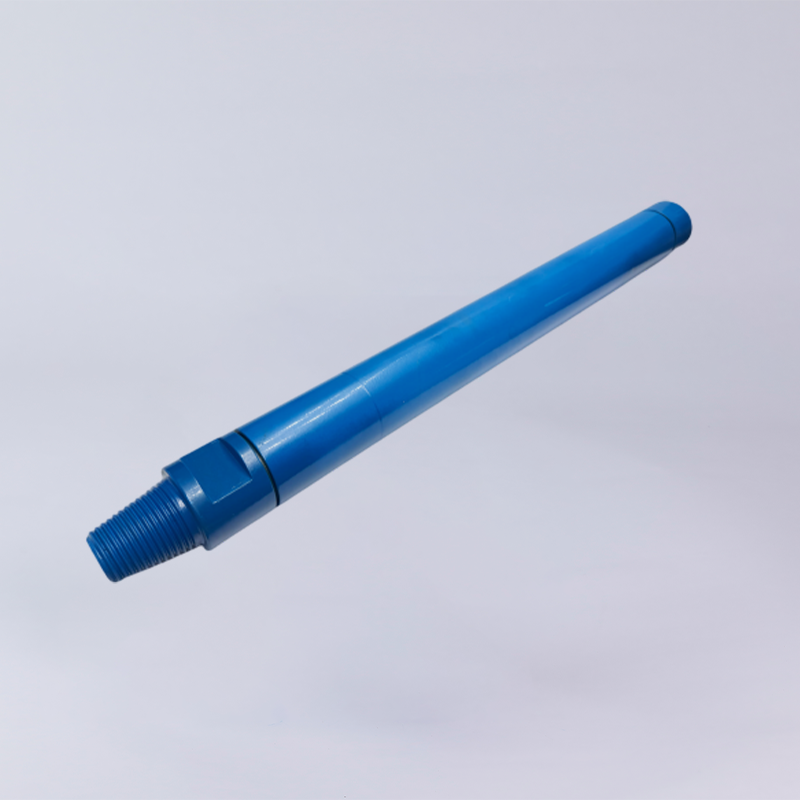
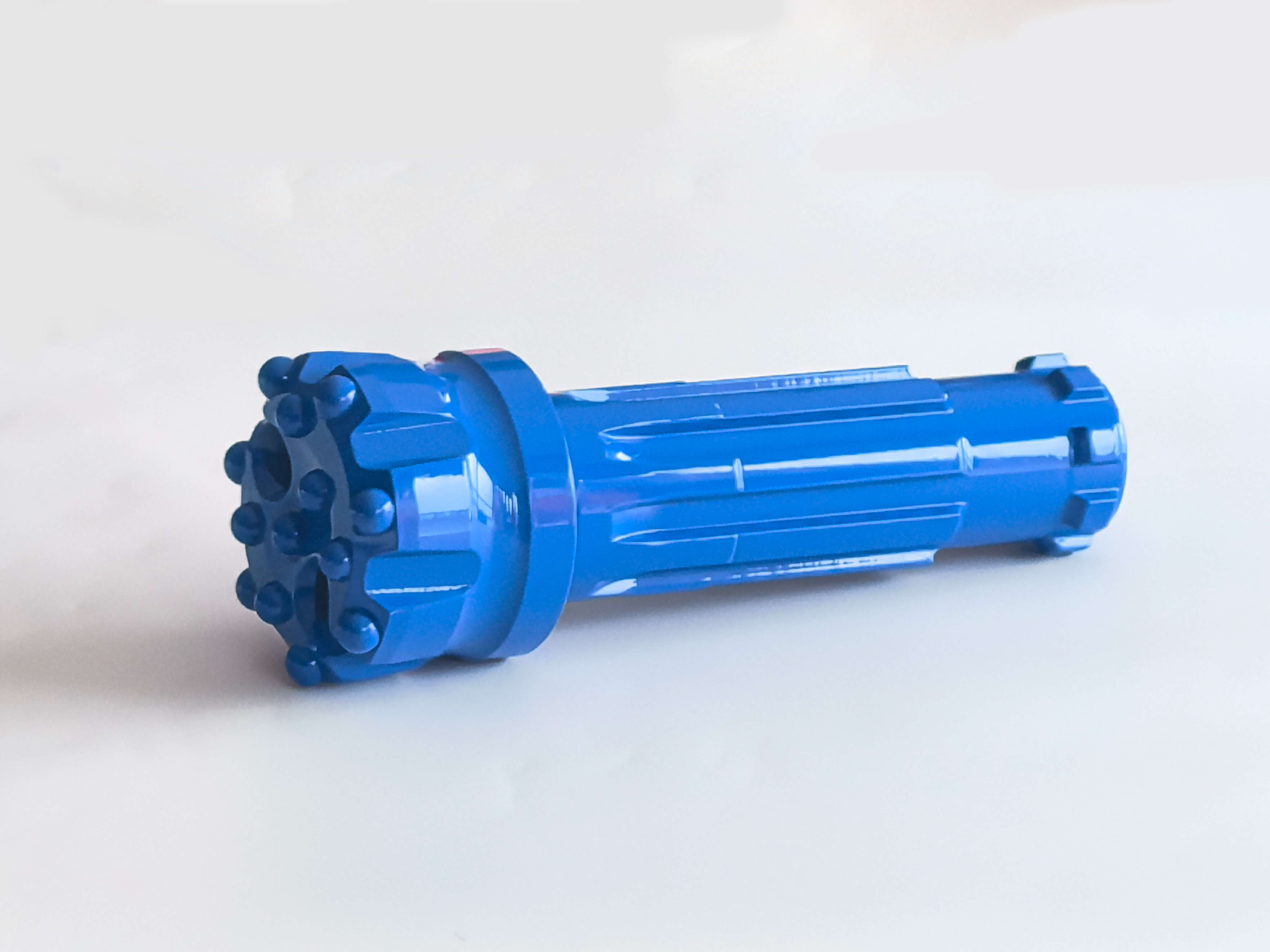
Distributors act as a vital link between manufacturers and end-users, ensuring the smooth supply of drilling equipment. Their main concerns include the stability and reliability of DTH hammers, the lifespan and efficiency of drill bits, the durability and sealing of rod joints, cross-brand compatibility, and the speed of spare parts supply and after-sales support.
Large Open-Pit Mines (Iron, Copper, Gold)
Operators in large open-pit mines focus on high-volume drilling, often requiring large-diameter holes. Key requirements include achieving faster penetration rates, maximizing DTH drilling tool longevity, and maintaining stable, consistent performance even under heavy-duty conditions.
Water Well Drilling Companies
Water well drilling companies prioritize depth, efficiency, and reliability. They require DTH drilling tools that can adapt to variable rock formations, withstand frequent maintenance cycles, and consistently deliver high penetration rates.
Geothermal Drilling Companies
Geothermal drilling demands tools capable of deep, hard rock drilling with minimal downtime. Companies in this sector emphasize tool endurance, resistance to high temperatures, and fast, stable drilling performance to meet project timelines.
Infrastructure Pile Foundation Contractors
Contractors working on large-diameter piles and deep foundation projects require precision, stability, and high penetration rates. Drill bits must be long-lasting and capable of maintaining consistent performance under heavy loads and extended operation.
Common Pain Points Across Customer Segments
Distributors
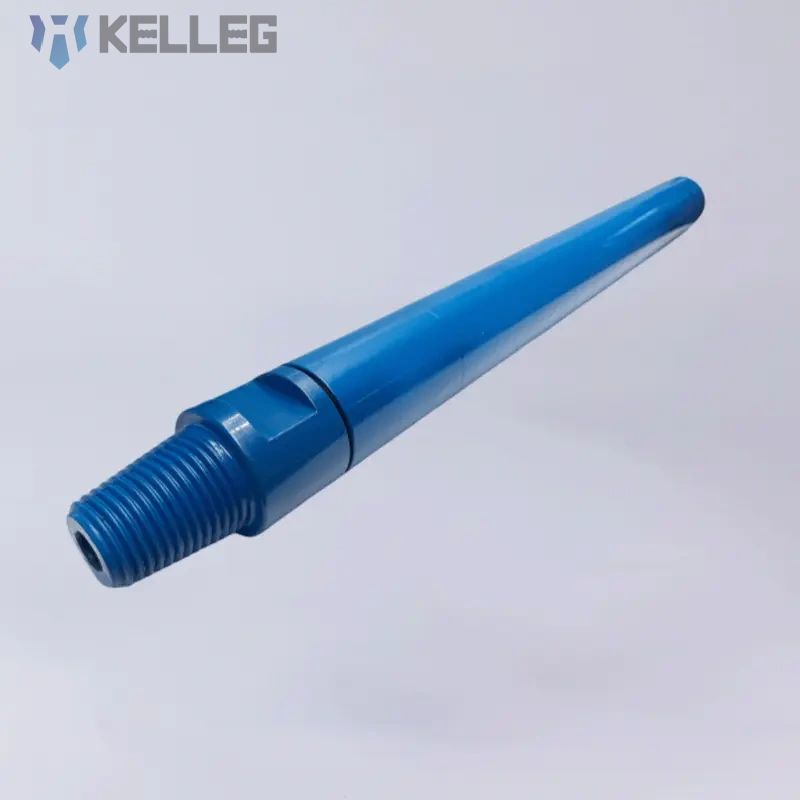
Distributors often face operational challenges that directly impact their clients’ productivity. Common pain points include DTH hammer jams or stoppages, which can lead to significant production losses, and rapid drill bit wear, requiring frequent replacements. Rod joint leaks can reduce drilling efficiency, while incompatibility between different brands increases costs and complicates inventory management. Additionally, slow spare parts supply can result in prolonged downtime, affecting both distributors and end-users.
Mines, Water Wells, Geothermal, and Infrastructure Projects
Large-scale drilling operations frequently encounter challenges related to tool availability and performance. For example, large-diameter DTH drilling tools ranging from 400 to 1150mm are often unavailable, limiting project capabilities. Existing DTH hammers may fail to meet required penetration speeds, drilling lifespan, or smoothness, particularly under harsh conditions. High failure rates in extreme environments can lead to increased maintenance demands, project delays, and higher operational costs.
Specific Customer Requirements
Distributors
Distributors require DTH drilling tools that are highly efficient and cost-effective. Key requirements include low air consumption DTH hammers that maintain stable performance, and drill bits that can adapt to various rock formations. Rod joints must be highly wear-resistant and reinforced to ensure durability, while standardized interfaces are essential to improve compatibility across different brands. Fast and reliable after-sales service, along with readily available spare parts, is critical to minimize downtime and maintain continuous operations.
Large-Scale Projects (Mines, Water Wells, Geothermal, Infrastructure)
Operators of large-scale projects focus on tools that can handle high-volume, deep, and challenging drilling operations. They require large-diameter DTH hammers in sizes ranging from 12" to 28" to accommodate different project specifications. DTH hammers must deliver higher penetration rates, longer service life, and consistent stability under heavy-duty conditions. These features are essential to improve productivity, reduce maintenance frequency, and ensure smooth drilling performance in demanding environments.
Tailored Solutions for Different Customer Segments
Solutions for Distributors
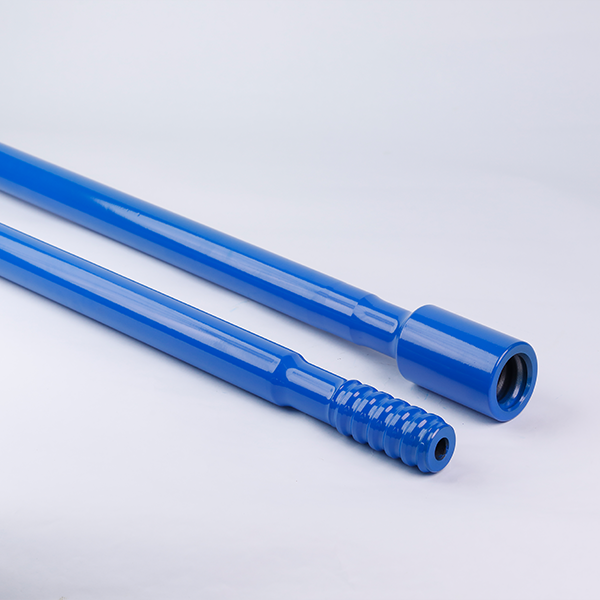
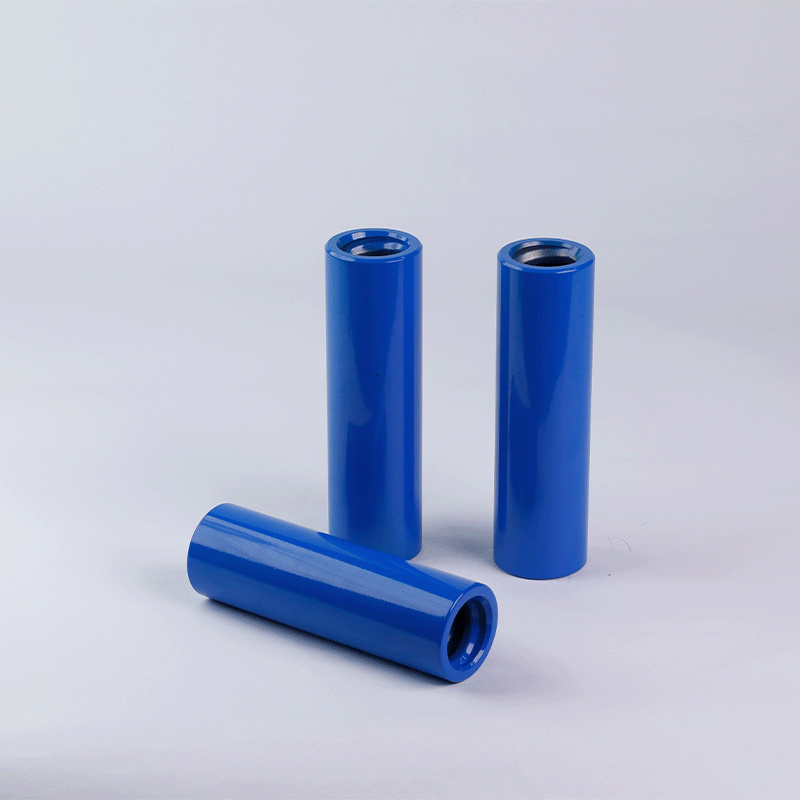
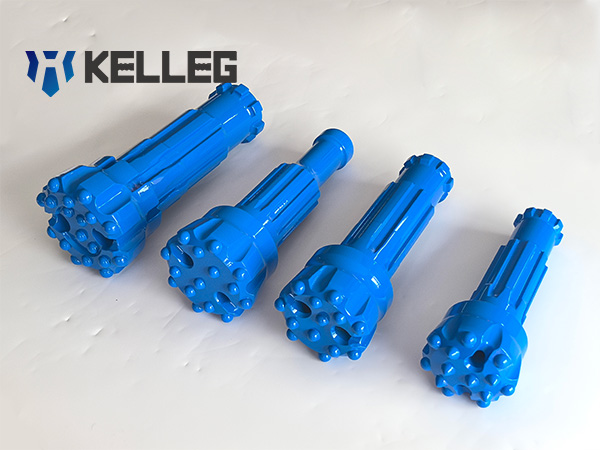
To address the unique challenges faced by distributors, manufacturers provide high-efficiency valve and non-valve DTH hammers designed to reduce air consumption while maintaining stable and reliable performance. Drill bits are engineered with optimized tooth layouts and high-wear materials, ensuring longer lifespan and faster penetration rates across various rock formations. Rod joints are crafted from high-strength steel and reinforced with surface hardening treatments such as nitriding or carburizing, significantly improving durability and sealing performance. Cross-brand compatibility solutions allow distributors to work seamlessly with multiple DTH hammer and drill bit brands, reducing replacement costs and inventory complexity. Additionally, regional spare parts warehouses and dedicated technical support teams ensure rapid after-sales service, minimizing downtime and keeping operations running smoothly.
Solutions for Large-Scale Projects (Mines, Water Wells, Geothermal, Infrastructure)
For large-diameter drilling projects, specialized DTH hammers are developed in sizes ranging from 12" to 28", designed to deliver higher penetration rates, longer service life, and enhanced stability. Cylinder-less or simplified hammer structures improve reliability and ease of maintenance. The use of premium special steels and hardened components reduces failure rates even in extreme conditions, while smooth debris removal and optimized air consumption improve drilling efficiency by up to 10% compared to conventional tail-less hammers. High-frequency hammer designs and precise structural engineering allow these tools to perform effectively in mining drilling, water well drilling, geothermal drilling, and infrastructure piling applications, providing consistent results and lowering operational costs.
Conclusion
Selecting the right DTH drilling tools is critical for maximizing efficiency, reducing downtime, and lowering operational costs across diverse industries. Whether you are a distributor managing inventory and client expectations, a large open-pit mining operation, a water well drilling company, a geothermal energy project, or an infrastructure piling contractor, understanding the specific challenges and requirements of each application is essential. Tailored solutions, such as high-efficiency hammers, optimized drill bits, durable rod joints, and large-diameter drilling tools, ensure consistent performance, longer tool life, and faster project completion.
By partnering with a reliable DTH drilling tools manufacturer, companies can access advanced DTH hammer and drill bit technologies, standardized and cross-compatible components, and responsive after-sales support. These solutions not only improve drilling efficiency but also provide measurable cost savings and operational reliability.
Ready to optimize your drilling operations? Contact our team today to get personalized recommendations for DTH hammers, drill bits, and complete drilling solutions designed for your specific industry and project needs.