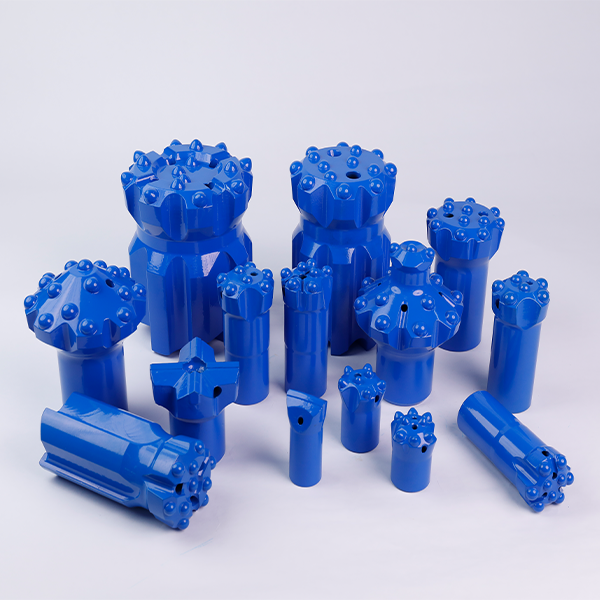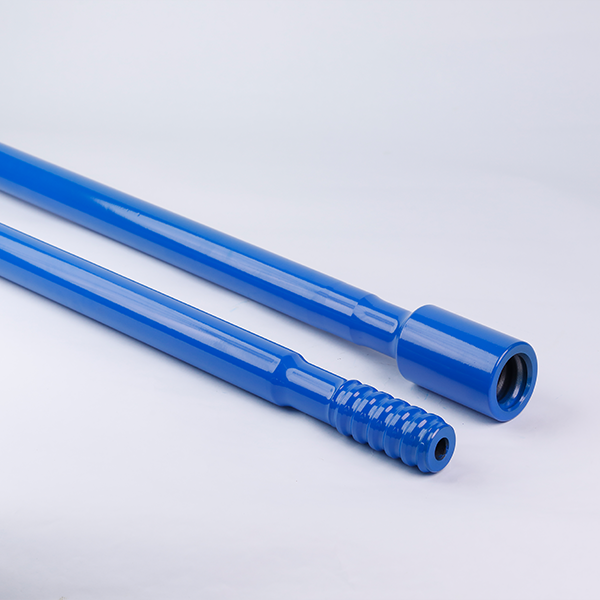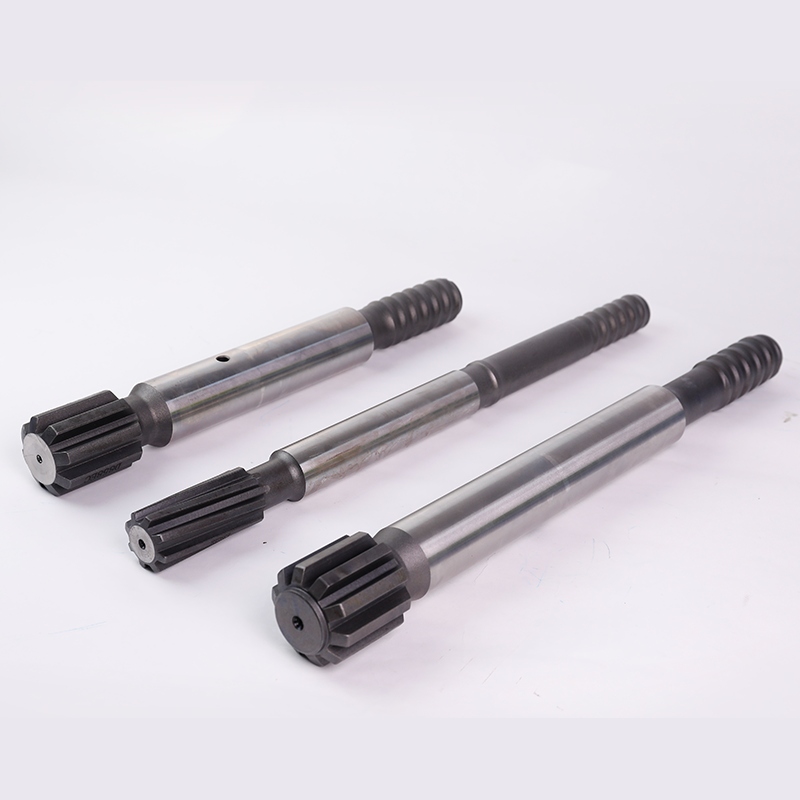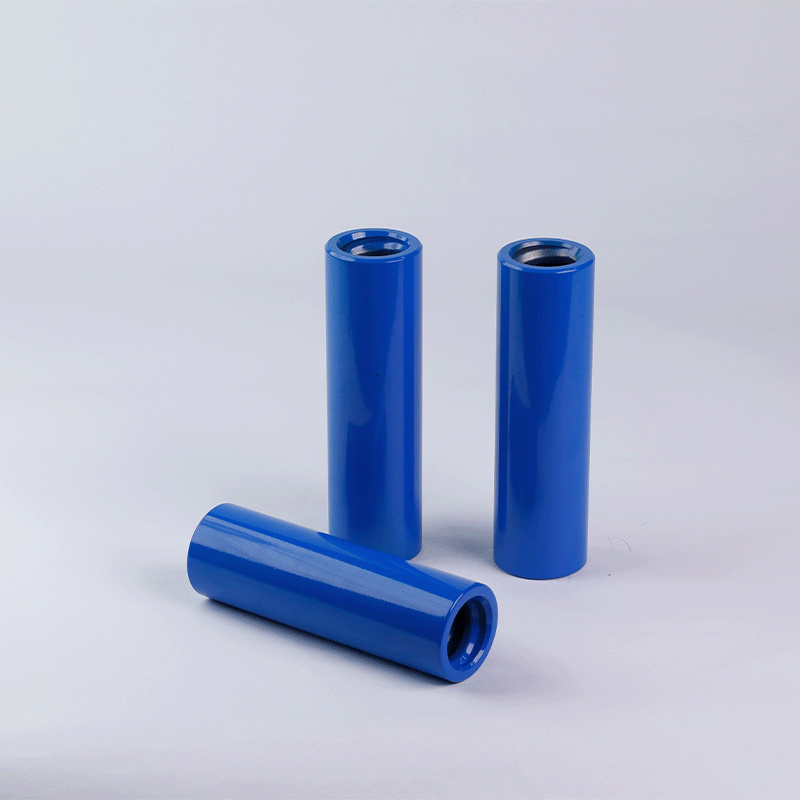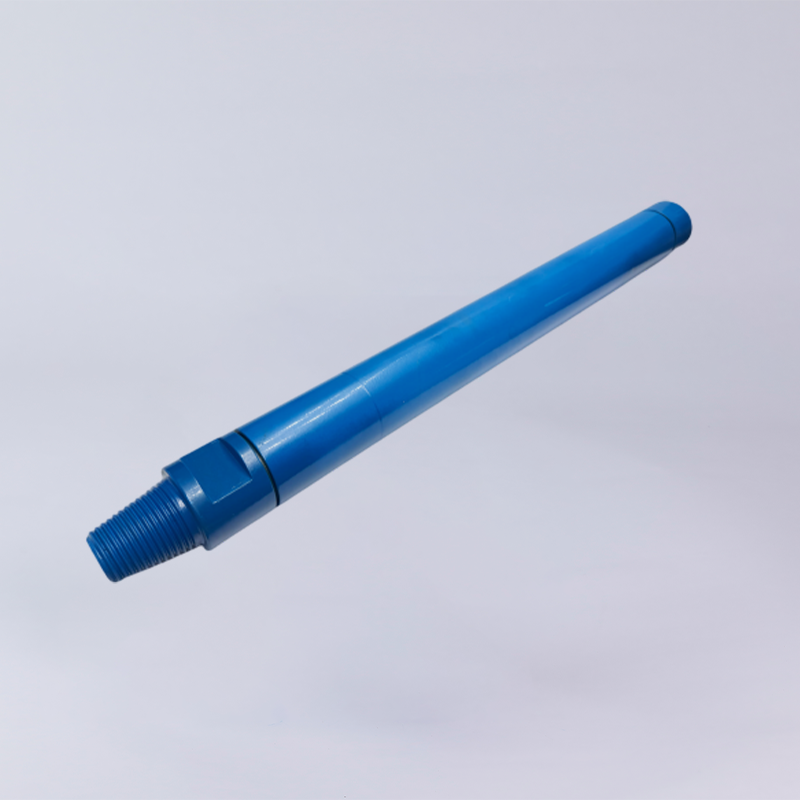
Carburizing is one of the most widely used chemical heat treatment processes in modern manufacturing, especially for mechanical components that require high surface hardness, excellent wear resistance, and long fatigue life. It plays a critical role in industries such as mining, construction, and heavy machinery, particularly in the production of rock drilling tools.
High-quality rock drilling tools rely heavily on carburizing heat treatment—not only to strengthen the surface but also to introduce residual compressive stress, which significantly slows the propagation of fatigue cracks and extends service life.
So, what exactly is the carburizing process, and why is it so important?
What Is the Carburizing Process?
The carburizing process is a chemical heat treatment in which low-carbon steel or low-carbon alloy steel is heated in a carbon-rich environment at a temperature typically between 900°C and 950°C. During this process, activated carbon atoms diffuse into the steel surface, increasing the carbon concentration of the outer layer.
After carburizing, the steel undergoes quenching and tempering, resulting in:
- A hard, wear-resistant surface layer
- A tough, ductile core with good impact resistance
This unique combination of properties makes carburized components ideal for parts subjected to high contact stress, cyclic loading, and abrasive wear.
Why Is Carburizing Important for Rock Drilling Tools?

Rock drilling tools operate under extreme conditions, including:
- High impact loads
- Severe abrasion
- Repeated cyclic stress
- Harsh underground environments
Carburizing helps rock drilling tools achieve:
- High surface hardness for wear resistance
- Improved fatigue strength due to residual compressive stress
- Enhanced impact toughness from a strong core
- Longer service life and reduced tool failure
For this reason, carburizing is considered an essential heat treatment process for premium drilling tools.
Carburizing Methods
Depending on the carburizing medium, the process can be classified into three main types:
1. Solid Carburizing
A traditional method using solid carbonaceous materials.
- Advantages: Simple equipment
- Disadvantages: Poor control, long cycle time, inconsistent quality
Note: Solid carburizing is gradually being phased out due to technological limitations.
2. Liquid Carburizing
Uses molten salt baths containing carbon-bearing compounds.
- Advantages: Faster than solid carburizing
- Disadvantages: Environmental concerns, limited applications
This method is now rarely used in modern industrial production.
3. Gas Carburizing (Most Widely Used)
Gas carburizing is currently the most common and advanced carburizing method.
Process overview:
Workpieces are placed in a sealed carburizing furnace
- Heated to 900°C–950°C
- Carbon-rich gases such as natural gas, propane, methanol, kerosene, or liquefied petroleum gas are introduced
- These gases decompose to produce active carbon atoms, which diffuse into the steel surface
Key advantages:
- High productivity and uniform carburized layers
- Excellent process control (often computer-controlled)
- Better working conditions
- Superior mechanical properties of the carburized layer
Gas carburizing is widely used for gears, shafts, and rock drilling tools.
Classification of Carburizing Heat Treatment Processes
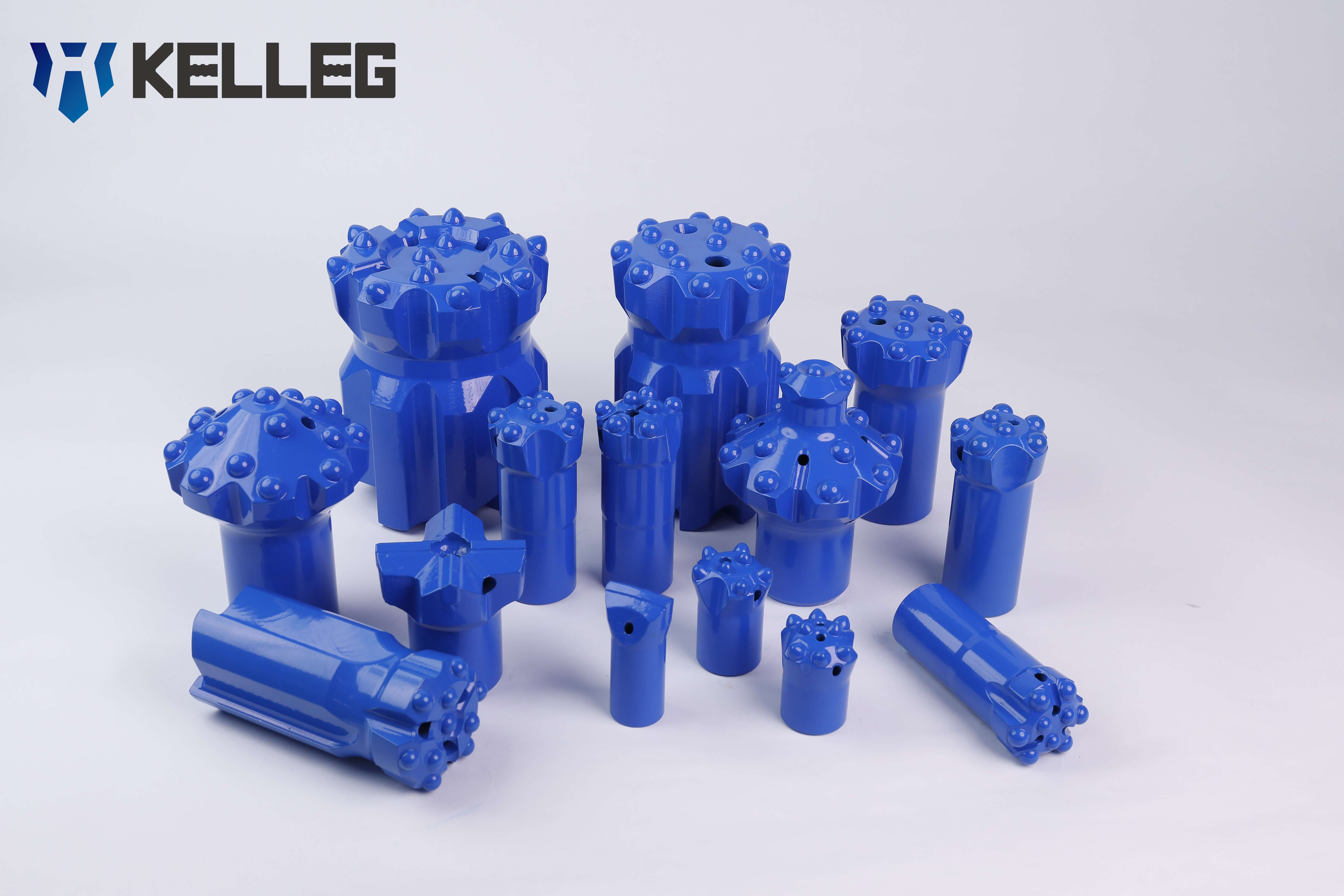
Different post-carburizing heat treatment routes are used to achieve specific mechanical properties.
1. Direct Quenching and Low-Temperature Tempering
Characteristics:
- Simple and low-cost process
- Large quenching deformation
- High residual austenite content
- Lower surface hardness
Applications:
- Parts with low deformation and impact requirements
- Suitable for gas and liquid carburizing
2. Pre-Cooling Direct Quenching and Low-Temperature Tempering (800–850°C)
Characteristics:
- Reduced quenching deformation
- Slightly improved surface hardness
- Grain structure remains unchanged
Applications:
- Widely used for fine-grained steel tools
3. One-Time Heating, Quenching, and Low-Temperature Tempering
Quenching temperature:
- 820–850°C for higher core strength
- 780–810°C for grain refinement
Applications:
- Carbon steel and low-alloy steel after solid carburizing
- Coarse-grained steel after gas or liquid carburizing
- Parts requiring machining after carburizing
4. Carburizing + High-Temperature Tempering + Quenching + Low-Temperature Tempering
- Quenching temperature: 840–860°C
Characteristics:
- Decomposes martensite and residual austenite
- Carbides precipitate, improving machinability
- Reduces residual austenite after final quenching
Applications:
- Mainly used for Cr-Ni alloy steel carburized components
5. Secondary Quenching and Low-Temperature Tempering
Characteristics:
- First quench refines core structure and removes network carbides
- Second quench improves carburized layer performance
- More complex process with higher deformation risk
Applications:
- Critical carburized parts with high mechanical performance requirements
- Especially suitable for coarse-grained steel
6. Secondary Quenching + Cryogenic Treatment + Low-Temperature Tempering
Characteristics:
- Cryogenic treatment at -70°C to -80°C
- Converts residual austenite to martensite
- Significantly improves surface hardness and wear resistance
Applications:
- High-alloy steel components
- Parts that do not require machining after carburizing
7. Induction Heating Quenching and Low-Temperature Tempering After Carburizing
Characteristics:
- Refines carburized layer microstructure
- Minimal deformation
- No need for complex carburizing control
Applications:
- Gears, shafts, and rotating components3. Gas Carburizing (Most Widely Used)
Conclusion
Carburizing is one of the most important chemical heat treatment processes used today. Through rational process design, it allows steel components to withstand high loads, resist wear, and endure repeated impact.
For rock drilling tools, carburizing:
- Delivers high surface hardness and wear resistance
- Enhances fatigue strength and corrosion resistance
- Maintains a tough, impact-resistant core
- Allows low-carbon steel to replace expensive high-alloy steel, reducing cost without sacrificing performance
As a result, carburizing offers significant economic and technical advantages, making it an indispensable process in the manufacturing of high-performance rock drilling tools and other critical mechanical components.